
Signing a legally binding contract, a property deed, or a high-value financial document requires a reliable writing instrument. Because your signature represents formal consent and identity, it must remain legible, permanent, and unaltered for decades. To achieve this, the ideal signing pen must utilize an ink formulation that chemically bonds with paper fibers, resisting water, light, and attempts at fraudulent alteration. While personal preference plays a role in how a pen feels, the technical compatibility between the ink type, the pen mechanism, and the paper surface ultimately determines whether a signature will stand the test of time.
In tropical climates where high humidity and ambient warmth can slow drying times or accelerate ink degradation, selecting the right pen is critical. A signature that smudges during handling or fades due to moisture exposure can jeopardize the validity of official paperwork. Understanding ink science and pen characteristics ensures your signature remains crisp, clear, and legally secure.
Understanding Ink Properties for Archival Quality
To select a reliable signing pen, you must first understand ink chemistry. Writing inks generally fall into two categories: dye-based and pigment-based. Dye-based inks use colorants fully dissolved in a liquid medium. While they offer vibrant colors, they are highly susceptible to water damage, UV fading, and chemical washing. If a document signed with dye-based ink is exposed to moisture, the ink can easily bleed or run.
Products mentioned in this guide
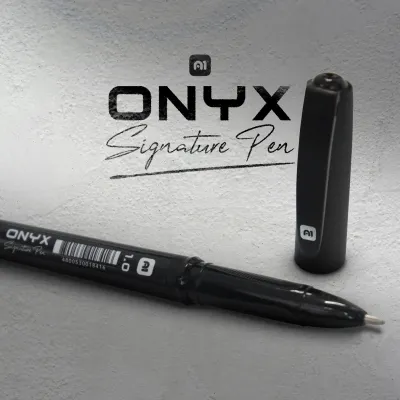
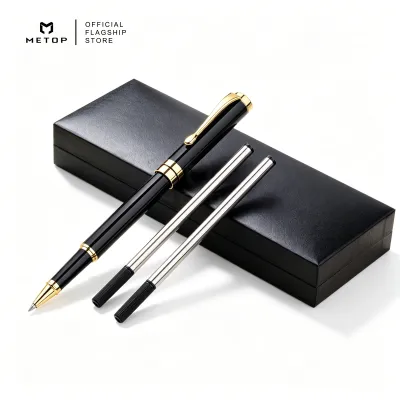
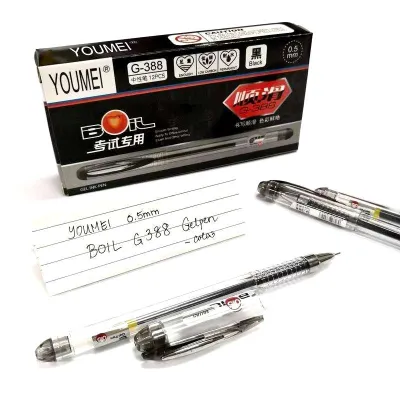
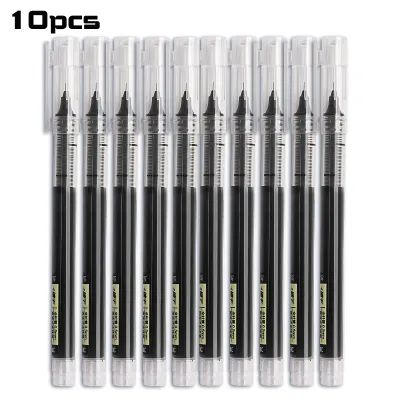
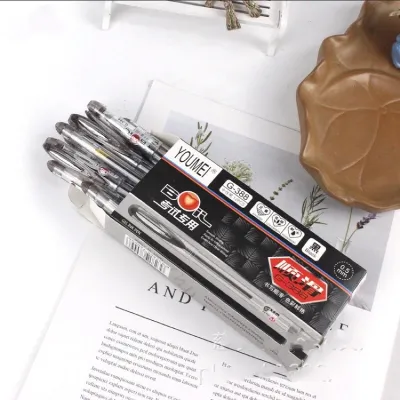
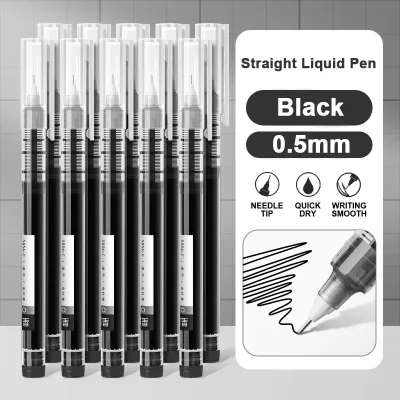
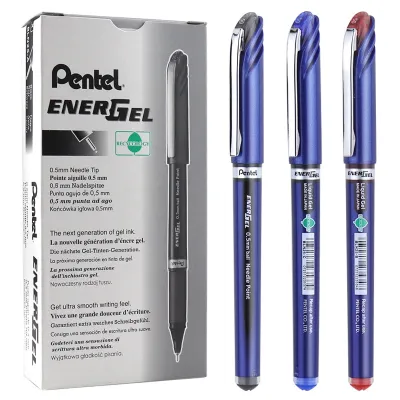
Prices are valid at publication and may change. Please refer to the product page for the latest price.
In contrast, pigment-based inks utilize microscopic solid particles suspended in a liquid carrier. When applied to paper, these pigments lodge deep within the cellulose fibers. Once dry, pigment-based inks are highly water-resistant, lightfast, and chemically stable. This makes them virtually impossible to wash away or erase without physically destroying the paper, making them the standard for archival preservation.
When shopping for a signing pen, look closely at the packaging for quality indicators. Reliable terms include “archival quality,” “pigment ink,” “document-proof,” “fade-resistant,” and “waterproof.” Many professional-grade pens reference international standards, such as ISO 14145-2 for rollerball and gel pens, or ISO 12757-2 for ballpoint pens. These certifications verify that the ink resists light, water, bleaching agents, and erasing.
Standard office pens often rely on cheap dye-based formulations to keep production costs low. While adequate for daily note-taking, they present significant risks for long-term document preservation. Over several years, exposure to ambient light and humidity can cause standard dye-based signatures to fade to a faint, illegible shadow, potentially rendering historical or legal records useless.
Comparing Pen Types for Official Signatures
Different pen mechanisms deliver ink to the paper in distinct ways, affecting both the writing experience and the longevity of the signature.

Ballpoint pens are a traditional choice for official signing due to their reliability and oil-based ink formulation. The thick, oil-based ink is naturally water-resistant and dries almost instantly, making it highly resistant to smudging. This quick-drying nature is particularly advantageous in humid environments. However, ballpoint pens require more downward pressure to write, which can leave deep indentations on thin paper. Additionally, lower-quality ballpoints are prone to skipping or leaving small blobs of excess ink that can smear if touched immediately.
Gel pens offer a compelling balance of smooth writing and rich, dark lines. They use water-based gel to suspend pigments, allowing the pen to glide effortlessly across the page with minimal hand fatigue. The resulting signature is highly legible and scans exceptionally well for digital archiving. However, because gel ink is applied more thickly, it requires a longer drying time. On coated or high-density paper, a gel signature can easily smudge if the document is folded or stacked too quickly. It is essential to verify that the gel pen specifically uses pigment ink, as some decorative or erasable gel pens use highly unstable dyes.
Rollerball pens utilize liquid, water-based inks that flow freely, mimicking the effortless feel of a fountain pen. This fluid delivery creates a bold, continuous line that looks highly professional. The primary drawback of rollerball pens is their interaction with standard paper. The highly liquid ink penetrates deeply into paper fibers, which can cause feathering (where the ink spreads outward, making the signature look fuzzy) and bleed-through. On thin or low-grade office paper, a rollerball pen can easily ruin the clean appearance of a document.
Fountain pens represent a classic, professional presentation and offer a highly customizable writing experience. Writers can select from various nib sizes and fill the pen with dedicated archival or document-grade inks. However, fountain pens require consistent maintenance, including regular flushing to prevent the feed from clogging, especially when using permanent pigment inks. Standard fountain pen inks are notorious for being highly water-soluble; therefore, you must explicitly source specialized “document” or “permanent” inks designed for fountain pens to ensure archival safety.
Essential Checks Before Signing Important Documents
Before putting pen to paper on an irreplaceable document, performing a few quick checks can prevent costly mistakes or document rejection.
First, verify any institutional, corporate, or legal color requirements. While black ink is universally accepted, many banks, government agencies, and offices specifically mandate the use of blue ink. This requirement is not arbitrary; it allows administrators to easily distinguish an original, wet-ink signature from a high-quality black-and-white photocopy or digital print. Always confirm the preferred color with the receiving party before signing.
Second, conduct a drying-time test on a scrap piece of the same paper type. Paper composition varies widely, from highly absorbent copy paper to slick, coated parchment. In warm, humid conditions, water-based inks (such as those in gel and rollerball pens) dry much slower than usual. Scribble a small line on a test sheet and run your finger over it at intervals of five, ten, and thirty seconds to determine exactly how long you must wait before handling or folding the signed document.
Finally, check the pen’s physical performance. Scribble on a scrap sheet to ensure the ink flows smoothly and consistently without skipping, scratching, or leaving heavy blobs. A pen that skips can make a signature look tentative or incomplete, while a scratching nib can tear delicate paper fibers. Ensure the tip size matches the signature block; a thick 1.0mm bold tip may cause letters to run together in a small signing box, whereas a 0.5mm or 0.7mm fine tip provides better control and legibility.
Signs It Is Time to Replace Your Signing Pen
Using a failing or worn-out pen on a critical document can result in an illegible signature or, worse, physical damage to the paper. Recognizing the early signs of pen degradation allows you to replace the instrument before an accident occurs.
The most common sign of a failing pen is inconsistent ink flow. If you notice the ink color fading mid-stroke, or if the pen requires multiple scribbles on a scrap page to start writing, the ink reservoir is likely running dry or the ink formulation has begun to dry out inside the cartridge. Physical damage to the pen tip, such as a bent fountain pen nib or a damaged ballpoint socket, will cause a scratchy writing sensation and uneven lines.
Using a leaking or pooling pen on irreversible legal or financial documents poses a severe risk. A sudden blob of ink can obscure printed text, cover critical terms, or render a signature completely illegible, potentially requiring the entire document to be reprinted and resigned. If you observe ink pooling around the collar or tip of the pen, do not attempt to use it for official purposes.
When a signing pen begins to exhibit these issues, it is far safer to switch to a fresh pen or install a high-quality refill rather than trying to revive the old one. Attempting to shake, heat, or scribble forcefully with a dying pen often leads to unpredictable ink splatters that can ruin a one-of-a-kind contract. Keep a dedicated, tested signing pen stored safely in a drawer, reserved exclusively for official paperwork.
Frequently Asked Questions (FAQ)
Are gel pens accepted for notarized or legal documents?
Yes, gel pens are widely accepted for notarized and legal documents, provided they use permanent, pigment-based ink. Many modern legal professionals prefer high-quality pigment gel pens because they produce dark, high-contrast lines that scan exceptionally well for digital records. However, you must never use erasable gel pens, as the ink can be easily removed with friction or heat, making the document vulnerable to tampering. Always check with the specific notary public or institution, as some local guidelines may still mandate traditional oil-based ballpoint pens.
Why do some institutions require blue ink for signatures?
Many institutions require blue ink to quickly verify the authenticity of a document. In an era of high-resolution black-and-white copiers and laser printers, a black-ink signature can look identical to a photocopy. A blue-ink signature provides an immediate visual cue that the document is an original, wet-ink signing. When dealing with government agencies, banks, or international customs, always verify if blue ink is mandatory to avoid processing delays or document rejection.
Community discussion
Share your experience or ask a question. Comments are reviewed before publication.