
Selecting the ideal whiteboard marker with an integrated eraser cap in the Philippines requires balancing writing comfort, ink visibility, and clean erasability under local environmental conditions. In tropical climates where high humidity can affect how ink dries and adheres to surfaces, having a reliable, all-in-one writing tool is essential for teachers, corporate presenters, and home organizers alike. The convenience of a built-in eraser cap eliminates the need to carry separate cleaning cloths or bulky erasers, making quick corrections seamless during fast-paced discussions. To find the best option for your specific needs, you must evaluate the ink formulation, tip design, eraser material, and how well the marker performs on your specific board surface.
Key Features to Evaluate in Whiteboard Markers With Erasers
Whiteboard markers rely on a mixture of color pigments, chemical solvents, and release agents. In the Philippines, where classrooms and offices often experience varying levels of humidity and temperature, the choice of solvent is critical. Low-odor, alcohol-based inks are highly recommended for enclosed spaces, such as air-conditioned meeting rooms or small study areas, as they minimize harsh chemical fumes. Ketone-based inks, while highly durable and vibrant, tend to emit a strong, pungent odor that can cause discomfort during prolonged use. You should check the product packaging for explicit low-odor or non-toxic labels to ensure a comfortable writing experience.
The tip of the marker, usually made of dense polyester or acrylic fiber, dictates the style and legibility of your writing. Bullet tips produce a consistent, uniform line width that is excellent for standard handwriting, bulleted lists, and detailed diagrams. Chisel tips, on the other hand, offer versatility by allowing you to write with thin lines using the sharp edge or thick, bold strokes using the flat side. For large lecture halls where students sit far from the board, a chisel tip provides the necessary line thickness for maximum visibility. For personal planners or small tracking boards, a fine bullet tip ensures your writing remains neat and legible within confined spaces.
Products mentioned in this guide
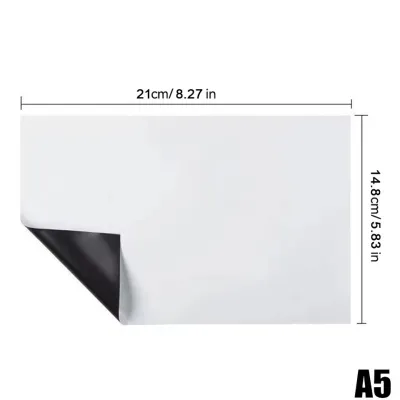
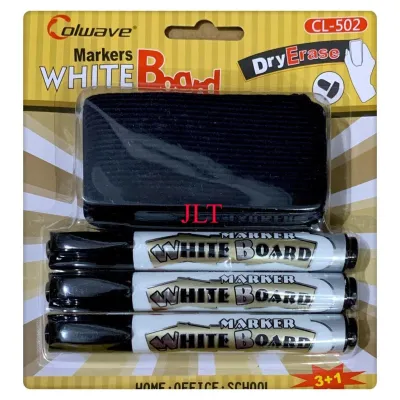
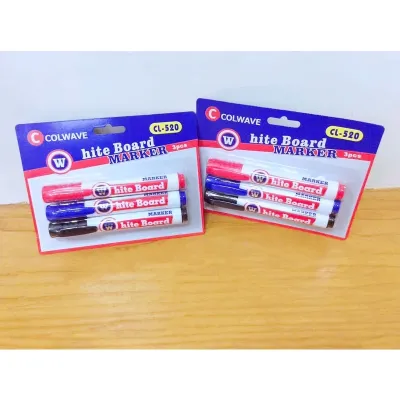
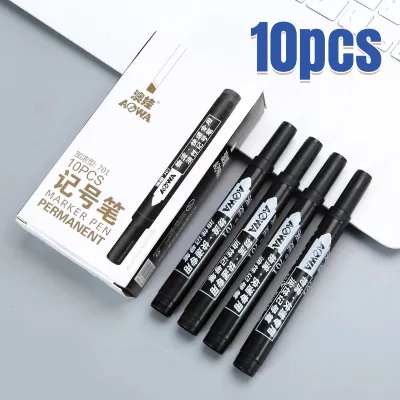
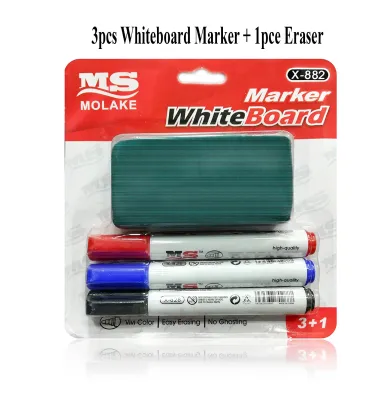
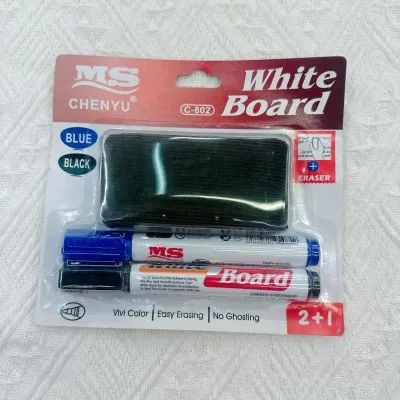
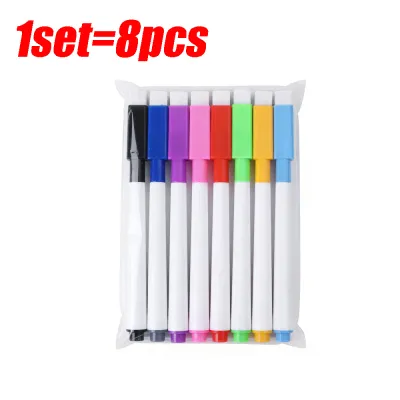
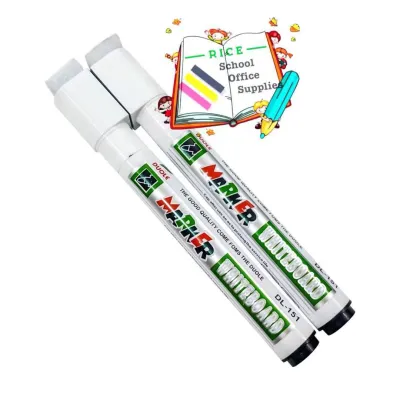
Prices are valid at publication and may change. Please refer to the product page for the latest price.
The small eraser mounted on the marker cap is designed for rapid, localized corrections. The effectiveness of this eraser depends heavily on its material density and texture. Low-density foam erasers tend to wear down quickly, crumbling or tearing after minimal use, especially when rubbing against textured board surfaces. High-density felt or specialized synthetic fiber erasers are far more durable, lifting dry-erase ink particles cleanly without scratching the board. When evaluating a marker, observe the firmness of the cap eraser; a firmer, tightly packed felt pad will resist fraying and maintain its shape over weeks of daily use.
Matching Marker Types to Your Writing Environment
In busy Philippine classrooms, lecture halls, and corporate training rooms, whiteboard markers undergo heavy, continuous use. These settings demand high-visibility markers with bold, highly pigmented ink that can be easily read from the back of the room. Because teachers and presenters write rapidly, the ink must dry almost instantly to prevent accidental smudging from hands or sleeves. In these high-frequency environments, choosing markers with robust chisel tips and larger ink reservoirs is practical, as they withstand constant pressure and reduce the frequency of replacements.

For home offices, remote learning spaces, or kitchen organization boards, the writing requirements are vastly different. Here, close-range viewing means that ultra-bold lines are unnecessary and can make small boards look cluttered. Fine-tip markers with subtle or varied color options—such as blue, green, or purple—are ideal for color-coding tasks, daily schedules, and personal notes. Low-odor ink is particularly crucial in these smaller, often less-ventilated residential spaces to maintain a pleasant indoor air quality.
The performance of any dry-erase marker is deeply tied to the quality of the whiteboard surface. Standard melamine boards, which are common and budget-friendly, are highly porous and prone to absorbing ink over time, leading to permanent staining or ghosting. Painted steel and porcelain-on-steel boards are much smoother, non-porous, and highly resistant to staining, allowing even older ink to be erased effortlessly. Before purchasing a bulk set of markers with eraser caps, test a single marker on an inconspicuous corner of your board to verify how cleanly the ink lifts from that specific material.
How to Build Your Shortlist: A Step-by-Step Selection Process
Because whiteboard markers contain chemical solvents, safety is a primary concern, particularly when they are used by children or in poorly ventilated classrooms. When browsing options on local online marketplaces or in stationery stores, look for recognized safety certifications on the packaging. Certifications such as the AP (Approved Product) seal from the Art & Creative Materials Institute (ACMI) or compliance with European standard EN71 indicate that the product has been toxicologically evaluated and deemed safe for consumer use. Avoid purchasing unbranded or unlabeled markers that lack these clear safety credentials.
A common flaw in poorly designed markers with eraser caps is an inadequate airtight seal. The addition of an eraser to the cap can sometimes compromise the cap’s structural integrity or fit, allowing air to seep in and dry out the marker tip prematurely. When selecting a marker, check that the cap clicks firmly into place with a distinct, audible snap. This snap indicates a tight seal that prevents solvent evaporation. Additionally, ensure the eraser is securely glued or molded onto the cap so it does not wobble or detach when you apply pressure during erasing.
Before finalizing your purchase on major local ecommerce platforms, take time to read customer reviews, focusing specifically on long-term performance. Look for feedback regarding how quickly the ink dries out, whether the colors remain vibrant over time, and if the built-in eraser cap actually cleans the board or simply spreads the ink around. Pay close attention to reviews written by local buyers in the Philippines, as they can provide valuable insights into how the markers perform under local humidity levels and on common whiteboard brands available in the domestic market.
Maintenance, Troubleshooting, and Extending Marker Life
If a marker is accidentally left uncapped and stops writing, you can often revive it using simple, manufacturer-approved techniques. Store the marker vertically with the tip pointing downward for 24 hours to allow the remaining solvent and pigment to flow back to the writing tip. For alcohol-based markers, placing a single drop of isopropyl alcohol directly onto the fiber tip, capping it tightly, and letting it sit overnight can re-solubilize the dried ink. Always avoid using harsh household chemicals or water, which can permanently ruin the ink formulation and damage the whiteboard surface.
Over time, the small felt or foam eraser on the marker cap will become saturated with dry-erase ink dust. When this happens, the eraser will begin to smudge and leave dark streaks on the board instead of cleaning it. To restore its effectiveness, gently rub the dry eraser cap against a rough, clean paper towel to dislodge the accumulated ink particles. For heavily soiled felt erasers, you can lightly dab them with a damp cloth or a small amount of rubbing alcohol, ensuring they are completely dry before using them on the whiteboard again.
If a marker consistently leaves permanent residue, stains, or ghosting that cannot be removed by the built-in eraser, the ink may have degraded, or the whiteboard surface itself may have lost its protective dry-erase coating. Continuing to use a degraded marker will only worsen the staining and ruin the board. In such cases, stop using the marker immediately and consult your whiteboard manufacturer’s care instructions. For deep cleaning, use a specialized whiteboard cleaning spray or a microfiber cloth dampened with isopropyl alcohol to restore the board’s surface before writing on it again.
Frequently Asked Questions (FAQ)
Can I use a whiteboard marker with an eraser cap on a glass board?
Yes, you can use standard whiteboard markers with eraser caps on glass boards, but there are key differences in performance. Glass is completely non-porous, meaning the ink will not penetrate the surface, resulting in exceptionally clean erasing without ghosting. However, because glass is highly reflective and smooth, standard dry-erase ink may appear less vibrant or slightly translucent compared to how it looks on a traditional white board. For the best results on glass, look for markers specifically labeled as high-opacity or formulated for glass board use, and ensure the built-in eraser is made of a soft, non-abrasive material that will not scratch the glass surface.
Why does the built-in eraser leave smudges instead of cleaning the board?
Smudging typically occurs when you attempt to erase the ink before it has completely dried. Dry-erase ink contains a solvent that must evaporate fully—usually taking a few seconds—leaving behind a dry, easily sweepable powder. If you erase too quickly, you spread the wet solvent and pigment across the board. Smudging can also be caused by a saturated eraser cap that is already clogged with old ink dust, or by a low-quality, highly porous board surface that has absorbed the pigment. Allowing the ink to dry completely and regularly cleaning your eraser cap will resolve most smudging issues.
How long should a standard whiteboard marker last with daily use?
The lifespan of a whiteboard marker depends on several variables, including the frequency of use, the size of the ink reservoir, and how well the cap seal prevents evaporation. Under daily classroom or office conditions, a standard marker typically provides several weeks to a few months of consistent writing. To maximize its lifespan, always store your markers horizontally when not in use; this keeps the ink evenly distributed throughout the barrel and prevents the tip from drying out or becoming oversaturated. Replace your markers when you observe significant ink fading or when the tip becomes frayed and loses its shape.
Community discussion
Share your experience or ask a question. Comments are reviewed before publication.