
Selecting the ideal flower wrapper bouquet material is a crucial step in floral presentation that directly impacts both the aesthetic appeal and physical survival of your arrangement. The right wrapper does more than just frame the blooms; it provides vital structural support, shields delicate petals from bruising, and manages moisture levels to prevent premature wilting. In tropical climates like the Philippines, where high humidity and warm temperatures accelerate water loss, matching the physical properties of your wrapping paper to the specific needs of your flowers is essential for a professional, long-lasting finish.
Different bouquet styles and sizes demand distinct wrapping characteristics. A heavy, multi-stem mixed arrangement requires a stiff, high-tensile paper to hold its shape, while a delicate single-stem rose calls for a soft, draping material that enhances its elegant silhouette without crushing the petals. By understanding the unique strengths, limitations, and handling techniques of various wrapping materials—ranging from rustic kraft paper to waterproof cellophane and luxurious Korean-style mesh—you can elevate any floral gift into a stunning, durable work of art.
Quick Guide: Matching Wrapping Paper to Bouquet Types
Choosing the correct wrapping material depends heavily on the size of your arrangement, the weight of the stems, and how the flowers will be hydrated. The table below serves as a quick, actionable reference to help you match common bouquet styles with their ideal primary wrapping materials and key structural benefits.
Products mentioned in this guide
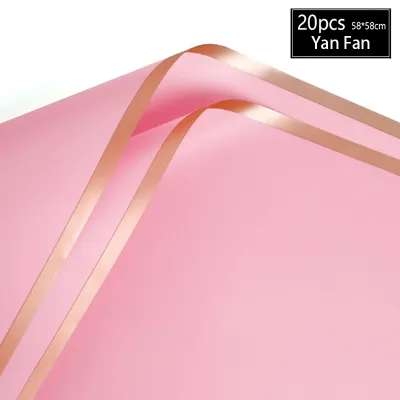

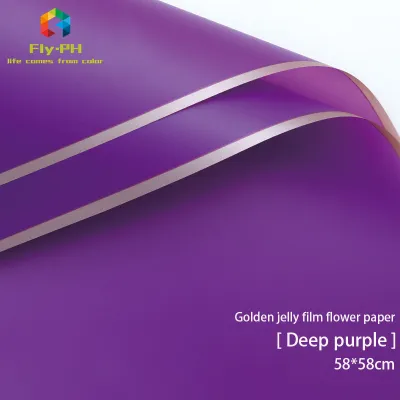

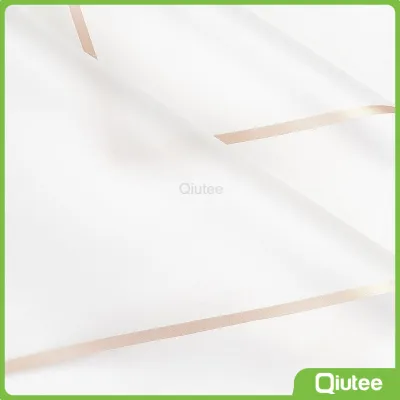
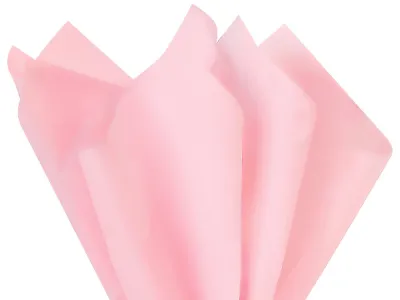
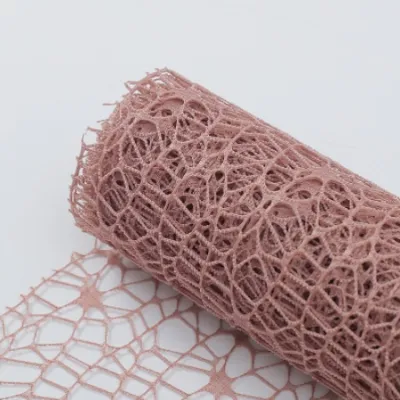
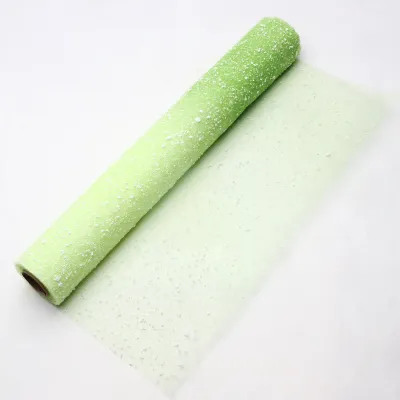
Prices are valid at publication and may change. Please refer to the product page for the latest price.
| Bouquet Style & Size | Recommended Primary Material | Key Benefit |
|---|---|---|
| Single-Stem Premium Rose | Korean-Style Mesh or Non-Woven Fabric | Adds soft, multi-layered volume without weighing down or bending the delicate stem |
| Medium Mixed Hand-Tied | Kraft Paper (with waterproof inner liner) | Provides excellent structural stiffness and a classic, organic aesthetic |
| Large Multi-Flower Arrangement | Heavy-Duty Kraft Paper (80+ GSM) or Thick Non-Woven Sheets | Prevents sagging under heavy stems and maintains the bouquet's outer shape |
| Wet-Stem / Water-Tubed Bouquet | Matte Opaque Cellophane (OPP Film) | 100% waterproof barrier that prevents leaks, condensation damage, and paper tearing |
| Dried Flower / Baby's Breath Posy | Crepe Paper or Soft Tissue Paper | Offers a delicate, highly textured drape that complements lightweight, dry blooms |
Key Factors for Choosing Flower Wrapping Paper
Before selecting your wrapping materials, you must evaluate several practical factors determined by your specific floral arrangement. Balancing these functional requirements ensures your bouquet remains beautiful and structurally sound from the moment it is wrapped until it reaches the recipient.

Moisture and Stem Condition
Managing moisture is the most critical challenge when wrapping fresh flowers, especially in warm, humid regions. Freshly cut stems require continuous hydration, which is often supplied via water tubes, wet floral foam, or damp cotton wrapped around the stem bases. If these wet elements come into direct contact with standard, untreated paper, the moisture will quickly seep through, causing the wrapper to soften, tear, and collapse.
To prevent this, you must assess the hydration method of your bouquet before wrapping. If the stems are wet or wrapped in a moisture source, a waterproof barrier is mandatory. You can verify the water resistance of your chosen paper by performing a simple drop test: place a few drops of water on a corner of the sheet. If the water beads up and can be wiped away without leaving a dark spot or softening the fibers, the material is safe for direct wet-stem contact; if it absorbs the liquid, an inner liner is required.
Structural Support vs. Delicacy
The physical weight and stem rigidity of your flowers dictate the stiffness of the paper you should use. Large, top-heavy blooms like sunflowers, lilies, or proteas exert significant outward pressure on their wrapping. These arrangements require a stiff paper with high tensile strength, such as heavy kraft paper, to hold the stems tightly together and prevent the bouquet from splaying or sagging during transport.
Conversely, delicate or slender stems, such as tulips, baby’s breath, or local orchids, can be easily bruised or bent by overly stiff wrapping materials. These flowers benefit from flexible, lightweight wrappers like non-woven fabrics or soft tissue papers. These materials drape gently around the blooms, providing a protective cushion without applying constricting pressure that could damage fragile petals or stems.
Visual Proportion and Volume
A visually balanced bouquet requires a careful proportion between the size of the floral arrangement and the volume of the wrapping paper. The wrapper should act as a complementary frame, not a distracting element that overshadows the flowers. Wrapping a small, delicate sweetheart posy in thick, dark kraft paper will make the flowers look sparse and lost inside the packaging.
To achieve the right balance, scale the thickness and layering of your paper to the bouquet’s size. For small arrangements, use single or double layers of lightweight, semi-transparent materials to create a soft halo. For massive, multi-stem bouquets, use multiple overlapping sheets of thicker, opaque paper to build a wide, dramatic collar that matches the impressive scale of the blooms.
Texture and Aesthetic Theme
The physical texture of your wrapping paper sets the overall design theme and emotional tone of the gift. Matte finishes offer a modern, sophisticated, and clean look that works exceptionally well for contemporary floral designs. Glossy surfaces, such as polished cellophane, provide a vibrant, traditional, and celebratory feel.
Natural, textured materials like rustic kraft paper or woven abaca fibers evoke an eco-friendly, organic charm that pairs beautifully with wildflowers and unstructured garden bouquets. Meanwhile, delicate mesh, lace, or frosted non-woven fabrics provide a luxurious, romantic backdrop that is ideal for formal occasions such as weddings, anniversaries, or graduation ceremonies.
Best Wrapping Paper Types for Specific Bouquet Styles
Different wrapping materials possess distinct physical properties that dictate how they behave when folded, pleated, or exposed to moisture. When sourcing your flower wrapper bouquet supplies, always check the physical dimensions of the sheets—typically sold in standard 50×50 cm or 60×60 cm sizes—to ensure you have adequate coverage for your specific arrangement.
Kraft Paper for Rustic and Mixed Hand-Tied Bouquets
Kraft paper is a highly popular choice for medium-to-large mixed hand-tied bouquets, wildflower arrangements, and rustic-themed gifts. Typically ranging from 70 GSM to 90 GSM (grams per square meter) in weight, kraft paper provides excellent structural stiffness. This thickness allows it to support heavy, woody stems easily, ensuring that the bouquet maintains its upright, conical shape during transport and presentation.
The natural, unbleached brown color of kraft paper offers a neutral, earthy backdrop that makes the vibrant, saturated colors of fresh flowers stand out dramatically. It is also available in a wide variety of muted pastel tones and double-sided color configurations, allowing for creative folding techniques that expose contrasting colors on the inner and outer surfaces of the wrapper.
When styling with kraft paper, you can enhance its rustic aesthetic by pairing it with natural jute twine, abaca cords, or thick burlap ribbons. To add physical volume and a more relaxed, organic texture, try gently crumpling the paper before wrapping, or fold the sheets into crisp, overlapping diagonal layers to create a structured, geometric collar around the blooms.
However, standard kraft paper has zero water resistance and is highly absorbent. If your bouquet features wet stems or is wrapped with a water source, you must line the inside of the kraft paper with a sheet of clear cellophane or plastic film first. Failing to do so will result in unsightly water spots, ink bleeding, and a rapid loss of structural integrity that can cause the paper to tear.
Cellophane and Waterproof Liners for Fresh, Wet-Stem Arrangements
Cellophane and modern plastic films, such as Oriented Polypropylene (OPP), are indispensable materials for wrapping fresh-cut flowers, especially in hot, humid climates. Because these materials are entirely waterproof, they serve as an impenetrable barrier that keeps water contained within the stem wrapping, protecting outer decorative paper layers from moisture damage and preventing leaks.
These waterproof wrappers are ideal for bouquets utilizing water tubes, wet floral foam bases, or fresh-cut stems wrapped in damp paper towels or cotton. They are highly resistant to condensation, ensuring that the wrapper remains crisp, clear, and structurally sound even when exposed to temperature fluctuations during delivery.
For a clean, professional look, you can use clear cellophane discreetly as an invisible inner liner to wrap wet cotton or water vials at the base of the stems. Alternatively, matte opaque or frosted colored cellophane sheets can serve as the primary outer wrapper, providing a sleek, modern, and completely water-resistant finish that requires no additional backing.
Despite its excellent utility, cellophane lacks the soft, flowing drape of woven fabrics or tissue paper. If folded incorrectly, it can crease sharply and create harsh, reflective surfaces that can look overly commercial or cheap. To avoid this, combine cellophane with softer outer layers, or opt for high-quality matte-finished OPP sheets that mimic the soft texture of paper while retaining complete water resistance.
Korean-Style Mesh and Fabric for Premium and Single-Stem Roses
Korean-style floral design has popularized the use of semi-transparent mesh, delicate lace, and non-woven fabric wrappers. These materials are incredibly lightweight and flexible, yet they possess a unique structural memory that allows them to hold their shape beautifully when pleated or gathered. They are particularly well-suited for wrapping single-stem premium roses, small elegant posies, and modern minimalist arrangements.
Because these fabrics are semi-transparent, they allow light to filter through, creating an airy, multi-dimensional halo around the flowers. This adds significant visual volume and a luxurious, romantic feel to the arrangement without adding heavy physical weight that could bend or snap delicate stems.
To achieve the signature Korean-style look, use multiple sheets of contrasting or gradient-colored non-woven fabric and mesh. Layer the sheets by folding them slightly offset from one another, and create tight, accordion-style pleats at the base of the stems. Secure each layer tightly with floral wire or double-sided tape before tying the final decorative ribbon to ensure the pleats remain crisp and voluminous.
Keep in mind that non-woven fabrics and mesh offer very little structural stiffness on their own. If you are wrapping a very large, top-heavy bouquet of sunflowers, lilies, or heavy mixed blooms, these materials will sag under the weight. For large arrangements, always use mesh and fabric as decorative outer layers, reinforcing the core of the bouquet with a stiffer sheet of kraft paper or cardboard.
Crepe and Tissue Paper for Small Posies and Dried Flowers
Crepe paper, characterized by its distinct crinkled texture and excellent elasticity, and tissue paper, known for its ultra-lightweight and delicate nature, are excellent choices for small sweetheart posies, dried flower bouquets, and lightweight seasonal accents. These papers offer a soft, delicate drape that complements the fragile, lightweight nature of dry or small-scale blooms.
Because crepe paper can stretch, you can easily mold and shape it around the base of a bouquet, creating custom contours that hold the stems snugly. Tissue paper, with its thin and airy profile, can be bunched and layered to create a soft, cloud-like cushion that protects delicate dried petals from friction and breakage during handling.
For a creative styling approach, use multiple contrasting colors of tissue paper peeking out from the center of the bouquet to mimic additional petals or add a vibrant pop of color. For crepe paper, you can gently stretch the top edges of the sheet between your fingers to create a beautiful, ruffled collar that frames the flowers with an elegant, wavy border.
However, both crepe and tissue paper are highly fragile, tear easily when handled roughly, and have zero moisture resistance. They will disintegrate almost instantly if they come into contact with water or heavy condensation. Consequently, you should limit their use to completely dry arrangements, such as dried lavender, cotton blossoms, or preserved roses, or use them strictly as dry decorative top layers over a sturdy, waterproof base.
Sizing and Layering Techniques for a Professional Finish
Achieving a professional-looking flower wrapper bouquet requires precise physical preparation, accurate sizing, and a strategic layering approach. By mastering these structural techniques, you can ensure your wrapping fits the bouquet’s dimensions perfectly and remains secure throughout delivery.
Calculating Paper Size
To determine the correct sheet size for your wrapper, you must measure the physical dimensions of your assembled bouquet. As a general rule of thumb, your wrapping paper should extend at least 5 to 10 centimeters above the highest bloom to protect the delicate petals from physical damage, and extend at least 15 to 20 centimeters below the hand-tie point to cover the stems comfortably.
For a standard medium-sized bouquet, sheets measuring 50×50 cm or 60×60 cm are ideal. If your paper sheets are too large, avoid cutting them blindly; instead, fold the excess paper inward to create a double-thick border, which adds extra structural stiffness to the edges of your wrapper.
The Layering Strategy
A professional flower wrapper bouquet is rarely constructed from a single sheet of paper. Instead, employing a strategic three-layer approach provides the perfect balance of moisture protection, structural support, and decorative beauty:
- The Inner Liner: Wrap a small, waterproof sheet of clear cellophane or plastic film tightly around the damp stem bases or water tubes to lock in moisture and prevent leaks.
- The Middle Layer: Place a stiff, structural sheet (such as thick kraft paper or heavy non-woven fabric) behind the flowers to act as a solid backing that maintains the bouquet's overall shape and prevents splaying.
- The Outer Layer: Layer decorative materials (such as soft mesh, frosted film, or textured crepe paper) around the sides and front, pleating the sheets to add volume, color contrast, and visual depth.
Folding and Shaping
To create a sense of volume and movement, avoid wrapping your paper tightly around the stems like a rigid cone. Instead, fold your sheets diagonally, slightly offsetting the corners to create sharp, modern peaks that frame the blooms at different heights. For a softer, more rounded appearance, create accordion-style pleats at the base of the wrapper before securing it.
Always gather and secure your wrapping paper at the natural hand-tie point of the stems using floral tape or wire before tying your final decorative ribbon. This ensures that the paper is held firmly in place and will not slip or unravel, keeping your presentation secure and beautifully aligned.
Frequently Asked Questions (FAQ)
How many sheets of wrapping paper do I need for a standard bouquet?
A standard medium-sized bouquet typically requires 3 to 5 sheets of standard-sized wrapping paper (usually 50×50 cm or 60×60 cm) to achieve a full, layered look with professional volume. Single-stem arrangements or small sweetheart posies are much simpler and can easily be wrapped using just 1 or 2 sheets, while exceptionally large, multi-flower arrangements may require 6 to 8 sheets to build a sufficiently wide and supportive collar.
Can I use regular gift wrapping paper for fresh flower bouquets?
It is highly recommended to avoid using standard glossy or thin gift wrapping paper as the primary wrapper for fresh flowers. Regular gift wrap is not designed to handle moisture; it lacks wet-strength additives, meaning it will tear easily when wet, absorb condensation, and quickly become soggy and unsightly. If you wish to use a specific patterned gift wrap for its design, use it only as a decorative outer sleeve, ensuring that the damp stems are completely sealed inside a waterproof cellophane or plastic barrier first.
Community discussion
Share your experience or ask a question. Comments are reviewed before publication.