
Finding the ideal pink pencil in the Philippines involves matching your specific creative or academic tasks with the right core composition and casing design. Whether you are organizing a daily planner, sketching a detailed illustration, or taking notes in a humid classroom, the color pink brings both aesthetic joy and functional utility to your desk. The best choice depends entirely on whether you need the erasability of graphite, the rich pigment of a colored pencil, or the fine precision of a mechanical pencil.
In the tropical climate of the Philippines, paper behavior changes with high humidity, making the interaction between your pencil lead and your writing surface a critical factor. A pencil that glides smoothly on dry paper might smudge or feel sticky when moisture levels rise. By understanding how different lead formulations, barrel shapes, and paper weights interact, you can select a pink pencil that remains reliable, comfortable, and vibrant throughout your daily routine.
Identifying Your Primary Use Case
Before browsing the stationery aisles or online marketplaces, you must define how you will use your pink pencil most frequently. Journaling, art, and schoolwork each demand distinct physical properties from a pencil, meaning a single option rarely excels at all three tasks simultaneously.
Products mentioned in this guide
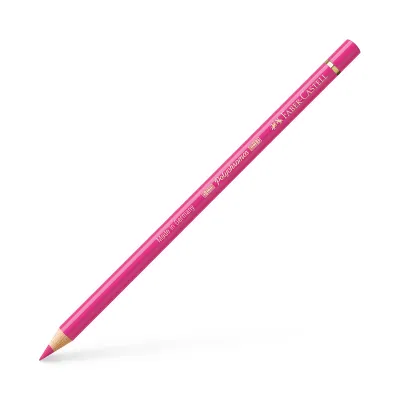
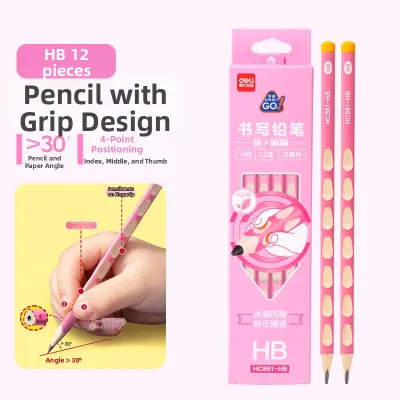
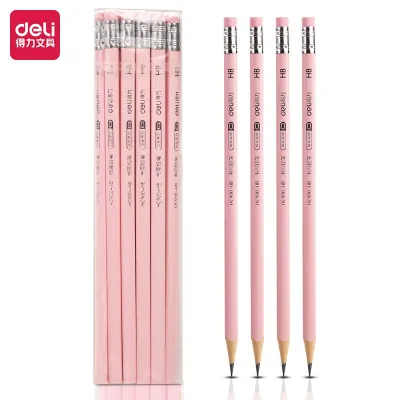
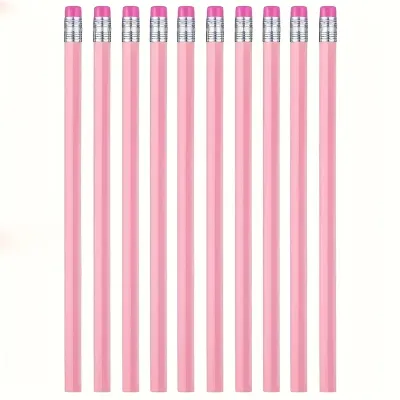
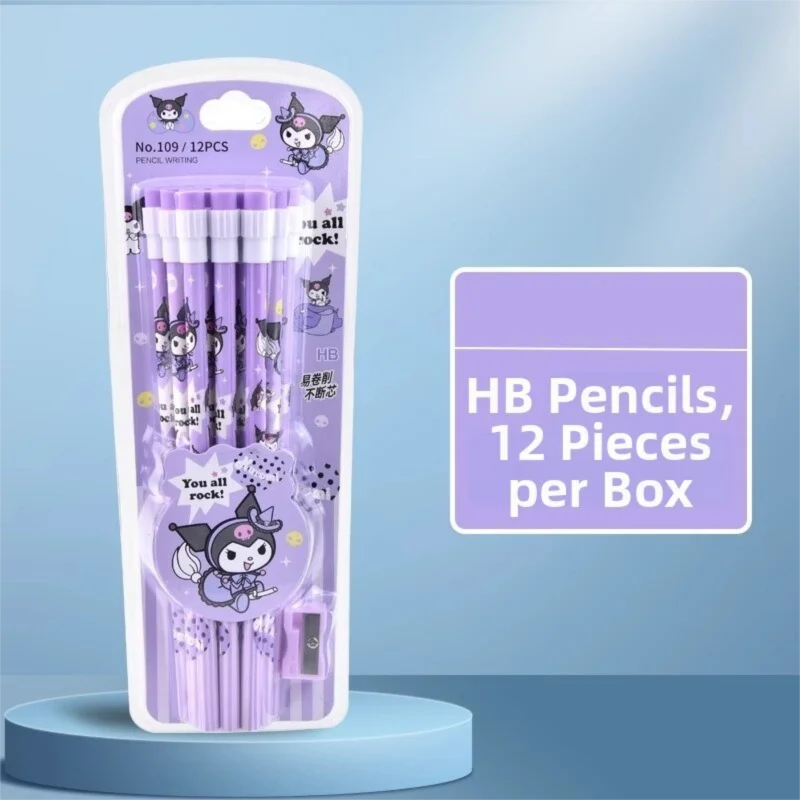
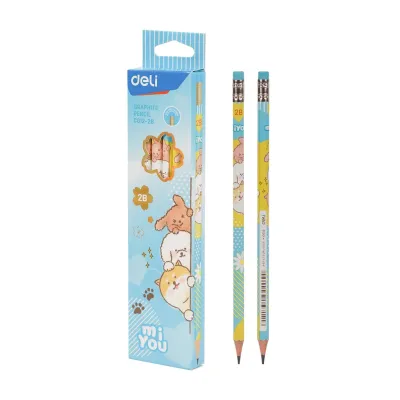
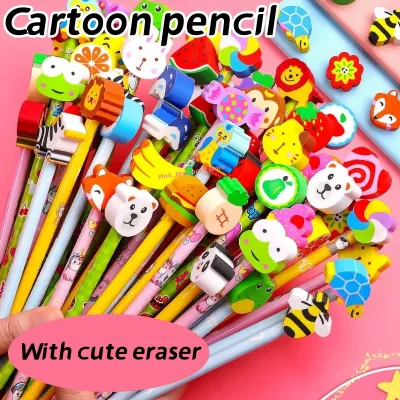
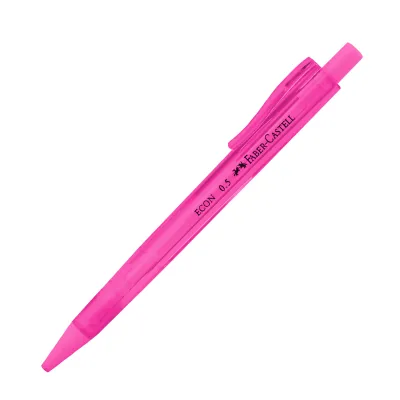
Prices are valid at publication and may change. Please refer to the product page for the latest price.
For journaling, the primary requirements are visual appeal, smooth writing, and minimal smudging. Journal enthusiasts often use their pink pencils for color-coding, drawing borders, or writing daily reflections in compact planners. Because journals are frequently opened, closed, and carried around, the markings must resist transferring to the opposite page. A hard, wax-based colored pencil or a fine-tip mechanical pencil with smudge-resistant lead is typically ideal for keeping your pages clean and legible over time.
Art and sketching demand high pigment quality, excellent blending capabilities, and a range of lead hardness. If you are using a pink pencil for illustration, you need a core that can lay down rich, saturated color without scratching the paper fibers. Artists require pencils that allow for layering, where multiple shades of pink can be built up to create depth, shadows, and highlights. The lead must be soft enough to transfer pigment easily but durable enough to hold a point when rendering fine details.
Schoolwork demands durability, erasability, and ergonomic comfort for long writing sessions. Students need a pencil that can withstand the pressure of rapid note-taking and the occasional drop onto hard classroom floors. Erasability is paramount, as mistakes must be corrected quickly and cleanly during exams or homework. For these tasks, a standard graphite pencil with a pink barrel or a sturdy mechanical pencil with a comfortable grip ensures that your hand does not tire during extended study periods.
In the Philippines, the high relative humidity can make standard notebook paper feel slightly damp or soft. This environmental factor means that a pencil with a very soft lead might smudge more easily than it would in a drier climate. Therefore, identifying your primary use case also involves considering where you will be writing—whether in an air-conditioned office or a naturally ventilated classroom.
Core Features to Evaluate in Pink Pencils
To make an informed purchase, you should evaluate several technical and physical attributes on product labels, packaging, or online descriptions. These specifications determine how the pencil performs under different writing pressures and environmental conditions.

The lead type and grade form the foundation of any pencil’s performance. Standard graphite pencils use the HB or 2B grading system, where “H” stands for hardness and “B” stands for blackness. For everyday writing and schoolwork, an HB or 2B lead offers the best balance of darkness and erasability. Colored pencils, on the other hand, utilize wax-based or oil-based cores instead of graphite. Mechanical pencils require separate lead refills, which are categorized by diameter, such as 0.5mm for fine lines or 0.7mm for general writing.
Barrel material and ergonomics directly affect your comfort and control. Traditional wooden pencils are typically made of cedar or basswood, which should sharpen smoothly without splintering. The shape of the barrel—whether triangular, hexagonal, or round—plays a significant role in hand fatigue. Triangular barrels encourage a proper finger grip and prevent the pencil from rolling off slanted school desks, while hexagonal barrels offer classic control. The weight balance is also crucial; a pencil that is too top-heavy can strain your hand during long writing sessions.
Erasability and smudge resistance are critical, especially in the humid climate of the Philippines. High humidity can soften paper fibers, making graphite and colored pigments more prone to smearing across the page. When evaluating a pink pencil, look for manufacturer descriptions regarding lead binding and smudge resistance. Wax-based colored pencils tend to resist water and smudging better than chalky pastel pencils, while high-quality polymer leads in mechanical pencils offer cleaner lines that erase without leaving dark shadows behind.
When evaluating mechanical pencils, the internal clutch mechanism is just as important as the lead itself. Brass clutches generally hold the lead more securely and last longer than plastic clutches, preventing the lead from sliding back into the sleeve when you apply pressure. Additionally, check if the pencil features a retractable tip sleeve, which protects the metal tip from bending if the pencil is dropped onto a hard surface.
Matching Pencil Types to Your Tasks
Understanding the structural differences between pencil categories helps you narrow down your options. Each type of pink pencil serves a specific purpose, from everyday writing to professional-grade illustration.
Graphite Pencils with Pink Barrels
Standard writing pencils with a pink exterior are excellent for schoolwork and daily journaling. These pencils feature a traditional graphite core, usually graded HB or 2B, encased in a painted wooden barrel. They allow you to enjoy a bright, aesthetic pink design on your desk while maintaining the classic writing experience required for exams, forms, and general note-taking.
When choosing a graphite pencil with a pink barrel, pay close attention to the quality of the wood casing and the built-in eraser. High-quality wood ensures that the pencil sharpens evenly without breaking the inner graphite core. The eraser should be soft and non-abrasive, removing graphite marks cleanly without tearing the paper or leaving pink streaks behind. These pencils are highly versatile, affordable, and widely accepted in academic environments.
Many students and professionals prefer graphite pencils with pink barrels because they combine a playful aesthetic with reliable utility. When examining these pencils, look at the centering of the lead within the wooden casing. An off-center lead will wear down unevenly and break frequently during sharpening, regardless of how high-quality the graphite is. A well-centered lead ensures that you can use the pencil down to its very last centimeter without frustration.
Pink Colored Pencils for Art and Journaling
Pink colored pencils are designed specifically for adding vibrant color, shading, and artistic highlights to your pages. These pencils do not contain graphite; instead, their cores consist of pigments mixed with wax or oil binders. The choice between wax-based and oil-based cores depends on your preferred artistic style and the paper you use.
Wax-based pink colored pencils are generally softer, allowing for smooth, buttery application and easy blending. They are excellent for filling in large areas of color in journals or sketchbooks, though they can develop a cloudy “wax bloom” if applied too heavily. Oil-based pink pencils have a harder core that holds a sharp point longer, making them ideal for fine details, clean outlines, and precise cross-hatching. They resist smudging exceptionally well, which is a major advantage for keeping journal pages pristine.
For those focusing on art, the lightfastness of the pink pigment is another crucial consideration. Lightfastness refers to how well the color resists fading when exposed to sunlight over time. While this may not be a major concern for a closed journal, it is vital for artwork that will be framed and displayed on a wall. Look for pencils that specify their lightfastness ratings on the barrel or packaging to ensure your pink hues remain vibrant for years to come.
Pink Mechanical Pencils for Precision Work
For users who prefer consistent line widths and want to avoid the hassle of manual sharpening, a pink mechanical pencil is the ultimate tool. These devices feature a plastic or metal body in various shades of pink, utilizing a click mechanism to advance thin lead refills. They are highly favored for technical drawing, precise journaling, and neat school notes.
When selecting a mechanical pencil, consider the lead thickness and the grip design. A 0.5mm lead is perfect for small handwriting and intricate details, while a 0.7mm lead is sturdier and less likely to snap under heavy writing pressure. Look for models with rubberized or textured grip zones to prevent your fingers from slipping, especially during hot afternoons. The availability of lead refills in local stores is also an important factor to ensure long-term usability.
Mechanical pencils also offer the advantage of customizable lead hardness. Even if you purchase a pink mechanical pencil that comes pre-loaded with standard HB lead, you can easily swap it out for a softer 2B lead for darker lines, or a harder H lead for precise drafting. This flexibility makes mechanical pencils incredibly versatile, allowing you to adapt the same pink tool to different tasks simply by changing the refill.
Verifying Quality and Making the Purchase
Whether you prefer shopping in physical stationery stores in the Philippines or browsing online marketplaces, taking specific verification steps ensures you receive a high-quality product.
When shopping in-store, take advantage of tester sheets if they are available. Gently scribble on a scrap piece of paper to check for lead breakage, scratchiness, and color payoff. A quality pencil should glide smoothly without catching on the paper fibers or producing a gritty sound. For colored pencils, apply varying levels of pressure to see how easily the pink pigment transfers to the page and how well it erases with a standard vinyl eraser.
If you are purchasing online, verify the authenticity of the seller by looking for official brand flags or highly rated preferred seller badges. Read recent user reviews specifically looking for mentions of lead breakage during shipping or issues with smudging. Be cautious of extremely cheap bulk packs, as they often feature brittle leads that break repeatedly during sharpening. Check the seller’s return policy to ensure you can get a replacement if the pencils arrive damaged or broken.
When purchasing online, pay close attention to how the seller packages their items. Pencils are fragile, and rough handling during transit can shatter the internal lead of wooden pencils, making them impossible to sharpen without the core falling out. Look for reviews that praise the seller’s use of bubble wrap or sturdy cardboard boxes. If you receive a pencil that seems to break constantly when sharpened, it is highly likely that the lead was fractured during shipping.
Paper compatibility is the final piece of the puzzle. The performance of any pink pencil is heavily influenced by the weight and texture of your paper. Lightweight notebook paper (around 50 to 70 gsm) is prone to tearing under heavy pencil pressure and may cause colored pencils to smudge easily. For journaling and art, look for notebooks or sketchbooks with a paper weight of 100 gsm or higher. Smoother paper textures are excellent for mechanical pencils, while slightly textured or “toothy” paper helps colored pencils grab and hold pigment more effectively.
Frequently Asked Questions (FAQ)
How do I prevent my pink colored pencil from smudging in my journal?
To minimize smudging, start by choosing a pink colored pencil with a harder, oil-based core rather than a soft, wax-based one. When writing or coloring, place a clean sheet of scrap paper under your hand to prevent your palm from dragging oils and moisture across the page. If you are working on a highly pigmented art piece inside your journal, you can apply a light coat of workable fixative spray designed for dry media. Ensure you spray it in a well-ventilated area and let it dry completely before closing the journal. Alternatively, placing a sheet of translucent glassine paper between the pages will protect your work from transferring to the opposite side.
Can I use standard pink graphite pencils for professional art sketching?
While standard pink graphite pencils with an HB or 2B core are excellent for initial rough sketches and layout lines, they are generally not sufficient for professional-grade art. Professional sketching requires a wide range of lead grades, from very hard (such as 4H) for light guidelines to very soft (such as 6B or 8B) for deep, rich shadows. Standard school pencils are limited to a single mid-range grade, which restricts your ability to create high-contrast values. Additionally, professional art pencils are manufactured with higher-purity graphite and superior wood casings, ensuring consistent texture and archival longevity that standard school supplies cannot guarantee.

Community discussion
Share your experience or ask a question. Comments are reviewed before publication.