
Selecting the right 100-day saving envelope is a practical step toward achieving your financial goals, whether you are building an emergency fund, preparing for a holiday, or saving for a major household purchase. The ideal envelope system depends on your tracking preferences, how you handle your money, and the environment where you store your savings. By matching the physical design of the envelope to your daily habits, you can maintain your motivation and ensure your cash remains secure throughout the challenge.
For those who prefer physical cash stuffing, durability and environmental protection are paramount. In tropical climates with high humidity, paper envelopes can absorb moisture from the air, which may lead to mold, tearing, or damage to the banknotes inside. Conversely, if you primarily save digitally and only want a visual tracker to log your progress, lightweight paper cards or gamified scratch-off systems offer a highly satisfying way to watch your savings grow without the bulk of physical cash storage.
Quick Guide: Matching Envelope Types to Your Savings Style
To help you find the perfect match for your budgeting routine, it is helpful to categorize the available options based on how you plan to interact with your savings daily. The table below outlines the primary envelope types, their ideal users, and the key factors you should consider before making a purchase.
Products mentioned in this guide
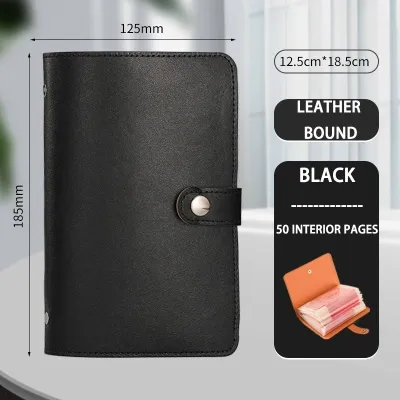
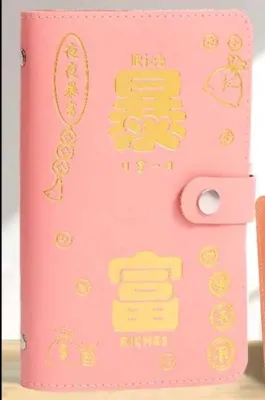
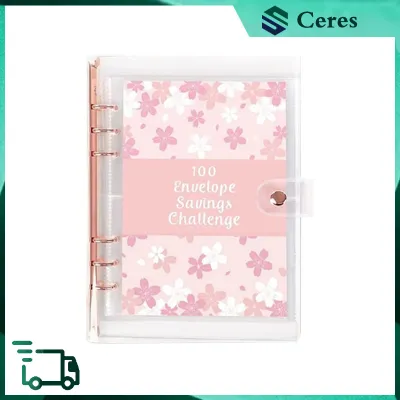
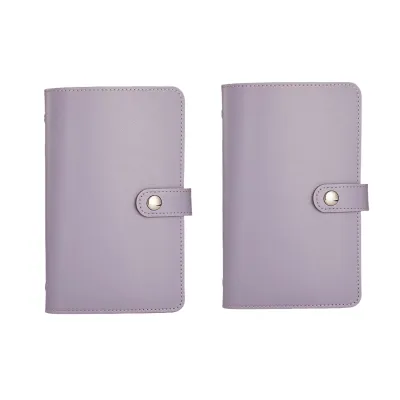
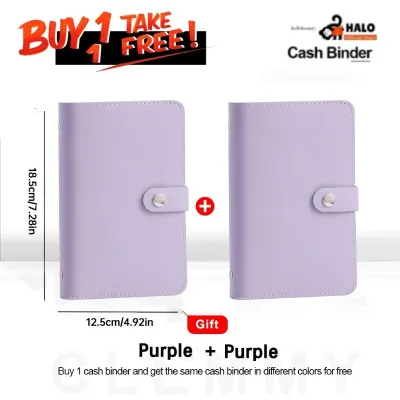
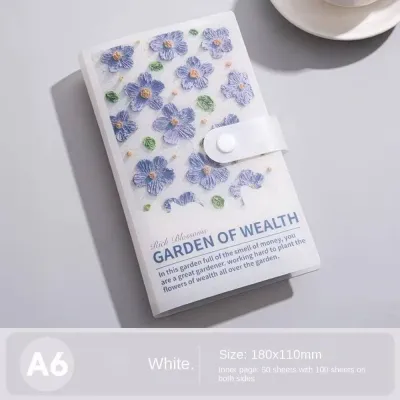
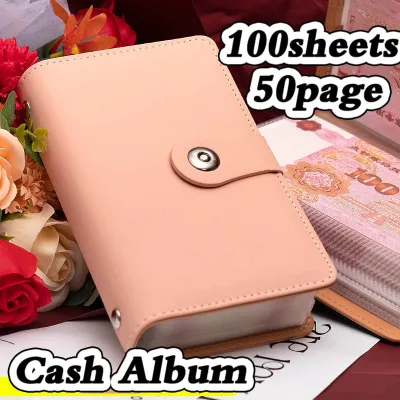
Prices are valid at publication and may change. Please refer to the product page for the latest price.
| Envelope Type | Best Suited For | Key Decision Factors | Primary Benefit |
|---|---|---|---|
| PVC Cash Stuffers | Physical cash savers, daily budgeters | Zipper durability, seam strength, material thickness | Maximum protection against moisture and wear |
| Paper Tracker Cards | Digital savers, visual loggers | Paper weight (GSM), ink compatibility, print clarity | Lightweight, easy to write on, highly customizable |
| Binder Inserts | Budgeting binder enthusiasts | Ring configuration (e.g., 6-hole), ring capacity, size | Organized, expandable, integrates with existing systems |
| Scratch-Off Trackers | Gamified savers, surprise seekers | Coating quality, scratch resistance, single-use nature | High engagement, element of surprise |
When choosing between these options, consider your primary savings method. If you enjoy the tactile experience of counting physical bills, a durable PVC system will protect your money from wear and tear. If you prefer keeping your money in a high-yield savings account and simply want a physical reminder of your progress on your desk, a paper-based tracker card or a scratch-off board is an excellent, space-saving alternative.
Material Choice: Paper Envelopes vs. PVC Cash Stuffers
The material of your saving envelope directly affects its longevity, usability, and ability to protect your hard-earned money. Paper envelopes are a classic choice, offering a lightweight and highly customizable canvas for your savings journey. They are exceptionally easy to write on with standard ballpoint pens, gel pens, or markers, allowing you to jot down dates, notes, or motivational quotes directly on the surface. However, paper has inherent limitations when used for storing physical cash over a 100-day period. In humid tropical environments, paper naturally absorbs moisture from the surrounding air, which can soften the envelope, weaken the adhesive seams, and potentially cause mold to develop on both the envelope and the banknotes. Furthermore, frequent opening and closing of paper flaps can lead to tearing, especially if you are inserting thick stacks of bills.

PVC and plastic zipper envelopes offer a robust alternative designed to withstand daily handling and environmental challenges. These envelopes are typically made from flexible, water-resistant plastic that shields your cash from accidental spills, humidity, and dust. When evaluating PVC cash stuffers, pay close attention to the construction quality. Look for reinforced seams along the edges, as cheap plastic can split when stuffed with multiple banknotes. The zipper mechanism is another critical point; slide zippers should glide smoothly without catching, and press-seal closures must snap shut securely to prevent bills from slipping out. While PVC is highly durable, writing directly on it requires specialized permanent markers, and standard ink may smudge if not allowed to dry completely.
For budgeters who want the best of both worlds, hybrid options provide an excellent compromise. These systems feature paper tracker cards designed to slide neatly inside clear PVC sleeves. This configuration allows you to enjoy the smooth writing experience and clear visual progress of paper while keeping the actual banknotes protected inside a water-resistant plastic barrier. It also allows you to reuse the plastic sleeves for future challenges simply by replacing the paper insert.
Regardless of the material you choose, verifying the physical dimensions of the envelope is essential. Standard banknotes, such as Philippine Peso bills, measure approximately 160 mm in length and 66 mm in width. If your envelopes are too small, you will be forced to fold your bills multiple times to make them fit. Repeatedly folding banknotes increases the thickness of the stack rapidly, putting strain on the envelope seams and binder rings. It also degrades the quality of the paper bills, making them bulky, difficult to count, and prone to tearing at the creases. Look for envelopes that allow bills to lie flat or require only a single, gentle fold to ensure your savings remain neat and easy to manage.
Tracking Mechanisms: Punch Cards, Scratch-Off, and Blank Logs
The visual design of your tracker plays a significant role in keeping you motivated over the course of 100 days. Punch cards and bubble trackers are highly popular for structured savings goals, particularly when you plan to save a fixed amount daily or weekly. These trackers feature pre-printed circles or shapes representing each day of the challenge. Every time you complete a deposit, you use a standard hole puncher to clip the corresponding bubble or color it in with a marker. This method provides immediate, tactile satisfaction and a clear, unalterable record of your progress. When selecting a punch card, ensure the paper is thick enough to withstand the physical clipping without tearing adjacent bubbles.
Scratch-Off cards introduce a gamified element to your savings routine, making each day feel like a mini-lottery. These cards feature pre-printed savings amounts covered by a silver or gold scratch-off coating. Each day, you use a coin to reveal the amount you need to save, adding an element of surprise and excitement to the process. This format is highly engaging for individuals who struggle with the monotony of traditional saving. However, scratch-off trackers are strictly single-use, and the scratching process generates small debris that you will need to clean up. Additionally, because the coating is removed permanently, you cannot easily reset the card if you make a mistake or wish to restart the challenge.
Blank logs and grid trackers offer the ultimate flexibility for savers whose income fluctuates or who prefer to set their own daily targets. These trackers consist of empty grids or lines where you write down the exact amount you save each day. This format is ideal if you want to save larger amounts on paydays and smaller, symbolic amounts on leaner days. Because you write the numbers yourself, you can customize the total savings goal to fit your exact budget, whether your target is ₱5,000 or ₱50,000. The primary challenge with blank logs is maintaining the discipline to fill them out consistently without the visual guidance of pre-printed numbers.
When choosing any paper-based tracking mechanism, it is crucial to check the paper weight, measured in grams per square meter (GSM). Standard printer paper is typically around 70 to 80 GSM, which is highly prone to ink bleeding and feathering, especially when using gel pens, fine-liners, or highlighters. For a clean and professional look, look for trackers printed on cardstock or heavy paper of at least 120 GSM to 150 GSM. This thickness ensures that your writing does not bleed through to the reverse side, keeping your tracker legible and neat. If you plan to use markers or water-based brush pens, conducting a small test on an inconspicuous corner of the paper will help you verify its ink compatibility and drying speed before you begin the challenge.
Storage Format: Loose Envelopes vs. Binder Inserts
How you organize and store your envelopes determines how easily you can integrate the 100-day challenge into your daily life. Loose or standalone envelopes are highly versatile and require minimal initial setup. You can store them in a secure drawer, a dedicated cash box, or even carry a few in your daily wallet. This format is excellent for minimalists who do not want to carry a bulky binder or who prefer to keep their savings hidden away discreetly. The main drawback of loose envelopes is organization; without a central binding system, it is easy to misplace individual envelopes or lose track of the chronological order of your savings days.
Binder inserts, typically designed for A6 or A5 size binders, offer a highly organized and popular solution for stationery and budgeting enthusiasts. These inserts feature pre-punched holes along the margin, allowing you to secure them inside a multi-ring binder. This setup keeps all 100 days of your challenge neatly bound in a single, book-like format, making it easy to flip through your progress and audit your savings. When purchasing binder inserts, it is critical to verify the hole-punch configuration. A standard A6 budgeting binder usually requires a 6-hole insert, but spacing can vary between brands. Measure the distance between the rings on your existing binder to ensure compatibility. Additionally, consider the ring capacity of your binder; storing 100 individual plastic sleeves filled with physical banknotes will create significant bulk, so you may need a binder with larger rings or opt to store only a portion of the envelopes at a time.
Accordion folders and multi-pocket organizers represent a practical middle ground between loose envelopes and binders. These compact organizers feature multiple expanding pockets under a single protective flap, allowing you to group your 100-day challenge into smaller, manageable sections, such as ten pockets of ten days each. This format keeps your envelopes organized and protected from dust and moisture while remaining highly portable. It is an excellent choice if you want to keep your savings kit self-contained without the added weight and structure of a traditional ring binder.
Setting Up Your 100-Day Challenge for Success
Before you insert your first banknote or color in your first tracker bubble, taking the time to plan your approach will significantly increase your chances of completing the 100 days successfully. Start by defining your total savings goal and calculating the daily or weekly increments required to reach it. For example, if your goal is to save ₱10,000, you can structure your tracker with a flat rate of ₱100 per day, or use an escalating scale where the amounts start small and gradually increase. Ensure that your chosen tracking card has sufficient physical space for you to write these numbers clearly, especially if you are customizing a blank log.
Establishing a consistent routine is key to building a lasting savings habit. Choose a specific time of day—such as right after you check your daily expenses or before you go to bed—to update your envelope and log your progress. Keep your savings kit, including your envelope, a dedicated pen, a coin for scratch-offs, or a hole puncher, in a designated, easily accessible location. When your tools are kept together, the friction of starting the daily task is minimized, making it much easier to stay consistent.
It is entirely normal to miss a day or encounter unexpected expenses during a 100-day challenge. Instead of viewing a missed day as a failure and abandoning the challenge, build flexibility into your plan from the beginning. If you miss a day, you can simply double up your contribution the following day, or extend your timeline by a few days without penalty. If you are using a flexible blank log, you can write in a smaller amount, such as ₱20, just to keep the daily habit alive without straining your wallet. The ultimate goal is progress, not absolute perfection, and a flexible mindset will help you cross the line.
Frequently Asked Questions (FAQ)
Can I reuse a 100-day saving envelope for multiple challenges?
Yes, many 100-day saving envelopes are designed with reusability in mind, though this depends heavily on the materials and tracking mechanisms you choose. PVC and plastic zipper envelopes are highly durable and can be used repeatedly for years; simply empty the cash at the end of the challenge and start fresh. To make the tracking element reusable as well, look for laminated tracker cards that allow you to write with dry-erase or wet-erase markers, which can be wiped clean with a damp cloth once the 100 days are complete. Alternatively, if you are using standard paper tracker cards, you can write your progress lightly in pencil and erase the marks at the end of the challenge, though repeated erasing may eventually wear down the paper fibers and cause smudging. Single-use formats, such as scratch-off cards or paper envelopes that require physical hole punching, cannot be fully restored and will need to be replaced for your next savings round.
What size envelope do I need for standard banknotes?
To ensure your banknotes fit comfortably without sustaining damage, you should match the envelope dimensions to the size of your local currency. For example, standard banknotes in the Philippines measure approximately 160 mm in length and 66 mm in width. When shopping for cash stuffing supplies, look for envelopes specifically designated as A6 size, which typically measure around 175 mm by 105 mm. This size provides ample clearance on all sides, allowing you to slide bills in and out smoothly without folding them multiple times. Avoid envelopes that are too narrow, as forcing folded bills into a tight space can cause the paper money to crumple, making it difficult to count and increasing the risk of tearing the envelope seams. If you prefer a highly compact setup, ensure the envelope is at least wide enough to accommodate bills folded exactly in half, which keeps the overall profile neat and manageable.
Community discussion
Share your experience or ask a question. Comments are reviewed before publication.