
Finding the right 100ml acrylic paint in the Philippines requires balancing your artistic experience with the specific demands of your creative projects. The 100ml tube size represents a highly practical middle ground for local artists, crafters, and students. It offers a generous volume of paint that easily outlasts small starter sets, making it ideal for painting medium-sized canvases, executing detailed home crafts, or building a reliable palette of frequently used colors. By understanding how paint formulations interact with our tropical climate and various surfaces, you can select the ideal tubes to elevate your work.
Quick Guide to Choosing 100ml Acrylic Paint
When selecting a 100ml tube, your first decision lies in choosing between student-grade and professional-grade formulations. Student-grade paints are highly accessible and offer a consistent, predictable experience that is perfect for learning color theory and practicing brushwork. Professional-grade paints, on the other hand, prioritize pigment purity and archival longevity, allowing for sophisticated color mixing and textured applications. The right choice depends on whether you are focusing on low-pressure practice, detailed crafting, or creating gallery-ready art.
Beyond the grade of the paint, you must consider three core performance factors: pigment load, lightfastness, and consistency. Pigment load determines the intensity and coverage of the color, while lightfastness dictates how well the paint resists fading under the intense tropical sunlight common in the Philippines. Consistency, ranging from thick heavy-body formulas to fluid paints, determines how the paint flows from your brush and holds its shape on the canvas. A 100ml tube is the perfect size to test these characteristics before investing in larger, more expensive containers.
Products mentioned in this guide
![[100ML] Mont Marte Acrylic Paint](https://img.lazcdn.com/g/p/6393dcb3e5e91089df53f09e892c6948.jpg_400x400q80.jpg_.webp)
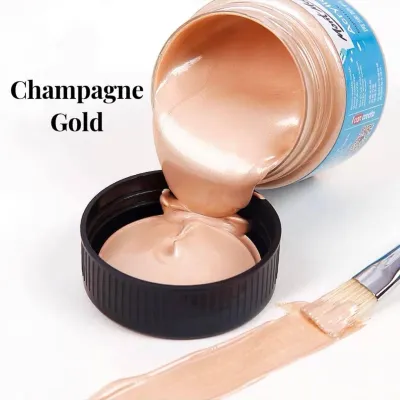
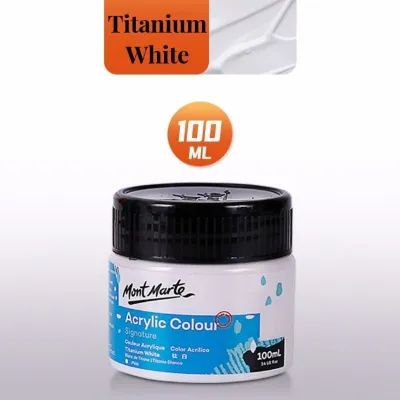
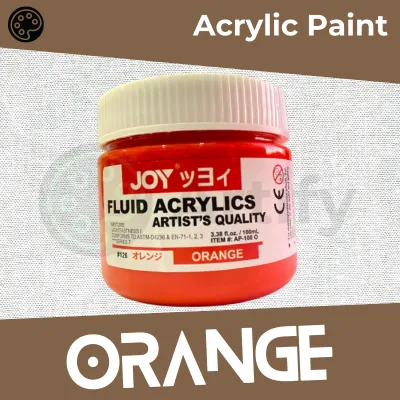

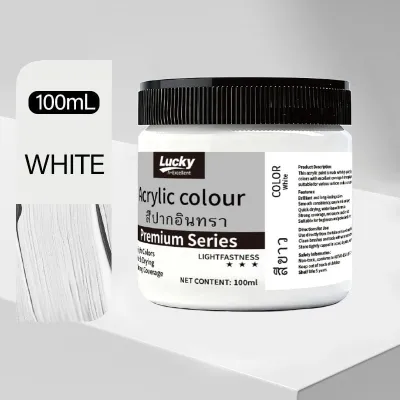
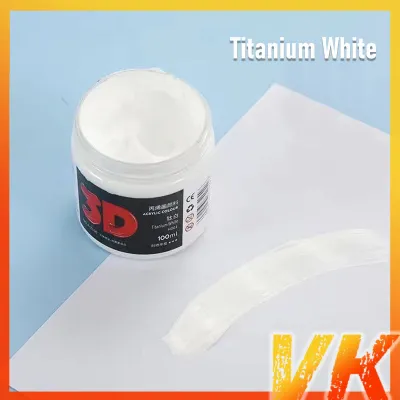
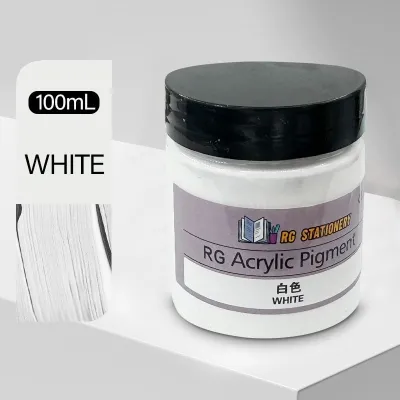
Prices are valid at publication and may change. Please refer to the product page for the latest price.
Student-Grade vs. Professional-Grade Acrylics
To make an informed purchase, it is essential to understand the structural differences between student-grade and professional-grade acrylics. Student-grade acrylic paints are formulated with affordability and ease of use in mind. Manufacturers achieve a lower price point by reducing the concentration of pure pigments and incorporating inert mineral fillers, such as calcium carbonate or barium sulfate. These fillers bulk up the paint and create a uniform, buttery consistency across the entire color range.

One of the primary benefits of student-grade paint is its highly predictable behavior. Because of the high proportion of fillers and standardized binders, almost every color in a student line will dry at a similar rate and exhibit a uniform satin or matte finish. This predictability is incredibly helpful for beginners who are still learning to control their medium. However, the presence of fillers means these paints often experience a noticeable color shift, drying slightly darker or duller than they appear when wet. They are highly recommended for classroom settings, color mixing practice, base coating canvases, and executing large-scale murals where high volume is needed on a budget.
Professional-grade acrylic paints are designed for artists who require uncompromising color purity and archival stability. These formulations contain a significantly higher concentration of finely ground pigments and minimal fillers. Because they lack standardizing additives, different colors within a professional line will behave uniquely. For example, natural earth pigments like raw umber may dry much faster and have a matte finish, while synthetic organic pigments like phthalo blue might dry slower and retain a glossy sheen.
The high pigment load of professional acrylics allows for exceptional color mixing. When you blend two professional-grade colors, the resulting mixture remains vibrant and clean because you are mixing pure pigments rather than a complex cocktail of fillers and multiple cheap colorants. This grade also minimizes color shift, ensuring that the vivid hues you apply to your canvas remain virtually unchanged once dry. Professional paints are the standard choice for fine artists, gallery exhibitions, and commissioned works where the longevity of the artwork is a primary concern.
Balancing your budget when building a paint collection in the Philippines involves strategic purchasing. A single 100ml tube of professional-grade paint can cost significantly more than a student-grade tube of the same size. Instead of buying an entire set of expensive professional paints, consider a hybrid approach. Beginners and intermediate artists can build a solid foundation by purchasing student-grade tubes for most of their palette, while investing in professional-grade tubes for highly critical colors. For instance, buying a professional-grade titanium white is highly beneficial, as white is used in almost every mixture and a high-quality version provides superior opacity and tinting strength.
Matching 100ml Acrylics to Your Project Needs
The success of your project depends heavily on matching the physical consistency of your 100ml acrylic paint to your specific application. For traditional canvas and board painting, heavy-body acrylics are highly favored. These paints have a thick, rich consistency similar to oil paints, allowing you to use palette knives and stiff brushes to create visible textures, impasto effects, and bold brushstrokes. If you prefer a smoother, more blended style, you can easily modify heavy-body paint by mixing it with a gloss or matte medium, or by adding a retarder to slow down the drying process in warm, humid Philippine rooms.
If your passion lies in painting miniatures, scale models, or highly detailed figurines, heavy-body paint can easily clog fine details and leave unsightly brush marks. For these delicate projects, you should look for fluid acrylics or paints formulated with a lower viscosity but a high pigment density. These paints flow smoothly off fine-tipped brushes and self-level as they dry, preserving the intricate details of plastic, resin, or metal models. When working with standard acrylics for miniatures, you will need to practice thinning the paint on a palette using a dedicated acrylic flow improver or distilled water, ensuring the paint remains cohesive without breaking down.
For mixed media art and general crafting, the adhesive properties of your paint are paramount. Acrylic paint is naturally flexible and adheres well to porous surfaces like paper, cardboard, canvas, and unglazed terracotta. However, when painting on non-porous or semi-porous surfaces such as wood, plastic, glass, or fabric, you must evaluate how the paint grips the material. Painting on fabric, for example, requires mixing your acrylic paint with a specialized fabric medium; this ensures the paint penetrates the fibers and remains flexible, preventing it from cracking or peeling when the garment is washed.
Before starting any project, it is crucial to verify surface compatibility by reading the product label carefully. Do not assume that acrylic paint will adhere permanently to any surface without proper preparation. For wood and canvas, applying one or two coats of acrylic gesso is highly recommended to seal the substrate and provide a receptive, slightly textured surface for the paint to grip. For slick surfaces like plastic or metal, sanding the surface lightly and applying a specialized multi-surface primer is necessary to prevent the dried paint film from peeling off like plastic wrap. You can easily verify adhesion by performing a small scratch test on a hidden area or a scrap piece of your material before committing to your final design.
Essential Specs and Label Checks Before You Buy
When browsing local art shops or online marketplaces in the Philippines, reading the technical specifications on a 100ml tube of paint is the best way to guarantee quality. The first specification to check is the lightfastness rating, which indicates how resistant the paint is to fading when exposed to light over time. Most reputable manufacturers use the ASTM International standard. A rating of ASTM I (Excellent) or ASTM II (Very Good) ensures that your artwork will retain its original colors for decades. If you are creating art for sale or exhibition, avoid paints rated ASTM III or those with no lightfastness rating, as they contain fugitive pigments that will fade rapidly under the intense ambient UV light of tropical environments.
Another critical detail on the label is the Pigment Index name, usually represented by a code like PW6 (Titanium White), PB29 (Ultramarine Blue), or PY42 (Yellow Iron Oxide). High-quality paints will list the exact pigments used in the formulation. Whenever possible, look for single-pigment paints, which contain only one pigment code on the label. Single-pigment paints allow for clean, predictable color mixing. In contrast, tubes labeled as “hues” (such as Cadmium Red Hue) are often mixtures of several cheaper synthetic pigments designed to mimic an expensive historical color. While hues are budget-friendly, mixing them with other multi-pigment paints can quickly result in muddy, dull colors.
The binder and additives listed on the tube also dictate the paint’s final appearance and handling. Look for labels that specify a 100% acrylic polymer emulsion binder, which ensures maximum flexibility, water resistance once dry, and strong adhesion. Some brands include additives that alter the natural finish of the paint, offering dedicated matte, satin, or high-gloss lines. If you prefer a specific finish, checking these details on the label saves you the step of applying a separate varnish later, though a final protective varnish is still recommended to shield the painting from dust and humidity.
When purchasing 100ml acrylic paint from online marketplaces, extra vigilance is required to ensure you receive fresh, authentic product. Acrylic paint is sensitive to extreme temperatures; if stored in hot, unventilated warehouses, the acrylic emulsion can break down, leading to irreversible separation or premature drying inside the tube. Before purchasing, read user reviews carefully, looking for complaints about watery paint, hard lumps, or cracked plastic caps. Verify the seller’s authenticity by checking if they are an authorized distributor of art supplies. If you receive a tube where the paint has separated into a clear liquid and a thick paste, try kneading the tube gently to remix it; if it remains chunky or fails to adhere, it has likely expired or been damaged by heat and should be returned.
Frequently Asked Questions (FAQ)
Can I mix student-grade and professional-grade acrylic paints together?
Yes, you can safely mix student-grade and professional-grade acrylic paints because they both utilize a compatible acrylic polymer binder. However, doing so will alter the performance characteristics of the mixture. Blending a highly pigmented professional paint with a student-grade paint will dilute the overall pigment concentration and introduce fillers, which reduces the color’s vibrancy, tinting strength, and potentially its lightfastness.
This mixing technique is highly practical for managing your art budget. For example, you can mix the two grades when blocking in large areas of color, creating underpaintings, or working on initial background washes where absolute color purity is not critical. However, for final layers, delicate glazes, or detailed highlights where you need maximum opacity and archival stability, it is best to use professional-grade paints on their own to ensure the longevity and quality of your artwork.
How long does an opened 100ml tube of acrylic paint last?
An opened 100ml tube of acrylic paint typically has a shelf life of two to five years, depending on how it is stored. In the warm and humid climate of the Philippines, acrylic paint is susceptible to mold growth if organic contaminants or tap water are introduced into the tube. You can easily identify spoiled paint by a sour, unpleasant odor, visible mold spots, or a rubbery, completely hardened consistency that cannot be reconstituted with water.
To maximize the lifespan of your 100ml tubes, always wipe the nozzle and threads clean with a damp cloth before screwing the cap back on to prevent paint from drying and cracking the seal. Ensure the cap is tightened securely to prevent air from entering. Store your paint tubes upright in a cool, dry, and dark container, such as a plastic storage bin, away from direct sunlight and fluctuating household temperatures.
Do I need to buy a full set or individual 100ml tubes?
Deciding between a pre-packaged set and individual 100ml tubes depends on your current experience level and how you plan to use the paint. Pre-packaged sets of smaller tubes (such as 12ml or 20ml) are highly cost-effective for absolute beginners, as they provide a wide spectrum of colors for immediate experimentation. However, for ongoing projects, buying individual 100ml tubes is far more practical and economical in the long run.
A highly recommended strategy is to curate your own palette by purchasing individual 100ml tubes of essential colors. Start with a split-primary palette, which includes a warm and a cool version of each primary color: a warm red, a cool red, a warm blue, a cool blue, a warm yellow, and a cool yellow. Combine these with a large 100ml tube of titanium white and a standard black. This selection allows you to mix an infinite variety of clean, vibrant hues while ensuring you have a generous supply of the colors you will use most frequently.

Community discussion
Share your experience or ask a question. Comments are reviewed before publication.