
The ideal 4mm bead material depends entirely on your project’s durability requirements, weight limits, and budget. While 4mm beads are available in numerous material families, there is no single universal choice. Selecting the right material involves balancing aesthetic goals with physical constraints like weight, hole size, and resistance to environmental factors like humidity.
To make an informed decision, you must evaluate the physical properties of each material family against your specific design goals. A bead that works beautifully for a suncatcher might be too fragile for a daily-wear bracelet, while a budget-friendly option for children’s crafts might lack the premium finish needed for fine jewelry. By understanding the unique characteristics of glass, synthetics, organics, stones, and metals, you can ensure your creations remain beautiful and structurally sound over time.
Key Factors to Consider Before Selecting a Material
Before browsing online marketplaces or local craft stores, define the primary purpose of your project. Daily-wear jewelry, such as friendship bracelets or minimalist necklaces, demands materials that can withstand constant friction, body oils, and frequent cleaning. Occasional-wear accessories or decorative items, on the other hand, allow you to prioritize visual impact over extreme durability.
Products mentioned in this guide
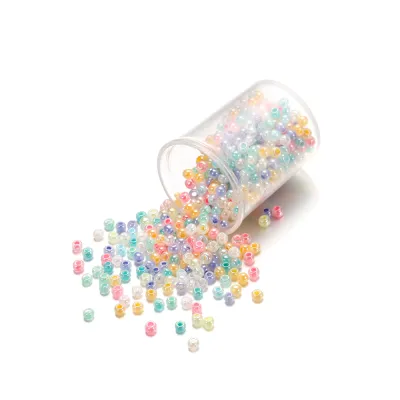
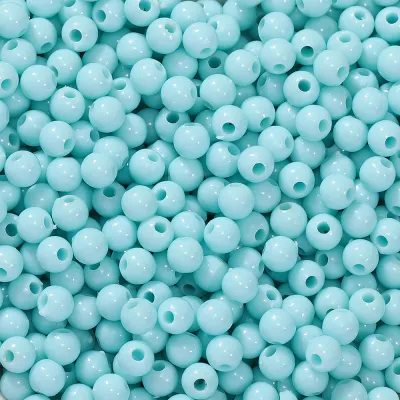
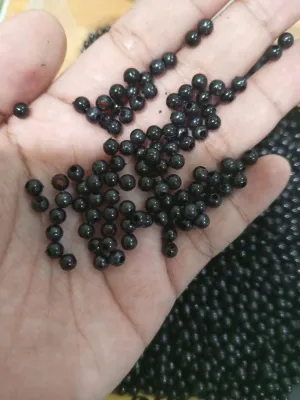
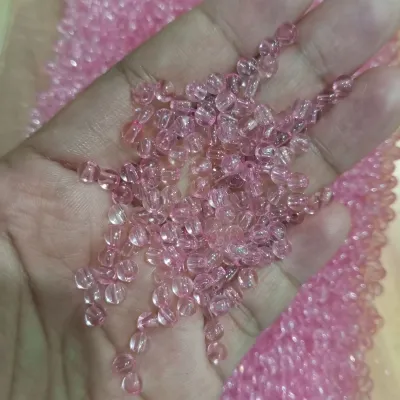
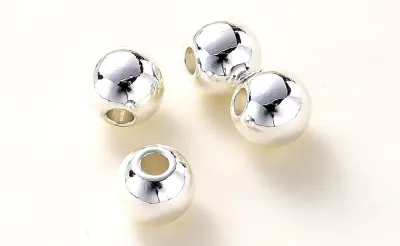
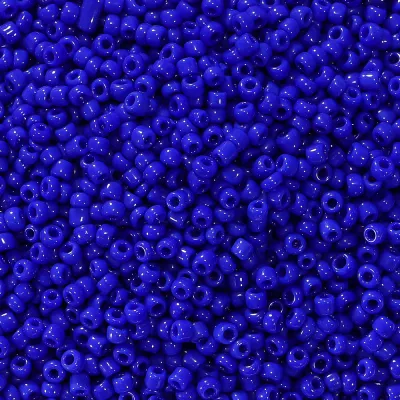
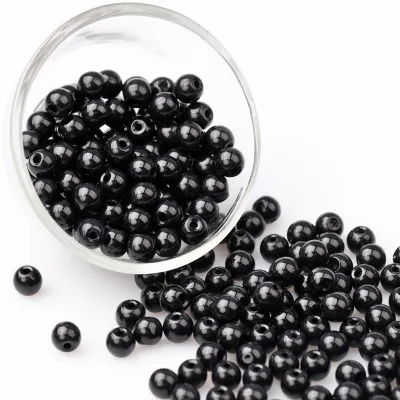
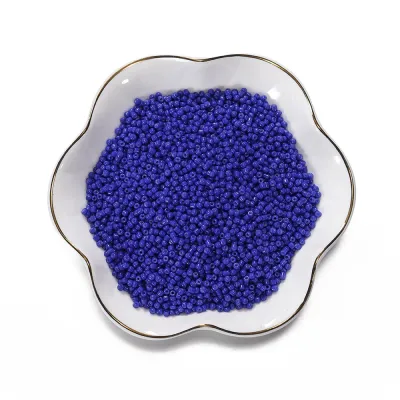
Prices are valid at publication and may change. Please refer to the product page for the latest price.
Weight is another critical constraint, especially when working with 4mm beads in large quantities. While a single 4mm bead feels weightless, hundreds of them strung together can create significant drag on delicate threads or cause earring hooks to pull uncomfortably. You must match the total weight of your beads to the tensile strength of your stringing wire or thread.
Budget constraints also play a major role in your selection. If you are planning a high-volume project, such as a beaded curtain or a workshop for beginners, the cost-per-bead becomes a primary factor. Packs of basic synthetic beads might cost as little as ₱30 to ₱50, whereas genuine gemstone or precious metal beads can quickly elevate the project cost to several hundred pesos.
Finally, consider environmental exposure, particularly if you live in a warm, humid climate. High humidity and sweat can accelerate the tarnishing of metal beads, cause cheap coatings to peel, or make unsealed wooden beads swell and crack. Choosing materials that resist moisture ensures your hard work does not degrade after a few weeks of wear.
Evaluating Common Material Families for 4mm Beads
The market offers an extensive variety of 4mm bead materials, each presenting distinct physical properties, aesthetic qualities, and price points. Understanding these categories helps you narrow down your choices based on performance rather than appearance alone.

Glass and Crystal Options
Glass and crystal 4mm beads are highly favored for their exceptional light refraction and color clarity. Whether you choose uniform seed beads, faceted fire-polished glass, or precision-cut crystals, these materials offer a brilliant shine that synthetic alternatives rarely match. They are highly resistant to fading from UV exposure, making them excellent for items displayed in sunny areas.
However, glass is inherently fragile and heavier than plastic or wood. Dropping a glass-beaded piece on a hard tile floor can result in chipped or shattered beads. When sourcing glass beads, inspect the drill holes carefully; low-quality glass beads often have sharp edges around the holes that can slice through nylon threads or delicate beading wire over time.
Synthetic and Acrylic Options
Synthetic and acrylic beads are the go-to choices for lightweight, budget-friendly, and high-volume crafting. These beads are molded from various plastics, allowing manufacturers to produce them in an almost infinite array of colors, shapes, and finishes, including metallic and pearlescent coatings. They are highly shatterproof, making them exceptionally safe for beginners and children’s activities.
The trade-off for this affordability is susceptibility to wear. Acrylic beads scratch easily, and their surface coatings may flake or rub off when exposed to friction, sweat, or skin lotions. Additionally, prolonged exposure to direct sunlight can cause certain plastics to yellow or become brittle. When purchasing, look closely at the bead seams; high-quality molded synthetics will have minimal, smooth seam lines that do not snag on thread.
Wood and Organic Options
Wood, nut shells, and other organic materials bring an earthy, rustic texture and a natural warmth to jewelry and craft designs. Because they are incredibly lightweight, you can use 4mm wooden beads in large quantities without making the finished piece feel heavy or cumbersome. They also offer a tactile, matte finish that contrasts beautifully with shiny glass or metal.
Because organic materials are highly porous, they absorb moisture, skin oils, and perfume. In humid environments, unsealed wood can harbor moisture, leading to warping or structural weakness. It is essential to verify whether the beads have been treated with a protective sealant. Furthermore, natural materials naturally exhibit variations in grain, color, and hole diameter, requiring you to sort through them to find matching pieces.
Stone and Metal Options
Natural stone and metal alloy beads provide a premium, substantial feel and excellent durability. From semi-precious gemstones like amethyst and jasper to metallic options like brass, stainless steel, or plated copper, these materials add weight and value to any design. They are ideal for creating heirloom-quality jewelry that stands up to years of wear.
The primary consideration here is weight and compatibility. Heavy stone and metal beads require strong stringing materials, such as multi-strand stainless steel wire, and secure clasps to prevent accidental breakage. When shopping, read product labels carefully to distinguish between genuine natural stone and dyed or reconstituted alternatives, which may bleed color when wet. For metal beads, check for tarnish-resistant coatings or opt for stainless steel to prevent discoloration from humidity.
Matching Bead Materials to Specific Project Types
Selecting the right bead material is easier when you align the material’s physical properties with the functional demands of your specific project.
For everyday wear jewelry, such as daily bracelets, anklets, or rings, prioritize durability, skin safety, and moisture resistance. Glass, high-quality stainless steel, and non-porous gemstones are excellent choices because they do not degrade when exposed to sweat, water, or soap. Avoid cheaply plated metals or unsealed wood, which can discolor the skin or deteriorate rapidly under daily wear.
For children’s crafts and educational tools, focus on lightweight, shatterproof, and non-toxic materials. Acrylic and synthetic beads are ideal here because they do not break into sharp shards if dropped or stepped on. Their light weight also makes them easy for small hands to handle, and they are highly cost-effective for group activities.
For home decor, suncatchers, and wind chimes, maximize light refraction and UV stability. Glass and crystal beads excel in these applications because they capture and scatter sunlight beautifully without fading or warping under constant sun exposure. Avoid acrylics for outdoor decor, as the sun will eventually dull their shine and weaken their structure.
For lightweight accessories, such as beaded eyeglass chains, lanyard straps, or delicate drop earrings, managing the overall weight is crucial for comfort. Combining lightweight wood or acrylic beads with occasional glass or stone accents allows you to achieve a high-end look without causing physical strain during prolonged wear.
Inspecting and Verifying Bead Quality Before Purchase
To ensure your crafting process goes smoothly, it is vital to inspect and verify the quality of your 4mm beads before committing to a large purchase.
First, verify the hole diameter of the beads. A 4mm bead typically has a hole size ranging from 0.8mm to 1.2mm, but this can vary significantly between materials and manufacturers. Ensure the hole is wide enough to accommodate your chosen stringing material, especially if you plan to pass the thread through the bead multiple times. If shopping online, check the product specifications carefully; if shopping in-store, bring a sample of your wire or thread to test the fit.
Next, inspect the surface coatings and finishes. For dyed stones, plated metals, or coated acrylics, perform a simple rub test if possible. Gently rub a damp cloth or a cotton swab dipped in rubbing alcohol over a sample bead to check if the dye bleeds or the coating flakes off. Uniformity in color and shape is a key indicator of manufacturing quality.
Always read the manufacturer’s specifications regarding material composition and care instructions. Reliable suppliers will clearly state whether a stone is natural or synthetic, and whether a metal bead is nickel-free or tarnish-resistant. Finally, assess the physical balance of the beads; unevenly drilled holes can cause beads to sit crookedly on a thread, ruining the alignment of your finished design.
Frequently Asked Questions (FAQ)
Can I mix different 4mm bead materials in one project?
Yes, mixing materials can create beautiful textures and visual contrast, but you must balance the physical differences. Ensure that heavier beads, like stone or metal, are distributed evenly so they do not pull the stringing material unevenly or cause it to sag. You also need to choose a thread or wire that fits the smallest hole diameter among your mixed beads while being strong enough to support the heaviest ones.
How do I clean finished jewelry made with mixed bead materials?
When cleaning mixed-material pieces, always cater to the most delicate material in the design. Avoid harsh chemical cleaners, ultrasonic cleaners, or boiling water, which can strip coatings from acrylics, dissolve glues, or damage porous wood and stones. Instead, use a soft, dry microfiber cloth to gently wipe away dust and skin oils. If a deeper clean is necessary, use a slightly damp cloth with mild, diluted soap, wipe immediately with clean water, and dry the piece thoroughly to prevent moisture from trapping inside the beads.
Community discussion
Share your experience or ask a question. Comments are reviewed before publication.