
Choosing your first acrylic paint set is an exciting step, but the sheer variety of options can easily lead to decision fatigue. For a beginner starting their painting journey in the Philippines, the most practical choice is a student-grade acrylic paint set containing a foundational color palette of five to twelve tubes. This essential range should prioritize the primary colors—red, blue, and yellow—along with titanium white and black, which allows you to master the crucial skill of color mixing without being overwhelmed by too many pre-mixed shades.
Student-grade acrylics offer an ideal balance of affordability and workable consistency, making them perfect for practicing brushwork, blending, and layering. When selecting your first set, it is highly recommended to prioritize individual tube capacity over the sheer number of items in the box. Look for sets that offer tubes containing at least 12ml to 22ml of paint, as smaller volumes tend to run out quickly during your initial practice sessions. Additionally, ensure that any bundled accessories, such as brushes, are made of synthetic materials that can withstand the heavy, fast-drying nature of acrylic polymers.
Evaluating Paint Quality, Format, and Color Selection
Understanding the distinction between paint grades is the first step toward making an informed purchase. Acrylic paints are generally categorized into student-grade and artist-grade formulas, each designed for different stages of an artist’s development. Student-grade acrylics are formulated with affordable synthetic or organic pigments and a higher proportion of binders and fillers. This composition keeps the price accessible while providing a smooth, forgiving consistency that is excellent for learning how the paint behaves on various surfaces. While the pigment load is lower than that of professional paints, student-grade options are highly capable of producing vibrant, beautiful work on practice paper and canvas boards.
Products mentioned in this guide
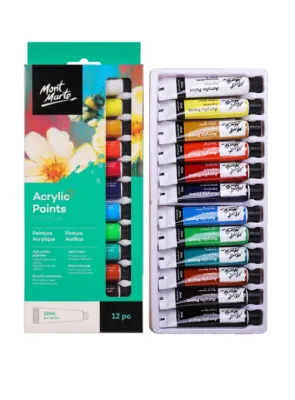
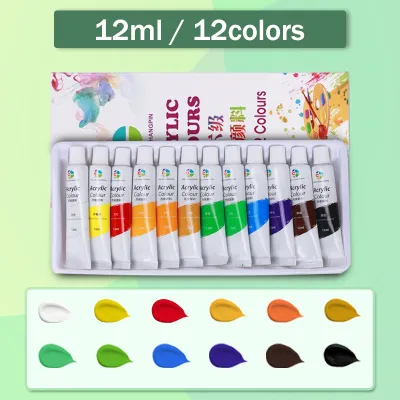
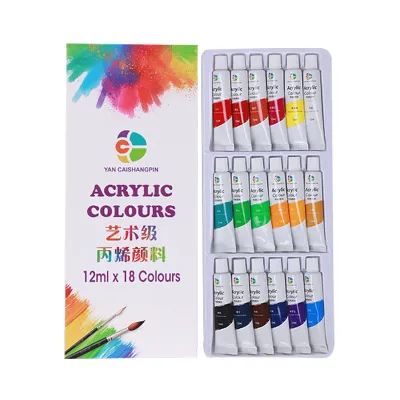
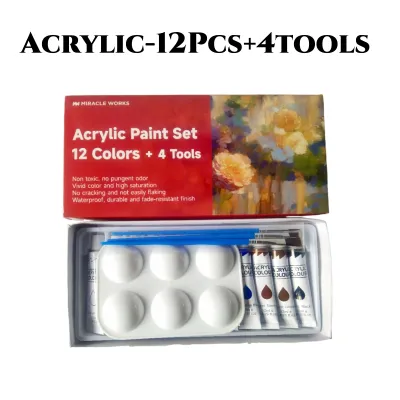
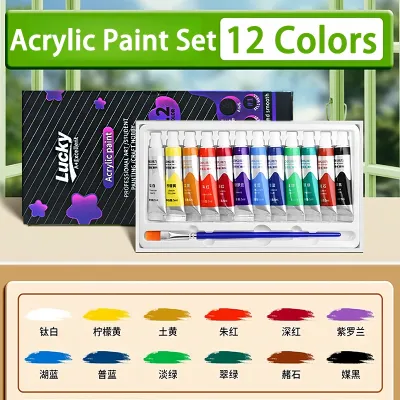
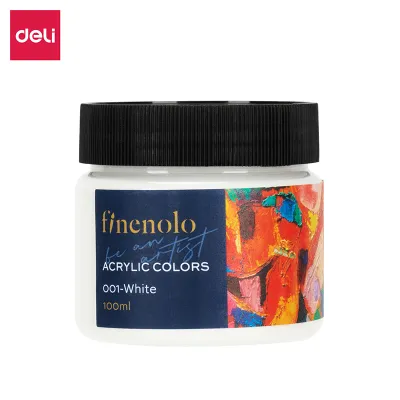
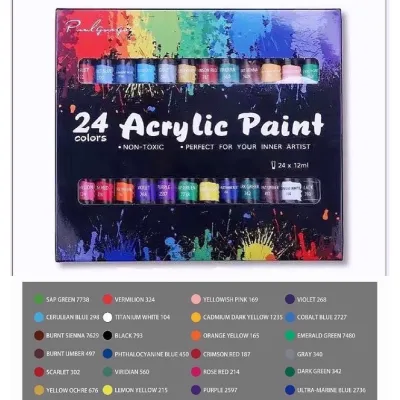
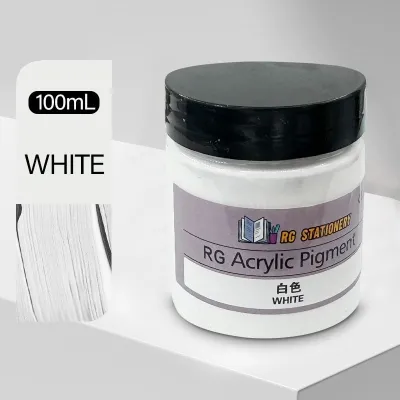
Prices are valid at publication and may change. Please refer to the product page for the latest price.
Artist-grade acrylics, on the other hand, feature a much higher concentration of pure pigments and minimal fillers, resulting in exceptional color depth, superior lightfastness, and a more predictable mixing experience. However, these paints are significantly more expensive and can be intimidating for beginners who need to practice freely without worrying about wasting costly materials. Starting with student-grade paints allows you to make mistakes, experiment with thick applications, and find your style without financial pressure.
The physical format of the paint also plays a major role in your painting experience. Acrylics are most commonly sold in tubes, jars, or pans, with tubes being the most versatile and widely recommended format for beginners. Tubes allow you to squeeze out precise amounts of paint directly onto your palette, keeping the remaining paint sealed and protected from air exposure. This format is ideal for traditional canvas painting, mixing custom shades, and experimenting with textured techniques.
Jar formats are occasionally available and are often preferred for large-scale projects or craft applications where you need to dip brushes directly into the container. However, jars expose a large surface area of paint to the air every time they are opened, which can lead to rapid drying and contamination in warm environments. Pan formats, similar to watercolors, are rare for acrylics and are generally limited to highly specialized, water-soluble formulas that do not offer the classic thick texture of traditional acrylic paint.
When it comes to color selection, a common beginner mistake is purchasing a massive set with 36 or 48 pre-mixed colors. While these sets look appealing, they actually hinder your learning process and can lead to muddy, flat paintings. A set focused on a foundational palette—consisting of primary red, primary blue, primary yellow, titanium white, and mars black—is far more valuable for a beginner. Learning to mix your own secondary colors (greens, oranges, and purples) and tertiary shades teaches you how colors interact, how to control color temperature, and how to create cohesive color schemes.
By mastering a limited palette, you develop an intuitive understanding of color theory that will serve you throughout your artistic journey. Once you are comfortable mixing these basic colors, you can gradually add specific pre-mixed shades, like burnt sienna or yellow ochre, to expand your palette based on your preferred subjects.
Assessing Included Tools and Accessories
Many beginner acrylic paint sets are sold as complete kits that include brushes, palettes, knives, and even small canvases. While these all-in-one bundles seem convenient, it is crucial to evaluate the quality of the included accessories to ensure they are actually usable. The brushes included in cheap starter kits are often made with low-grade natural hair or stiff, shedding nylon bristles that lose their shape after a single use. Acrylic paint is a polymer-based medium that is heavy and fast-drying, requiring durable synthetic bristles to apply smoothly and withstand repeated cleaning.

Look for sets that include synthetic brushes—such as golden synthetic or taklon fibers—which offer the right balance of springiness and softness. A basic starter set of brushes should ideally include a flat brush for broad washes, a round brush for detail work, and a filbert brush for soft edges and blending. If the brushes in a bundled kit feel stiff, scratchy, or shed bristles when gently pulled, they will likely frustrate your painting process and should be avoided.
Other accessories commonly found in beginner kits include mixing palettes, palette knives, and painting surfaces. A simple plastic or wooden palette is useful, but you can easily substitute it with a ceramic plate or a homemade wet palette to keep your paints usable for longer periods. A plastic palette knife is a highly valuable tool that is often overlooked; using a knife to mix your colors on the palette preserves your brush bristles and prevents paint from getting trapped in the metal ferrule, which is a common cause of ruined brushes.
Some kits also bundle small canvas panels or pads of acrylic paper. If you are choosing between a paint-only set and a fully bundled kit, calculate the cost difference carefully. In many cases, buying a high-quality, paint-only student set and purchasing your brushes, a plastic palette, and a pad of heavy-weight acrylic paper separately offers much better value and a far superior painting experience. This approach allows you to select synthetic brushes that feel comfortable in your hand and paper that is thick enough (at least 300 gsm) to handle wet acrylic washes without warping.
Matching the Set to Your Painting Goals and Budget
Your choice of an acrylic paint set should align closely with the types of projects you plan to undertake and your overall budget. Acrylics are incredibly versatile, but different creative goals require different paint volumes and characteristics. If your primary goal is art journaling, card making, or painting small wooden crafts, a set of smaller tubes (such as 10ml to 12ml) will provide more than enough paint for numerous projects. These smaller sets are highly portable, easy to store, and allow you to try out a wide variety of colors without a significant upfront investment.
For those who want to paint on stretched canvases, canvas boards, or larger wooden panels, larger tubes (ranging from 20ml to 75ml) are highly recommended. Canvas painting consumes paint quickly, especially when applying base coats or working with thick, textured brushstrokes. Having larger tubes of white and black is particularly important, as these two colors are used in almost every mix to adjust value and tint.
When planning your budget in the Philippines, expect to find a wide range of prices for beginner sets. Basic starter sets can range from around ₱200 for small, budget-friendly kits to ₱1,200 or more for larger, reputable student-grade sets. It is generally wiser to invest your budget in a slightly smaller set of reliable, mid-range student paints rather than a massive, ultra-cheap kit containing dozens of low-quality tubes. Higher-quality student paints offer better consistency, smoother blending, and more predictable drying times, which directly translates to a less frustrating learning experience.
Be cautious of red flags when browsing options, especially when prices seem too good to be true. Extremely cheap sets often suffer from poor quality control, resulting in paints that are watery, excessively chalky, or already partially cured and dried inside the tubes. Vague product descriptions that do not specify the volume per tube, the pigment details, or the manufacturer’s name are also major warning signs. Investing in a recognized student-grade brand ensures that the paint is safe, non-toxic, and formulated to perform consistently on your chosen surfaces.
Pre-Purchase Checklist for Online and In-Store Buying
Whether you prefer the tactile experience of shopping in a physical craft store or the convenience of browsing an online marketplace, taking a few systematic steps before purchasing can save you from receiving unusable or damaged paint.
When shopping in a physical retail store, take the opportunity to inspect the packaging closely. Check that the box is sealed and has not been opened or tampered with, as exposed tubes can easily be damaged or misplaced. If possible, gently squeeze the tubes through the packaging or inspect the caps to ensure they are screwed on tightly and show no signs of leakage or dried paint around the threads. Look for manufacturing or expiration dates printed on the box or the crimp of the tubes; while acrylic paint does not have a strict expiration date, sets that have sat on shelves for several years in warm environments can begin to separate or dry out.
When purchasing from an online marketplace, you must rely on digital indicators to verify the quality and authenticity of the paint set. Start by checking the seller’s overall rating and looking for authorized distributor badges to ensure you are buying genuine products. Read through recent buyer reviews, paying close attention to comments regarding the consistency of the paint upon arrival. Look for reviews that mention whether the paints arrived soft and usable or if they were thick, rubbery, or completely dried out. Be sure to verify the return and refund policies of the online store, especially concerning art supplies, so you can easily exchange the set if it arrives damaged or defective during transit.
Finally, always double-check the product description to confirm the exact contents of the kit. Ensure that the listing explicitly states the volume of each tube in milliliters (ml) rather than just listing the total weight of the package, and verify that all advertised accessories, such as brushes or palettes, are clearly itemized in the product details.
Frequently Asked Questions (FAQ)
Can I mix student-grade and artist-grade acrylic paints later?
Yes, you can absolutely mix student-grade and artist-grade acrylic paints as you expand your collection. Because both grades utilize a compatible acrylic polymer binder, they will blend together smoothly without any chemical separation or adhesion issues.
However, keep in mind that mixing the two grades will alter the overall performance of the paint. Combining a highly pigmented artist-grade paint with a student-grade paint will dilute the pigment intensity and slightly reduce the lightfastness of the final mixture. This is an excellent, cost-effective way to transition your palette, allowing you to gradually replace your most-used student tubes with professional-grade colors as your budget permits.
How do I prevent my acrylic paints from drying out in the tubes?
Preventing your acrylic paints from drying out starts with proper maintenance during and after each painting session. Before screwing the cap back onto a tube, always use a clean, damp cloth or paper towel to wipe away any excess paint from the threaded neck of the tube. If paint is left on the threads, it will dry and create a permanent seal, making the tube incredibly difficult to reopen and allowing air to slowly seep inside, curing the remaining paint. Ensure the cap is screwed on straight and tightened securely to maintain an airtight seal.
In the tropical climate of the Philippines, where high temperatures and humidity can accelerate the drying process, storage conditions are critical. Store your paint tubes in a cool, dry drawer or a plastic storage bin away from direct sunlight, windows, and heat sources. Avoid storing your paints in hot areas like attics or metal sheds, as extreme heat can cause the acrylic binder to separate from the pigments, permanently ruining the consistency of your paint.
Community discussion
Share your experience or ask a question. Comments are reviewed before publication.