
Selecting the right clay air dry formula is the single most important decision you will make for your crafting project, directly dictating how easily you can shape your piece, how long it takes to dry, and whether the finished item will survive over time. Unlike traditional ceramic clays that require a high-temperature kiln, air-dry clays cure at room temperature through the simple evaporation of water. However, because these clays do not undergo chemical vitrification in a kiln, their structural properties, shrinkage rates, and moisture sensitivities vary dramatically depending on their base ingredients. To choose the perfect clay, you must evaluate your project’s required level of detail, its physical size, and its intended functional environment.
In the tropical climate of the Philippines, environmental factors play an exceptionally large role in the air-drying process. High ambient humidity can significantly extend drying times, while sudden temperature shifts can cause uneven drying and surface cracks if the clay is not managed correctly. By understanding the distinct material behaviors of cellulose, earthen, and polymer-resin formulations, you can select a clay that works with your local environment rather than against it, ensuring your hard work results in a durable, beautiful piece of art.
Air-Dry Clay Types and Their Core Properties
The world of air-dry clay is broadly divided into three primary formulations, each defined by its base material: cellulose-based, earthen- or ceramic-based, and polymer-resin-based. Cellulose-based clays are formulated with paper fibers or wood pulp mixed with a binding agent and water. This composition makes them incredibly lightweight, soft, and slightly spongy to the touch, resembling a dense marshmallow texture when wet. Because they contain a high volume of water trapped within the fibrous network, they naturally experience the highest shrinkage rates during the drying process, which can lead to warping if thin sections are not supported.
Products mentioned in this guide
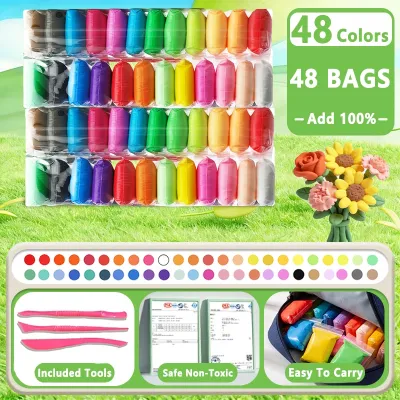
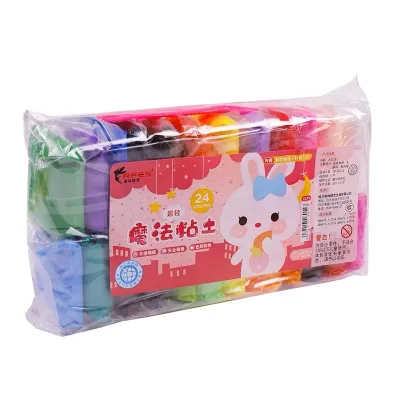
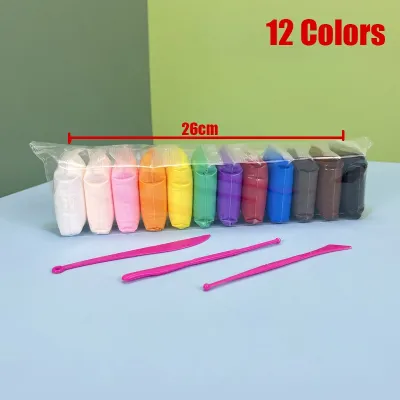
![Jovi Air Dry Clay - White 1000g [2286]](https://img.lazcdn.com/g/p/db9cc8e716da206931c23fd9db9fb7d8.jpg_400x400q80.jpg_.webp)
Prices are valid at publication and may change. Please refer to the product page for the latest price.
Earthen- or ceramic-based air-dry clays are composed of natural clay minerals, similar to the earth used in traditional pottery, but are modified with air-curing binders. These clays are dense, heavy, and highly plastic, meaning they hold their shape exceptionally well under pressure. When wet, they feel cool and smooth, allowing you to manipulate them with standard pottery tools. As they dry, the water evaporates from between the mineral platelets, causing a moderate amount of shrinkage. Once fully cured, they dry to a hard, stone-like finish that is highly rigid but can be brittle if dropped or sculpted too thinly.
Polymer-resin-based air-dry clays, often referred to as cold porcelain or resin clays, utilize synthetic polymer resins as their primary binding agent. These clays are incredibly smooth, highly elastic, and can be rolled out into paper-thin sheets without tearing. They have the lowest shrinkage rate of all three types because the resin structure holds its shape tightly as the minimal water content evaporates. Upon curing, polymer-resin clays do not become brittle; instead, they retain a slight, rubbery flexibility that makes them highly impact-resistant and durable.
| Clay Type | Best For | Detail Level | Shrinkage Rate | Sanding/Painting Compatibility |
|---|---|---|---|---|
| Cellulose-Based | Large sculptures, lightweight crafts, school projects | Low to Medium | Moderate to High (5% to 15%) | Poor sanding (fibers fray); accepts acrylic paint well |
| Earthen/Ceramic-Based | Detailed sculptures, miniatures, pottery-style vessels | High | Moderate (5% to 8%) | Excellent sanding; accepts acrylics, watercolors, and gouache |
| Polymer-Resin-Based | Jewelry, delicate flowers, small durable accessories | Very High | Low to Minimal (1% to 3%) | Good sanding; accepts acrylics, oil paints, and alcohol inks |
How to Match Air-Dry Clay to Your Project Needs
Choosing the right clay air dry product requires matching the physical properties of the material to the specific structural and aesthetic demands of your project. By analyzing three critical dimensions—detail, size, and intended use—you can narrow down your options and avoid common crafting pitfalls like cracking, drooping, or structural failure.

Selecting by Detail Level and Texture
The mineral composition of your clay directly determines how much detail it can hold. Earthen and ceramic-based clays consist of microscopic mineral particles that pack tightly together under pressure. This dense micro-structure allows you to carve incredibly sharp lines, press intricate textures, and stamp fine patterns into the surface without the clay crumbling or tearing. If your project involves sculpting realistic human features, detailed animal fur, or miniature architectural elements, these dense clays are your best option because they hold clean, sharp edges throughout the drying process.
Conversely, cellulose-based clays are structurally limited by their fibrous content. The paper pulp fibers embedded in the clay create a slightly textured, organic surface that resists ultra-fine detailing. When you attempt to carve intricate lines or press fine stamps into cellulose clay, the fibers tend to drag, tear, or pull away, leaving fuzzy, soft edges. While this makes them unsuitable for crisp, mechanical designs or high-precision miniatures, it makes them excellent for rustic, hand-textured crafts, organic shapes, and projects where a smooth, porcelain-like finish is not required.
Selecting by Project Size and Armature Needs
When planning a large-scale sculpture, weight and drying physics become your primary challenges. Dense earthen-based clays are heavy; if you attempt to build a large, solid sculpture out of them, the sheer weight of the wet clay can cause the structure to sag, collapse, or warp before it has a chance to dry. Furthermore, as a thick piece of dense clay dries, the exterior cures and shrinks much faster than the moist interior. This differential shrinkage creates immense physical tension, resulting in deep, structural cracks that can ruin your sculpture.
To build large items successfully, you must use lightweight materials or construct an internal skeleton called an armature. For voluminous projects, cellulose-based clays are highly advantageous because their low density keeps the overall weight manageable. Regardless of the clay type, any sculpture thicker than one inch should be built around an armature made from non-absorbent materials like aluminum foil, wire mesh, or crumpled paper wrapped tightly in masking tape. This armature occupies the bulky center of the sculpture, drastically reducing the amount of clay required, ensuring a uniform clay thickness, speeding up drying times, and preventing internal drying stress from cracking the surface.
Selecting by Intended Use and Durability
Before you begin sculpting, you must establish realistic expectations regarding the durability and limitations of air-dry clay. It is a fundamental rule of the medium that air-dry clay is inherently porous and water-soluble. Unlike kiln-fired ceramics, which undergo a chemical change at extreme temperatures to become vitrified and waterproof, air-dry clay is held together solely by air-cured binders. Consequently, no air-dry clay is food-safe, microwave-safe, or dishwasher-safe. Even if you coat the finished piece in multiple layers of food-grade epoxy resin or heavy-duty polyurethane varnish, the underlying clay remains highly vulnerable to moisture penetration and cannot safely come into contact with food or consumable liquids.
Because of these limitations, air-dry clay should be reserved strictly for decorative, display, or low-stress dry-environment applications. Excellent project choices include wall plaques, decorative trinket dishes, miniature figurines, holiday ornaments, and indoor display models. Unsuitable applications include drinking mugs, soup bowls, outdoor flowerpots exposed to rain, or functional structural components that must support heavy loads or undergo frequent washing. If your project will be handled frequently, such as a keychain or a piece of jewelry, you must select a highly durable, flexible polymer-resin clay and protect it with a robust, water-resistant sealant.
Recommended Air-Dry Clay Categories by Project Type
To ensure a successful crafting experience, it helps to look for specific product categories and label descriptions when shopping online or browsing local art supply stores in the Philippines. Different formulations are optimized for distinct crafting scenarios.
Best for Fine Details and Miniatures
If your crafting goal is to create highly detailed figurines, miniature food models, or intricate decorative tiles, you should look for ceramic- or earthen-based air-dry clays. These clays provide the heavy, plastic feel of traditional pottery clay, allowing you to use professional sculpting tools, ribbon loops, and fine needles to shape delicate details. When shopping, look for key terms on the product packaging such as “smooth finish,” “carvable,” “fine detail,” “pottery clay,” and “low shrinkage.” These labels indicate that the clay has a high mineral content and a refined texture suitable for precision work.
However, working with these high-density clays requires patience and careful preservation. Because they contain natural minerals and a high volume of water, they are heavy and dry slowly, often requiring 24 to 72 hours to cure completely depending on the thickness of your piece and the ambient humidity. Furthermore, storage discipline is critical; any unused clay must be wrapped tightly in plastic cling wrap, placed inside an airtight container with a damp paper towel, and stored in a cool, dark place to prevent it from drying out and hardening inside the package before your next crafting session.
Best for Large Sculptures and Lightweight Crafts
For large-scale sculptures, school dioramas, or fun crafting activities with children, lightweight cellulose-based clays are the ideal choice. These clays are exceptionally soft, fluffy, and easy to knead, making them perfect for young crafters or those with limited hand strength. When searching for these clays on ecommerce platforms, look for product labels featuring terms like “lightweight,” “fluffy,” “ultra-light,” “minimal shrinkage,” and “easy to mold.” These formulas air-dry relatively quickly and dry to a lightweight, slightly flexible, paper-like finish that won’t weigh down display shelves or school posters.
The primary limitation of lightweight cellulose clay is its poor post-drying workability. Because of the microscopic paper fibers distributed throughout the clay, you cannot sand this material to a glass-smooth finish; attempting to sand it will only fray the fibers, leaving a fuzzy, uneven surface. It also resists sharp carving, clean drilling, or precise mechanical jointing. If your project requires flat, crisp planes, sharp geometric angles, or interlocking parts, lightweight cellulose clay is not suitable. Keep its use restricted to organic, rounded shapes, whimsical characters, and bulk base layers.
Best for Jewelry and Wearable Accessories
Creating wearable items like statement earrings, delicate hairpins, and custom pendants demands a clay that can withstand regular handling, accidental drops, and exposure to skin oils and environmental moisture. For these high-stress applications, polymer-resin-based clays (commonly referred to as resin clay, cold porcelain, or deco clay) are the premier choice. When selecting a clay for jewelry making, look for packaging labels that highlight properties such as “flexible when dry,” “shatter-resistant,” “high durability,” “sandable,” and “smooth texture.”
These clays dry to a dense, slightly translucent, satin-like finish that retains a small degree of elastic flexibility. This flexibility is crucial because it prevents thin, delicate elements—such as sculpted flower petals or thin jewelry backings—from snapping off when bumped or dropped. When designing jewelry, always integrate sturdy metal findings, such as stainless steel eye pins, jump rings, or earring posts, directly into the wet clay, or secure them afterward using a high-strength jewelry adhesive. Because wearable items are exposed to sweat, humidity, and daily wear, applying a high-quality, skin-safe waterproof sealant is essential to protect the integrity of the clay and keep your accessories looking pristine for years.
Sealing and Finishing: Making Your Air-Dry Clay Last
Once your clay air dry project is fully sculpted, the curing and finishing stages begin. To verify that your clay is completely dry and ready for finishing, perform a simple physical check: the piece should feel room temperature to the touch (damp clay feels noticeably cool as water evaporates) and its color should be completely uniform, with no dark, damp patches remaining. Once dry, you can achieve a professional, smooth finish by gently sanding the surface with fine-grit sandpaper, starting with 220-grit for rough spots and finishing with 400-grit for a polished feel. Gently wipe away all plaster dust with a dry, soft-bristled brush or a slightly damp microfiber cloth before painting.
Applying a thin layer of gesso or acrylic primer is highly recommended before adding color. This step seals the porous surface of the clay, preventing your paint from soaking unevenly into the material and ensuring your colors dry vibrant and true. Acrylic paints, watercolors, and gouache are all highly compatible with air-dry clay, allowing you to build up rich layers of color. Once your paint is fully dry, applying a dedicated topcoat sealant is essential to protect your artwork from dust, moisture, and physical wear.
Your choice of sealant should match both your aesthetic goals and the item’s intended use:
- Polyurethane Varnish: Available in liquid form for brushing on, this sealant provides a thick, highly durable protective barrier with a glossy or satin finish, making it excellent for high-touch items like trinket dishes.
- Epoxy Resin: A two-part liquid system that cures to a thick, glass-like, ultra-glossy finish. It offers maximum durability and water resistance, ideal for jewelry or decorative coasters.
- Acrylic Spray Sealer: An easy-to-apply aerosol option that provides a quick, thin protective layer. It is available in matte, satin, and gloss finishes, making it perfect for delicate figurines and detailed sculptures.
While a premium sealant makes your air-dry clay water-resistant—allowing you to wipe it clean with a damp cloth—it does not make the piece waterproof, submersible, or food-safe. Always check the sealant manufacturer’s instructions for specific curing times, paint compatibility, and toxicity warnings. For safety, always apply spray sealants and liquid varnishes in a well-ventilated outdoor space, and never use these decorated items to hold standing water or serve food.
Frequently Asked Questions (FAQ)
Can air-dry clay get wet after it dries?
Unsealed air-dry clay is highly water-soluble and will quickly soften, warp, and disintegrate if exposed to water or high humidity. While applying a high-quality waterproof sealant provides excellent splash resistance for light cleaning, the finished piece is never fully waterproof. You should never submerge an air-dry clay item in water, wash it in a dishwasher, or leave it in high-moisture environments like bathrooms or outdoor garden spaces.
How do I prevent air-dry clay from cracking while drying?
Cracking occurs when different parts of a sculpture dry and shrink at uneven rates. To prevent this, dry your pieces slowly in a cool, shaded area away from direct heat sources, fans, or direct sunlight, which accelerate drying too aggressively. Periodically turn the piece to ensure even air circulation on all sides, and always use a lightweight internal armature for thick sections to reduce the overall volume of clay and minimize internal drying stress.
Is air-dry clay safe for children to use?
Most commercial air-dry clays designed for crafting are water-based, non-toxic, and perfectly safe for children’s skin contact. However, always verify the safety certifications and age recommendations on the product packaging before use. While the clay itself is safe, adult supervision is highly recommended during the sealing and painting stages, especially if using strong chemical varnishes, aerosol spray sealants, or solvent-based paints that require proper room ventilation.
Community discussion
Share your experience or ask a question. Comments are reviewed before publication.