
In the Philippines, crafting personalized accessories has become a vibrant way to express individuality, often centered around collecting and assembling whimsical trinkets. Choosing the right anik anik set depends entirely on matching the kit’s complexity, bead sizes, and included tools to your current manual dexterity and experience level. Selecting a set that aligns with your skills ensures a rewarding crafting process, helping you avoid the frustration of tangled cords, broken findings, or overly complex wire-wrapping steps.
For those unfamiliar with the term, ‘anik-anik’ refers to a delightful collection of small, miscellaneous trinkets, charms, and beaded items. When buying a dedicated DIY kit, you will encounter options ranging from simple elastic-cord packages with large-hole acrylic beads to highly technical setups featuring fine wire, jewelry pliers, and intricate metal findings. Assessing your comfort with handling tiny objects, using specialized hand tools, and following multi-step guides is the first step toward finding your ideal creative match.
Quick Guide: Matching Skill Levels to 'Anik-Anik' Sets
To help you quickly identify the best starting point for your crafting journey, the table below maps each skill level to its ideal kit characteristics, essential tools, and recommended projects.
Products mentioned in this guide

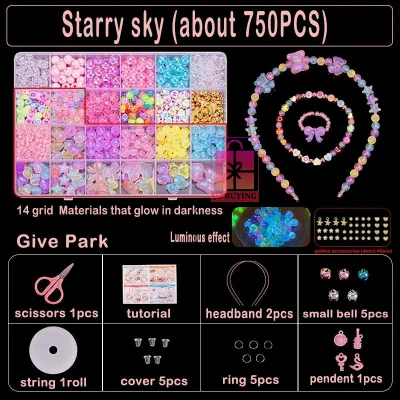
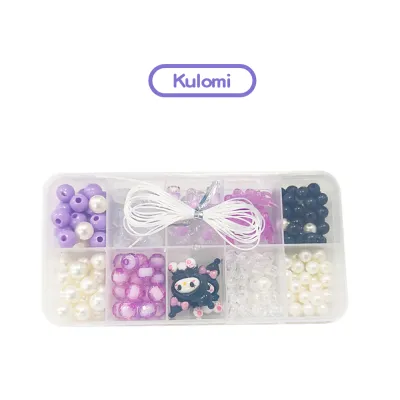
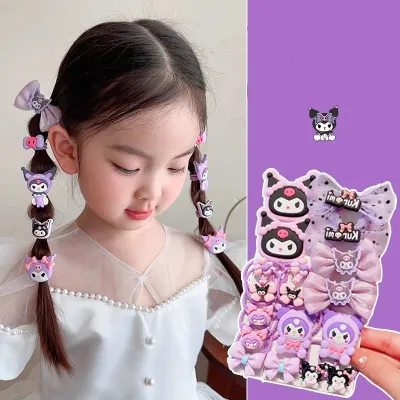
Prices are valid at publication and may change. Please refer to the product page for the latest price.
| Skill Level | Recommended Set Type | Key Components | Ideal Projects |
|---|---|---|---|
| Beginner | Elastic Cord & Acrylic Bead Sets | 0.8mm elastic string, large-hole pony beads, colorful letter beads, safety scissors | Stretch bracelets, basic phone charms, simple keychains |
| Intermediate | Mixed Material & Multi-Finding Kits | 0.3mm nylon-coated wire, crimp beads, lobster clasps, starter round-nose pliers, glass seed beads | Choker necklaces, dangling earrings, structured lanyard charms |
| Advanced | Bulk Component Packs & Precision Tooling | Raw copper/brass wire spools (20-24 gauge), high-grade metal findings, professional flush cutters | Wire-wrapped gemstone rings, intricate multi-strand necklaces, custom charms |
How to Assess Your Current Jewelry Crafting Level
Before purchasing a new kit, taking an honest inventory of your past crafting experience and comfort with fine motor tasks will save you both time and money. Crafting skill is not just about how long you have been making things, but how comfortably you handle different materials under tension and how easily you manipulate specialized hand tools.

Signs You Are a Beginner
You belong in the beginner category if you are dipping your toes into the world of accessory making for the very first time. Beginners usually feel most comfortable when following clear, step-by-step visual tutorials that show exactly where each bead goes. If you prefer pre-designed color palettes and patterns over freehand styling, or if you are still building the basic hand-eye coordination needed to thread small holes, starting with a foundational kit is the safest way to build confidence.
Signs You Are an Intermediate Crafter
You have likely transitioned to an intermediate crafter if you are already familiar with basic jewelry-making mechanics, such as opening jump rings or making simple wire loops. At this stage, you no longer rely solely on stretchy elastic cord and are eager to experiment with non-stretch nylon wires, crimp beads, and metal clasps. Intermediate makers enjoy mixing different textures—like combining glass beads with freshwater pearls—and can comfortably modify existing design templates without constant video guidance.
Signs You Are an Advanced Artisan
Advanced artisans treat accessory making as a highly technical, precise craft, often designing complex structures entirely from scratch. If you are comfortable manipulating raw wire gauges, executing intricate wire-weaving patterns, or working with fragile gemstones, you have outgrown pre-packaged consumer kits. Advanced makers require specialized, high-durability tools like precision flush cutters, mandrels, and nylon-jaw pliers to prevent marring metal. Instead of buying limited, pre-sorted kits, you likely prefer sourcing high-quality bulk components to assemble your own customized production setups.
Key Features to Look for in an Anik Anik Set by Level
Each tier of jewelry making requires a distinct set of materials and tools to ensure a smooth crafting experience. Choosing a kit with the wrong specifications can turn a relaxing hobby into a tedious chore.
Beginners: Pre-sorted Beads and Essential Tools
When shopping for a beginner-friendly anik anik set, look for packages that feature pre-sorted, high-visibility compartments containing large-hole beads (typically 2mm to 4mm hole diameters). These larger openings accommodate user-friendly stringing materials like 0.8mm or 1.0mm elastic polyurethane cords, which do not require complex metal clasps to finish. Ensure the kit includes a basic pair of safety scissors or simple plastic-handled thread snips, along with clear, illustrated instruction cards that explain how to tie secure, non-slip knots.
Avoid kits that are packed with ultra-fine 15/0 glass seed beads or complex, thin wire spools, as these require advanced tension control and needle-threading skills that can quickly cause eye strain. Additionally, verify that the set does not require specialized metal crimping tools or chemical adhesives to complete its projects. A great beginner kit should be entirely self-contained, allowing you to open the box and finish a colorful phone strap or bracelet within thirty minutes without needing supplementary tools.
Intermediates: Mixed Materials and Versatile Findings
Intermediate kits should offer a diverse playground of materials, moving beyond simple plastics to include glass beads, synthetic pearls, and metallic spacers. Look for sets that supply a wide assortment of metal findings, including lobster clasps, jump rings, headpins, and ear wires, which allow you to create functional, opening-and-closing closures. The inclusion of a bead layout board is highly recommended at this stage, as it helps you plan complex, symmetrical patterns and measure lengths before cutting your stringing medium.
At this level, the quality of the included hand tools becomes critical to your success. Search for sets that include at least a basic three-piece jewelry plier kit: round-nose pliers for shaping loops, chain-nose pliers for gripping small parts, and a basic wire cutter. Ensure the metal findings are specified as nickel-free or hypoallergenic, especially if you plan to wear the finished earrings or necklaces in hot, humid tropical climates where sweat can accelerate metal oxidation and skin irritation.
Advanced: Bulk Components and Professional-Grade Tools
Because advanced crafters usually find pre-packaged kits too restrictive, their ideal ‘set’ is often a curated collection of bulk components and professional-grade hardware. Look for bulk bead assortments categorized by material type—such as genuine semi-precious stones, high-grade Czech glass beads, or tarnish-resistant brass findings. When purchasing raw wire spools, pay close attention to the temper (dead-soft versus half-hard) and the exact gauge (such as 20-gauge for structural frames and 26-gauge for delicate wrapping).
For hand tools, skip the generic, plastic-coated pliers often bundled in cheap kits and invest in ergonomic, spring-loaded professional pliers with non-slip grips. Precision flush cutters are essential for making clean, flat cuts on wire ends, preventing sharp edges that can scratch the skin or snag on clothing. Additionally, verify the metallurgical quality of your findings, prioritizing gold-filled, sterling silver, or high-grade stainless steel components that resist tarnishing under humid conditions.
Signs It Is Time to Upgrade Your Crafting Kit
As your crafting journey progresses, your initial starter kit will eventually begin to feel more like a limitation than a helper. One of the clearest signs that you need an upgrade is experiencing frequent tool slippage, such as when cheap pliers fail to grip thin wire or wire cutters leave jagged, frayed edges on your bead cord. If you find yourself constantly frustrated by a lack of color options, or if you are regularly running out of essential findings like jump rings and lobster clasps mid-project, it is time to move past basic pre-packaged assortments.
Another telling sign is when you start buying supplementary tools or specialty beads individually to complete designs you found online, rendering the rest of your original kit unused. Transitioning away from boxed beginner sets to a personalized, professional setup is a highly satisfying milestone. Start by purchasing a high-quality, standalone set of jewelry pliers with comfortable, ergonomic grips, and transition to buying your beads in bulk strands or organized weight packs. This approach not only lowers your cost per piece in the long run but also gives you complete creative control over the durability and aesthetic of your custom accessories.
Frequently Asked Questions (FAQ)
What is the difference between an 'anik-anik' set and a standard jewelry kit?
In the local Philippine crafting scene, ‘anik-anik’ refers to a playful, eclectic collection of cute trinkets, charms, and colorful accessories. While a standard jewelry kit often focuses on classic, formal designs using metal chains, pearls, and uniform beads, an anik-anik set embraces a whimsical, maximalist aesthetic. These sets typically include a vibrant mix of acrylic letter beads, quirky clay charms, miniature animal figures, and bright cords, making them perfect for creating personalized phone straps, keychains, and Y2K-style beaded jewelry.
Can a beginner use an intermediate 'anik-anik' set?
While it is tempting to jump straight to an intermediate set for its wider variety of shiny components, doing so often leads to unnecessary frustration. Intermediate kits assume you already understand how to use jewelry pliers, manipulate thin wire, and secure crimp beads without crushing them. If you skip the beginner stage, you risk wasting delicate materials, breaking tiny findings, and ultimately abandoning the project. It is highly recommended to master basic elastic knotting and simple layout planning before investing in kits that require advanced hand-eye coordination.
Do I need to buy extra tools if my set already includes them?
Many entry-level sets include basic, miniature plastic or lightweight metal pliers to keep the overall price affordable. However, if you notice that the included tools slip frequently, fail to cut wire cleanly, or cause hand fatigue after just a few minutes of use, you should consider upgrading. Investing in a single pair of high-quality, spring-loaded chain-nose pliers with comfortable grips will immediately improve your precision and make your crafting sessions much more enjoyable.
Community discussion
Share your experience or ask a question. Comments are reviewed before publication.