
Choosing the right anniversary card design requires aligning the visual aesthetic, material quality, and written tone with the specific milestone being celebrated. Whether you are honoring a first year of marriage or a golden fifty-year legacy, the card serves as a tangible keepsake of a shared journey. By matching traditional themes with thoughtful typography and durable paper stock, you can select a design that resonates deeply with your partner or the celebrating couple.
Understanding Anniversary Milestones and Card Tones
Every anniversary milestone carries a distinct emotional weight, and the design of the card should reflect this evolving journey. In the early years, specifically the first through the fifth anniversaries, the tone is often lighthearted, romantic, and focused on building a foundation. Visuals in this category tend to lean toward bright or pastel color palettes, modern illustrations, and whimsical design elements that capture the excitement of a fresh partnership.
As couples transition into the middle years, spanning the tenth to the twentieth anniversaries, the card design should mirror a deeper sense of partnership. These years often involve navigating complex life stages, such as growing family dynamics, career milestones, or building a home together. Card designs for these milestones benefit from warmer, richer color schemes and more sophisticated layouts that honor resilience, mutual support, and enduring companionship.
Products mentioned in this guide
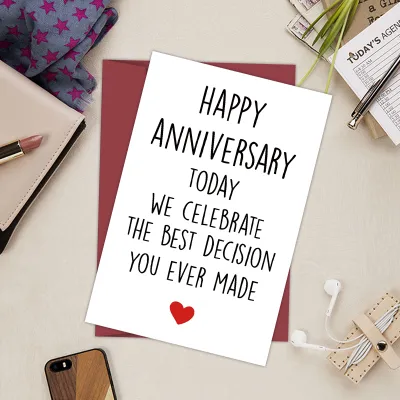
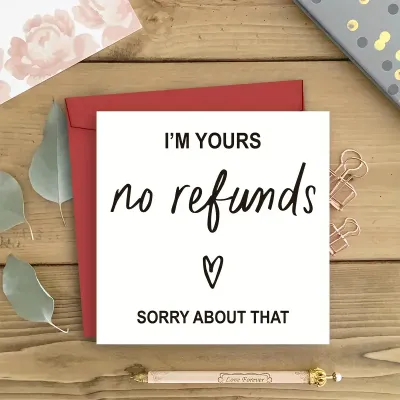
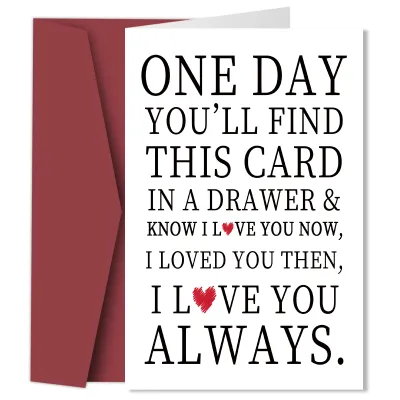
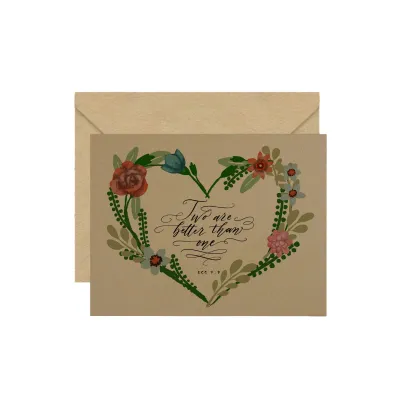
Prices are valid at publication and may change. Please refer to the product page for the latest price.
Major milestones, such as the 25th (Silver) and 50th (Gold) anniversaries, demand a more formal, celebratory, and legacy-focused approach. These landmark celebrations represent half a lifetime of commitment, making elegant and classic designs highly appropriate. Deep jewel tones, clean borders, and refined layouts convey the gravity of the occasion, transforming the card from a simple greeting into a treasured family heirloom.
While traditional and modern anniversary material lists offer excellent design inspiration, they do not need to be followed as rigid rules. Instead, use these materials—such as paper, wood, tin, silver, and gold—as creative springboards. For instance, a silver anniversary card does not need to be made of metal, but incorporating silver foil accents or metallic ink honors the tradition in a practical, elegant format.
Matching Card Designs to Specific Milestone Years
Selecting the physical design elements of an anniversary card involves translating traditional milestone materials into beautiful stationery features. For the first anniversary, which traditionally celebrates paper, the card itself becomes the focal point of the theme. Look for cards crafted from premium paper textures, such as cotton rag or handmade deckled-edge paper, which offer a highly tactile experience. Minimalist layouts paired with delicate, personalized line-art illustrations work beautifully here, highlighting the raw beauty of the paper medium.

When celebrating the fifth and tenth anniversaries, which represent wood and tin or aluminum respectively, you can explore designs that incorporate these organic and industrial textures. Wood-grain embossed backgrounds, rustic kraft paper, or cards featuring subtle metallic foil accents in pewter or brushed aluminum tones evoke these themes beautifully. Opting for a sturdy card structure, such as a multi-layered gatefold or a thick tri-fold design, physically represents the strength and durability associated with these milestone materials.
For the monumental 25th and 50th anniversaries, the visual language should be unmistakably luxurious. Seek out cards that feature genuine metallic foil stamping, deep embossing, and elegant, classic typography. High paper weight is crucial here; a cardstock of 300 GSM (grams per square meter) or higher ensures the card stands proudly on a display shelf without bowing. Silver foil on crisp white or deep navy paper suits the 25th anniversary, while rich gold foil paired with cream, ivory, or emerald green paper beautifully captures the warmth of a 50th celebration.
Of course, alternative designs are highly appropriate when traditional themes do not match the couple’s personality. If the recipients have a playful relationship, a humorous, non-traditional, or pop-culture-themed card can be far more meaningful than a formal one. The key is to assess the couple’s daily dynamic; a card that references an inside joke, a favorite television show, or a shared hobby will always feel more personal than a generic, albeit beautiful, traditional design.
Selecting the Right Messaging and Typography
The typography on an anniversary card does more than display words; it sets the visual voice of your message. Classic serif fonts and elegant, flowing script fonts are ideal for formal milestones, as they convey a sense of timelessness, tradition, and respect. Conversely, modern sans-serif fonts or playful, hand-lettered styles are excellent for early anniversaries or casual cards, offering a clean, contemporary, and approachable aesthetic that matches a lighthearted tone.
Aligning the font style with the internal messaging tone creates a cohesive reading experience. If your message focuses on sweet romance or reflective storytelling, a delicate script font complements the emotional depth of your words. If you prefer to share a humorous anecdote or a lighthearted joke, a bold, modern typeface prevents the card from feeling overly serious or mismatched.
Another critical consideration is the customization space within the card. If you plan to write a lengthy, heartfelt letter, look for cards with completely blank interiors or minimal decorative borders that leave ample room for handwriting. For those who prefer a more visual presentation, some modern card designs feature designated photo-insert areas or die-cut frames where you can slide in a printed photograph from the wedding day or a recent trip.
When choosing between pre-printed and blank interiors, weigh the convenience of guided prompts against the personal touch of your own words. Pre-printed cards are excellent when you want a polished, professionally written sentiment to anchor your message, leaving you to simply sign your names and add a brief note. However, a completely blank interior challenges you to express your feelings genuinely, making the card feel entirely unique and deeply personal to the recipient.
Practical Tips for Buying and Personalizing Anniversary Cards
When shopping for the right anniversary card, performing a few quality checks ensures your selection feels premium and lasts for years. Start by verifying the paper weight and texture. High-quality greeting cards are typically printed on cardstock ranging from 250 GSM to 350 GSM; anything lighter may feel flimsy and cheap, especially for a major milestone. If you plan to write with a fountain pen or a heavy gel pen, test a small corner or check the product specifications to ensure the paper is bleed-resistant and offers a fast drying speed to prevent smudging.
Envelope matching and mailing logistics require careful attention, particularly in the tropical climate of the Philippines. High humidity can cause moisture-activated envelope adhesives to degrade, stick prematurely, or fail to seal securely. To prevent your card from opening during transit or storage, consider using a decorative sticker, double-sided tape, or a traditional wax seal to secure the envelope flap. Additionally, ensure the envelope size matches standard postal dimensions if you plan to mail it, as oversized, square, or heavily embellished cards may require extra postage or special handling.
If you are personalizing a card through an online printing service or a local stationery boutique, always review the digital layout proofs with care. Verify that custom names, wedding dates, and milestone numbers are spelled correctly and positioned away from the cutting edges. Pay close attention to text legibility against the background color, and ensure any uploaded photos have a high resolution (at least 300 DPI) to avoid a pixelated or blurry print.
Finally, balance your budget allocation between the card and the accompanying gift. While a beautifully crafted, hand-foiled, or custom-designed card can cost several hundred pesos (₱), it serves as the emotional centerpiece of your gift. Allocate your budget so that the card feels like a thoughtful, high-quality introduction to the present, rather than a rushed, last-minute purchase from a generic supermarket rack.
Frequently Asked Questions (FAQ)
What if the couple does not follow traditional anniversary themes?
If traditional material themes like paper, wood, or tin do not resonate with the couple, pivot the card design toward their shared passions. Look for designs that feature illustrations of their favorite travel destinations, shared hobbies like hiking or cooking, or even cute representations of their pets. You can also use color psychology to guide your choice, selecting a card dominated by their favorite colors or shades that evoke a specific mood, such as calming blues for a relaxed couple or vibrant oranges and yellows for an energetic, adventurous duo.
Is it better to buy a pre-printed card or make a custom one?
The choice between a pre-printed card and a custom DIY card depends on your time, design skills, and the message you want to convey. Professionally printed cards offer a polished, clean finish with high-end techniques like foil stamping and embossing that are difficult to replicate at home. However, a handmade card carries immense emotional value, showing the recipient that you dedicated your time and creativity to celebrate them. If you lack advanced crafting skills but still want a personal touch, consider buying a high-quality semi-custom card online where you can add personal photos and text while maintaining a professional print finish.
Community discussion
Share your experience or ask a question. Comments are reviewed before publication.