
Selecting the ideal art set for your child’s elementary school art class requires balancing curriculum guidelines, safety standards, and durability. While a massive, multi-tiered art case filled with dozens of markers and pastels may look appealing on a store shelf, it often contains low-quality filler items or tools that do not align with classroom requirements. The most practical approach is to verify the school’s specific list, prioritize non-toxic and washable mediums, and select a set that can withstand daily transport and tropical classroom conditions.
By focusing on high-quality essentials rather than sheer quantity, you can ensure your child has the exact tools they need to succeed without cluttering their backpack. A well-chosen art set fosters creativity, reduces classroom distractions, and saves money on mid-term replacements. Understanding how to evaluate these supplies will help you make an informed, stress-free purchase.
Understanding Your School's Art Curriculum Requirements
Before purchasing a pre-assembled art set, your first step should always be to consult the official school supply list provided by the teacher or school administration. Elementary art curricula are carefully structured around specific developmental milestones, and teachers design their lessons around precise tools. Buying a generic art kit without checking this list often results in your child carrying unnecessary items while lacking the core supplies required for their weekly projects.
Products mentioned in this guide
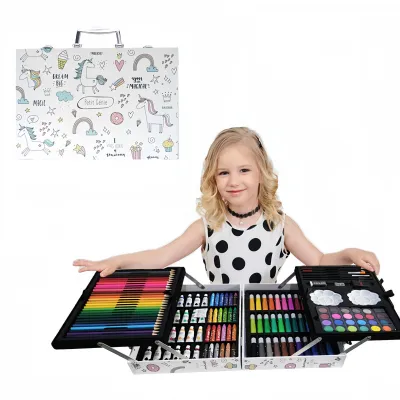
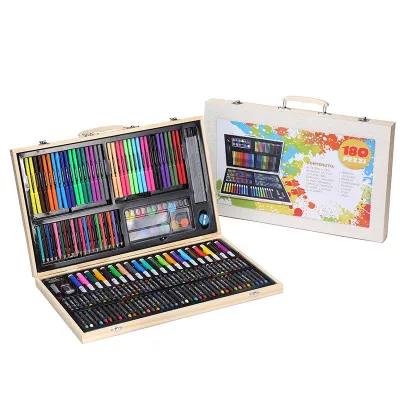
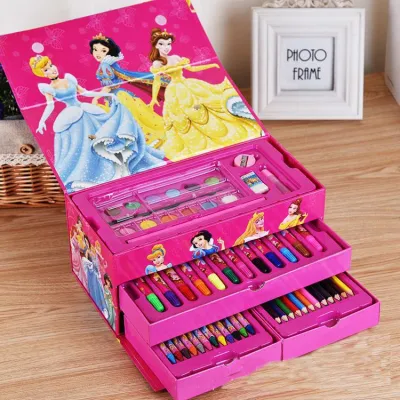
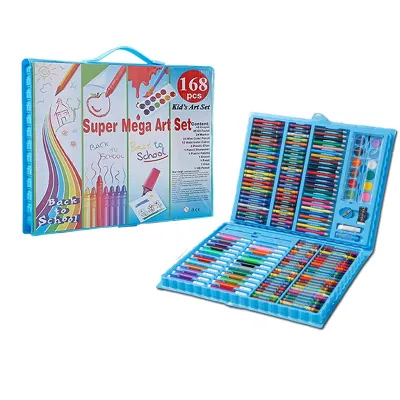
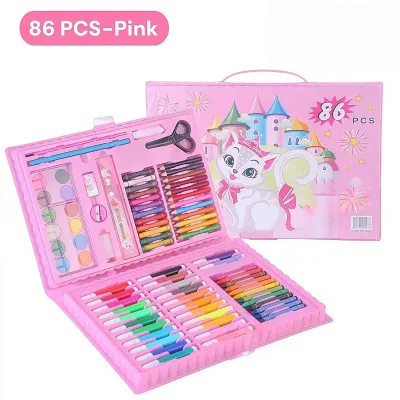
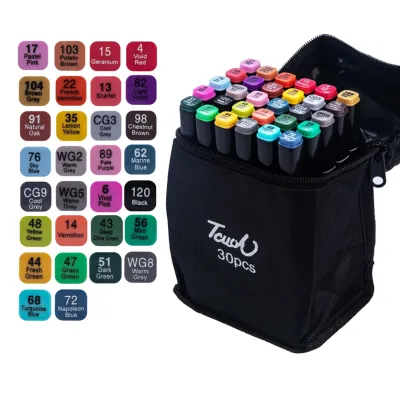
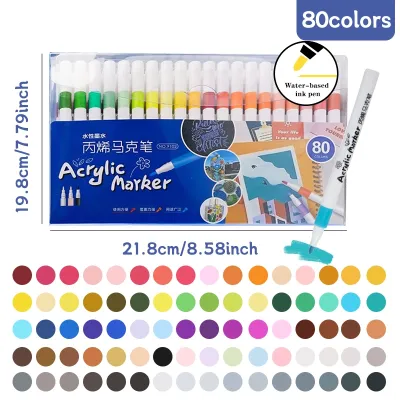
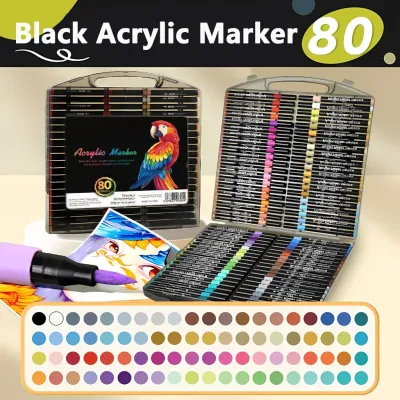
Prices are valid at publication and may change. Please refer to the product page for the latest price.
When reviewing the curriculum requirements, distinguish clearly between mandatory core items and optional supplementary tools. Core items typically include basic drawing pencils, crayons, and a sketchbook, which are used in almost every session. Supplementary tools, such as specialized acrylic paints or modeling clay, might only be needed for a single unit later in the school year. Purchasing these specialized items only when required prevents them from drying out or getting lost in the interim.
Pay close attention to specific format restrictions outlined by the art teacher. For example, many elementary schools strictly require watercolor pans (dry cakes) rather than watercolor tubes. Tubes of paint are highly messy, difficult for young children to portion correctly, and prone to drying out if the caps are not threaded properly. Similarly, check the required dimensions and paper weight of the sketchbook; standard drawing books in local classrooms often specify a particular size, such as short or long bond paper dimensions, and a minimum paper thickness to prevent ink from bleeding through the pages.
Essential Components of a Complete Elementary Art Set
To evaluate whether a bundled art set is truly comprehensive, you must understand the core tools required for standard elementary art projects. A complete, high-quality set should be divided into four primary categories: drawing basics, coloring mediums, painting supplies, and crafting tools. Having a reliable option in each category ensures your child is prepared for any classroom activity.

For drawing and sketching, the set must include standard graphite pencils, a high-quality eraser, and a manual sharpener. Look for standard HB or 2B pencils, which are soft enough for sketching but firm enough for writing. Avoid cheap pink rubber erasers, which tend to smudge graphite and tear delicate drawing paper; instead, opt for vinyl or plastic erasers that lift pencil marks cleanly. The manual sharpener should feature a secure, integrated shavings receptacle to prevent graphite dust and wood shavings from spilling inside your child’s school bag or onto the classroom floor.
Coloring mediums should offer a variety of textures and application styles. Wax crayons are the standard for early elementary grades due to their durability and ease of use. For older elementary students, look for break-resistant colored pencils with soft, wax-based cores that allow for smooth color laydown and basic blending. Washable markers are also essential; select a set that features both fine tips for detailed line work and broad, conical tips for coloring larger areas quickly.
Painting supplies in an elementary set should be user-friendly and easy to clean. A student-grade watercolor pan set with semi-moist cakes is ideal, as these activate quickly with a wet brush. The set should include synthetic nylon brushes—specifically a medium round brush for details and a flat brush for washes—as synthetic bristles retain their shape much better than cheap natural hair brushes when handled by children. A lightweight, reusable plastic mixing palette with shallow wells is also necessary to help students learn color theory without making a mess.
Finally, crafting tools are indispensable for mixed-media projects. Ensure the art set includes a pair of blunt-tip safety scissors with comfortable plastic handles designed for small hands. For adhesive needs, solid glue sticks are highly preferred over liquid school glue. Glue sticks dry quickly, do not warp paper, and eliminate the risk of major liquid spills inside the classroom.
Evaluating Material Safety and Age-Appropriateness
Safety is the most critical factor when choosing art supplies for young children. Because elementary students frequently handle these materials and may occasionally ingest them or rub their eyes, you must verify that every component in the art set is completely non-toxic. Never buy unbranded or cheaply imported art kits that lack clear safety labeling on the packaging.
Always look for recognized non-toxic safety seals and certification marks on the product packaging. In international markets, the AP (Approved Product) seal from the Art and Creative Materials Institute (ACMI) indicates that the product has been toxicologically evaluated and contains no materials in sufficient quantities to be toxic or injurious to humans. Locally, look for clear safety clearances and compliance marks that guarantee the product meets national consumer safety standards for children’s toys and school supplies.
Beyond chemical safety, inspect the physical design of the tools for potential hazards. Ensure that marker caps are ventilated to prevent choking hazards if accidentally swallowed. Scissors must have rounded, blunt tips and blades that are sufficiently shielded to cut paper but not skin. Avoid art sets that include sharp metal compasses, utility knives, or fragile plastic cases with sharp, brittle edges that can easily crack and cause cuts when dropped onto concrete classroom floors.
It is also important to understand the practical differences between student-grade and professional-grade art supplies. Student-grade materials are specifically formulated to be forgiving, highly washable, and physically durable. Professional-grade materials, while offering superior pigment density, often contain heavy metals (such as cadmium or cobalt) that require strict handling precautions. Furthermore, professional mediums are rarely washable and can permanently stain school uniforms and classroom furniture, making them entirely inappropriate for elementary school environments.
Building Your Shortlist: Comparing Bundled Sets vs. Individual Items
When preparing for the school year, parents often face the choice of buying an all-in-one pre-assembled art kit or building a custom set by purchasing individual items. Pre-assembled kits are highly convenient and often come in attractive, organized carrying cases. However, these kits frequently include low-quality “filler” items—such as brittle plastic rulers, chalky watercolors that crumble upon contact with water, or markers that dry out after a single use—to inflate the piece count.
Building a custom set allows you to select durable, high-performing items for each category, ensuring that nothing goes to waste. If your child’s school list is highly specific, a custom-built set is almost always the better route, as pre-assembled kits rarely match every single classroom requirement. If you do choose a pre-assembled kit for its convenience and upfront cost savings, plan to supplement it with a few high-quality individual tools, such as a sturdy sketchbook and a reliable vinyl eraser, to ensure your child is not frustrated by subpar materials.
To help you decide which path fits your budget and your child’s classroom needs, consider the following comparison of pre-assembled kits versus custom-built sets:
| Feature | Pre-Assembled Art Kits | Custom-Built Sets |
|---|---|---|
| Convenience | High; a single purchase that includes a carrying case | Low; requires sourcing multiple items from different stores |
| Component Quality | Variable; core items are usable, but filler tools are often fragile | High; parents can select reliable, long-lasting brands for each tool |
| Curriculum Fit | Moderate; may contain unneeded items or lack specific required sizes | Perfect; tailored exactly to the teacher's specified supply list |
| Cost-Effectiveness | High upfront savings; kits range from ₱200 to ₱800 | Better long-term value; fewer mid-term replacements are needed |
| Ideal User | Busy parents looking for a quick, standard starter kit | Parents of students with highly specific classroom requirements |
Organizing and Maintaining the Art Supplies
Keeping art supplies organized and well-maintained is essential for ensuring they last the entire school year. A chaotic art bag leads to lost caps, broken pencil tips, and ruined sketchbooks. To prevent this, select a durable, compartmentalized storage case or a roll-up canvas pouch. In tropical climates like the Philippines, where high humidity is common, a zippered, water-resistant plastic utility box is highly effective at protecting paper sketchbooks from warping and keeping wooden pencils from absorbing excess moisture.
Establish a simple, consistent maintenance routine with your child to extend the lifespan of their art tools. Teach them to wash their paintbrushes immediately after use with cool tap water, gently reshaping the synthetic bristles with their fingers before laying them flat to dry. Storing wet brushes upright in a cup allows water to run down into the metal ferrule, which dissolves the glue holding the bristles and causes the wooden handle to swell and crack. Additionally, emphasize the importance of pressing marker caps down firmly until they make a distinct “click” sound to prevent the water-based ink from drying out.
Finally, schedule periodic inventory checks throughout the school year, such as during semestral breaks. Take a few minutes to test markers, check the length of colored pencils, and verify that glue sticks have not dried out. Replacing depleted or worn-out items proactively ensures your child is always prepared for their next art project and prevents last-minute scrambles on school nights.
Frequently Asked Questions (FAQ)
Do I need to buy everything on the school supply list at once?
No, you do not need to purchase every single item immediately. Focus on securing the daily essentials—such as drawing pencils, an eraser, a sharpener, crayons, and a sketchbook—before the first day of school. More specialized items, like watercolor pans or crafting clay, are typically not used until later terms. You can space out these purchases to manage your budget better. Additionally, check with the art teacher during the first week of class, as some schools pool certain supplies like glue, colored construction paper, or safety scissors for shared classroom use, saving you from buying them individually.
Are washable markers and paints necessary for elementary students?
Yes, washable formulations are highly recommended for elementary school students. These mediums are specifically engineered with water-based inks and binders that wash out of skin, desks, and standard school uniforms with simple soap and water. While professional-grade or permanent markers offer slightly higher color vibrancy, the difference is negligible for elementary-level projects. The ease of cleanup and the prevention of permanently stained clothing far outweigh any minor trade-offs in color intensity.
How can I prevent watercolor pans from drying out or getting moldy?
In warm, humid tropical climates, mold can easily develop on damp art supplies. To prevent this, always instruct your child to let their watercolor pans air-dry completely with the lid open before closing the storage case and packing it into their school bag. Storing a wet watercolor set in a dark, sealed plastic box creates the perfect environment for mold and mildew to grow. Keep the art set stored in a well-ventilated area at home, and avoid leaving damp cleaning cloths or wet brushes sealed inside the paint container.
Community discussion
Share your experience or ask a question. Comments are reviewed before publication.