
Selecting the ideal arts and crafts kit for elementary students in the Philippines requires balancing safety, curriculum requirements, and durability against the challenges of a tropical climate. Because elementary art classes span a wide range of activities—from basic coloring in early grades to mixed-media projects in upper elementary—the ideal kit must adapt to these changing classroom demands while remaining affordable and easy to replenish locally.
In Philippine schools, art education is integrated into the MAPEH (Music, Arts, Physical Education, and Health) curriculum. This means students frequently transition between drawing, painting, and crafting. A well-chosen art kit ensures that students have the necessary tools on hand, reducing classroom distractions and helping them focus on developing their creative skills.
Core Criteria for Choosing an Elementary Arts and Crafts Kit
When selecting an art kit, age appropriateness and motor skill alignment should be your primary considerations. Lower elementary students in Grades 1 to 3 are still developing their fine motor skills and hand strength. For these younger learners, look for kits that feature thicker drawing tools, such as jumbo crayons, thick triangular colored pencils, and chunky markers. These ergonomic shapes are easier for small hands to grip, reducing muscle fatigue and preventing the frustration of frequent pencil lead breakages.
Products mentioned in this guide
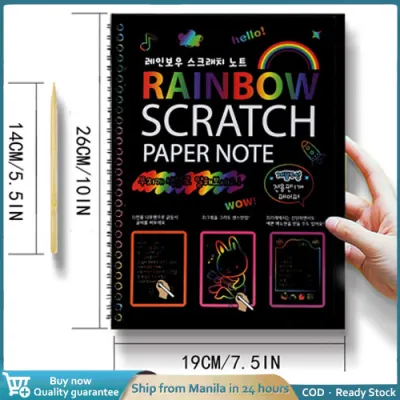
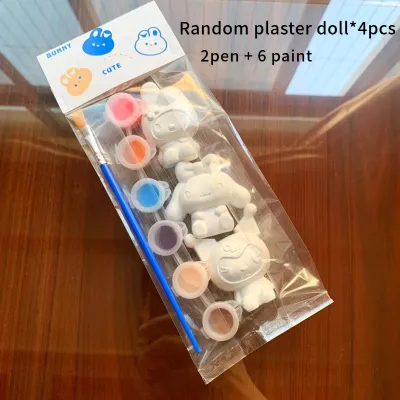
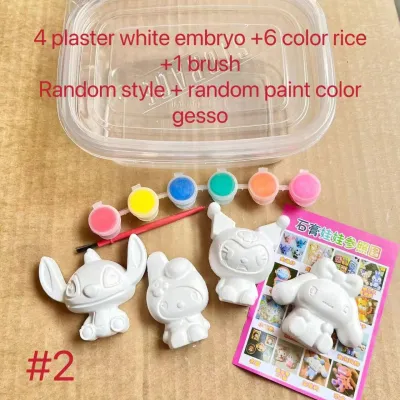
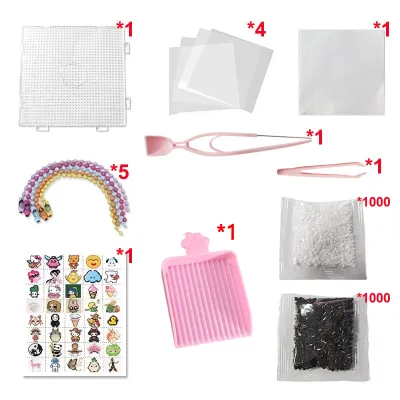
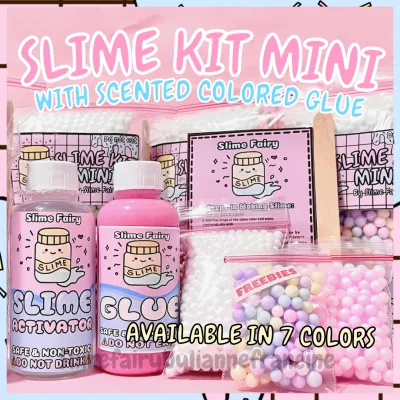
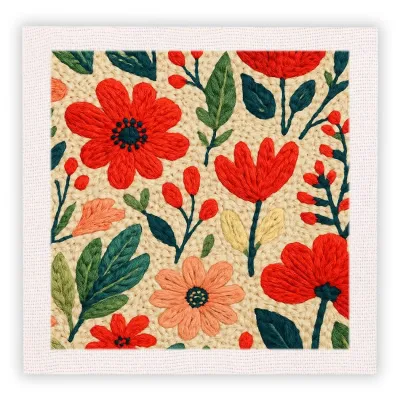
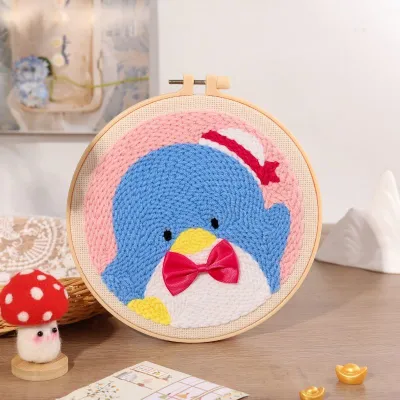
Prices are valid at publication and may change. Please refer to the product page for the latest price.
Upper elementary students in Grades 4 to 6 can transition to standard-diameter pencils, fine-tip markers, and more complex crafting tools. Their art projects often require greater precision, such as detailed sketching, intricate paper cutting, and controlled watercolor washes. Choosing a kit that matches your child’s grade level ensures they are neither frustrated by tools that are too difficult to control nor limited by supplies that are too basic for their assignments.
Curriculum alignment is another critical factor. Before purchasing any pre-assembled kit, review the school’s art syllabus to ensure the contents support required activities like drawing, painting, and mixed-media construction. A kit that lacks basic watercolor pans or includes too many redundant items, such as glitter glues that are rarely allowed in standard assignments, will result in additional expenses when you have to buy missing items individually.
Portability and storage requirements must also be evaluated. Standard school bags in the Philippines are often packed tightly with heavy textbooks, notebooks, and water bottles. An oversized, bulky art case will quickly become a burden for a child to carry. Look for compact, lightweight cases that can slide vertically into a backpack or fit neatly inside classroom cubbies. The case should have a secure carrying handle and a low profile to prevent it from taking up too much desk space during active lessons.
Essential Components and Safety Standards
A comprehensive classroom art kit should feature a balanced selection of core mediums. Look for kits that include washable markers, semi-moist watercolor pans with at least 8 to 12 vibrant colors, break-resistant colored pencils, and high-quality wax crayons. Washable markers are particularly important for school use, as they allow students to explore bold lines without the risk of leaving permanent stains on school uniforms or classroom desks.

Safety verification is paramount when choosing supplies that children will handle daily. Always check product labels for non-toxic certifications, such as the AP (Approved Product) seal from the Art and Creative Materials Institute (ACMI) or compliance with European standard EN71. These certifications guarantee that the paints, glues, and markers have been evaluated by toxicologists and contain no harmful materials in quantities sufficient to cause health problems.
Avoid kits that emit strong chemical odors, especially from adhesives, markers, or solvent-based paints. Instead, prioritize water-based, low-odor formulas that are safer for use in classrooms, which may not always have high-volume mechanical ventilation. Non-toxic, washable white glue or solid glue sticks are the safest choices for elementary paper crafts, as they dry clear and wash out easily from skin and clothing.
Tool safety is equally critical, particularly when it comes to cutting implements. Any scissors included in the kit must feature blunt, rounded tips and comfortable plastic finger loops designed specifically for children. The blades should be made of durable stainless steel that cuts paper easily but poses minimal risk to small fingers. Avoid kits that include utility knives, sharp metal compasses, or advanced carving tools, as these should only be introduced under direct adult supervision.
Evaluating Quality, Durability, and Classroom Usability
To ensure the art kit survives the school year, you must look beyond the variety of colors and assess the physical quality of the materials. Start by evaluating the paper or sketchbook included in the kit, or purchase one separately to complement it. Standard copy paper is too thin for wet mediums; look for sketchbooks with a paper weight of at least 120 gsm for dry media, and 200 gsm or higher if water-based paints will be used. You can verify paper quality by observing how it handles moisture; low-quality paper will warp, pill, or allow ink to bleed through to the next page.
Evaluate the durability of the kit’s casing, as it will undergo constant transport and handling. Inspect the hinge mechanisms and latch security. Flimsy plastic latches can snap easily under pressure, causing the contents to spill inside a school bag. Rugged zipper closures or heavy-duty metal clasps generally offer better longevity. The internal molded trays should hold each tool snugly in place so they do not rattle, roll around, or break when the case is carried vertically.
Consider the local availability and cost of refill packs or individual replacement items. High-consumption supplies like black markers, white glue, and sketch paper will inevitably run out long before the rest of the kit is depleted. Before committing to a specific brand, verify that individual refills are readily available at local stationery stores or online marketplaces. Purchasing a kit that relies on proprietary sizes or hard-to-find brands can make replenishing individual items highly impractical and expensive.
Building a Shortlist Based on Budget and Grade Level
When building your shortlist, adjust your expectations based on the student’s grade level. For lower elementary students (Grades 1-3), prioritize simplicity, physical durability, and ease of cleaning. A basic kit containing 12 to 24 non-toxic crayons, washable markers, a simple watercolor pan, and blunt scissors is highly suitable. For upper elementary students (Grades 4-6), look for kits that introduce advanced mediums like oil pastels, acrylic paints, or sketching pencils (ranging from 2B to 6B) to support more complex shading and blending techniques.
Compare the trade-offs of all-in-one bundled kits versus assembling individual components based on your budget. Pre-packaged kits, which typically range from ₱300 to ₱1,500, offer excellent convenience and are often cheaper than buying items individually. However, they sometimes include low-quality “filler” items like weak plastic rulers or chalk that goes unused. Assembling a custom kit allows you to select high-quality, durable brands for core items while using a simple pencil case for storage, which may have a higher upfront cost but often lasts longer.
If you choose to purchase your art supplies from online marketplaces, take steps to verify the quality before buying. Avoid relying solely on promotional photos, which can be misleading. Read customer reviews, paying close attention to photos uploaded by local buyers showing the actual product condition upon arrival. Verify the seller’s rating and check their return policy, especially regarding items that might arrive damaged, such as cracked watercolor pans or broken pencil leads.
Frequently Asked Questions (FAQ)
How do I clean dried paint or marker stains from school uniforms?
Always check the garment’s care label first to ensure the fabric can handle washing. For water-based paints and washable markers, flush the stain from the back with cold water as soon as possible, then apply a mild laundry detergent or dish soap directly to the spot. Gently rub the fabric together and rinse. If the stain persists or if it involves permanent ink or acrylic paint, avoid using harsh solvents that could damage synthetic uniform blends; instead, consult a professional dry cleaner.
What is the best way to store an arts and crafts kit at home?
To maximize the lifespan of the supplies, store markers and dual-tip pens horizontally; this keeps the ink distributed evenly to both ends and prevents the tips from drying out. Keep the entire kit in a cool, dry place away from direct sunlight and high tropical humidity, which can warp paper and cause crayons to soften or melt. Ensure that small items like pencil sharpeners, paper clips, and scissors are secured in designated compartments, safely out of reach of toddlers or younger siblings.
Should I buy a pre-packaged kit or assemble one from individual supplies?
Pre-packaged kits offer excellent convenience, cost-effectiveness, and come in organized cases that children love. However, they may contain lower-quality filler items that wear out quickly. Custom assembly allows you to invest in durable, high-performance brands for essential tools like scissors and colored pencils, and choose specific paper weights that match the school’s curriculum. While custom kits require more planning and a higher initial budget, they often save money over the school year by reducing the need for early replacements.
Community discussion
Share your experience or ask a question. Comments are reviewed before publication.