
Choosing the right beads set kit depends on finding the sweet spot where your current hand-eye coordination and tool familiarity meet your creative goals. In the Philippines, where crafting ranges from quick weekend projects with friends to intricate traditional accessories, selecting a kit with the right bead sizes, stringing materials, and tool durability is essential. A mismatched kit leads to either immediate frustration or quick boredom, so evaluating your skills and intended projects beforehand ensures a rewarding crafting experience.
Investing in a pre-assembled kit is an excellent way to avoid the overwhelming process of buying individual supplies. However, not all kits are created equal; some focus on play and simple assembly, while others require advanced wire-weaving techniques and specialized tools. By understanding your current crafting level and what you want to create, you can select a kit that provides the right learning curve and high-quality results.
Assess Your Crafting Skill Level to Avoid Frustration
Matching the kit to your skill level is the first and most critical step in jewelry making. Beginners who dive straight into micro-sized seed beads often struggle with eye strain and thread tangles, while experienced crafters purchasing basic kits will quickly run out of challenging designs. Choosing a kit that matches your current manual dexterity ensures that you stay engaged without feeling overwhelmed.
Products mentioned in this guide
![[Free Gift] 5000 Pcs beads for bracelet making set beads set kit with tools diy bracelet kit set beads accessories kit set with lock beads set kit complete bravelet making set](https://img.lazcdn.com/g/p/924b5012c03ea19460b1c189336c0dd0.jpg_400x400q80.jpg_.webp)
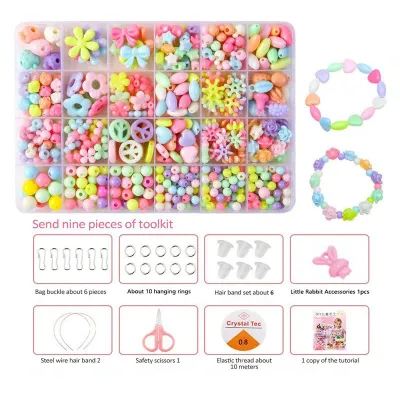
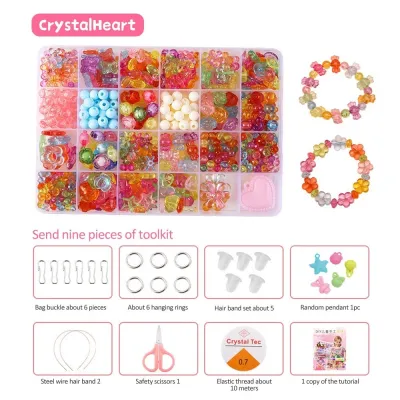
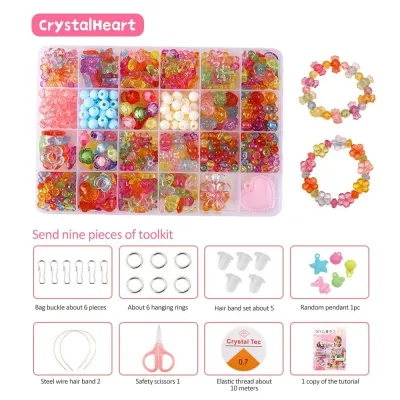
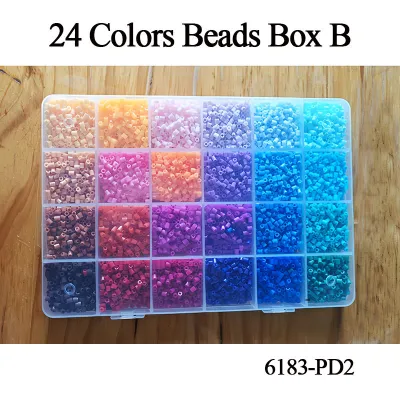
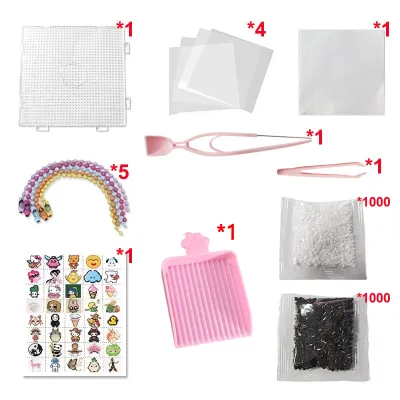
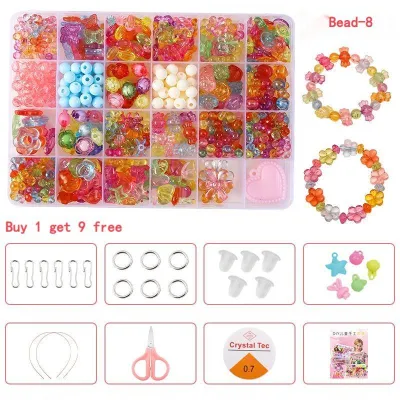
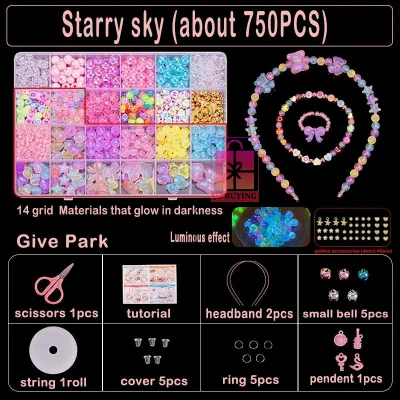
Prices are valid at publication and may change. Please refer to the product page for the latest price.
Beginner If you are new to jewelry making, look for kits featuring large-hole beads, such as pony beads, large wooden beads, or chunky acrylic shapes. These kits typically include pre-cut elastic cords or thick nylon threads that do not require needles, making them incredibly easy to thread. They also focus on simple knotting techniques rather than complex wirework or crimping, allowing you to complete a project in under thirty minutes. These are ideal for casual hobbyists, children, or anyone looking for a relaxing, low-barrier entry to the craft.
Intermediate Intermediate kits introduce mixed bead sizes, basic wire wrapping, and essential jewelry findings like crimp beads, jump rings, and lobster clasps. To use these kits successfully, you should have basic hand tool coordination, as you will need to manipulate flat-nose and round-nose pliers to secure connections. These kits offer a transition from simple elastic bands to structured, professional-looking necklaces and earrings, helping you learn how to build secure, multi-component pieces.
Advanced Advanced kits are designed for crafters who want to create intricate, high-end designs. These kits focus heavily on tiny glass seed beads (such as size 11/0 or 15/0), fine nylon beading threads, bead looms, and specialized precision needles. Working at this level requires excellent patience, steady hands, and the ability to follow complex, multi-step visual weaving diagrams. The reward is the ability to create highly detailed, textile-like beadwork and delicate, durable jewelry.
Skill Level Self-Check Checklist Before purchasing, ask yourself these diagnostic questions to identify your ideal tier:
- Tool Familiarity: Do you know how to open and close a metal jump ring using two pairs of pliers without warping the metal?
- Fine Motor Skills: Can you comfortably thread a needle that is less than 0.5mm thick, or do you prefer threading materials by hand?
- Patience and Time: Are you looking for a quick, satisfying 15-minute project, or are you willing to spend several hours on a single woven pattern?
- Material Comfort: Do you prefer working with flexible, forgiving elastic, or are you ready to learn how to secure stiff jewelry wire with crimp tubes?
Match the Beads Set Kit to Your Target Projects
Not every beads set kit can make every type of jewelry. A kit designed for making vibrant summer bracelets will lack the structural components needed to create elegant dangle earrings or structured necklaces. Before clicking buy on an online marketplace, clarify exactly what items you want to wear, gift, or sell.

Simple Bracelets and Keychains If your goal is to make daily-wear stretch bracelets, friendship bands, or custom keychains, prioritize kits that feature high-quality elastic cords and sturdy key rings. The beads in these kits should have smooth, uniform inner holes to prevent them from fraying the elastic over time. Look for kits that provide a wide variety of alphabet beads, colorful clay spacers, and accent charms to maximize your personalization options.
Necklaces and Dangle Earrings Creating necklaces and earrings requires structural integrity that elastic simply cannot provide. For these projects, you must select a kit that includes metal findings such as headpins, eye pins, ear wires, and chain links. The kit must also provide functional clasps, such as lobster claws or toggle clasps, and appropriate non-tarnish wire gauges. Typically, a 20-gauge to 24-gauge wire is ideal for creating secure loops that hold their shape under the weight of dangling beads.
Intricate Weaving and Loom Work For flat woven bracelets, beaded tapestries, or highly detailed collar necklaces, you need a specialized seed bead kit. These projects rely on extreme uniformity, meaning the beads must be precision-cut glass seed beads (such as Miyuki or Toho brands) rather than cheap, irregular plastic beads. The kit should also include specialized, ultra-fine beading needles and high-tensile nylon or silk thread, which can pass through a single bead multiple times without splitting.
Verify the Project Gallery Always check the kit’s product description or project gallery to see what the finished pieces actually look like. If the gallery only displays simple elastic bracelets, the kit likely lacks the specialized metal wire, clasps, and tools required to build complex necklaces or drop earrings. Aligning the kit’s contents with your creative goals saves you from having to purchase extra parts later.
Evaluate Bead Sizes, Materials, and Tool Compatibility
To ensure a seamless crafting experience, you must inspect the physical specifications of the kit’s components. A single mismatched measurement can render an entire kit unusable, while poor-quality materials will quickly degrade in daily wear.
Bead Hole vs. Stringing Material The absolute rule of bead crafting is verifying that the stringing material can fit through the bead holes. For example, if a kit includes 1.0mm thick elastic cord but the decorative glass beads have 0.5mm drill holes, you will not be able to thread them. Always check the product specifications for bead hole diameters and cord thicknesses. If the kit does not list these measurements, look for user reviews or ask the seller directly to confirm compatibility.
Material Durability Beads come in various materials, each offering different aesthetic and structural properties:
- Acrylic and Clay: Lightweight, highly impact-resistant, and budget-friendly. Ideal for casual wear, but they can fade or show wear over time.
- Glass and Gemstone: Offer excellent weight, beautiful light refraction, and a premium drape. However, they are fragile and require stronger stringing materials to prevent snapping.
- Wood and Shell: Provide a beautiful, natural tropical aesthetic. However, untreated wood can absorb sweat and moisture, so look for polished or sealed varieties.
- Metal Alloys: Used primarily for spacers and charms. Ensure they are lead-free and nickel-free to avoid skin irritation during prolonged body contact.
Tool Quality and Climate Considerations Cheap, low-quality pliers included in budget kits often have rough inner jaws that scratch and mar soft jewelry wire, ruining the professional look of your pieces. Look for kits that include carbon steel or stainless steel pliers with smooth, nylon-coated or polished jaws and comfortable rubber grips.
In the humid climate of the Philippines, moisture in the air accelerates the rusting of cheap iron-based tools and findings. To prevent your beautiful creations from turning green or black, prioritize kits that offer non-tarnish copper, brass, or stainless steel wire and findings. Always store your metal components in airtight containers with a few silica gel packets to absorb excess moisture and prevent oxidation.
Organization and Storage Never underestimate the value of a high-quality storage case. A good beads set kit should come in a sturdy plastic organizer with secure, tight-fitting latches. If the dividers inside the box do not reach the lid, small seed beads and metal findings will slip into adjacent compartments whenever the box is tilted, turning your workspace into a chaotic, tangled mess.
Signs You Have Outgrown Your Current Beads Set Kit
As your skills improve, you will eventually reach the limits of what a standard, all-in-one kit can offer. Recognizing these signs helps you transition smoothly to professional-grade crafting without wasting money on repetitive starter sets.
Running Out of Core Findings One of the clearest signs of growth is when you find yourself with hundreds of leftover beads but absolutely zero jump rings, crimps, or clasps. Starter kits rarely provide enough functional metal findings to match the number of beads included. If you constantly have to pause your projects to wait for extra clasps to arrive, you have outgrown pre-packaged kits.
Tool Limitations When the basic flush cutters included in your starter kit struggle to cleanly snip thicker wire, leaving jagged edges, or your round-nose pliers lack the precision needed to make neat, uniform wire loops, your tools are holding you back. Upgrading to individual, professional-grade jewelry pliers will immediately improve the speed and quality of your work.
Desire for Higher Quality Materials If you want to move away from lightweight plastic craft beads toward genuine semi-precious gemstones, freshwater pearls, or sterling silver elements, standard starter kits will no longer suffice. These premium, heavier materials require stronger, multi-strand stainless steel beading wires and heavy-duty clasps that are only sold separately.
How to Upgrade Your Setup Instead of buying another all-in-one kit, the best path forward is to keep your existing storage box and transition to buying individual, premium bead strands and professional-grade tools. Start by purchasing a high-quality pair of chain-nose pliers and a spool of professional 49-strand beading wire, then gradually build your collection based on the specific projects you love to make.
Frequently Asked Questions (FAQ)
Can I use a beginner beads set kit for advanced jewelry projects?
While you can reuse the basic decorative beads from a beginner kit, the included elastic cords, plastic threads, and basic tools are generally unsuitable for advanced techniques. Advanced projects like wire wrapping, intricate bead weaving, or heavy stone stringing require specialized non-tarnish wires, fine beading needles, and high-precision pliers. Forcing a beginner kit to perform advanced work usually results in broken threads, deformed wires, and fragile jewelry.
What stringing material is best for heavy glass or gemstone beads?
Standard elastic cord should never be used for heavy glass or gemstone beads, as the constant weight and sharp inner edges of the stone holes will cause the elastic to stretch out, sag, and eventually snap. Instead, use a flexible, nylon-coated, multi-strand stainless steel beading wire (such as 19-strand or 49-strand wire). Secure this wire using metal crimp tubes, wire protectors, and high-quality metal clasps to ensure your heavy jewelry remains secure and durable.
How do I store my beads set kit to prevent tangling and damage?
To keep your kit in pristine condition, keep all threads and wires on their original spools to prevent kinking. Store your metal findings in small, individual zip-lock anti-tarnish bags inside your organizer to protect them from the humid Philippine air. Finally, always store your plastic organizer box completely flat on a shelf; storing it vertically or shaking it will cause tiny beads to slip under the compartment dividers and mix together.
Community discussion
Share your experience or ask a question. Comments are reviewed before publication.