
Selecting the perfect birthday card in the Philippines is an opportunity to express appreciation, respect, and love through quality stationery. In a culture deeply rooted in close family ties, warm friendships, and strong community connections, a physical card serves as a lasting keepsake. However, a card is not a one-size-fits-all gesture. The right choice depends on matching the card’s visual design, paper quality, and written tone to your specific relationship with the recipient.
Navigating these choices requires balancing emotional intent with practical stationery considerations. A card that delights a close friend might feel inappropriate for a corporate supervisor, while a highly formal card could seem cold to a romantic partner. Additionally, the tropical climate and high humidity of the Philippines can affect how inks dry and how paper behaves, making the physical components of the card just as important as the words written inside. By understanding how to align card styles with different relationships, you can ensure your birthday wishes are received with genuine joy.
Quick Guide to Matching Card Styles to Relationships
Before selecting a card, it is helpful to understand the general decision matrix that governs card selection. The relationship dynamic dictates the appropriate level of formality, humor, and physical interactivity. For instance, older relatives typically appreciate classic, respectful designs, whereas peers and close friends often enjoy playful, interactive, or humorous cards.
Products mentioned in this guide
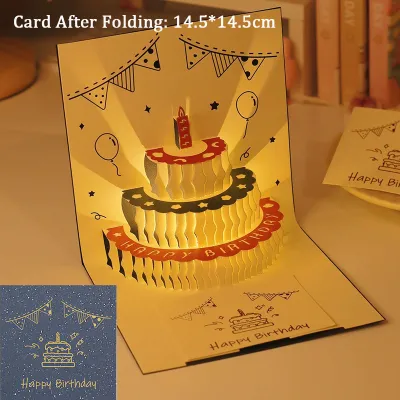
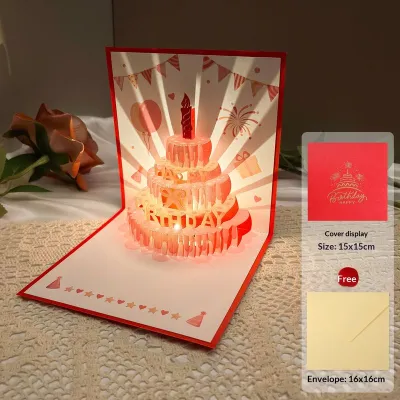
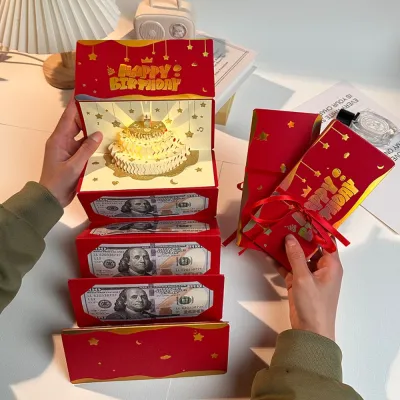
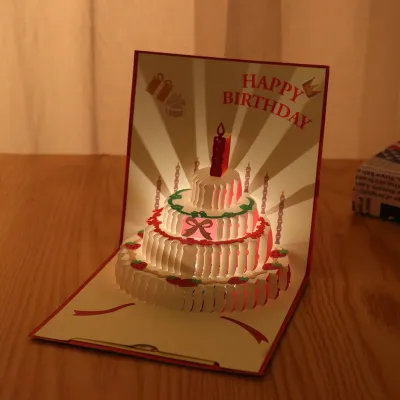
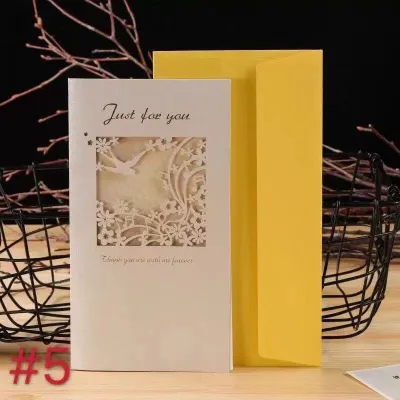
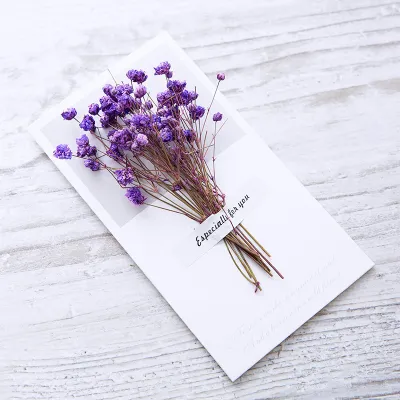
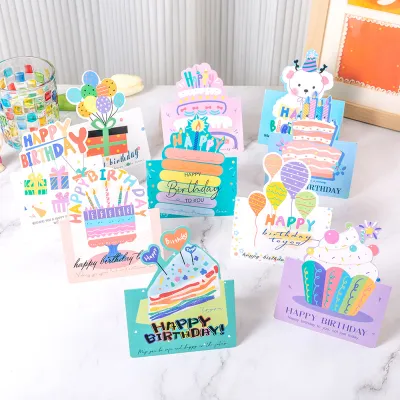
Prices are valid at publication and may change. Please refer to the product page for the latest price.
The physical quality of the stationery should also mirror the emotional weight of your message. A milestone birthday for a parent or a romantic partner warrants heavier cardstock and premium finishes, while a casual card for a coworker focuses on clean lines and professional presentation.
| Recipient Type | Recommended Card Style | Ideal Tone | Key Stationery Feature |
|---|---|---|---|
| Parents & Older Relatives | Traditional or botanical | Respectful, warm, and grateful | Heavyweight matte cardstock with gold foil |
| Romantic Partners | Elegant minimalist or classic romance | Intimate, personalized, and affectionate | Textured handmade paper or letterpress |
| Friends & Peers | Humorous, pop-up, or quirky | Casual, nostalgic, or playful | Interactive elements (pull-tabs, 3D pop-ups) |
| Colleagues & Bosses | Clean geometric or abstract | Professional, polite, and encouraging | Ample blank space for group signatures |
| Children & Teens | Bright cartoon themes or trendy typography | Fun, energetic, or subtly humorous | Built-in gift card or cash holder |
Choosing Birthday Cards for Parents and Older Relatives
When selecting a birthday card for parents, grandparents, or older relatives, the primary goals are to convey respect (paggalang) and heartfelt gratitude. In Filipino households, elders hold a place of high honor, and the card you choose should reflect this status. Opt for elegant, traditional, or nature-inspired designs, such as delicate botanical illustrations, classic landscapes, or sophisticated patterns. Avoid fleeting internet memes, trendy slang, or overly casual humor, which can easily be misunderstood or feel dismissive.

The physical feel of the card is highly influential in this category. Selecting a card made from heavyweight cardstock—typically 250 gsm (grams per square meter) or higher—instantly communicates that the gesture is significant. Premium finishes, such as subtle embossing or gold foil accents, add a tactile dimension of luxury. These details show the recipient that you took the time to select something of genuine quality.
The interior of the card should accommodate a meaningful, handwritten message. Older relatives often treasure the written word far more than the printed card design itself. Look for cards with a matte or uncoated interior finish. Glossy surfaces can cause fountain pens or heavy gel pens to smear, whereas an uncoated texture absorbs ink cleanly, allowing you to write a long, legible message of appreciation and health wishes without worrying about smudges.
Selecting Romantic and Personalized Cards for Partners
For a spouse or romantic partner, a birthday card should feel intimate, deeply personal, and distinct from mass-produced options. This is an opportunity to celebrate your unique bond, meaning the card’s aesthetic should align closely with your partner’s specific tastes. If they appreciate modern design, look for minimalist layouts with elegant, clean typography. If they lean toward classic romance, delicate watercolor designs or hand-drawn illustrations are excellent choices.
To elevate a romantic card, prioritize premium, tactile materials. Handmade papers, such as cotton rag paper with deckled edges, offer a unique texture that feels incredibly special to the touch. Letterpress printing, which leaves a deep physical impression in thick paper, or intricate foil stamping also adds a layer of craftsmanship. These physical attributes transform the card from a temporary greeting into a keepsake that your partner may want to preserve in a memory box.
A blank-inside card is highly recommended for romantic partners. Pre-printed sentiments can often feel generic. A blank canvas allows you to write a highly personalized message, recall specific shared memories, or mention an inside joke. To complete the presentation, pair the card with a matching, heavy envelope and seal it with a wax seal or a custom metallic sticker. This small, deliberate detail adds an element of anticipation and romance to the unboxing experience.
Finding the Right Tone for Friends and Peers
Friendships offer the widest range of creative freedom when choosing a birthday card. Depending on your shared history and your friend’s personality, you can choose from humorous, highly illustrated, nostalgic, or interactive designs. For close friends, a card that references a shared inside joke, a favorite television show, or a niche hobby can make the greeting feel incredibly personal and thoughtful.
Humor is a popular choice for peers, but it requires careful navigation. While witty or self-deprecating humor can be entertaining, avoid offensive, edgy, or highly sensitive topics unless your relationship is exceptionally close. When in doubt, lean toward lighthearted, clever, or nostalgic humor that celebrates the fun aspects of aging or your friendship without crossing personal boundaries.
Interactive cards are particularly engaging for friends and peers. Cards featuring 3D pop-up structures, mechanical pull-tabs, or integrated sound modules provide a playful, memorable experience. These interactive elements turn the card into a small activity, ensuring it stands out on their display shelf. However, even if the card itself is highly casual or humorous, ensure you write a brief, genuine handwritten note inside to ground the greeting in real appreciation.
Navigating Professional Boundaries with Colleagues
Selecting a birthday card for a coworker, supervisor, or professional contact requires a careful balance of warmth and professional boundary-keeping. The design should be clean, sophisticated, and office-appropriate. Geometric patterns, minimalist abstract art, or tasteful botanical prints are safe and elegant choices. These designs look highly professional when displayed on an office desk or a cubicle shelf, contributing positively to the workplace environment.
The tone of the card must remain polite, encouraging, and inclusive. Focus on wishing the recipient professional success, happiness, and a wonderful year ahead. Avoid overly personal comments, romantic undertones, religious themes, or humor that could be misinterpreted in a professional setting. Keeping the message warm yet neutral ensures that the card remains a positive gesture of workplace camaraderie.
If the card is intended for a team or department to sign collectively, the layout of the card is a critical practical consideration. Choose a larger format card, such as an A5 size or a multi-panel fold-out card, to ensure there is ample blank space. A crowded interior where signatures overlap can look messy. A spacious, clean interior allows multiple colleagues to write their names and short, distinct messages of congratulations legibly.
Picking Engaging and Safe Cards for Children and Teens
Choosing birthday cards for younger recipients requires matching their developmental stage and interests while keeping practical safety considerations in mind. For toddlers and young children, focus on high-impact visual appeal. Cards featuring bright, saturated colors, friendly animals, or popular licensed characters immediately capture their attention. Interactive features, such as pop-ups, textured “touch-and-feel” panels, or sound chips that play a cheerful tune, are highly engaging for this age group.
However, safety must be your top priority when buying cards for very young children. Carefully inspect the card for small, easily detachable embellishments like loose plastic buttons, sequins, googly eyes, or small ribbons. These can easily become detached and pose a severe choking hazard for infants and toddlers. Additionally, ensure that any cards containing sound chips have the button batteries securely sealed deep within the cardstock layers, completely inaccessible to children.
For teenagers, the design strategy must shift away from childish themes toward growing maturity. Teens appreciate trendy illustrations, aesthetic typography, retro-inspired graphics, or subtle, self-deprecating humor. Avoid cards that feel patronizing. Furthermore, practical features are highly appreciated by this demographic. Look for cards designed with built-in gift holders, such as a precut money slot or a dedicated gift card pocket. This is incredibly useful in the Philippines, where gifting cash, such as a crisp ₱500 or ₱1000 bill, or a retail voucher is a highly popular and practical choice for teens.
Paper, Pens, and Presentation: Elevating the Handwritten Message
The physical act of writing your message is where the art of stationery truly shines. To ensure your handwriting looks neat, you must understand how different paper finishes interact with various writing instruments. Birthday cards generally come in two primary finishes: glossy (coated) and matte (uncoated). Glossy paper has a slick coating that prevents liquid from absorbing quickly. If you use a gel pen, rollerball, or fountain pen on glossy paper, the ink will pool on the surface and smear easily, especially in the warm, humid climate of the Philippines. For glossy cards, a quick-drying ballpoint pen or a fine-tip permanent marker is necessary.
Conversely, matte, uncoated, or textured cotton papers absorb ink beautifully. These papers are ideal for those who wish to use gel pens, fountain pens, or brush pens for hand lettering and calligraphy. However, because uncoated paper is porous, some lower-quality cardstocks can cause ink to “feather” (spreading along paper fibers) or “bleed” through to the back. To prevent ruining your card, always conduct a quick test with your chosen pen on a hidden corner of the card or on the inside flap of the envelope.
For those practicing hand lettering or calligraphy to elevate their card’s presentation, a systematic approach yields the best results. Use a soft graphite pencil (such as an HB or 2B) and a plastic ruler to lightly sketch horizontal guidelines. Write your message or the recipient’s name using a high-quality calligraphy brush pen, maintaining consistent pressure on the downstrokes. Because local humidity can slow down ink drying times, allow the ink to dry completely before gently erasing the pencil guidelines using a soft, non-abrasive dust-free eraser to avoid smudging.
Finally, do not overlook the envelope quality. A flimsy envelope can easily bend or tear in transit. Look for envelopes with a paper weight of at least 100 to 120 gsm to provide structured protection. In tropical climates, moisture-activated adhesive can sometimes degrade or stick prematurely due to ambient humidity. To ensure a secure and elegant closure, consider reinforcing the seal with double-sided tape, a decorative sticker, or a classic wax seal.
Frequently Asked Questions (FAQ)
Is a handwritten message necessary for a birthday card?
While a pre-printed card with a simple signature is acceptable for casual acquaintances, adding a handwritten message significantly increases the emotional and sentimental value of the card. A handwritten note transforms a mass-produced product into a deeply personal keepsake. If you feel self-conscious about your writing skills, keep the message simple and sincere. State one specific quality you appreciate about the recipient, share a brief positive memory, or offer a warm, direct wish for their year ahead. A few heartfelt, handwritten sentences are far more meaningful than a long, generic printed poem.
How do I choose a card for a joint birthday celebration?
When celebrating a joint birthday—such as twin siblings, close friends sharing a party, or colleagues with birthdays in the same month—it is best to select a card with a neutral, non-specific design. Avoid cards tailored heavily to a single personality or hobby. Choose a larger card format to ensure there is plenty of interior space for writing. When organizing the messages, split the writing area logically so that both recipients receive equal space. Ensure the main written greeting acknowledges both individuals warmly and equally, making both feel valued during the shared celebration.
What is the etiquette for giving a late birthday card?
If you missed the recipient’s actual birthday, it is still highly appropriate and polite to give them a card. Choose a card with a lighthearted, slightly self-deprecating, or warm apologetic tone to acknowledge the delay gracefully. In your written message, avoid writing long, defensive excuses about why you were busy or forgot the date. Instead, keep the focus entirely on the recipient. Write a warm, positive, and forward-looking message, emphasizing that their birthday celebration deserves to be extended and wishing them a wonderful year ahead.
Community discussion
Share your experience or ask a question. Comments are reviewed before publication.