
Choosing the right birthday card requires balancing your relationship with the recipient, their personal style, and the physical characteristics of the card itself. The ideal card acts as a visual prelude to your handwritten message, matching the recipient’s personality while surviving the local climate’s humidity. By evaluating paper stock, design elements, and writing compatibility, you can select a card that feels both intentional and durable.
Quick Guide to Birthday Card Selection
Selecting a birthday card involves more than grabbing the first colorful design on the shelf. To make a lasting impression, you must align the card’s visual aesthetic with the tone of your relationship. A mismatch—such as sending a highly formal, gold-foiled card to a childhood friend, or a sarcastic, joke-filled card to a corporate client—can create awkward friction before the recipient even reads your message.
Before purchasing, run through a basic physical checklist to ensure the card meets quality standards:
Products mentioned in this guide
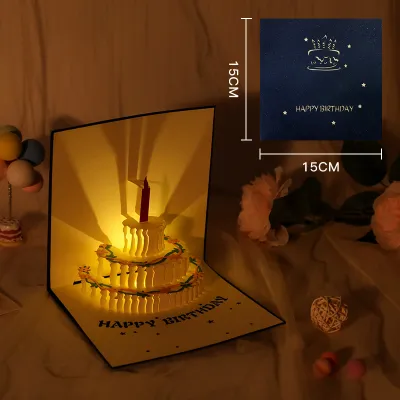
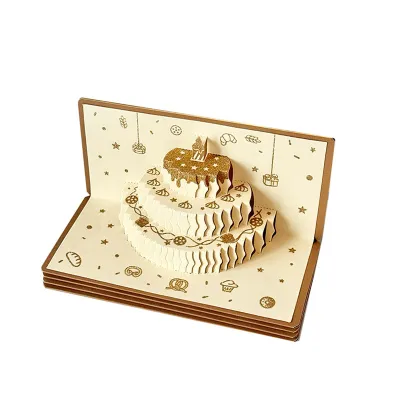
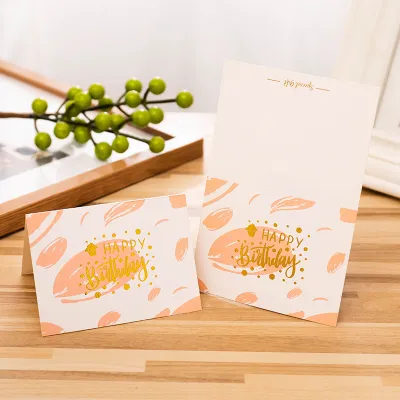
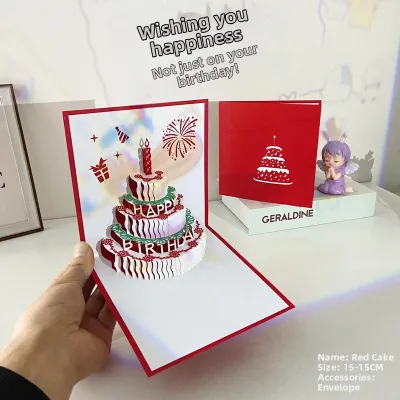
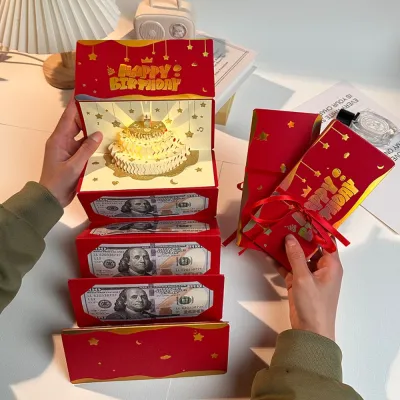
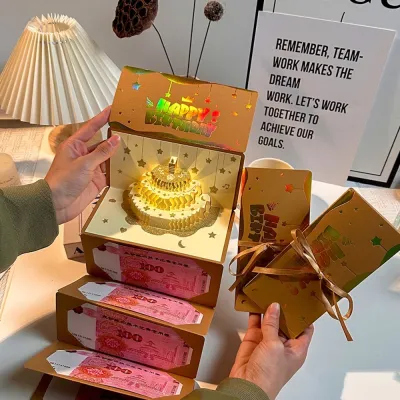
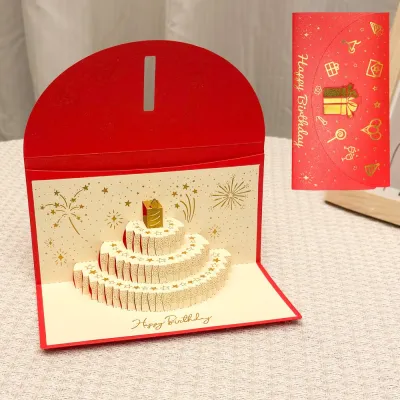
Prices are valid at publication and may change. Please refer to the product page for the latest price.
- Paper Weight: Look for cardstock that is at least 250 to 300 GSM (grams per square meter) so it stands upright without warping.
- Size and Envelope Fit: Ensure the card slides easily into its accompanying envelope without bending the corners.
- Surface Texture: Verify if the interior is coated or uncoated, as this dictates which pen you can use without smudging.
Ultimately, the visual design should complement your handwriting. A minimalist card pairs beautifully with clean, modern print, while an ornate, vintage-inspired design calls for elegant cursive or calligraphy. Taking a moment to match these elements ensures your gesture feels cohesive and thoughtful.
Matching Card Styles to Your Relationship
The closeness of your relationship, your shared history, and established professional boundaries dictate the appropriate visual and tonal choices for a birthday card. A card that is highly successful for one recipient can easily fall flat with another. By categorizing your recipients, you can narrow down your choices to designs that resonate perfectly with their expectations.

Understanding these boundaries allows you to choose a card that feels natural rather than forced. Let us explore how to navigate different recipient categories, from close family members to professional contacts, ensuring your card hits the right note every time.
Parents and Family Members
When choosing a card for parents, grandparents, or older relatives, the focus should be on sentiment, gratitude, and tradition. These cards are often kept as keepsakes for years, stored in memory boxes or displayed on living room shelves. Classic designs featuring elegant floral motifs, warm watercolor illustrations, or high-quality photo layouts work exceptionally well here.
To select the right style and tone for family members, consider the following guidelines:
- Design Elements: Opt for timeless aesthetics, such as botanical prints, embossed borders, or subtle gold foil accents that convey respect and care.
- Tonal Direction: Choose messages that express deep appreciation, gratitude, and warmth. If the recipient prefers a lighter touch, a gentle, nostalgic humor is highly appropriate.
- Material Quality: Prioritize thick, textured paper stocks like linen or cotton blends. These materials feel substantial in the hand and resist the yellowing or warping that can occur over time in humid environments.
Close Friends and Best Friends
For close friends and best friends, you have the creative freedom to step away from traditional designs. These cards should reflect your shared history, inside jokes, and the unique dynamic of your friendship. Trendy illustrations, pop-culture references, or hobby-specific designs (such as coffee, travel, or gaming themes) make the card feel highly personalized.
When shopping for a close friend, look for these engaging features:
- Humorous and Sarcastic Tones: Sarcastic or playful cards are excellent, provided they are balanced with a genuine handwritten note inside. The humor should always feel affectionate rather than mean-spirited.
- Interactive Elements: Seek out unique physical formats, such as pop-up cards, die-cut shapes, or cards with interactive pull-tabs that add a playful, tactile element.
- Customizable Blanks: A card with a completely blank interior is often best for close friends, giving you ample space to write long-form personal anecdotes and shared memories.
Colleagues and Professional Contacts
Selecting a card for a coworker, manager, or business client requires maintaining professional boundaries while still showing genuine appreciation. The design must remain neutral, elegant, and free of any controversial, overly intimate, or highly sarcastic humor. Minimalist, geometric, or nature-inspired designs are safe and sophisticated choices.
Keep these professional standards in mind when making your selection:
- Visual Style: Choose clean lines, modern typography, and neutral color palettes. Abstract patterns or simple foliage illustrations work well in any office setting.
- Tonal Direction: Keep the pre-printed message polite, encouraging, and professional. Focus on wishing them success, happiness, and a wonderful year ahead.
- Practical Sizing: Opt for standard sizes like A2 or A6. These sizes fit easily on an office desk or cubicle shelf without taking up excessive space, and they are easy to pass around if multiple team members need to sign.
Romantic Partners
For a romantic partner, your card should reflect intimacy, effort, and deep personal connection. This is the occasion to invest in premium materials and exquisite craftsmanship. Look for cards featuring delicate foil stamping, intricate laser-cut details, or elegant calligraphy that immediately signals the importance of the occasion.
Tailor your romantic card selection based on your current relationship stage:
- Early Stages: If you have recently started dating, choose a lighthearted, playful, or sweet card. Avoid overly intense, poetic declarations of lifelong love, opting instead for cute illustrations and warm, encouraging wishes.
- Established Relationships: For long-term partners or spouses, deeply sentimental, poetic, or highly personal cards are ideal. Look for designs that allow you to write a long, heartfelt message.
- Cohesive Presentation: Ensure the envelope is of equally high quality—ideally with a colored liner or a heavy paper weight—and consider sealing it with a custom wax seal or decorative tape for a luxurious unboxing experience.
Evaluating Card Materials, Sizes, and Finishes
Understanding the technical aspects of stationery helps you select a card that not only looks beautiful but also stands up to the writing process. Different paper stocks interact uniquely with various ink types, which is a crucial consideration in tropical climates where humidity can affect drying times.
To choose the right material combination, compare these common paper stocks:
- Matte Cardstock: Uncoated and highly absorbent. This is the most versatile option for writing, as it absorbs ink quickly and minimizes the risk of smudging. It is highly compatible with fountain pens, gel pens, and calligraphy inks.
- Glossy Cardstock: Coated with a shiny finish that makes colors pop. However, glossy surfaces do not absorb water-based inks well. Writing on glossy interiors requires specific oil-based pens or permanent markers to prevent immediate smearing.
- Textured Paper (Linen/Cotton): Features a distinct tactile feel. While highly elegant, heavily textured papers can cause fountain pen nibs to catch or bleed. They are best paired with smooth-flowing gel pens or fine-tip ballpoints.
- Recycled Paper: Offers a rustic, organic look with visible fibers. Recycled stocks are often highly absorbent, which can cause some liquid inks to feather or spread. Testing your pen on a small corner is recommended.
Beyond paper stock, card dimensions play a significant role in presentation and mailing. Standard sizes like A2 (4.25″ x 5.5″) and A7 (5″ x 7″) are widely available, making it easy to find replacement envelopes. Non-standard shapes, such as square or oversized cards, offer a unique look but often require custom envelopes and additional postage if you plan to mail them.
Special finishes add a premium, tactile dimension to your card. Embossing creates raised patterns, foil stamping adds metallic brilliance, and spot UV applies a glossy coat to specific design elements. While these finishes elevate the card’s perceived value, they also increase the cost. Budgeting around ₱150 to ₱300 is common for premium cards featuring these specialized techniques.
Before writing your final message, use this quick pen compatibility checklist to avoid ruining your card:
- Fountain Pens: Use only on thick, uncoated matte paper to prevent feathering.
- Gel Pens: Highly compatible with matte and recycled papers; allow up to two minutes of drying time on semi-gloss surfaces.
- Ballpoint Pens: The safest choice for glossy or coated papers, though they require steady pressure.
- Permanent Fineliners: Essential for high-gloss cards; dry almost instantly without smudging.
Personalizing Your Message and Presentation
Once you have selected the perfect card, the final step is personalization. Your handwriting style should harmonize with the card’s overall aesthetic. If you are sending a formal or romantic card, practicing basic calligraphy strokes—such as consistent downstrokes and elegant loops—can elevate the presentation. For casual cards, neat, legible print or a relaxed cursive keeps the tone friendly and approachable.
To elevate the unboxing experience, consider adding thoughtful structural details:
- Wax Seals: A flexible wax seal on the outer envelope adds an old-world charm. In warm, humid climates, ensure you use flexible modern sealing wax rather than traditional brittle wax, as flexible wax resists cracking and melting during transport.
- Decorative Washi Tape: Use patterned paper tape to seal the envelope flap or secure a small photo insert inside the card.
- Vellum Inserts: Placing a translucent sheet of vellum paper inside the card, printed or written with a quote, adds a sophisticated, layered look.
When structuring your message, follow a clear, thoughtful layout to ensure your words flow naturally. Begin with a warm, personalized greeting that matches your relationship level. In the body of the message, share a specific memory, express gratitude, or highlight a quality you admire in the recipient. Finally, close with an appropriate sign-off—such as “Warmest wishes” for colleagues, “With love” for family, or a playful inside joke for close friends—followed by your signature.
Frequently Asked Questions (FAQ)
What is the standard size for a birthday card?
The most common standard sizes for folded birthday cards are A2 (4.25 inches by 5.5 inches) and A7 (5 inches by 7 inches). These sizes are widely supported by stationery manufacturers, making it easy to find matching envelopes. Square cards, typically measuring 6 inches by 6 inches, are also popular for modern designs, but they often require specialized envelopes and may incur extra postage fees if sent through standard mail services.
Which pens work best on glossy birthday cards?
Glossy birthday cards have a coated surface that resists water-based inks, causing standard gel pens and fountain pens to smudge easily. For glossy interiors, the best choices are oil-based ballpoint pens, permanent fineliners, or quick-drying paint markers. To ensure clean writing, always write your message slowly, avoid touching the ink immediately, and allow the card to remain open for several minutes to let the ink dry completely.
How far in advance should I order custom birthday cards?
If you are ordering personalized, handcrafted, or custom-printed birthday cards from independent local creators, it is best to place your order at least two to three weeks in advance. This timeline allows ample time for design proofing, production, and local shipping. For international orders or complex custom designs involving calligraphy or custom illustrations, budget four to six weeks to account for potential transit delays and customs processing.
Community discussion
Share your experience or ask a question. Comments are reviewed before publication.