
Selecting the right packaging is just as important as the gift itself. A black paper bag offers a sleek, minimalist, and sophisticated presentation that works exceptionally well for corporate giveaways, weddings, birthdays, and holiday celebrations. However, if the bag is too small, you risk tearing the paper or damaging the gift; if it is too large, the item will slide around, losing that premium, curated feel. To find the ideal fit, you must measure your gift’s three dimensions and select a bag that provides adequate clearance on all sides while accounting for the weight and shape of the item.
Quick Guide to Matching Gift and Bag Dimensions
To determine the minimum bag size you need, you can use a simple dimensional formula. First, measure the length, width, and height of your gift. The bag you choose must be larger than these measurements to allow the item to slide in smoothly without catching on the edges.
As a general rule, the bag’s internal dimensions should exceed the gift’s dimensions by at least 1.5 to 2 centimeters on each side. This small buffer prevents the paper from stretching, warping, or tearing at the seams during assembly and transport.
Products mentioned in this guide
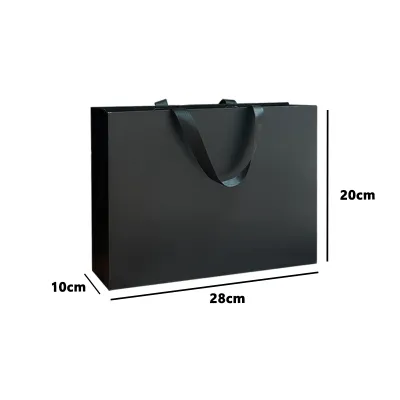
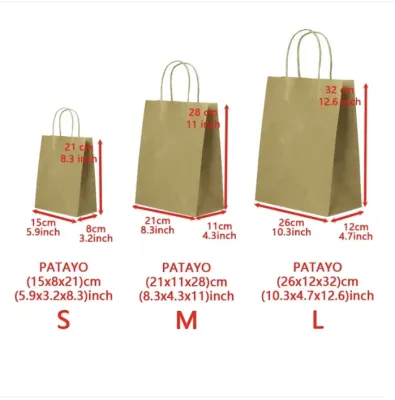
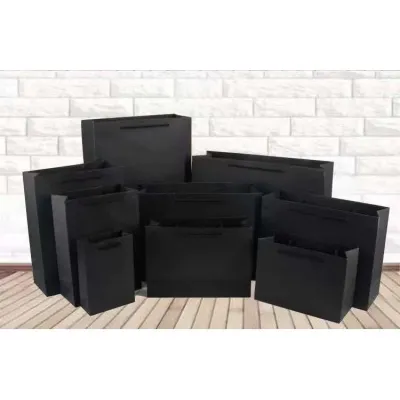
Prices are valid at publication and may change. Please refer to the product page for the latest price.
When selecting a bag, the most critical dimension to prioritize depends on the profile of your gift. For flat, wide items like framed photos or books, overall height and length are your primary concerns. For bulky, three-dimensional items like shoeboxes, jars, or folded clothing, you must prioritize the bottom gusset width to ensure the bag can expand fully without distorting its clean, flat black surface.
How to Measure Your Gift Accurately
Before browsing for packaging, you need precise measurements of your gift. Using a standard ruler or a flexible measuring tape, measure the three primary axes: length (left to right), width or depth (front to back), and height (top to bottom). Always write these numbers down to avoid guessing when looking at bag specifications online or in a stationery store.

For rigid boxes, measuring is straightforward because the edges are clearly defined. However, soft or compressible items like sweaters, plush toys, or handmade textiles require a different approach. Measure these items in their naturally folded or packed state without compressing them completely. If you squeeze them too tightly during measurement, they will expand once inside the bag, pushing against the paper walls and causing the bag to bulge awkwardly.
Do not forget to account for external embellishments that add unexpected bulk. If your gift is already wrapped in bubble wrap, thick decorative paper, or features a large, rigid ribbon bow, measure the item with these elements attached. A decorative bow can easily add 3 to 5 centimeters of height or depth, which can prevent the bag from closing neatly or ruin the presentation if crushed.
For irregularly shaped or non-rectangular gifts, such as spheres, cylinders, or triangular packages, identify the absolute longest, widest, and tallest points. Imagine a virtual rectangular box that completely encloses the item, and use those maximum dimensions as your baseline. This ensures that no part of the gift protrudes awkwardly or stretches the paper unevenly.
Matching Bag Sizes to Common Gift Profiles
To simplify your selection process, it helps to categorize common gifts into small, medium, and large profiles, matching them to standard paper bag configurations.
Small and Flat Items
Small gifts like jewelry boxes, leather wallets, cardholders, or compact cosmetics require a snug, secure fit. For these items, look for small gift bags with shallow gussets, often measuring around 11 x 15 x 6 centimeters. A shallow gusset keeps the item upright and centered, preventing it from tipping over or sliding around. If the bag is too deep, a small gift can easily get lost in the dark interior, detracting from the opening experience.
Medium and Standard Items
Medium-sized gifts include items like hardbound books, standard apparel boxes, medium electronics, or artisanal candles. These items fit best in medium bags, which typically measure around 20 x 25 x 10 centimeters. When packaging medium items, balance the base width with adequate height so the recipient can easily lift the gift out. Ensure the bottom gusset is wide enough for the item to sit completely flat on the base, which distributes the weight evenly and keeps the bag standing upright.
Large and Bulky Items
Large items such as shoeboxes, folded blankets, board games, or large toy boxes require heavy-duty black paper bags with wide gussets of 12 centimeters or more. For these gifts, structural integrity is paramount. Look for bags made from thick paper stock with reinforced cardboard bases and sturdy handles, such as woven cotton rope or wide ribbons. The wide gusset allows the bag to open fully into a stable box shape, accommodating the bulk without putting excessive stress on the side seams.
Adjusting for Shape, Weight, and Presentation Needs
While dimensions provide a baseline, you must also consider how the shape, weight, and overall presentation style of your gift affect the bag’s performance.
Cylindrical, round, or oddly shaped items—such as wine bottles, ceramic mugs, or local delicacies in glass jars—leave empty, unused space in the corners of a rectangular bag. This empty space can cause the item to roll or tip over during transport. To stabilize these gifts, use crumpled paper fillers or shredded paper at the base, or select a specialized bag with a square bottom that matches the diameter of the item.
Weight is another critical factor that dictates the material thickness you need. Black paper bags are available in various paper weights, typically measured in grams per square meter (GSM). For lightweight items like clothing, a standard 80 to 100 GSM bag is sufficient. However, for heavy items like books, ceramic tableware, or bottles, opt for a thicker paper stock of 150 GSM or higher. In humid tropical climates, paper can absorb ambient moisture from the air, which slightly softens the fibers over time. Choosing a higher GSM paper and verifying that the handles are glued securely or threaded through metal eyelets helps prevent unexpected tears.
Finally, consider your internal presentation. If you plan to use decorative tissue paper, crinkle-cut fillers, or large bows inside the bag, you must factor this into your size calculations. Tissue paper requires at least 5 to 10 centimeters of extra vertical space at the top of the bag to create a classic, voluminous flare. If the bag is too short, the tissue paper will look cramped, or you will be forced to push it down, crushing the delicate folds.
Common Sizing Mistakes and How to Avoid Them
Avoiding a few common pitfalls can save you from packaging mishaps and ensure your gift looks polished and professional.
- The Ultra-Tight Fit: Forcing a gift into a bag that matches its dimensions exactly. This almost always results in torn corners, detached handles, or a bulging bag that loses its clean, minimalist aesthetic. Always allow for the recommended clearance.
- The Oversized Void: Placing a small gift in an excessively large bag. This causes the gift to slide around, potentially damaging the item or its immediate packaging. It also diminishes the premium presentation, making the gift look like an afterthought inside a large, empty black space.
- Ignoring the Bottom Gusset Fold: When flat-packed paper bags are stored, the bottom gusset folds upward. When you open the bag, this fold consumes a portion of the bag's vertical height. Always measure the bag when it is fully expanded, rather than flat, to ensure you do not lose valuable vertical space.
Frequently Asked Questions (FAQ)
How much extra space should I leave inside the paper bag?
For a clean and safe presentation, leave a minimum of 1.5 to 2 centimeters of clearance on the sides of the gift. This allows you to slide the item in and out without friction. If you are adding decorative tissue paper that flares out of the top, ensure there is at least 5 to 10 centimeters of empty vertical space above the gift so the tissue paper does not look crushed.
Can I use a standard paper bag for heavy gifts like books or bottles?
Standard lightweight paper bags (around 80 to 100 GSM) are best reserved for light items like clothing or small accessories. For heavy gifts like books, jars, or bottles, verify that the bag is made from heavy-duty paper (150 GSM or higher) and features a reinforced cardboard base insert. If the item is exceptionally heavy, consider double-bagging or using a rigid gift box to ensure the handles and base do not fail during transport.
Community discussion
Share your experience or ask a question. Comments are reviewed before publication.