
Selecting the right bouquet wrapper material is a balancing act between structural necessity and visual design. The ideal choice depends on the moisture requirements of your flowers, the physical weight of their stems, and the climate of your environment.
For instance, high-humidity tropical settings require careful management of moisture to prevent wilting or mold, making water-resistant films or highly breathable papers essential.
By matching the physical properties of your wrapping material to the specific needs of your floral arrangement, you ensure the bouquet remains secure, fresh, and visually striking from assembly to delivery.
Products mentioned in this guide
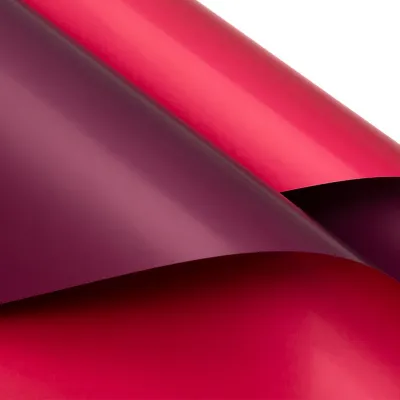

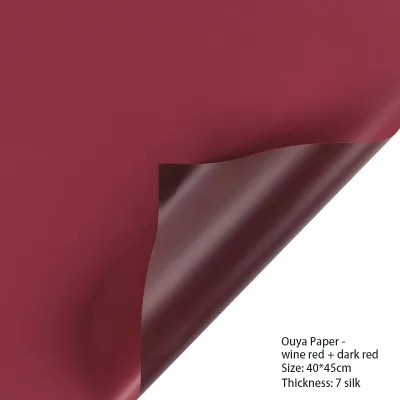
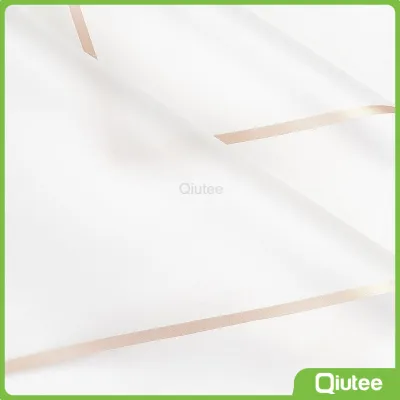
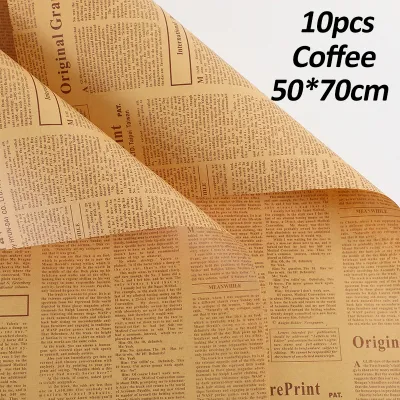
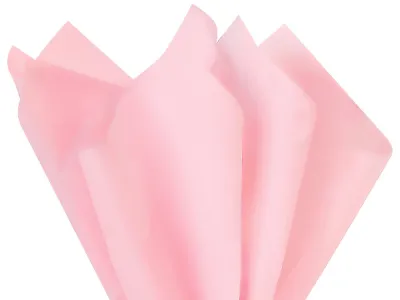
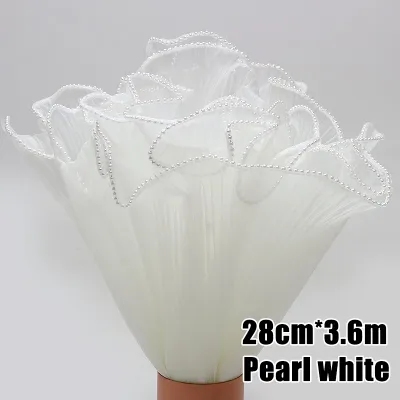
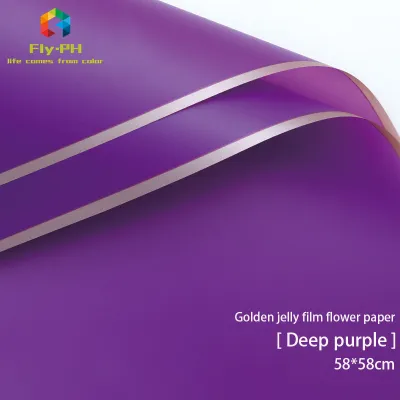
Prices are valid at publication and may change. Please refer to the product page for the latest price.
Core Criteria for Matching Wrappers to Floral Arrangements
In tropical climates, moisture is both a friend and an enemy to cut flowers. Some arrangements require a continuous water source, such as a damp cotton wrap or a small water vial secured to the stem ends. The wrapper must be able to contain this moisture without disintegrating.
If you are wrapping fresh, cold-stored flowers, condensation will form as they adjust to room temperature. A wrapper that softens or bleeds color when wet will quickly ruin the presentation.
Consider the physical weight and stem thickness of your flowers. Top-heavy blooms like sunflowers or large chrysanthemums require a wrapper with high tensile strength and stiffness to prevent the stems from bending or snapping.
Conversely, delicate wildflowers with thin, flexible stems need a lighter material that will not crush them under its own weight.
The wrapper serves as a frame for your floral art. Matte finishes offer a modern, understated elegance that lets vibrant petals stand out, while glossy or decorative surfaces add a touch of celebration.
Opacity is also key; semi-translucent wrappers allow light to filter through, creating a soft glow around the blooms, whereas opaque papers provide a solid backdrop that defines the bouquet’s silhouette.
Matching Wrapper Materials to Specific Flower Types
Flowers that require constant hydration, such as hydrangeas or delicate tulips, need wrappers that can withstand direct contact with water. For these varieties, waterproof synthetic sheets or wax-coated papers are ideal.

These materials prevent water from seeping through to the outer layers, keeping the presentation clean and dry. When wrapping delicate petals, choose smooth, non-abrasive surfaces that will not scratch or bruise the blooms during transport.
Large, woody, or thick-stemmed flowers like roses, proteas, or sunflowers demand robust structural backing. Stiff kraft papers or heavy-duty coated sheets provide the necessary resistance to bending.
These materials hold their folds exceptionally well, allowing you to build dramatic, architectural layers that support the weight of the heavy flower heads without collapsing.
Dried flowers, such as lavender, statice, or preserved eucalyptus, are highly sensitive to trapped moisture. In humid environments, wrapping dried arrangements in non-breathable plastics can trap ambient humidity, leading to mold growth and structural decay.
For these everlasting arrangements, highly breathable, non-moisture-retaining wrappers like natural jute, open-weave mesh, or uncoated kraft paper are the safest choices. They allow air to circulate freely, keeping the dried elements crisp and preserved.
Comparing Traits of Common Bouquet Wrapper Materials
Cellophane and clear films offer complete transparency, allowing the natural beauty of the stems and foliage to remain fully visible. They are entirely waterproof, making them excellent for wet wraps or outer protective layers.
When layered or crinkled, clear films catch the light, adding a subtle shimmer to the arrangement. However, they offer minimal structural support on their own and are best used in combination with stiffer backing papers.
Known for their rustic, organic appeal, kraft papers provide excellent opacity and natural stiffness. They hold sharp creases and folds beautifully, allowing for structured, geometric wrapping styles.
While standard kraft paper is vulnerable to water damage, textured and waxed varieties offer improved moisture resistance. They are highly favored for eco-friendly designs and casual, garden-style bouquets.
Korean-style and coated papers are highly popular for their luxurious, velvety matte finish and exceptional water resistance. They do not tear easily when wet and maintain their elegant drape even in high-humidity conditions.
Coated papers are incredibly versatile, offering a wide range of pastel and rich jewel tones that do not bleed or fade when exposed to water or condensation.
For a tactile, premium feel, fabric wrappers like linen, burlap, or open-weave mesh are unmatched. Burlap provides a coarse, rustic texture that pairs beautifully with wildflowers, while delicate mesh adds volume and airiness without adding weight.
These materials are highly breathable and reusable, though they require careful handling to prevent edge fraying and may need a supportive paper or plastic inner layer to maintain a rigid shape.
Handling and Securing Your Chosen Wrapper
Before wrapping, inspect and prepare the flower stems. Use sharp floral shears to trim away any thorns, sharp leaves, or rough bark that could puncture or tear your wrapping material.
For heavy or woody stems, consider wrapping the lower portion in a soft floral tape or tissue paper to create a smooth barrier against delicate paper wrappers.
The way you fold your wrapper determines the volume and stability of the bouquet. For stiff papers, use deliberate, crisp folds to create fan-like structures or layered tiers that cradle the flowers.
For softer fabrics or films, gather the material gently around the binding point to create soft, flowing ripples. Always work with the grain of the paper to avoid accidental tearing or unsightly creasing.
To hold your wrapper securely in place, use high-quality floral tape, natural twine, or satin ribbons. Bind the wrapper at the natural hand-tie point of the bouquet, ensuring the tie is snug enough to prevent slipping but not so tight that it crushes the stems or tears the paper.
If using delicate papers, apply a layer of double-sided tape between the folds to secure them invisibly without putting excessive tension on a single binding point.
Frequently Asked Questions (FAQ)
Can I reuse fabric or mesh bouquet wrappers for future arrangements?
Yes, fabric and mesh wrappers are highly durable and can be reused if handled properly. Check the manufacturer’s care instructions, as many synthetic meshes and sturdy fabrics like burlap can be gently hand-washed in cool water to remove dirt or pollen.
Ensure you carefully untie any floral wire or tape to avoid tearing the fibers. Allow the material to air-dry completely in a well-ventilated area before storing it flat or rolled to prevent mildew and creasing.
How do I prevent paper wrappers from tearing when wrapping thick stems?
To protect delicate paper wrappers from thick, woody, or thorny stems, start by smoothing out any sharp edges on the stems using floral shears or a stem stripper.
You can also wrap the lower stems in a protective inner layer, such as a soft tissue paper, a plastic floral sleeve, or a damp paper towel enclosed in a small plastic bag.
When binding the bouquet, avoid pulling the outer paper wrapper too tightly around sharp corners; instead, secure the inner stems first with floral tape, then drape and secure the outer paper gently around the established binding point.
Community discussion
Share your experience or ask a question. Comments are reviewed before publication.