
Selecting the ideal cello wrap requires matching the material’s physical properties to your specific project. Whether you are preparing a festive gift basket, packaging delicate baked goods, or wrapping a fresh floral arrangement, the right wrap ensures structural integrity and a professional presentation. Choosing incorrectly can lead to torn edges, spoiled food, or leaking water.
To make the right choice, you must evaluate thickness, food safety certifications, and moisture resistance. While standard decorative wraps excel at holding lightweight gifts together, they often fail when exposed to the moisture of fresh flowers or the oils of baked treats. Understanding these distinctions helps you select a wrap that preserves your items and enhances their visual appeal.
Understanding Cello Wrap Formats and Features
Cello wrap is available in several distinct formats, each designed to streamline different wrapping tasks. Choosing between flat sheets, continuous rolls, and pre-made bags depends on the shape of your items and the volume of packaging you need to complete.
Products mentioned in this guide
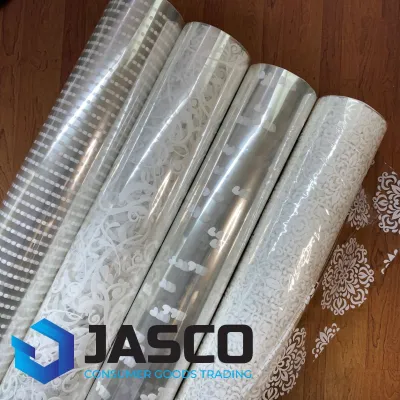
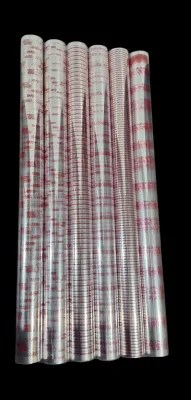
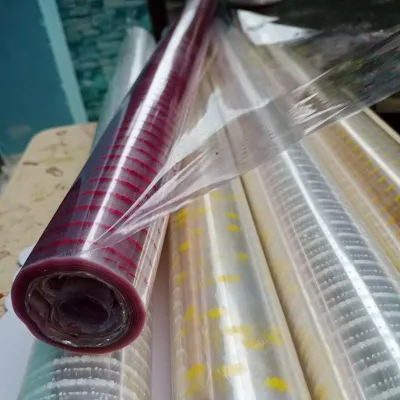
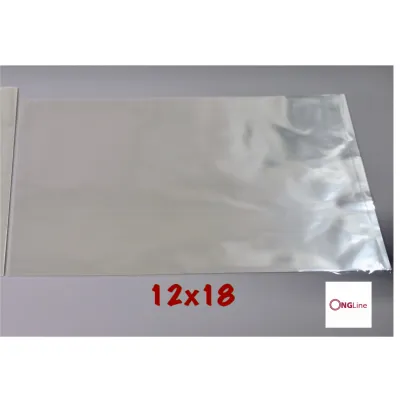
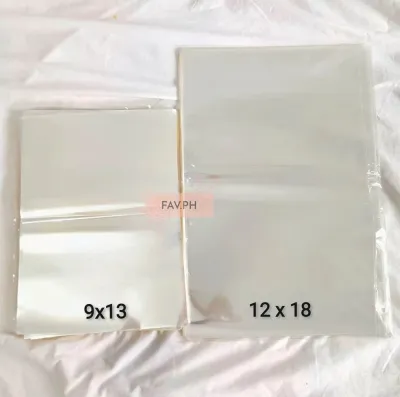
Prices are valid at publication and may change. Please refer to the product page for the latest price.
Flat sheets offer a convenient, pre-cut solution for uniform items. They are ideal for wrapping single books, small boxes, or standard-sized pastry trays. Because they require no cutting, flat sheets save time during high-volume preparation, though they offer little flexibility if your item is larger than the sheet dimensions.
Continuous rolls provide the ultimate flexibility for wrapping irregular or oversized items. With a roll, you can pull and cut the exact length required, making it the preferred choice for tall floral arrangements or bulky gift baskets. This format minimizes waste, as you only use what each specific item demands, though it requires a clean cutting tool and a steady hand to achieve neat edges.
Pre-made bags, available in both flat and gusseted styles, significantly reduce assembly time. Flat bags work exceptionally well for flat items like single cookies, art prints, or greeting cards. Gusseted bags feature folded sides that expand, making them perfect for standing upright when filled with loose candies, popcorn, or dimensional crafts. These bags can be secured quickly using heat sealers, twist ties, or adhesive closures.
When evaluating any format, pay close attention to thickness and clarity. Cello wrap thickness is typically measured in mils (thousandths of an inch) or microns. A higher thickness provides greater rigidity and tear resistance, which is essential for heavy or sharp items. Clarity is equally important; high-quality wraps offer crystal-clear transparency that showcases the contents, while lower-grade alternatives may appear slightly cloudy or yellowed under bright retail lighting.
Matching Cello Wrap to Your Specific Wrapping Needs
Wrapping Gifts, Baskets, and Craft Items
Gift baskets and craft arrangements require a cello wrap that provides both structural support and an attractive finish. Because these items are often heavy or awkwardly shaped, the wrap must hold its shape when gathered at the top and tied with a ribbon.

To wrap a bulky basket successfully, you must calculate the required dimensions carefully. Measure the width of the basket base, add twice the height, and include an extra ten to twelve inches of material. This extra length ensures you have enough wrap to gather securely at the top without compressing the contents or leaving gaps on the sides.
Thickness is a critical factor when wrapping items with sharp edges, heavy bases, or rigid corners. For standard gift baskets, look for a wrap with a thickness of at least 1.2 to 1.5 mils. This weight prevents the corners of boxes or the edges of wooden crates from puncturing the film during transport, ensuring your presentation remains intact from assembly to delivery.
Additionally, verify the material’s compatibility with decorative elements. High-quality cello wrap resists clouding or tearing when you apply adhesive tapes, hot glue, or tight ribbons. Some lower-grade films can stretch or warp under tension, which ruins the clean, crisp look of your gathered top. Choosing a resilient wrap ensures your bows and ribbons sit securely without distorting the film.
Packaging Food, Baked Goods, and Edible Treats
Packaging consumables requires strict attention to material safety and freshness. Not all clear wraps are safe for direct contact with food, making it essential to verify product specifications before packaging any edible items.
Always check the product label or manufacturer specifications for explicit food-safe or food-grade certifications. In tropical climates where warm temperatures and high humidity can accelerate food spoilage, using certified food-grade wrap ensures that no harmful chemicals migrate from the plastic into your baked goods. Never assume a wrap is food-safe simply because it is clear or sold in a craft section.
The sealing method you choose directly impacts the shelf life of your treats. For items that spoil quickly, such as soft cookies or moist cakes, pre-made bags that support heat sealing are highly effective. Heat sealing creates an airtight barrier that locks in freshness and keeps out humid air. For drier treats like hard candies or biscotti, a simple twist tie or adhesive closure may suffice, offering easier access for the consumer.
Moisture and grease barrier properties are also vital when packaging oily or buttery treats. High-quality food-grade cello wrap prevents butter and oils from seeping through the film, which would otherwise create unsightly smudges on the exterior. A strong moisture barrier also prevents crispy cookies from absorbing ambient humidity and becoming soft and stale.
Arranging Flower Bouquets and Live Plants
Floral arrangements present a unique challenge because they combine heavy, wet stems with delicate, easily crushed blooms. The cello wrap you select must be entirely waterproof while providing enough structural strength to support the weight of the bouquet.
When wrapping fresh flowers, verify that the wrap is specified as waterproof or highly moisture-resistant. This is crucial if your arrangement utilizes damp floral foam, water tubes, or wet moss around the stems. A non-waterproof wrap can weaken, stretch, or leak when exposed to water, leading to messy drips and a collapsed arrangement during transport.
Sizing and shape are equally important to protect the delicate parts of the plant. Choose a roll with a generous width or a wide-gusseted sheet to ensure you can wrap the entire length of the stems while leaving ample room at the top. The wrap should form a protective cone around the bouquet, extending past the blooms to shield them from wind and physical contact without crushing the petals.
Puncture resistance is the final line of defense when working with live plants. Woody stems, sharp thorns, and floral wire can easily slice through thin, standard gift wrap. Opt for a heavy-duty floral wrap, typically 1.6 mils or thicker, to ensure that thorns and wire remain contained within the package, protecting both the handler and the arrangement itself.
Essential Checks Before You Buy
Before finalizing your purchase of cello wrap, performing a few quick checks will save you time, money, and frustration. Taking these steps ensures the material matches your tools and environment perfectly.
First, measure your target items and compare them against the product’s stated dimensions. Always err on the side of caution by purchasing a slightly wider roll or larger sheets than you think you need. It is far easier to trim away excess material than to try to stretch a piece of wrap that is too small to cover a gift basket or bouquet securely.
Second, if you plan to use pre-made bags with a heat sealer, review the manufacturer’s instructions for recommended sealing temperatures. Different materials, such as polypropylene and true cellophane, melt at different temperatures. Using the wrong heat setting can result in a weak seal that easily pops open, or worse, completely melts and ruins the bag.
Finally, consider your local storage conditions. In tropical climates, high heat and humidity can cause low-quality cello wrap to degrade, become brittle, or stick to itself on the roll. Store your unused wrap in a cool, dry place away from direct sunlight to preserve its clarity, flexibility, and strength for future projects.
Frequently Asked Questions (FAQ)
Is all cello wrap safe for direct food contact?
No, not all cello wrap is safe for direct food contact. Many decorative wraps sold in craft stores contain additives, plasticizers, or colorants that are not approved for food use. Always look for explicit food-grade or food-safe labeling on the packaging before wrapping edible items.
Can I use standard gift cello wrap for flower bouquets?
It is not recommended to use standard gift cello wrap for fresh flower bouquets. Standard gift wrap often lacks the necessary moisture resistance and puncture strength, meaning it can weaken, leak, or tear when exposed to damp stems, floral wire, or sharp thorns.
Community discussion
Share your experience or ask a question. Comments are reviewed before publication.