
Choosing the right ceramic clay is the most critical decision you will make before sitting down at the pottery wheel or hand-building table. The clay body you select determines not only how easy your piece is to shape, but also whether it can withstand the intense heat of the kiln and function as intended in daily life. By understanding the unique characteristics of earthenware, stoneware, and porcelain, you can match your material to your specific project goals and firing equipment, ensuring a successful and rewarding crafting experience.
Working with clay requires a balance of patience and technical knowledge. In tropical climates, such as in the Philippines, environmental factors like high humidity and ambient warmth play a significant role in how clay behaves on the workbench. Selecting a clay body that aligns with your skill level and studio setup will save you from the frustration of cracked, warped, or structurally weak finished pieces.
Understanding the Three Main Types of Ceramic Clay
Ceramic clays are generally categorized into three primary families based on their mineral composition, firing temperatures, and post-firing porosity. Earthenware is a low-fire clay that typically matures at temperatures between 950°C and 1100°C. Because it is fired at lower temperatures, earthenware remains relatively porous and lightweight after firing. It absorbs water easily unless it is completely sealed with a compatible glaze, making it a traditional choice for decorative items and rustic pottery.
Products mentioned in this guide
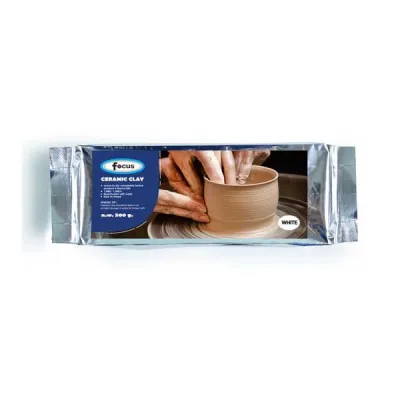
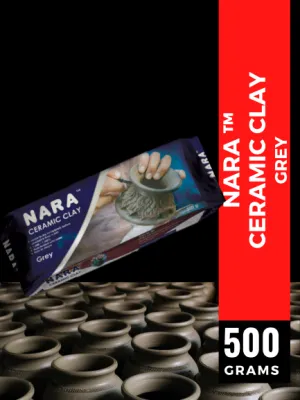
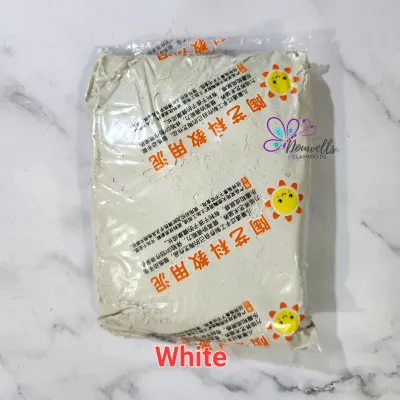
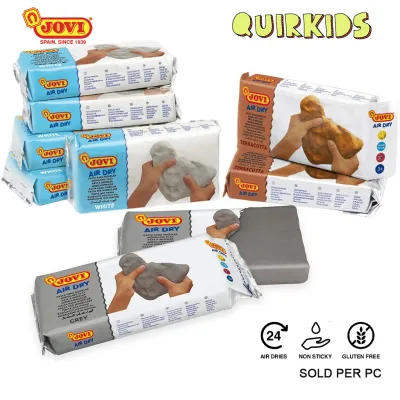
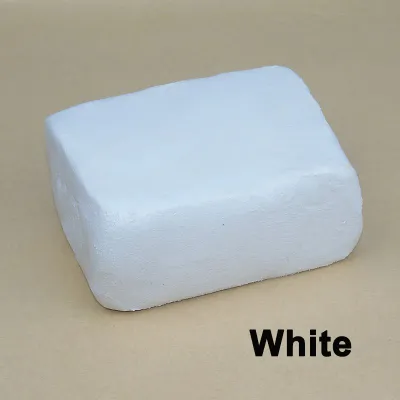
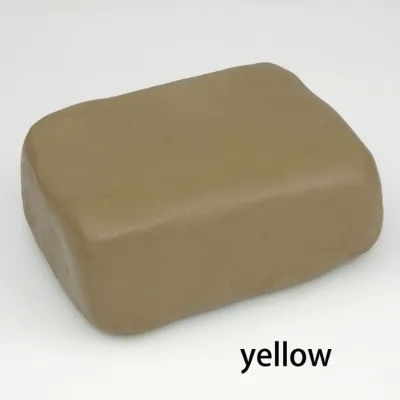
Prices are valid at publication and may change. Please refer to the product page for the latest price.
Stoneware represents the versatile middle ground of the ceramic world, firing at mid- to high-temperature ranges, usually between 1150°C and 1300°C. During the firing process, stoneware undergoes vitrification, a chemical transformation where the clay particles fuse together to form a dense, stone-like material. This results in a highly durable, heavy, and water-resistant finished piece, even when left unglazed. Stoneware is highly favored for functional, everyday items because of this inherent strength.
Porcelain is a high-fire clay body composed primarily of kaolin, firing at temperatures often exceeding 1200°C to 1400°C. When fully vitrified, porcelain becomes extremely dense, hard, and translucent when thrown or cast into thin walls. However, its refined mineral structure makes it highly brittle and difficult to work with in its wet state. Because exact firing temperatures, shrinkage rates, and absorption percentages vary significantly by manufacturer, you must always verify these specifications on the product label before purchasing.
Matching Clay Types to Your Skill Level and Project Goals
For beginners and hobbyists, earthenware is highly recommended due to its forgiving nature and high plasticity. It is easy to manipulate, holds its shape well during hand-building, and is less prone to warping or collapsing on the wheel. If you are planning projects like decorative wall tiles, hand-sculpted figurines, or traditional terracotta plant pots, earthenware is an excellent choice. The natural porosity of unglazed earthenware plant pots is actually beneficial for root health, as it allows excess moisture to evaporate through the walls.

Stoneware is the ideal choice for intermediate crafters and those focused on creating functional kitchenware. If your goal is to craft daily-use mugs, soup bowls, baking dishes, or sturdy vases, stoneware provides the necessary durability to withstand frequent washing and temperature changes. It is highly adaptable to both wheel throwing and hand-building techniques, offering a stable structure that resists warping during the drying and firing stages.
Porcelain is best reserved for advanced ceramic artists who have mastered moisture control and delicate handling. Its lack of plasticity means it tears easily and can collapse under its own weight if too much water is used on the wheel. Despite these challenges, the reward of working with porcelain lies in its refined, smooth surface and its ability to showcase delicate details, vibrant glaze colors, and beautiful translucency. It is the premier choice for fine jewelry, delicate teacups, and high-end decorative art.
Key Factors to Check Before Buying Ceramic Clay
Before purchasing a bag of clay from an art supply store or online marketplace, you must verify its pyrometric cone rating. Pyrometric cones measure the heat work (the combination of time and temperature) inside a kiln. You must match the clay’s cone rating to the maximum temperature capability of the kiln you plan to use. Firing a low-fire earthenware clay in a high-fire stoneware kiln will cause the clay to melt into a destructive puddle on the kiln shelf, while underfiring a high-fire clay will leave it weak, chalky, and highly porous.
Consider the preparation state of the clay and how it fits your preferred forming technique. Moist clay is pre-mixed and ready to use straight out of the bag, which is highly convenient for most hobbyists. Dry powder clay is more economical but requires careful mixing, safety equipment to avoid inhaling silica dust, and a curing period. Additionally, check if the clay contains “grog”—fine particles of pre-fired clay. Grog adds structural strength and reduces shrinkage, making it excellent for large hand-built sculptures, though it can feel abrasive on your hands during wheel throwing.
Finally, review the manufacturer’s instructions regarding glaze compatibility and food-safe certifications. Not all glazes fit all clay bodies; a mismatch in thermal expansion can cause glazes to crack (craze) or peel off (shiver) after firing. If you are making functional dinnerware, ensure both the clay body and the glazes you select are explicitly rated as food-safe by the manufacturer to prevent chemical leaching and to ensure the finished surfaces can be thoroughly sanitized.
Essential Preparation and Handling Tips for Success
Proper preparation is essential to prevent your ceramic pieces from cracking or exploding in the kiln. Wedging is the first step in any clay project. This process involves kneading the clay against a plaster or canvas board to eliminate trapped air bubbles and ensure an even distribution of moisture throughout the mass. Skipping this step can lead to structural failures, as trapped air pockets expand rapidly when heated in the kiln, causing the piece to fracture.
Managing drying times is another critical factor, particularly in warm or humid environments. Clay shrinks as water evaporates from it, and uneven drying causes internal stress that leads to cracks. Stoneware and porcelain shrink more than earthenware and require a slow, controlled drying process. You can manage this by covering your damp pieces loosely with plastic sheets, allowing them to dry gradually over several days rather than exposing them to direct sunlight or sudden drafts.
Proper storage is vital to preserve the quality of your unused clay. Keep your clay tightly sealed in heavy-duty plastic bags to prevent it from drying out. In humid tropical climates, damp clay stored for long periods can develop mold. While a small amount of mold actually improves the clay’s plasticity over time, you can minimize excessive growth by using clean water when working and sealing the storage bags airtight in a cool, dark place.
Frequently Asked Questions (FAQ)
Can I mix different types of ceramic clay together?
Mixing different types of ceramic clay is generally not recommended because each clay body has a unique shrinkage rate and firing temperature. If you blend a low-fire clay with a high-fire clay, the mixture may warp, crack, or structurally fail during the drying or firing process. If you wish to experiment with custom blends, always test small batches by firing test tiles first to observe how the combined materials behave under heat.
Is air-dry clay the same as ceramic clay?
No, air-dry clay and ceramic clay are entirely different materials. Air-dry clay contains special binders and fibers that allow it to harden at room temperature without the need for a kiln. While convenient for simple crafts, air-dry clay is not waterproof, durable, or food-safe. Traditional ceramic clay must undergo high-temperature kiln firing to achieve vitrification, making it the only suitable option for functional pottery, dinnerware, and long-lasting outdoor items.
Community discussion
Share your experience or ask a question. Comments are reviewed before publication.