
Selecting the perfect Christmas wrapping paper involves balancing visual appeal with practical usability. The ideal design should reflect your relationship with the recipient and suit their personal style, while the paper’s physical characteristics must match the size, weight, and shape of the gift. Additionally, considering how the paper handles local tropical humidity ensures your carefully wrapped presents remain pristine and beautiful until they are opened.
Choose Designs Based on Your Relationship with the Recipient
To set the right tone for your holiday gift-giving, start by evaluating your relationship with each recipient. For intimate connections, such as a spouse, partner, or immediate family members, choose designs that feel warm, personal, and deeply festive. Rich jewel tones, classic holiday scenes, or custom patterns that evoke shared memories show that extra thought went into the presentation. These gifts often sit under the tree for weeks, so selecting a design that complements your home’s holiday decor is a wonderful way to build anticipation before Noche Buena.
For casual relationships, such as neighbors, casual acquaintances, or participants in a festive Monito Monita exchange, opt for friendly yet neutral designs. Playful holiday patterns like stylized pine trees, snowflakes, or warm geometric prints in festive colors strike the perfect balance. They convey holiday cheer without feeling overly personal or intense. Neutral designs also work beautifully when you need to wrap multiple gifts for a large group, ensuring everyone receives a beautifully wrapped package that feels universally welcoming.
Products mentioned in this guide
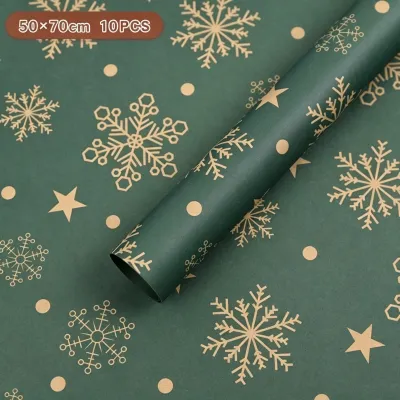
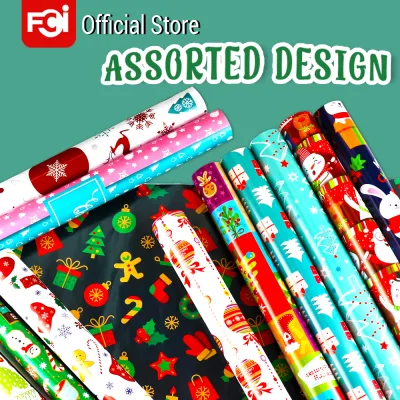
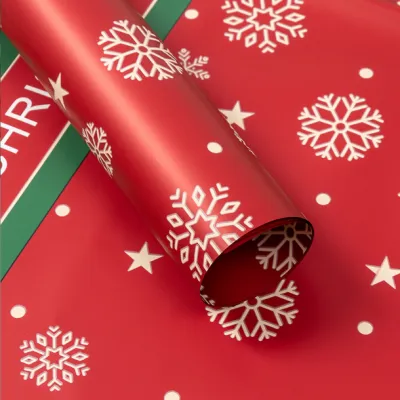
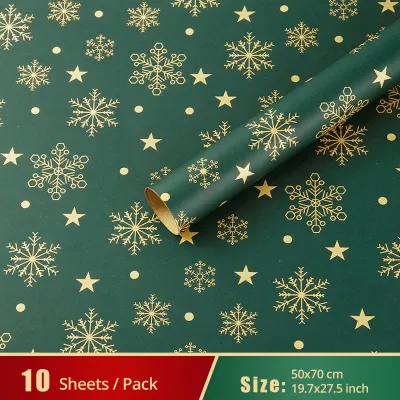
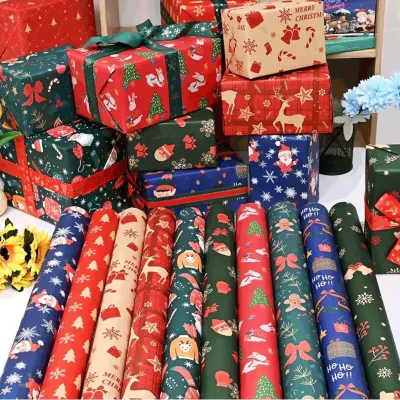
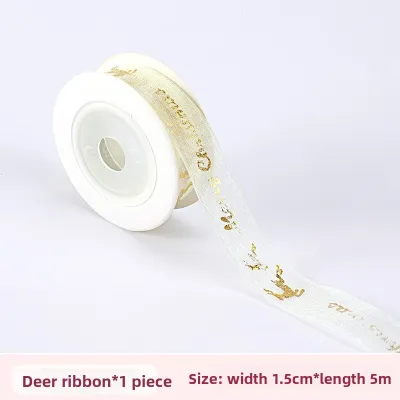
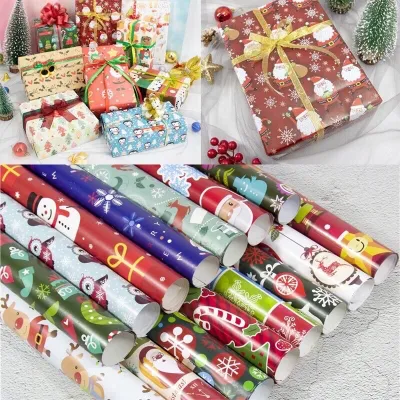
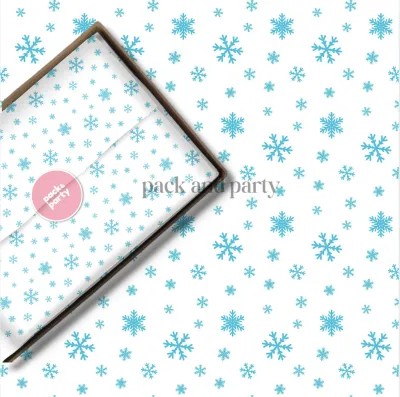
Prices are valid at publication and may change. Please refer to the product page for the latest price.
Formal relationships, including corporate clients, supervisors, or professional contacts, require a more sophisticated approach. For these recipients, minimalist or elegant designs are highly appropriate. Solid metallic tones like champagne gold or muted silver, paired with high-quality kraft paper and a simple fabric ribbon, project professionalism and respect. Avoid overly cartoonish or highly personal motifs in these settings, as clean lines and understated elegance are much better suited for a professional exchange.
Pick Styles That Fit the Recipient's Age and Interests
A recipient’s age and personal interests should heavily influence the colors and patterns you select. For young children, the wrapping paper is often just as exciting as the gift inside. Choose bright, high-contrast, and highly visual designs featuring cheerful characters like cartoon reindeer, smiling snowmen, or playful elves. Some papers even feature interactive elements, such as search-and-find puzzles or coloring-book patterns, which can keep children entertained during busy holiday gatherings.
Teens and young adults generally appreciate trendy, modern, or hobby-specific designs. Instead of traditional bright reds and greens, look for contemporary color palettes like pastel pinks, sage greens, or deep navy blues paired with metallic accents. Quirky illustrations, retro holiday aesthetics, or eco-friendly kraft paper wrapped with colorful jute twine are highly popular. This demographic often values unique, photogenic presentations that look beautiful when shared with friends or displayed on social feeds.
For older adults and seniors, classic, elegant, or high-contrast patterns are usually the most appreciated choices. Traditional damask, rich gold foil accents, or vintage holiday illustrations offer a sense of nostalgia and timeless refinement. High-contrast designs are not only visually striking but also easier to see in dimly lit living rooms during evening family reunions. Opting for high-quality paper with a tactile texture can also elevate the sensory experience of receiving the gift.
Matching the paper design to a specific hobby adds an extra layer of personalization. If you are wrapping a gift for an avid gardener, look for botanical holiday prints featuring holly, ivy, or pinecones. For tech enthusiasts or those with a modern aesthetic, clean geometric lines or sleek monochromatic finishes match their personal style perfectly. Taking the time to align the wrapping style with the recipient’s lifestyle shows a high level of care and attention to detail.
Match the Paper Format to the Gift's Size and Shape
Before purchasing your wrapping paper, it is essential to match the paper format to the physical dimensions and weight of your gifts. Standard wrapping paper rolls are typically 30 inches wide, which is ideal for medium-to-large boxes. However, if you are wrapping smaller items like jewelry, books, or cosmetics, smaller 15-inch rolls or pre-cut sheets are much easier to handle. Using the correct width minimizes waste and prevents you from having to manage excess paper while trying to make clean folds.
Irregularly shaped gifts, such as plush toys, clothing, or round containers, require a highly flexible, lighter-weight paper. Stiff, heavy-duty paper is difficult to mold around curves and is prone to creasing awkwardly or tearing at tension points. For these items, a more pliable paper or even high-quality tissue paper used in layers is often a better choice. Alternatively, you can place the irregular item inside a sturdy gift box first, which provides flat surfaces and sharp corners that are much easier to wrap cleanly.
Heavy or sharp-edged items demand thicker, high-gsm (grams per square meter) paper to prevent punctures and tears during transport. If you are wrapping a heavy book, a wooden toy, or a boxed appliance, thin paper will easily tear at the corners when pulled taut. Choosing a heavy-weight paper ensures the wrap remains intact even when handled frequently. Additionally, if you plan to create complex decorative folds, pleats, or large, elaborate bows, remember to budget extra material, as these techniques consume significantly more paper than a standard flat wrap.
Inspect Paper Quality and Usability Before Buying
Evaluating the quality and usability of wrapping paper before buying can save you significant time and frustration. When budgeting your ₱ for holiday supplies, pay close attention to the paper’s weight and finish. High-quality paper should feel substantial to the touch; if it feels as thin as newsprint, it is highly likely to tear when you attempt to fold it tightly around a box. A medium-weight paper offers the best balance of durability and foldability.
The surface finish of the paper plays a major role in how easy it is to wrap and decorate. Matte paper is highly versatile because it accepts almost all types of ink, allowing you to write holiday greetings directly on the paper with gel pens or markers without worrying about smudging. It also holds standard adhesive tape incredibly well. Glossy paper, while vibrant and festive, has a slick surface that can cause ink to smear and may require specialized tape to stay secure. Textured, embossed, or glittered papers add a wonderful tactile element but can be challenging to tape down, often requiring strong double-sided tape or decorative twine to hold the folds in place.
Consider the format of the paper and how it fits your wrapping workflow. Many high-quality wrapping papers feature grid lines printed on the reverse side, which is an incredibly helpful guide for cutting straight lines and reducing waste. If you have a large volume of gifts to wrap, pre-cut sheets can speed up the process significantly. Finally, keep in mind the local tropical climate; high humidity can cause paper to absorb moisture, making it limp and difficult to cut cleanly. Storing your rolls in a dry, sealed container or a cool room before wrapping will help maintain their crispness and structural integrity.
Frequently Asked Questions (FAQ)
Can I use the same wrapping paper design for all my gifts?
Using a single wrapping paper design for all your gifts is an excellent way to create a cohesive, visually stunning display under your Christmas tree. This approach is highly efficient, simplifies your shopping, and is often more budget-friendly since you can purchase rolls in bulk. To prevent the gifts from looking too uniform or impersonal, you can customize each package using different accessories. Try varying the colors of the ribbons, adding personalized gift tags, or tying in natural elements like dried cinnamon sticks, local twine, or fresh green leaves to give each recipient a unique presentation.
How do I prevent dark or heavily patterned paper from showing the box underneath?
Thin or low-opacity wrapping paper can sometimes allow the colorful branding, text, or dark colors of the inner gift box to show through, ruining the surprise. To prevent this, check the opacity of the paper before buying by holding it up to a light source or placing your hand behind it. If you are working with sheer paper, you can wrap the gift box in a layer of plain white tissue paper or butcher paper before applying the decorative wrapping paper. Placing the gift inside a plain white or kraft gift box first is another highly effective way to ensure a clean, opaque finish.
What type of tape works best with glossy or textured wrapping paper?
Standard clear tape often struggles to adhere to glossy, metallic, or heavily textured wrapping papers, leading to peeling edges as the paper naturally tries to unroll. For glossy or foil finishes, double-sided tape hidden beneath the folds provides a clean, professional look and a very secure hold. For textured, glittered, or handmade papers, standard tape will not grip the uneven surface; instead, use a high-tack craft tape, strong packaging tape, or secure the folds physically using decorative ribbons, jute twine, or colorful baker’s twine wrapped tightly around the entire package.
Community discussion
Share your experience or ask a question. Comments are reviewed before publication.