
Finding the right clear envelope size is essential to protect your important documents from tropical humidity, dust, and sudden downpours. To choose the correct size, you must match the physical dimensions of your papers, cards, or certificates to the internal usable space of the envelope rather than relying solely on generic size labels. A standard A4 sheet, a government-issued ID, or a school diploma each require a specific envelope margin to slide in smoothly without bending or tearing.
Standard Clear Envelope Sizes Explained
Clear envelopes are typically labeled using standard paper size conventions, such as A4, A5, Letter, and Legal. However, these labels refer to the size of the document the envelope is designed to hold, not the exact physical dimensions of the envelope itself. For example, an A4 clear envelope is manufactured to be slightly larger than a standard A4 sheet of paper so that you can insert and remove your documents without catching the edges.
This margin between the document size and the envelope size is critical for usability. A standard A4 paper measures 210 by 297 millimeters, while a corresponding clear envelope usually measures around 220 by 310 millimeters. This extra space accommodates the thickness of the paper and allows room for your fingers when retrieving the contents. If you attempt to use an envelope that matches your document’s dimensions exactly, you will likely struggle to insert the paper, resulting in crumpled corners.
Products mentioned in this guide
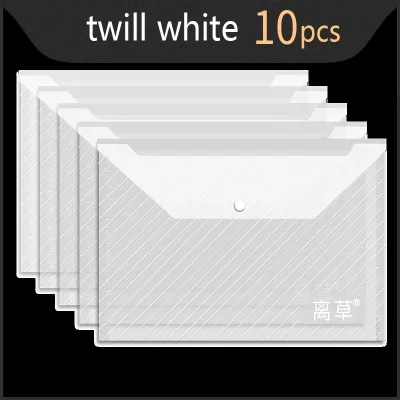
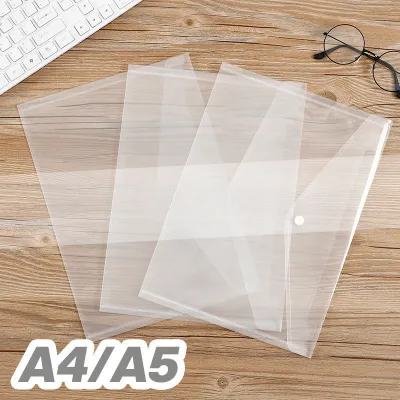
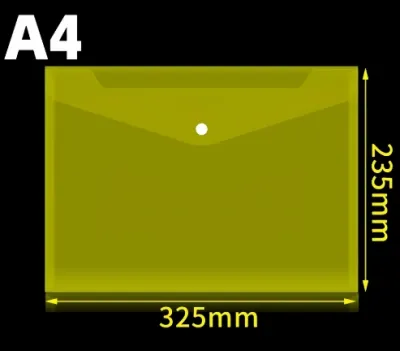
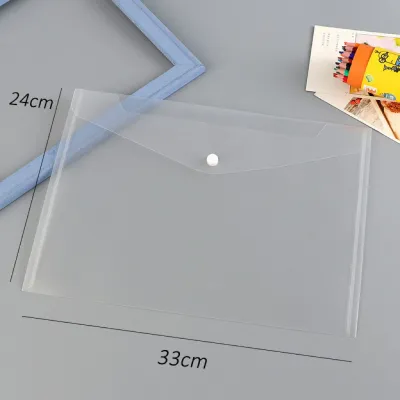
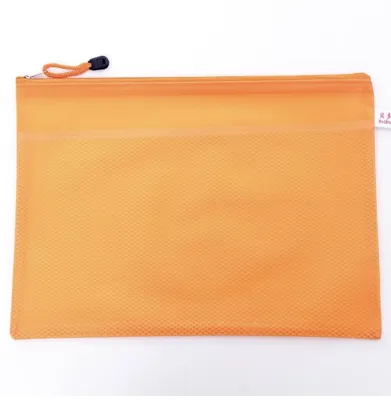
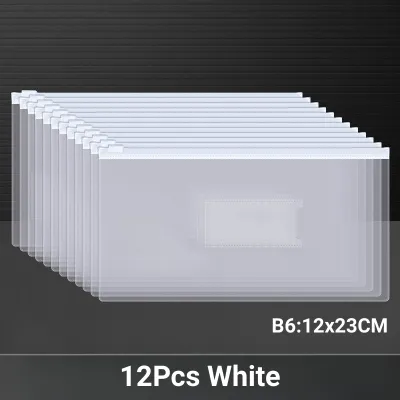
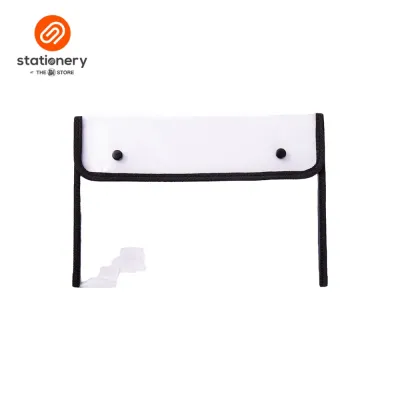
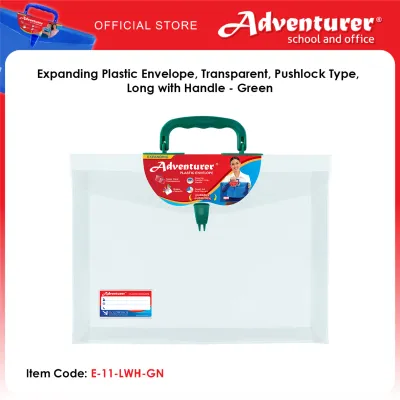
Prices are valid at publication and may change. Please refer to the product page for the latest price.
It is also important to note that sizing conventions and margins can vary slightly between manufacturers. An “A4” envelope from one brand might feature a generous five-millimeter margin on all sides, while another brand might offer a tighter fit. Because of these manufacturing tolerances, checking the actual physical dimensions listed in the product specifications is always more reliable than relying on the letter-number label alone.
Matching Envelope Sizes to Your Specific Documents
Selecting the right clear envelope involves matching your specific items to the correct size tier to ensure they remain flat, organized, and fully protected during storage or transit.

Small Items (IDs, Cards, and Receipts)
For everyday carry items like government-issued IDs, driver’s licenses, transit cards, and small retail receipts, pocket-sized clear envelopes are the most practical choice. These items are frequently handled and exposed to moisture, making a compact, protective sleeve highly beneficial. When selecting an envelope for these small items, always verify the internal usable space rather than the external sealed dimensions.
Because small envelopes often feature wide heat-sealed borders or zip-lock tracks, the actual space inside can be significantly smaller than the outer footprint. A tight fit can make it incredibly difficult to slide a rigid plastic ID card out when you need to present it. Additionally, prioritize secure closures like a mini slide-zipper or a press-and-seal track to prevent tiny, loose items like receipts or memory cards from slipping out while inside your bag.
Medium and Large Documents (Certificates and A4 Papers)
Medium and large documents, such as school diplomas, birth certificates, and standard A4 business reports, require careful sizing to prevent permanent creases or edge damage. Standard A4 papers fit comfortably in designated A4 clear envelopes, which are widely available on online marketplaces. However, formal certificates and diplomas often use non-standard dimensions or thicker, textured cardstock that does not bend easily.
If you are storing a thick stack of A4 papers or a document that is already housed inside a paper certificate holder, a standard A4 envelope will be too tight. In these cases, look for a slightly oversized option, such as an A4+ or a Legal-size clear envelope. These larger sizes provide the necessary volume to accommodate the bulk without forcing the edges to curl. Furthermore, for large documents, choose envelopes made from rigid or thicker plastic materials to provide structural support and prevent the entire package from bending when carried in a soft backpack.
Crucial Specifications to Check Beyond Dimensions
Once you have identified the correct dimensions, several secondary specifications will determine how well the clear envelope performs in daily use. Material thickness is one of the most critical factors to evaluate. Plastic thickness is typically measured in microns or gauge; a thicker envelope offers better tear resistance and structural rigidity, which is especially important for protecting delicate certificates from bending in humid tropical climates.
The closure mechanism also plays a major role in both security and accessibility. Slide zippers and plastic snap buttons are excellent for envelopes that you plan to open and close frequently, such as those holding active school projects or daily work documents. Velcro closures offer quick access but can lose their grip over time if exposed to dust, while open-top sleeves are best suited for documents that will remain archived inside a larger binder.
Finally, consider the transparency level of the plastic. Completely clear envelopes are ideal when you need to quickly identify the contents or display an ID card without removing it. However, if you are carrying sensitive documents like bank statements or personal certificates, a frosted or semi-opaque finish provides a helpful layer of privacy while still allowing you to see the general shape of the contents inside.
How to Measure and Verify Before Purchasing
To avoid sizing mistakes when shopping on an ecommerce platform, always measure the thickest part of your document stack rather than just a single sheet. A stack of twenty A4 pages takes up significantly more physical volume than a single sheet, which reduces the effective width and length of the envelope. If your stack is more than a few millimeters thick, you will need to step up to the next envelope size or look for an envelope with a built-in expandable gusset.
Always cross-reference your measurements with the detailed product description, looking specifically for the “internal usable dimensions” rather than the “external dimensions.” Whether you are spending ₱20 on a single pocket sleeve or ordering a bulk pack for your office, performing a physical test fit prevents wasted money and time. If you are dealing with non-standard, irregularly shaped, or unusually thick documents, it is highly recommended to purchase a single sample or a mixed-size pack first.
Frequently Asked Questions (FAQ)
Can I use an A4 clear envelope for Legal size documents?
No, you should not use an A4 clear envelope for Legal-size documents. Standard Legal paper is longer than A4 paper, measuring 215.9 by 355.6 millimeters compared to A4’s 210 by 297 millimeters. Forcing a Legal-size document into an A4 envelope will cause the top of the paper to stick out, preventing the envelope from closing and leaving the document exposed to damage, or it will force you to fold the paper, causing permanent creases. Always purchase designated Legal-size clear envelopes for these longer documents.
Do clear envelopes protect documents from water?
Standard clear envelopes made of plastic materials like polypropylene are inherently water-resistant and will protect your documents from light splashes or high humidity. However, they are rarely fully waterproof. Water can still seep through the seams, needle holes from stitching, or the closure mechanism, especially if the envelope is fully submerged or exposed to heavy rain. For critical documents, verify if the envelope features heat-welded seams and a secure zip-lock closure to ensure a higher level of moisture protection.
Community discussion
Share your experience or ask a question. Comments are reviewed before publication.