
Choosing the right clipboard involves matching the tool to your environment, daily transit, and specific writing needs. In the Philippines, where high tropical humidity, sudden monsoon rains, and active daily commutes on jeepneys or the LRT are common, selecting the wrong material or clip type can leave you with warped boards, crumpled papers, or rusted components. The ideal choice depends on whether you need a lightweight, space-saving board for campus life, a polished folio for corporate meetings, or a rugged, weather-resistant storage box for field operations.
To make the best decision, consider how you will carry the board, the volume of paper you need to secure, and the environmental conditions you will face. While a basic hardboard model is inexpensive and highly rigid, it lacks the protective features required for outdoor work or high-stakes business presentations. By evaluating your primary workspace, you can select a board that keeps your documents clean, secure, and easy to write on.
Best Clipboard Features for Students and Campus Life
Campus life requires high mobility and adaptability. Students frequently transition between air-conditioned lecture halls, humid outdoor study kiosks, and crowded libraries, often writing on their laps, small tablet chairs, or even while standing during group projects.
Products mentioned in this guide
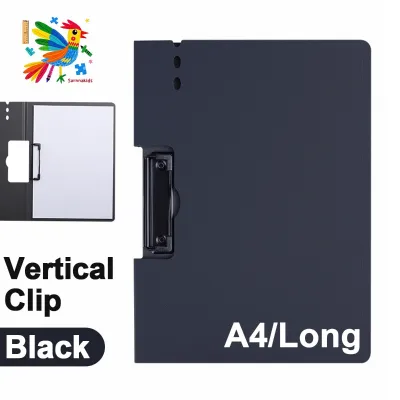
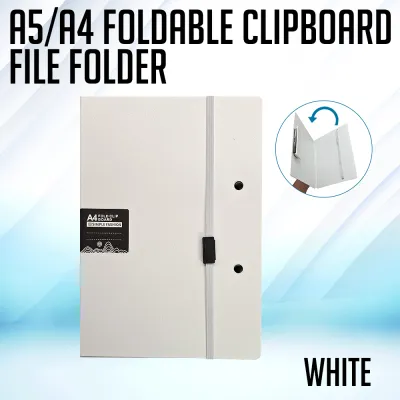
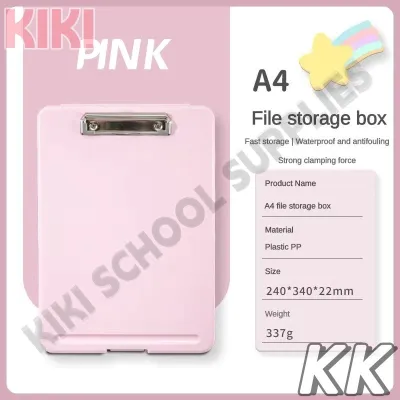
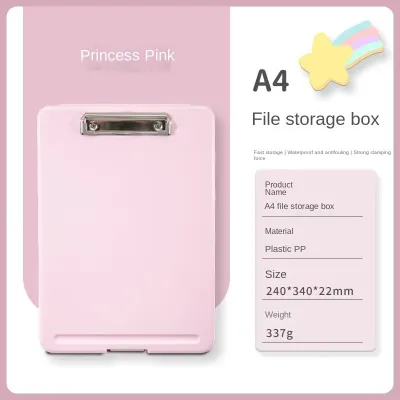
Prices are valid at publication and may change. Please refer to the product page for the latest price.
Standard Hardboard vs. Foldable Clipboards
Traditional hardboard clipboards, made from compressed wood fibers (MDF), are a staple on campus because they are highly rigid and very affordable, often costing under ₱100 in local bookstores. They provide an exceptionally smooth, flat writing surface that supports heavy pressure, which is ideal when taking fast-paced lecture notes. However, their rigid, unyielding shape makes them bulky and difficult to slide into a packed backpack alongside heavy textbooks and laptops.
Foldable clipboards, typically constructed from lightweight aluminum or flexible, high-impact plastic with a central hinge, offer a modern alternative. These models fold down to half their size, easily fitting into a small tote bag or even a large pocket. The primary trade-off is the writing surface itself; while modern foldable designs minimize the center gap, you may feel a slight dip when writing directly over the hinge line. To decide between the two, check your backpack’s interior dimensions and daily transit needs to determine if space-saving portability is worth a minor compromise in writing surface seamlessness.
Storage and Portability Needs
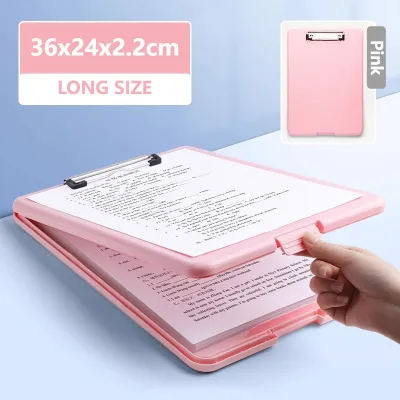
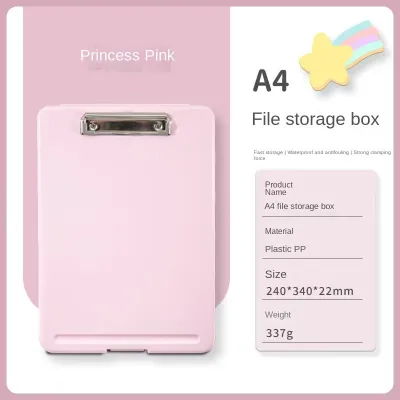
A simple metal clamp is sufficient for holding a single exam sheet, but a typical school day involves managing a mix of loose syllabus sheets, hand-outs, and writing instruments. Carrying these loose in a bag risks tearing, folding, or water damage from a sweating water bottle. Storage clipboards feature a hollow interior compartment or a protective fold-over cover that shields your documents from physical wear and environmental moisture.
When choosing a storage model, verify the manufacturer’s specified paper capacity. Most standard student storage clipboards hold between 50 and 100 sheets of standard 70gsm or 80gsm paper. Look for models that include built-in pen loops, secure snap latches, or dedicated slots for highlighters and rulers. This keeps all your essential study tools in one place, reducing the need to carry a separate pencil case and making it easier to study on the go.
Ideal Clipboards for Office and Professional Desk Work
In a professional office setting, a clipboard serves as both an organizing tool and a component of your professional presentation. Moving from your desk to a board meeting, client consultation, or interview requires a clean, polished aesthetic that keeps sensitive documents confidential and secure.

Presentation and Document Protection
Using a basic raw hardboard or bright neon plastic clipboard in a corporate meeting can look overly casual. Professional environments call for premium materials such as faux leather (PU leather), genuine leather, or sleek matte-finished acrylic. These materials offer a sophisticated appearance while providing a firm, smooth writing surface that does not flex during use.
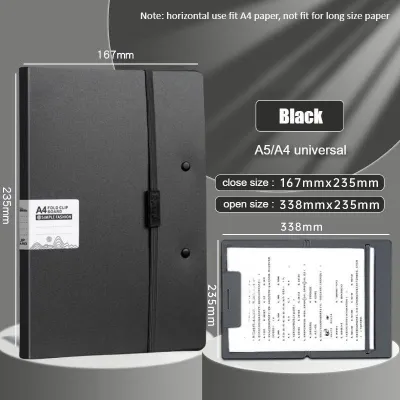
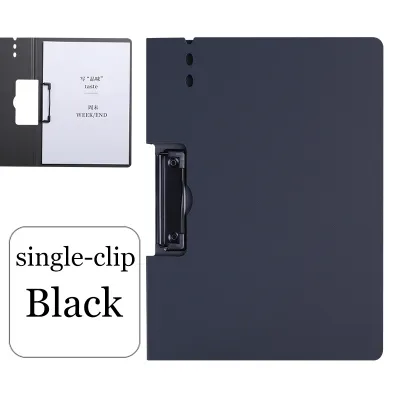
Many professional clipboards feature a folding front cover, transforming the board into a sleek folio. This cover protects sensitive documents from dust, accidental spills, and wandering eyes during meetings. Pay close attention to the clip style; low-profile, recessed, or wire clips are ideal for office settings. Unlike bulky traditional butterfly clips, low-profile clips allow you to stack multiple folders neatly or slide them smoothly in and out of briefcases, desk drawers, and filing cabinets without snagging.
Multi-Page and Specialized Office Clipboards
Office workflows like auditing, inventory tracking, or human resources evaluations often require managing multiple documents simultaneously. Standard clipboards can struggle to hold thick stacks securely, leading to misaligned pages or torn paper edges. Specialized office clipboards address this with heavy-duty spring mechanisms, often featuring rubberized corner grips that hold up to 100 sheets of paper firmly without leaving deep indentations or marks on your documents.
For complex tasks, consider specialized designs such as dual-sided boards, forms-holders with secondary internal clips, or boards with integrated calculators. When selecting a board for heavy document stacks, always verify the manufacturer’s guidelines on maximum paper capacity and clip tension. Ensuring the mechanism is rated for your typical document volume prevents paper slippage and keeps your multi-page reports perfectly aligned.
Heavy-Duty Clipboards for Field Work and Outdoor Conditions
Field environments—including construction sites, logistics hubs, agricultural fields, and emergency medical scenes—present severe physical challenges. Workers must document information while standing, walking, or dealing with unpredictable weather conditions like intense tropical heat or sudden rain showers.
Weather Resistance and Durability
Standard cardboard, MDF, or cheap plastic clipboards quickly warp, peel, or crack when exposed to high humidity and rain. For outdoor durability, look for industrial materials like heavy-gauge aluminum or high-impact, UV-stabilized plastics. Aluminum is exceptionally lightweight, rigid, and resistant to cracking under physical impact, making it the industry standard for field work.
However, do not assume all metal boards are completely waterproof. Verify the product specifications to ensure the clip spring, rivets, and hinges are made of rust-resistant stainless steel or treated with a corrosion-resistant coating. Additionally, look for boards with a textured or matte non-slip backing. This feature provides a secure grip when handling the board with wet hands or work gloves, preventing accidental drops in active work zones.
Storage Compartments and One-Handed Use
Field workers often need to carry more than just a single sheet of paper; they must manage multi-part carbonless forms, reference manuals, measuring tools, and mobile devices. Heavy-duty storage clipboards feature deep, weather-sealed internal cavities—often 1 to 2 inches deep—that act as portable briefcases, keeping your essential gear dry and organized.
Ergonomic design is crucial when writing without the support of a desk. Look for field clipboards equipped with rear hand straps, integrated finger grips, or lanyard holes. These features facilitate secure, comfortable one-handed operation while standing or walking, significantly reducing arm fatigue during long shifts. Before purchasing, check the empty weight of the clipboard; a heavy aluminum storage box can quickly become tiring to carry around a large job site all day.
Can One Clipboard Handle Multiple Scenarios?
If your routine spans different environments—such as a student who also conducts outdoor field research, or an office manager who occasionally visits logistics warehouses—you might wonder if a single clipboard can meet all your needs. While specialized clipboards excel in their specific niches, a high-quality hybrid model can bridge the gap.
A versatile mid-tier option is a durable, high-impact plastic storage clipboard with a low-profile clip and a secure latch. This design is professional enough for an office desk, lightweight enough for a student’s backpack, and sufficiently weather-resistant to survive light outdoor use or humid commutes. It offers a practical compromise, protecting your documents from rain and bag clutter while providing a reliable writing surface.
However, hybrid models always involve trade-offs. A plastic storage clipboard will not look as elegant in a corporate boardroom as a faux-leather folio, nor will it withstand the extreme physical impacts of a heavy industrial site like a solid aluminum model would. If your primary task involves harsh outdoor conditions or strict corporate presentation standards, it is wiser to invest in a specialized tool. If your needs are moderate and varied, a durable, covered plastic clipboard offers the best balance of utility, protection, and value.
Quick Buying Checklist for Your Next Clipboard
Before finalizing your purchase at a local stationery store or online marketplace, use this quick checklist to ensure the clipboard meets your exact requirements:
- Size Compatibility: Confirm if the board fits your standard paper size. In the Philippines, both Letter (8.5 x 11 inches) and A4 (8.27 x 11.69 inches) are widely used, while some legal documents require a longer board (8.5 x 13 inches, commonly called long bond paper). Ensure the board is slightly larger than your paper to protect the edges.
- Clip Style and Strength: Choose low-profile clips for easy storage, stacking, and transport, or heavy-duty spring clips with rubber grips for holding thick stacks of paper securely.
- Material Durability: Opt for aluminum or high-impact plastic for outdoor and field use, faux leather for corporate settings, and classic hardboard or lightweight plastic for basic classroom needs.
- Storage Capacity: If you need to carry extra forms, pens, or devices, verify the internal depth and paper capacity specifications.
- Weight and Portability: Check the empty weight of storage models to prevent hand fatigue, and verify if the dimensions fit inside your daily commuter bag or backpack.
Frequently Asked Questions (FAQ)
Find quick answers to common questions regarding clipboard sizes, maintenance, and durability.
What is the standard size for a clipboard?
The most common clipboard size is designed to fit Letter-size paper (8.5 x 11 inches) or A4-size paper (8.27 x 11.69 inches). Most standard clipboards measure approximately 9 x 12.5 inches to provide a protective border around the edges of the sheets. Always check the exact dimensions listed by the manufacturer, especially if you regularly work with longer Legal-size documents (8.5 x 13 or 14 inches), which require specialized, longer boards to prevent the paper from hanging off the bottom.
How do I fix a loose clipboard clip?
Over time, a clipboard’s spring mechanism can lose its tension or accumulate dust and paper fibers. Start by cleaning any debris from around the hinge and spring using a small brush or compressed air. If the clip is attached with screws, try gently tightening them with a screwdriver. However, if the clip is secured with permanent metal rivets and the internal spring is bent, deformed, or broken, attempting to force the metal back into shape can crack the board or lead to sharp edges. In these cases, replacing the clipboard is the safest and most reliable option.
Community discussion
Share your experience or ask a question. Comments are reviewed before publication.