
The ideal clipboard depends entirely on where you work, how often you move, and what you need to carry alongside your papers. While a simple board with a metal clamp seems universal, a student navigating a crowded university campus needs vastly different features than an engineer inspecting a humid construction site or an office worker presenting a contract in an air-conditioned boardroom. Matching the board’s material, clip profile, and storage capacity to your daily routine ensures your documents remain crisp, secure, and easy to write on.
Choosing the wrong style can lead to crumpled assignments, rusted metal parts, or an unprofessional appearance during important meetings. By evaluating your specific environment—whether it is an academic campus, a corporate office, or an active outdoor field—you can select a tool that enhances your productivity rather than becoming a physical burden.
Best Clipboard Features for Students and Academic Use
Students need a balance of portability, protection, and organization to survive long days on campus. Carrying loose sheets of paper, handouts, and syllabus guides across lecture halls can quickly lead to crumpled documents if they are not properly shielded. A clipboard that doubles as a protective container is often the most practical choice for academic life.
Products mentioned in this guide
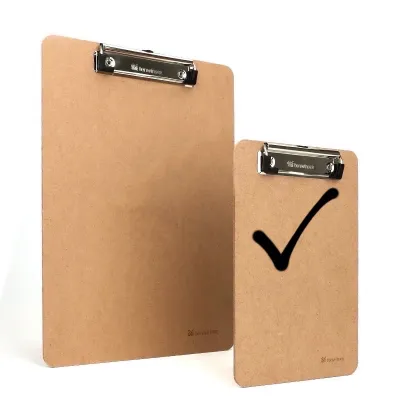
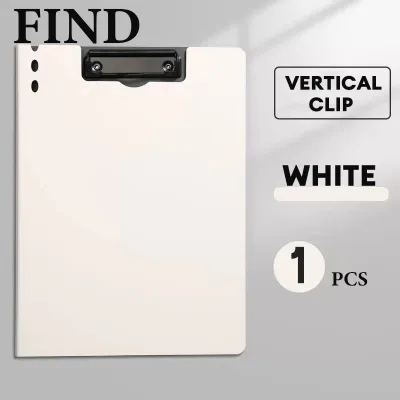
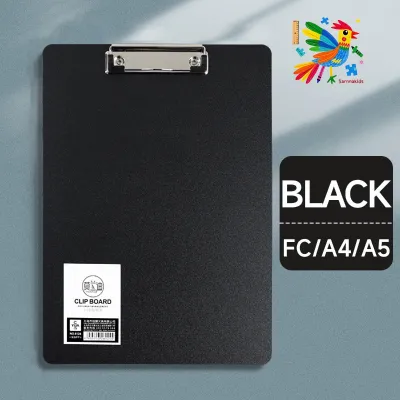
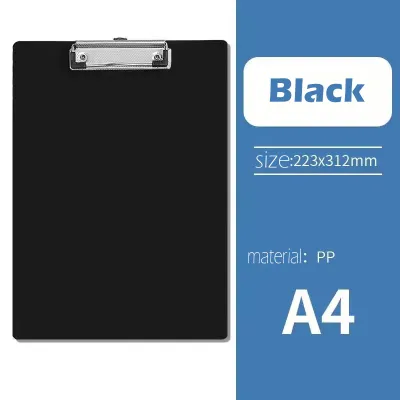
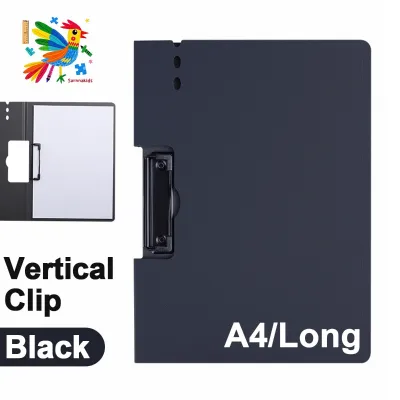
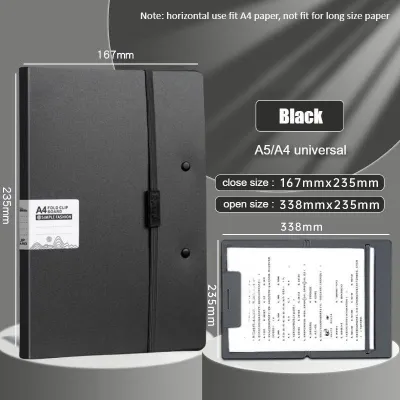
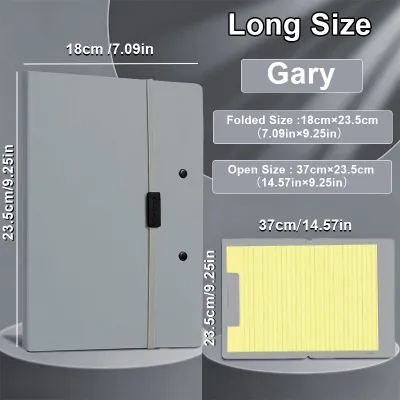
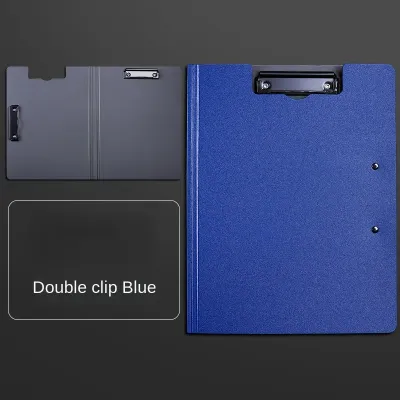
Prices are valid at publication and may change. Please refer to the product page for the latest price.
When walking between buildings or sitting in cramped lecture hall chairs with tiny fold-out desks, weight and profile are critical. Heavy wooden or thick metal boards can add unnecessary bulk to a backpack that is already loaded with textbooks and a laptop. Lightweight, high-density plastic boards offer a rigid writing surface without weighing you down during long walks across campus.
Built-in storage compartments are incredibly useful for securing essential tools like pens, pencils, highlighters, and even a basic scientific calculator. Many student-focused clipboards feature a hollow interior cavity that snaps shut, keeping your writing instruments and loose-leaf paper safe from sudden tropical downpours or accidental spills. This design allows you to carry a single item to a seminar instead of juggling a separate pencil case and notebook.
To protect your notes inside a crowded backpack, look for fold-over covers or dual-sided designs. A simple plastic flap or a folio-style cover prevents other items in your bag from tearing or staining your assignments. These covers also provide privacy, keeping your grades or personal notes hidden from view when you are studying in busy university libraries or student lounges.
Ideal Clipboard Types for Professional Office Environments
In a professional office setting, a clipboard serves as both a functional writing aid and a subtle reflection of your professional style. During client-facing meetings, board presentations, or interviews, a worn plastic or scratched metal board can look out of place. Opting for materials with a refined aesthetic, such as textured leatherette, polished wood, or sleek anodized aluminum, helps maintain a polished and professional appearance.

Organization is another key requirement for office workers who handle multi-page reports, contracts, and sensitive documents. Clipboard folios that integrate interior pockets, business card slots, and pen loops allow you to keep all necessary materials organized in one place. These folder integrations ensure that you do not drop loose pages when transitioning from your desk to a conference room.
The profile of the clip mechanism itself is highly important for office storage. Traditional high-profile wire clips can snag on other files and prevent the board from laying flat. Choosing a low-profile spring clip allows the clipboard to slide easily into standard desk drawers, filing cabinets, or slim briefcases without catching on nearby folders or wasting valuable storage space.
Additionally, consider how the clipboard interacts with different paper types. Office environments frequently use high-quality printed documents that can easily be indented or marked by overly aggressive metal clamps. Look for clips equipped with rubberized corner grips, which provide secure holding power without leaving unsightly creases or tears on important client contracts.
Heavy-Duty Clipboard Requirements for Field and Mobile Work
Fieldwork, outdoor inspections, and mobile logistics demand a level of durability that standard office stationery cannot provide. Whether you are conducting surveys in humid tropical climates, managing inventory in a dusty warehouse, or inspecting a construction site, your clipboard must withstand harsh environmental conditions. Easy-to-clean, weather-resistant surfaces are essential for these demanding roles.
In high-humidity environments or outdoor settings prone to sudden rain, traditional hardboard or fiberboard clipboards can warp, swell, and disintegrate. Coated metals, such as heavy-duty aluminum, or impact-resistant plastics are far better suited for field use because they do not absorb moisture and can be wiped clean of mud, grease, or dust. These materials also provide a consistently rigid writing surface, even when you are standing without a desk.
Wind and constant movement pose a constant threat of paper loss during outdoor tasks. Standard clips may allow single sheets of paper to flutter or fly away in a strong breeze. Heavy-duty spring clamps or dual-clip systems provide the necessary gripping force to keep multi-page forms, blueprints, and checklists firmly anchored to the board, even in windy conditions.
Ergonomic additions can significantly reduce physical fatigue during long hours of mobile work. Look for clipboards that feature integrated hand straps on the back, which allow you to hold the board securely with one hand while writing with the other. For hands-free operation, some specialized field clipboards offer neck loops or built-in stands, allowing you to reference diagrams or enter data on a tablet without dropping your writing surface.
Core Specifications to Check Before Buying
Before purchasing a clipboard, it is crucial to verify that its physical dimensions match the paper sizes you use most frequently. In many regions, standard paper sizes like A4, Letter, and Legal are used interchangeably depending on the document type. Ensure the board’s dimensions are slightly larger than your paper to prevent edge overhang, which inevitably leads to frayed, bent, or torn document corners.
The type of clip mechanism directly dictates the clipboard’s maximum paper capacity and overall utility. Classic wire spring clips are excellent for holding thick stacks of paper, but they add bulk. Low-profile slide clamps are sleeker but may only hold a dozen sheets securely. If you frequently organize documents that need to be flipped over or reordered on the go, a clipboard with an integrated binder-ring mechanism might be the most practical choice.
You must also weigh the trade-offs between a completely rigid writing surface and a flexible, compact design. A solid, unyielding board made of aluminum or thick acrylic is ideal if you must write while standing or resting the board on your lap. However, if you have limited storage space or travel frequently, a semi-flexible folding clipboard that bends to fit into a small bag might be more convenient, provided you have a flat surface to rest it on when writing.
Finally, consider the local climate and storage conditions when choosing materials. In highly humid areas, untreated metal components are highly susceptible to rust, which can ruin both the clipboard and the documents clamped inside it. Checking for rust-resistant coatings, stainless steel hardware, or heavy-duty plastic clips will help ensure your stationery investment lasts for years to come. Whether you are spending ₱150 on a basic plastic model or investing in a premium leatherette folio, verifying these specifications beforehand prevents premature wear and tear.
Frequently Asked Questions (FAQ)
Can one clipboard effectively serve both office and field purposes?
While a single clipboard can cross over between environments, you will likely have to make functional compromises. A sleek leatherette folio that looks excellent in a boardroom will quickly become stained, warped, or damaged if exposed to outdoor humidity, mud, or rain. Conversely, a rugged, industrial aluminum storage box might look overly bulky and industrial in a formal corporate meeting. If you must use one board for both, a neutral, matte-black plastic clipboard with a low-profile clip and a protective cover offers the best balance of professional appearance and basic weather resistance.
How do I prevent the clipboard clip from rusting or losing tension?
To prevent rust, especially in humid tropical climates, avoid storing your clipboard in damp bags or unventilated spaces. Wipe the metal clip with a dry microfiber cloth if it is exposed to sweat, rain, or high humidity, and occasionally apply a tiny drop of multi-purpose oil to the spring mechanism to repel moisture. To maintain spring tension, avoid overloading the clip with stacks of paper that exceed its rated capacity for extended periods. When storing the clipboard long-term, remove all papers so the spring can rest in its closed, low-tension position.

Community discussion
Share your experience or ask a question. Comments are reviewed before publication.