
Selecting the perfect coloring book for your child’s school art class involves more than just picking their favorite characters. In a classroom setting, the book serves as a canvas for specific lessons, meaning its physical construction, paper quality, and layout must align with the teacher’s curriculum. Choosing a book that matches these requirements ensures your child can focus on developing fine motor skills and exploring color theory without the frustration of torn pages or bleeding ink.
To make an informed decision, evaluate how the book will be used, the coloring mediums your child will apply, and how the finished artwork will be graded or displayed. By focusing on practical features like paper weight, binding style, and design complexity, you can find a coloring book that supports your child’s artistic growth and withstands the demands of a busy school year.
Identify Art Class Requirements and Mediums
Before browsing stationery aisles or online marketplaces, consult the teacher’s official art supply list. Every art curriculum is designed around specific learning objectives, and the tools required dictate the type of coloring book your child needs. For instance, a class focusing on wet mediums like watercolors will require vastly different paper than one utilizing standard crayons or colored pencils.
Products mentioned in this guide
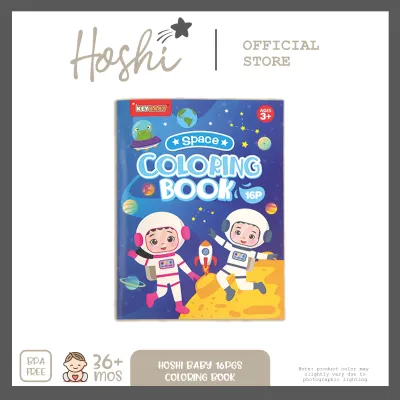
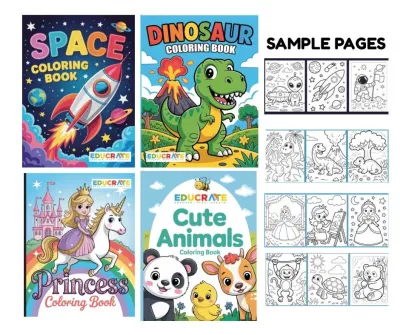
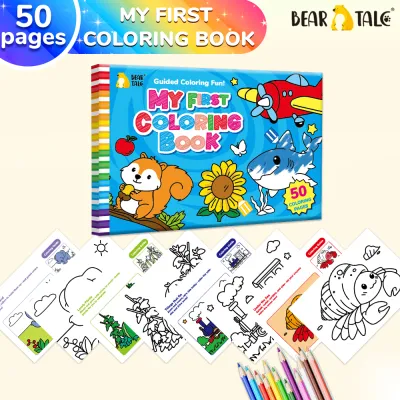
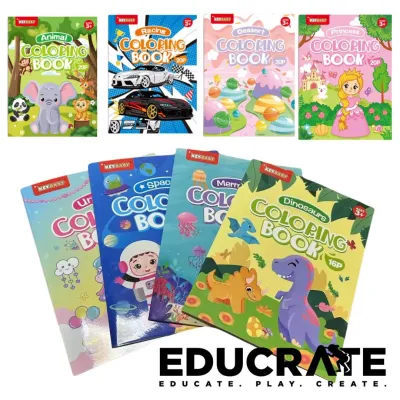
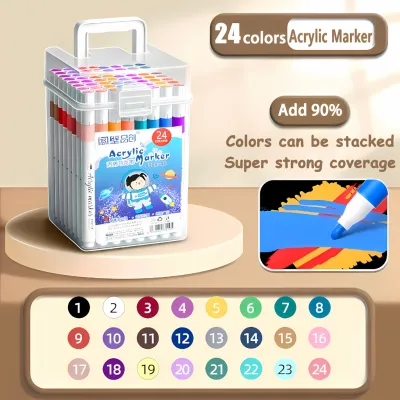
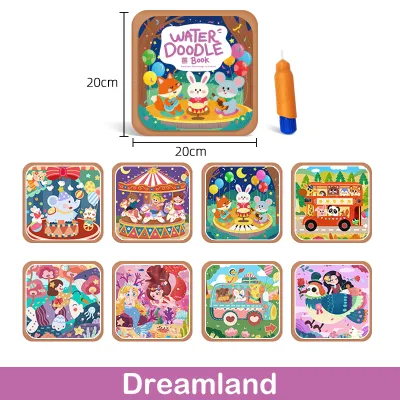
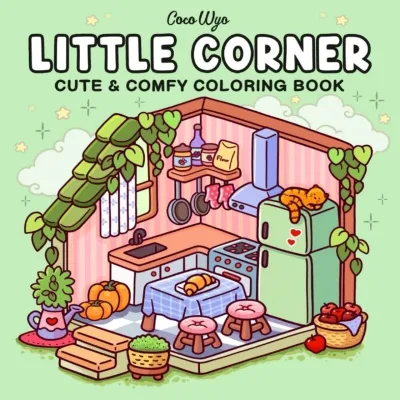
Prices are valid at publication and may change. Please refer to the product page for the latest price.
In addition to the coloring mediums, pay close attention to how the teacher plans to manage classroom projects. Many teachers prefer coloring books with perforated edges because they allow students to cleanly tear out pages for grading, classroom display, or organizing into individual portfolios. A book with fixed pages might make it difficult for your child to submit their work without leaving messy, jagged edges.
Finally, consider the physical dimensions of the coloring book. Standard school desks in the Philippines often have limited surface area. An oversized coloring book might hang off the edge of the desk, making it awkward to color on and prone to bending. Opt for a standard size that fits comfortably on a desk, slips easily into a school backpack, and matches the dimensions of standard plastic envelopes or submission folders.
Match Paper Thickness to Coloring Mediums
The weight and texture of the paper inside a coloring book are the most critical factors in determining how well it will perform under different art mediums. Paper thickness is typically measured in grams per square meter (GSM). While you might not always find a prominent GSM rating on the cover, checking the product specifications online or feeling the pages in-store can give you a clear indication of its quality.

For wet or heavy mediums, such as watercolors, poster paints, or heavy-duty markers, standard coloring book paper will quickly fail. High humidity levels in tropical climates can already make paper more susceptible to moisture absorption, so adding wet paint to thin paper will inevitably cause severe warping, buckling, or tearing. For these activities, look for books specifically labeled for mixed media or watercolor, which typically feature thick, textured paper of at least 150 GSM to absorb moisture without degrading.
If your child’s art class primarily uses dry mediums like colored pencils, crayons, or oil pastels, a smoother, standard-weight paper is usually sufficient. Colored pencils glide easily over smoother surfaces, allowing for even color application and blending. However, even with dry mediums, extremely thin paper can tear under the heavy pressure of a child’s hand, so a moderate thickness of around 100 GSM is ideal for general classroom use.
Another crucial feature to verify is whether the coloring book features single-sided printing. When a book has designs printed on both sides of a single sheet, using markers or heavy ink will almost certainly bleed through and ruin the illustration on the reverse side. Single-sided pages act as a protective barrier, ensuring that your child can use their favorite markers freely without sacrificing half the designs in the book.
Choose the Right Binding and Page Layout
The way a coloring book is bound directly impacts how easy it is for your child to use during a timed art class. Traditional perfect-bound books, which feature a glued spine similar to a standard paperback novel, often resist lying flat. A child trying to color near the inner margin of a perfect-bound book may struggle to keep the pages open, leading to frustration and uneven coloring as they fight the spine.
In contrast, spiral-bound or wire-bound coloring books are highly practical for classroom settings. These books lay completely flat on a desk, allowing your child to access the entire page without having to hold the book down with their free hand. Spiral binding also allows the book to be folded back on itself, saving valuable desk space and providing a sturdy, flat surface for coloring.
Beyond usability, consider the durability of the binding and cover material. A coloring book destined for a school backpack will undergo daily wear and tear, being shoved alongside heavy textbooks, lunchboxes, and water bottles. Look for books with thick cardstock covers or protective plastic overlays that shield the inner pages from getting crumpled, bent, or damp during transit.
If the art teacher frequently collects individual pages for grading or classroom exhibition, look for books with micro-perforated pages. These tiny, pre-punched holes near the spine allow your child to tear out their completed artwork cleanly and effortlessly. This prevents the accidental tearing of the main design that often occurs when trying to rip pages out of a standard glued or stapled binding.
Select Age-Appropriate Designs and Themes
The complexity of the illustrations inside the coloring book should match your child’s developmental stage and fine motor skills. For younger children in early primary grades, look for books with thick, bold outlines and large, simple coloring areas. These designs help build confidence as children practice staying within the lines without feeling overwhelmed by intricate details.
As children progress to higher grade levels, their fine motor skills improve, and they can handle more complex line art. Older students will appreciate designs with finer lines, smaller sections, and more detailed patterns that allow them to experiment with shading, color blending, and highlighting. Choosing a book that is too simple for an older child can lead to boredom, while a book that is too complex for a younger child can cause frustration and disinterest in the art class.
It is also beneficial to select coloring books with themes that complement the current school curriculum. Many art teachers coordinate their lessons with other subjects, such as science, history, or social studies. A coloring book featuring botanical illustrations, historical landmarks, or geometric patterns can reinforce what your child is learning in their other classes, making the art activities even more meaningful.
Lastly, pay attention to the style of the illustrations and avoid books with heavy pre-shading or pre-colored backgrounds if the teacher emphasizes creative freedom. Some modern coloring books include pre-rendered shadows or colored elements to make the final product look more polished. However, in an art class where students are graded on their understanding of light, shadow, and color choice, these pre-shaded elements can interfere with the learning process and limit your child’s ability to showcase their own skills.
Use a Final Checklist Before Purchasing
To ensure you make the best purchase for your child’s art class, run through a quick checklist before heading to the cashier or finalizing your online cart. First, cross-reference the book’s specifications with the teacher’s syllabus. If the syllabus explicitly bans markers due to mess, you do not need to prioritize single-sided, bleed-proof paper as heavily as you would if markers were required.
Next, perform a physical or visual inspection of the book. If you are shopping in a local stationery store, gently feel the paper thickness between your fingers and check the spine to see how easily it opens. If you are purchasing from an online marketplace, read through customer reviews specifically looking for feedback on paper quality, marker bleed-through, and how well the binding holds up in a school bag.
Finally, balance premium features with your budget. While heavy-weight, artist-grade paper and spiral binding are excellent, they often come at a higher price point. If your child’s art class only requires basic colored pencils and crayons, you can save money by opting for a standard-weight, well-constructed book that costs around ₱100 to ₱200, rather than investing in premium artist-grade books. Prioritize spending on premium paper only when the curriculum demands wet mediums like watercolors or heavy ink markers.
Frequently Asked Questions (FAQ)
Can standard coloring books handle watercolor paints?
Standard coloring books are generally not designed to handle watercolor paints or other wet mediums. The paper used in typical coloring books is usually thin and highly absorbent, which causes it to warp, buckle, and tear almost immediately when exposed to water. Additionally, the paint will bleed through to the pages underneath, potentially ruining multiple designs in the book. If your child must use watercolors on standard paper, place a thick piece of cardboard or plastic behind the active page, use a minimal amount of water, and allow the page to dry completely flat under a heavy book once finished.
Are single-sided pages necessary for school projects?
Single-sided pages are highly recommended if your child’s art class utilizes markers, gel pens, or light paints, as they prevent ink from bleeding through and ruining the design on the back. They also make it much easier to tear out and display individual artworks without sacrificing another illustration. However, if the class primarily uses dry mediums like crayons, colored pencils, or oil pastels, double-sided coloring books are perfectly acceptable. Double-sided books often provide more designs for the same price, making them a cost-effective choice for dry-medium art classes.
Community discussion
Share your experience or ask a question. Comments are reviewed before publication.