
Choosing the right coloring marker depends on matching your creative goals, paper type, and budget to the correct ink formulation and nib shape. Beginners often struggle with bleeding ink, ruined paper, or dried-out tips because they select markers without considering how these elements interact. By understanding how alcohol-based and water-based inks behave on different surfaces, you can select a set that delivers smooth blending, vibrant colors, and long-lasting performance.
Identify Your Primary Coloring Purpose
Determine the main application for your markers to narrow down the required performance level and durability. If you are diving into adult coloring books, your needs will differ wildly from someone sketching professional fashion illustrations or setting up a crafting table for children.
For children’s crafts, safety and washability are the primary concerns. Look for water-based, non-toxic formulations that wash easily from skin and fabrics. These markers do not need advanced blending capabilities, but they must feature durable tips that can withstand heavy-handed use.
Products mentioned in this guide
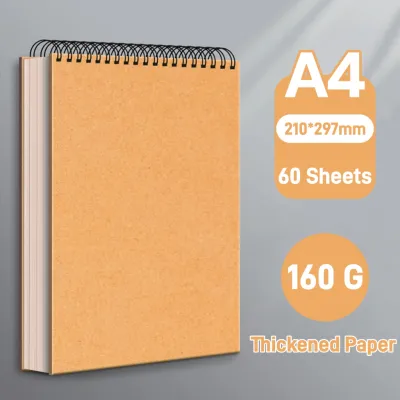
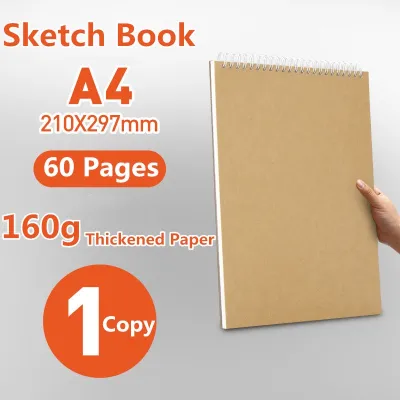
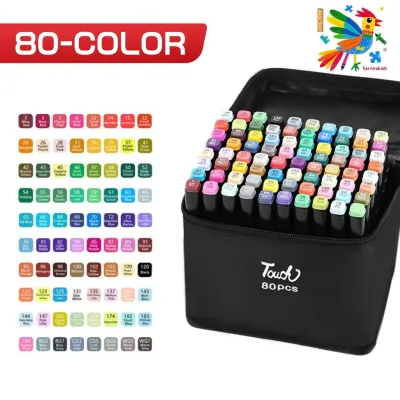
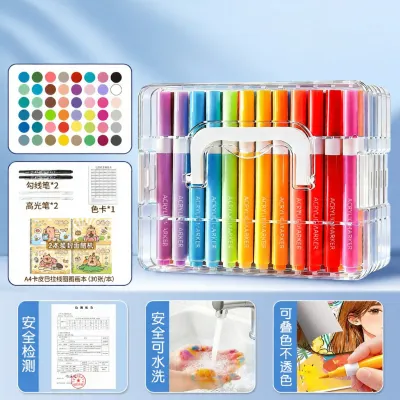
Prices are valid at publication and may change. Please refer to the product page for the latest price.
Casual doodling and bullet journaling require quick-drying inks that do not ghost through standard notebook pages. Here, moderate color vibrancy and simple bullet tips are usually sufficient to keep your pages neat and legible.
Adult coloring books and detailed illustrations demand a higher level of blendability and color range. If you want to create smooth gradients, realistic shadows, and seamless color transitions, you will need markers designed for layering.
Consider archival quality if you plan to display or sell your work. Artist-grade markers often feature lightfast pigments that resist fading over time, whereas student-grade options are more affordable but may fade when exposed to sunlight and humidity. Frequent users benefit from investing in durable, artist-grade markers with replaceable nibs, while occasional hobbyists can start with budget-friendly student-grade sets to explore their preferences.
Match the Ink Type to Your Paper and Style
The choice between alcohol-based and water-based ink is the most critical decision in your marker journey. Each ink type behaves differently on paper and suits distinct artistic styles.

Alcohol-based markers are highly valued for smooth, streak-free blending. The alcohol solvent evaporates rapidly, allowing you to layer colors and create seamless gradients without warping the paper. However, this fast-drying nature means you must work quickly to blend edges before the ink sets.
Water-based markers use water as the solvent, making them completely odorless and highly reactive. You can blend them using a damp brush or a blending pen, creating watercolor-like effects. Because they dry more slowly, they are less prone to immediate drying on the nib, but they can easily pill or warp thin paper if layered too heavily.
Paper compatibility is crucial to prevent bleeding and feathering. Alcohol inks are highly fluid and will bleed through standard copy paper or thin journal pages. To prevent this, you must pair them with heavyweight, coated marker paper or cardstock. Water-based inks are more forgiving on standard paper but still require a decent weight—ideally at least 100 gsm to 120 gsm—to avoid tearing the paper fibers during heavy application.
Consider your working environment, especially in warm, humid tropical climates where air circulation is vital. Alcohol markers emit a distinct chemical odor due to the solvent. If you plan to color for hours in a closed room, ensure you have adequate ventilation or opt for odorless water-based markers instead.
Evaluate Nib Shapes for Your Techniques
The shape of the marker tip, or nib, dictates how the ink is applied to the page and directly influences your coloring technique. Most coloring markers feature one or two nib types to offer versatility.
Brush nibs are highly favored by illustrators and hand-lettering artists. Made of flexible fiber or rubber, they mimic the feel of a paintbrush, allowing you to create variable line widths simply by adjusting your hand pressure. This flexibility makes brush nibs excellent for smooth blending and organic shapes.
Chisel nibs feature a wide, angled flat edge. They are designed for covering large areas quickly and evenly, making them ideal for backgrounds or broad design layouts. By rotating the marker, you can also use the sharp point of the chisel for medium-width lines or calligraphic strokes.
Bullet and fine nibs are rigid, rounded tips that deliver a consistent line width. These are indispensable for intricate patterns, tight corners, and precise outlining. If your coloring style involves detailed mandalas or fine line work, a bullet nib ensures your ink stays exactly where you want it.
Dual-ended markers combine two different nibs on a single barrel—typically a brush or bullet tip on one end and a chisel tip on the other. This design maximizes your creative options and saves storage space, allowing you to switch from broad background washes to fine detail work without changing pens.
Consider Practical Features and Budget Constraints
While performance is key, practical features and long-term costs will determine how sustainable your coloring hobby remains over time.
Refillable markers require a higher upfront investment but offer significant long-term savings. Instead of throwing away a dried-out marker, you can purchase ink refills and replacement nibs. This is not only more economical over years of use but also reduces plastic waste.
When purchasing, you must choose between curated sets and open-stock individual markers. Pre-packaged sets offer a convenient, pre-selected color range at a lower cost per marker. However, buying open-stock allows you to handpick only the colors you actually need, preventing you from paying for shades that will sit unused in your drawer.
Longevity depends heavily on the quality of the marker’s construction. Look for markers with secure, click-fit caps that create an airtight seal. In warm climates, poor seals lead to rapid ink evaporation, rendering your markers useless long before the ink should have run out.
Establish a realistic budget in Philippine Pesos (₱) before shopping. A basic starter set of student-grade markers can range from ₱300 to ₱1,000, offering a cost-effective entry point. Professional-grade, refillable systems can cost upwards of ₱200 to ₱400 per individual marker, making a small, curated palette of ten to twelve essential colors a smarter initial investment than a massive, expensive set.
Build Your Starter Marker Set
Building your first coloring marker collection does not require buying a massive 120-color suitcase. A thoughtful, compact selection of colors is far more effective for learning blending and color theory.
Start by selecting a core palette of primary colors, a few soft pastel shades for blending, a couple of warm or cool grays for shadows, and essential skin tones if you draw characters. This limited palette forces you to practice layering and mixing to create intermediate shades.
Before finalizing your purchase, verify that you have the right paper to support your chosen markers. If you are buying alcohol markers, ensure you also acquire a bleed-proof sketchpad or heavy cardstock. Additionally, consider how you will store them; alcohol markers must be stored horizontally to prevent one end from drying out.
Plan for future expansion by choosing a brand that uses a consistent, logical color numbering system. This makes it easy to identify which mid-tones or highlights you need to buy next as your skills grow, ensuring your collection expands seamlessly without accidental duplicates.
Frequently Asked Questions (FAQ)
How do I prevent my coloring markers from drying out?
To maximize the lifespan of your coloring markers, always store them horizontally. This position ensures that the ink remains evenly distributed between both ends of dual-tipped markers, preventing one nib from drying out or becoming oversaturated. Additionally, always press the caps firmly until you hear a distinct click, confirming an airtight seal that prevents solvent evaporation.
Can I use alcohol-based markers on regular printer paper?
Using alcohol-based markers on standard printer paper is not recommended. Thin, uncoated printer paper is highly absorbent, which causes the alcohol ink to bleed rapidly past your outlines (feathering) and soak completely through the page, wasting a significant amount of ink. For the best results, use dedicated bleed-proof marker paper or heavy cardstock, and always place a protective scrap sheet of paper underneath your work surface to catch any stray ink.
Community discussion
Share your experience or ask a question. Comments are reviewed before publication.