
Choosing your first watercolor set is an exciting milestone, but the sheer variety of configurations can easily lead to decision paralysis. When exploring the beginner-friendly Winsor & Newton Cotman range, the ideal starting point depends on where you plan to paint and how you prefer to handle your brush. For most beginners, a 12-color half pan pocket tin or a 24-color half pan sketcher’s box offers the perfect balance of portability, color selection, and value. This guide breaks down the physical formats, pan sizes, and color counts of the cotman watercolor set to help you find the exact configuration that aligns with your creative goals, painting environment, and budget.
Understanding Cotman Watercolor Formats and Pan Sizes
To make an informed choice, you must first understand the physical components of a watercolor set. Watercolors in solid form are housed in small plastic cups known as pans. These pans are placed into various types of carrying cases, or boxes, which serve as both storage and your mixing palette. The physical size of the pan and the design of the box directly influence your painting comfort, brush choice, and how easily you can transport your supplies.
Half Pan vs. Full Pan
Half pans are small, molded plastic blocks filled with dry watercolor paint, typically measuring approximately 15mm x 19mm x 10mm with a capacity of roughly 1.5ml of pigment. Because of their compact footprint, half pans are the global standard for travel palettes and outdoor sketching. They are best paired with small to medium round brushes, specifically sizes 2 through 8. The small surface area means you must be precise when dipping your brush to avoid fraying the bristles against the hard plastic edges of the pan.
Products mentioned in this guide
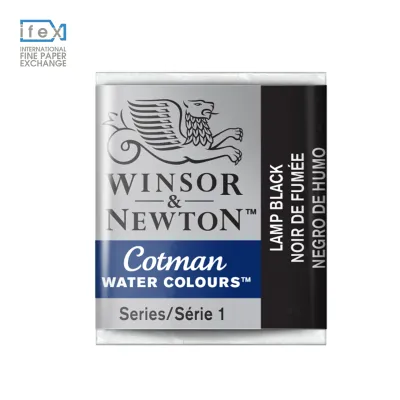
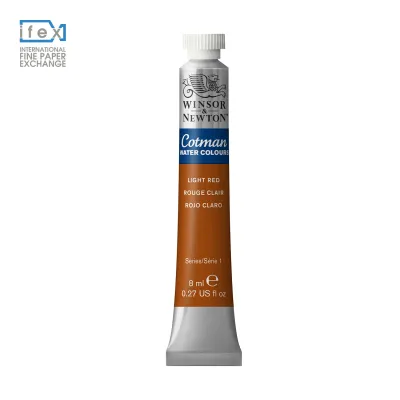
Prices are valid at publication and may change. Please refer to the product page for the latest price.
Full pans are exactly double the size of half pans, measuring roughly 30mm x 19mm x 10mm and holding about 3ml of paint. This larger surface area allows you to easily load broad wash brushes, flat brushes, or large round brushes (sizes 10, 12, or mop brushes) without damaging the hair. If you intend to work on large sheets of paper or lay down expansive background washes, full pans prevent you from constantly running out of wet paint mid-stroke, though they require a larger, heavier carrying case.
Box Formats
The outer housing of your cotman watercolor set dictates your physical workflow and where you can comfortably paint:
- Pocket Tin: Usually made of lightweight metal or durable plastic, these ultra-compact sets are designed to slide effortlessly into a pocket or a small daily bag. While highly portable, their primary limitation is mixing space; the fold-out lids offer small, shallow wells that can easily overflow if you mix large volumes of water.
- Sketcher’s Box: A step up in size, these robust plastic cases balance portability with usability. They often feature a thumb ring on the bottom for secure hand-held painting while standing, a removable color mixing palette that is easy to clean, and a designated slot for a pocket brush or a refillable water brush.
- Studio Box: These larger plastic or wooden cases are designed to remain flat on a desk or easel. They offer expansive, deep mixing wells that allow you to prepare generous pools of color without cross-contamination. However, they are heavy and lack features designed for mobile painting.
Grade Consistency
It is important to note that the paint formulation within the Cotman line remains entirely consistent across all these physical formats. Whether you buy a pocket tin, a studio box, or individual tubes, the pigment load, binder, and working properties of the paint are identical. Winsor & Newton uses high-quality synthetic alternatives to expensive metal pigments to keep this student-grade line affordable while maintaining excellent lightfastness and transparency. Therefore, your choice of format is purely a matter of ergonomics, workspace size, and how mobile you want to be.
Choosing the Right Pan Count for Your Painting Goals
Once you have decided on the physical size of the pans, the next step is determining how many colors you actually need. While it is tempting to buy the largest set available, having too many options can actually slow down your learning process as a beginner.

12 to 14 Colors
A 12-color set is the classic entry point for art students. It typically features a split-primary system, which includes a warm and cool version of yellow, red, and blue, alongside essential earth tones like Yellow Ochre and Burnt Sienna, plus a couple of green or neutral convenience shades. This limited selection forces you to learn the fundamentals of color theory and color mixing. Instead of reaching for a pre-mixed purple, you learn how to balance Ultramarine and Alizarin Crimson. This is highly beneficial for absolute beginners who want to build a strong technical foundation, and it keeps your carrying weight exceptionally light for quick sketches on the go.
24 Colors
The 24-color configuration is the practical “sweet spot” for hobbyists who want to paint regularly without spending half their studio time mixing colors from scratch. While it still includes the core primary colors, it introduces several “convenience colors”—pre-mixed shades like Hooker’s Green, Sap Green, Cerulean Blue, and various warm earth tones. When you are painting lush tropical foliage, landscapes, or complex still lifes, having immediate access to several greens and earth tones saves time and keeps your washes fresh, preventing the muddy mixtures that often occur when beginners over-mix paints.
45+ Colors
Massive sets containing 45 or more pans can actually hinder a beginner’s progress. With too many pre-mixed options, you may find yourself relying on the exact shade in the pan rather than understanding how colors interact. Furthermore, large palettes are heavy, expensive, and take up significant desk space. These expansive configurations are best reserved for professional illustrators, botanical artists, or advanced hobbyists who require highly specific, unadulterated pigments for consistent, repetitive production work.
Mixing vs. Convenience
The choice between a small and large pan count comes down to a fundamental trade-off. Fewer colors mean a lighter, cheaper set that trains your color-mixing eye but requires more patience and water management. More colors offer speed, convenience, and consistency for specific shades but carry a higher upfront cost and can make your palette look cluttered. For most beginners, starting with 12 or 24 colors provides the most manageable learning curve.
Recommended Cotman Configurations for Different Beginner Profiles
To help you visualize how these factors come together in practice, consider these three common beginner profiles and their ideal cotman watercolor set configurations.
The Urban Sketcher: 12 Half Pans in a Pocket Tin
If your goal is to sketch outdoors, capture street scenes in historic spots like Intramuros, or paint in local cafes, extreme portability is your priority. The Cotman Pocket Plus or the classic Metal Sketchers’ Pocket Box with 12 half pans is the ultimate minimalist setup. It takes up less space than a smartphone and can be used while standing or sitting with the palette resting in the palm of your hand. This setup is highly popular among artists who travel light and prefer quick, expressive line-and-wash sketches.
- Limitations: The small mixing areas on the fold-out lid can quickly become muddy. If you plan to lay down large, wet washes, you will need to wipe the mixing wells frequently with a sponge or cloth, or carry an additional small folding plastic palette.
The Home Hobbyist: 24 Half Pans in a Sketcher’s Box
For those who prefer painting at a dining table, a desk, or occasionally taking their supplies to a weekend workshop or a local park, the 24-color Sketcher’s Box strikes the perfect balance. This configuration gives you a rich spectrum of convenience colors, reducing the need for constant mixing. The plastic case usually features a removable lid that doubles as a larger mixing tray with multiple deep wells, allowing you to work on medium-sized illustrations or detailed watercolor studies comfortably.
- Limitations: While portable, this set is too bulky to slide into a pocket. You will need a dedicated backpack or tote bag to carry it alongside your watercolor pad, water container, and brushes.
The Studio Learner: 12 or 24 Full Pans in a Studio Box
If you plan to work exclusively at a dedicated desk and want to paint on larger paper formats (such as A4, A3, or 12×16 inch blocks), a studio box containing full pans is highly advantageous. The double-sized pans accommodate large, thirsty mop and wash brushes, allowing you to pick up rich pigment quickly without wearing down your brush tips. This setup is ideal for those focusing on traditional landscape painting, large washes, or abstract wet-on-wet techniques.
- Limitations: These sets are heavy, bulky, and lack features like thumb rings or secure latching mechanisms designed for hand-held use. They are strictly stationary tools.
Configuration Comparison
| Configuration | Portability | Mixing Space | Ideal Brush Size | Best Use Case |
|---|---|---|---|---|
| 12 Half Pans (Pocket Tin) | Excellent (Fits in pocket) | Limited (Small wells) | Small (Sizes 2 to 8) | Travel, urban sketching, outdoor journaling |
| 24 Half Pans (Sketcher's Box) | Moderate (Requires a bag) | Good (Removable tray) | Small to Medium (Sizes 4 to 10) | Home studio, workshops, park sketching |
| 12/24 Full Pans (Studio Box) | Poor (Stationary desk use) | Excellent (Large, deep wells) | Medium to Large (Sizes 8 to 12+, Mops) | Dedicated home desk, large-format paintings |
Pre-Purchase Checks and Material Compatibility
Before purchasing your cotman watercolor set, there are several practical factors to verify to ensure you get authentic products and the best possible painting experience.
Authenticity Verification
When shopping online, counterfeit art supplies can be a common issue on major e-commerce marketplaces. To ensure you are receiving genuine Winsor & Newton products, purchase from established, authorized local art supply stores or official flagship brand stores. Look for secure packaging, intact holographic seals if applicable, and avoid deals that seem unrealistically cheap (e.g., a 24-pan set priced significantly lower than the standard market rate of ₱1,500 to ₱2,500). Genuine Cotman pans should feel solid, not sticky or completely shriveled, though some minor settling or cracking on the surface due to manufacturing drying processes is normal and does not affect performance.
Paper Pairing
Even the highest-quality paint will perform poorly on the wrong surface. Beginners often make the mistake of using standard cartridge or printer paper, which buckles instantly, causes the paint to pool unevenly, and tears when you try to blend colors. For Cotman watercolors to perform as intended, pair them with dedicated watercolor paper that is at least 300 gsm (140 lb) in weight. While 100% cotton paper offers the best blending and water absorption, high-quality wood pulp (cellulose) paper is an excellent, cost-effective alternative for beginner practice.
Brush Sizing and Testing
Ensure your brushes match your pan size. If you choose a half pan set, standard round brushes ranging from size 4 to size 8 are ideal, as their tips fit perfectly inside the small plastic wells. If you opt for full pans, you can comfortably use larger round brushes (size 10 or 12) or flat wash brushes.
To understand how your specific paint-and-paper combination behaves, perform a simple swatch test before starting your first painting. Paint a series of color gradients from highly concentrated to highly diluted. Observe the drying speed, which can be slower in highly humid tropical environments, and test the “erasability” or lifting capability of the paint by gently rubbing a damp, clean brush over a dried swatch to see how much pigment lifts off the paper without damaging the surface fibers.
Frequently Asked Questions (FAQ)
Can I replace individual pans in a Cotman pocket tin?
Yes, Cotman pans are fully modular. When you run out of a favorite color—such as Ultramarine or Yellow Ochre—you do not need to buy a whole new set. You can purchase individual half pans or full pans to pop into the empty slots. Alternatively, you can buy a tube of Cotman watercolor paint, squeeze it into the empty plastic pan, and let it dry for a few days in a dry, dust-free area. This is highly economical and allows you to customize your palette over time.
Is an empty Cotman custom palette a better choice for beginners?
While building a custom palette from empty pans and individual tubes offers ultimate control over your color selection, it is generally not recommended for absolute beginners. Purchasing 12 individual tubes and an empty palette carries a much higher upfront cost (often double or triple the price of a pre-assembled 12-pan set). Furthermore, beginners rarely know which specific pigment shades they prefer until they have spent time practicing with a standard, well-curated factory selection.
Community discussion
Share your experience or ask a question. Comments are reviewed before publication.