
Selecting the perfect cotton floral fabric for your embroidery project requires balancing the visual appeal of the print with the structural needs of your stitches. To make the right choice, you must match your stitching technique to the fabric’s weave and align the weight of the material with the density of your embroidery design. A mismatch can lead to puckered fabric, distorted patterns, or stitches that sink and disappear into the weave. By evaluating how the fabric behaves under hoop tension and how its floral motifs interact with your thread, you can ensure a smooth stitching process and a durable finished piece.
Identify Your Embroidery Style and Design Needs
Before browsing fabric bolts at a local textile market or scrolling through online marketplaces, define the specific embroidery technique you plan to use. Different styles of needlework place distinct physical demands on the underlying textile. For instance, counted-thread techniques like traditional cross-stitch rely on a highly structured, visible grid where every stitch spans an exact number of threads. If your fabric lacks this uniform structure, your geometric patterns will quickly warp and lose their symmetry.
Conversely, free-form surface embroidery—such as crewel work, satin stitching, or thread painting—gives you the freedom to place stitches in any direction. This style does not require a visible grid, but it does demand a stable, smooth surface that can support stitches of varying lengths and angles. The complexity and density of your floral embroidery design also dictate your fabric choice. A dense, heavily filled design with thick satin stitches or numerous French knots requires a sturdy, closely woven backing to prevent the fabric from sagging under the weight of the thread.
Products mentioned in this guide
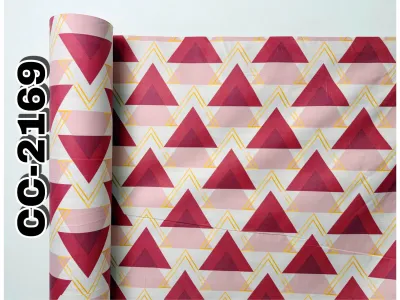
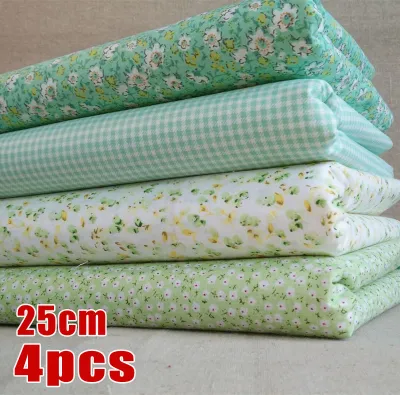
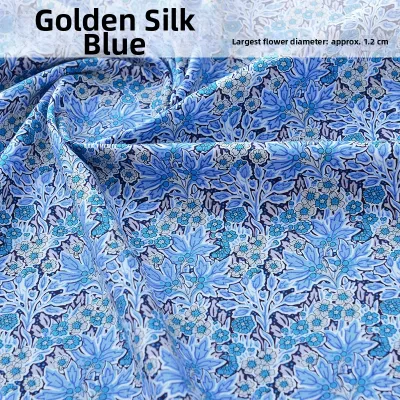
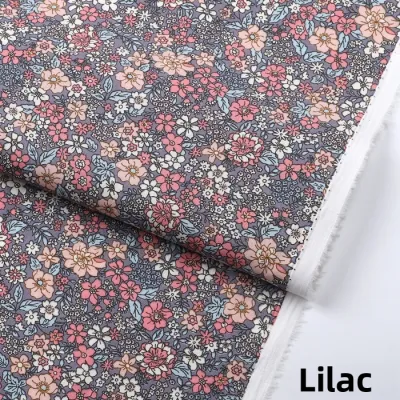
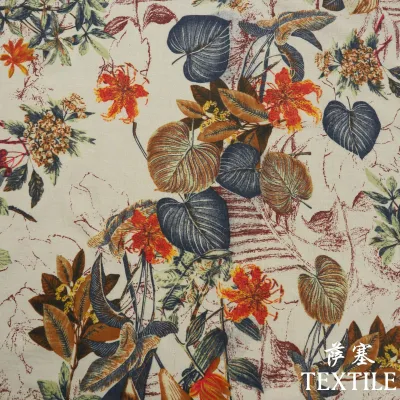
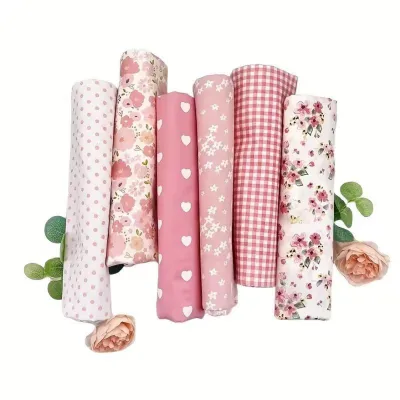
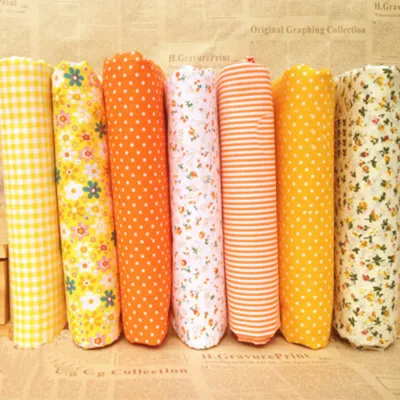
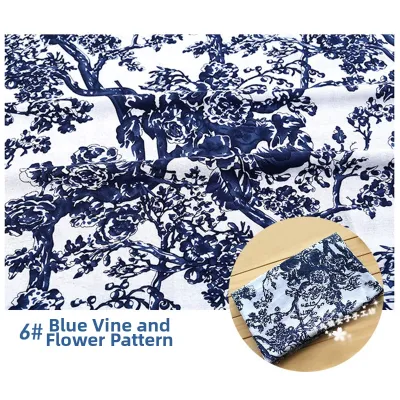
Prices are valid at publication and may change. Please refer to the product page for the latest price.
On the other hand, delicate outline designs, such as simple stem stitches or lazy daisies, pair beautifully with lighter, more supple fabrics. You must also consider the final home for your finished piece. An embroidered handkerchief or a lightweight summer blouse needs a fabric with a soft drape and high breathability, especially in warm, tropical climates like the Philippines. If you are creating a framed hoop art piece, a structured table runner, or a durable cushion cover, a heavier and more rigid cotton fabric will provide the longevity and structural integrity needed to withstand regular handling and humidity.
Select the Right Weave for Your Stitching Technique
The weave of a fabric refers to how the warp (vertical) and weft (horizontal) threads are interlaced. This structure directly influences how easily your embroidery needle passes through the material and how securely the threads hold your stitches in place. A loose or uneven weave can cause your needle to slip, resulting in uneven stitch lengths, while an excessively tight, dense weave can make every puncture a struggle, leading to hand fatigue and split embroidery floss.

When working with printed cotton floral fabric, the weave also affects how the printed design aligns with your stitches. A distorted weave can make a straight printed stripe or a repeating floral border look crooked once stretched in an embroidery hoop. To check the quality of the weave before purchasing, hold the fabric up to a bright light source. Look closely at the spacing of the threads; they should run perpendicular to each other without noticeable bowing, thick slubs, or irregular gaps. Gently pull the fabric diagonally to test its bias stretch; a high-quality embroidery fabric should offer firm resistance rather than stretching excessively.
Evenweave and Aida for Cross-Stitch and Counted Work
For projects that require precise counting, such as cross-stitch or blackwork, you must select an evenweave fabric or Aida cloth. Evenweave fabrics are woven with an equal number of threads per inch in both the warp and weft directions, ensuring that each square stitch remains perfectly square. Aida cloth is a specific type of evenweave that groups threads into distinct blocks, creating highly visible holes that make it easy for beginners and experienced stitchers alike to place their needles accurately.
When shopping, always check the manufacturer’s label or product specifications for the “count,” which indicates the number of threads or blocks per inch. A higher count means smaller stitches and a more detailed finished design. When using a cotton floral fabric for counted work, you must also consider how the printed pattern will interact with your stitching. Stamped cross-stitch kits often have the design printed directly onto the grid, whereas working over a pre-printed floral background requires you to count your stitches carefully to ensure your colorful threads remain legible against the busy printed motifs.
Plain Weave and Quilting Cotton for Surface Embroidery
For free-form surface embroidery, a tight plain weave is the gold standard. Plain weave fabrics, such as high-quality quilting cotton, cotton poplin, or cotton lawn, feature a simple over-under pattern that creates a smooth, uniform surface. Quilting cotton is particularly popular among embroidery enthusiasts because it is widely available in an endless variety of floral prints, offers a stable structure, and is easy to handle.
The smooth surface of a tight plain weave makes it incredibly easy to transfer your embroidery patterns using water-soluble pens, transfer paper, or lightboxes. This tight structure supports varied stitch lengths without puckering, allowing you to execute long satin stitches or delicate split stitches with clean, sharp edges. Avoid loosely woven cotton fabrics, such as cheap muslin or gauze, for surface embroidery. These loose structures allow the embroidery hoop to distort the fabric easily, and your stitches may slip between the loose threads, causing the design to sag or pull through to the back of the fabric.
Match Fabric Weight and Thread Count to Your Project
Fabric weight is typically measured in grams per square meter (GSM) or ounces per square yard, and it plays a critical role in how your embroidery behaves both during and after the stitching process. Lightweight cotton fabrics, such as cotton voile or lawn, are delicate and airy. While they are excellent for delicate, fine-threaded floral accents on clothing, they require careful handling. If you tension a lightweight fabric too tightly in an embroidery hoop, or if your stitches are too heavy, the fabric will pucker, warp, or even tear under the strain.
Medium-weight cottons, including standard quilting cotton and poplin, offer the most versatile balance for embroidery. They are sturdy enough to support multi-stranded embroidery floss, metallic threads, and dense stitch patterns without requiring stabilizer backings, yet they remain soft enough for easy needle penetration. Heavyweight cotton fabrics, such as cotton canvas, duck, or heavy twill, are highly durable and excellent for functional items like tote bags or upholstery. However, their thickness makes them difficult to pierce with standard embroidery needles, often requiring heavy-duty chenille needles and significant physical effort, which can distort delicate floral details.
Thread count—the number of threads woven into one square inch of fabric—also influences your project. A high thread count indicates a very dense weave, which is excellent for preventing the background floral print from showing through your embroidery stitches, but it can make stitching with thick floss strands difficult. Conversely, a low thread count fabric is easier to pierce but may allow the dark colors of a floral print to shadow through your light-colored embroidery threads. Rather than relying solely on how a fabric feels to the touch—as starch and sizing agents can make a cheap, loosely woven fabric feel deceptively stiff and high-quality on the bolt—always check the manufacturer’s specifications printed on the fabric bolt or product listing to verify the actual weight and thread count.
Inspect, Pre-wash, and Prepare Your Cotton Floral Fabric
Proper preparation of your cotton floral fabric is essential to protect your hard work from future damage. Before cutting into your fabric, conduct a thorough visual inspection. Examine the floral print to ensure it is printed straight along the grain of the fabric. Look for any weaving flaws, knots, or dye misprints that could interfere with your design. In warm, humid environments like the Philippines, fabric can sometimes harbor moisture or dust from storage, making a thorough inspection and cleaning step even more critical.
Pre-washing your cotton fabric is a non-negotiable step in the embroidery workflow. Cotton is a natural fiber that is prone to shrinking when washed. If you embroider a design onto unwashed cotton and wash the finished piece later, the fabric will shrink while your embroidery threads remain the same size, resulting in permanent, unsightly puckering. Pre-washing also removes chemical sizing, starch, and temporary stiffeners applied during manufacturing, leaving the fabric softer and more receptive to your needle. Always follow the manufacturer’s care label instructions regarding water temperature and cycle settings.
During the pre-washing process, pay close attention to the colorfastness of the floral dyes. Brightly colored floral prints, particularly those with deep reds, blues, or pinks, can sometimes bleed. To test for colorfastness, submerge a small scrap of the fabric in warm water and press it against a white paper towel. If the dye bleeds significantly onto the towel, this serves as a critical stop condition: do not use this fabric for your embroidery project, as the bleeding dyes will ruin your embroidery threads during any future washing. Once washed, hang the fabric to dry and press it thoroughly with a hot iron to create a perfectly flat, stable surface before mounting it in your hoop.
Final Selection Checklist for Cotton Floral Fabric
To ensure your next embroidery project is a success, use this practical checklist when selecting your cotton floral fabric:
- Weave Match: Verify that the weave structure matches your stitching technique—choose a uniform evenweave or Aida for counted work, and a tight plain weave for surface embroidery.
- Weight and Density: Confirm that the fabric weight (preferably medium-weight for general projects) and thread count can support your planned embroidery floss thickness and design density without puckering or tearing.
- Print Scale and Palette: Ensure the scale of the floral print does not overwhelm your embroidery design, and select a color palette where your embroidery threads will remain clearly visible against the printed background.
- Care and Stability: Check the manufacturer's care instructions to confirm the fabric can be safely pre-washed, ironed, and maintained over time without excessive shrinkage or dye bleeding.
Frequently Asked Questions (FAQ)
Can I use standard floral quilting cotton for cross-stitch?
Standard floral quilting cotton is not recommended for traditional counted cross-stitch because it is a plain weave fabric rather than an evenweave. Plain weaves do not have a perfectly uniform grid of square holes, which makes it incredibly difficult to keep your cross-stitches even in size and alignment. If you attempt to count threads on quilting cotton, your finished design will likely look distorted or stretched. Instead, reserve standard quilting cotton for free-form surface embroidery, or use it for stamped cross-stitch designs where the pattern is pre-printed directly onto the fabric and does not rely on counting the weave.
How do I prevent the floral print from distracting from my embroidery?
To keep your embroidery from getting lost against a busy floral print, focus on contrast and scale. Choose embroidery thread colors that are highly saturated or significantly lighter or darker than the background colors of the fabric. You can also use thicker embroidery floss—such as three or four strands instead of the standard two—to give your stitches more physical presence and dimension. Another effective design strategy is to integrate the print into your work: embroider over only specific elements of the floral pattern, such as outlining a printed leaf or adding French knot textures to the center of a printed flower, using the background print as a guide rather than fighting against it.

Community discussion
Share your experience or ask a question. Comments are reviewed before publication.