
Selecting the right oil pastel set from Deli for your DIY craft projects requires balancing your artistic goals, the specific materials you plan to decorate, and your current skill level. Deli offers a diverse range of oil pastel sets that cater to different crafting needs, from simple school projects to intricate home decor pieces. Because oil pastels are made of pigment mixed with a non-drying oil and wax binder, their physical behavior is highly sensitive to environmental factors like temperature and humidity. In warm, tropical climates such as the Philippines, understanding how these pastels behave on various surfaces is crucial for achieving a clean, long-lasting finish. By evaluating your project requirements and learning how to read product specifications, you can select a set that provides the right balance of color variety, blendability, and structural stability.
Defining Your DIY Project Requirements and Skill Level
Before browsing through the available Deli oil pastel sets, it is essential to define the scope and nature of your DIY craft projects. Consider the scale and surface area of the items you intend to color. If you are working on small-scale crafts, such as handmade greeting cards, customized bookmarks, or small decorative tags, you will likely require a set that allows for fine control and a modest selection of essential colors. Conversely, larger projects like wooden signs, canvas wall art, or large-format paper drawings demand a broader palette and a higher volume of pastel material. The detail level of your designs also dictates your choice; highly detailed patterns require pastels that can be sharpened slightly or applied with precision tools, whereas broad, expressive strokes are better suited for softer, more blendable formulations.
Your current skill level and experience with blending mediums should also guide your purchasing decision. Beginners and casual crafters often benefit from starting with standard, user-friendly sets that do not overwhelm them with too many color choices. A smaller color selection forces you to learn the basics of color mixing and layering without the confusion of navigating dozens of subtle tonal variations. For intermediate and advanced crafters who are comfortable with complex blending techniques, such as sgraffito, color graduation, and heavy impasto layering, a more extensive set with a wider tonal range is necessary to achieve realistic depth and smooth transitions. Overbuying a massive professional-grade set when you are just starting can lead to frustration, while underbuying a basic set for advanced techniques can limit your creative expression.
Products mentioned in this guide
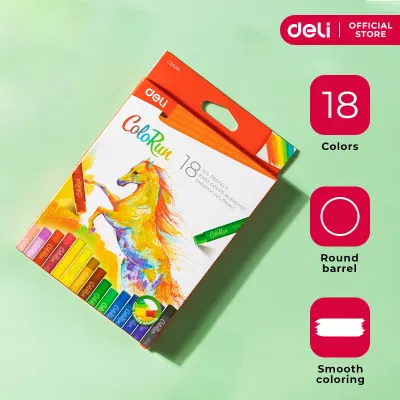
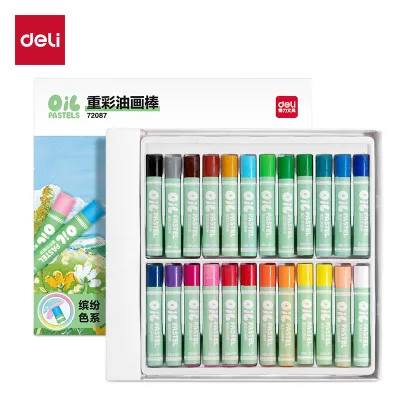
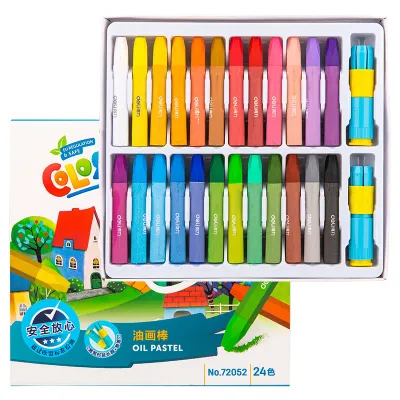
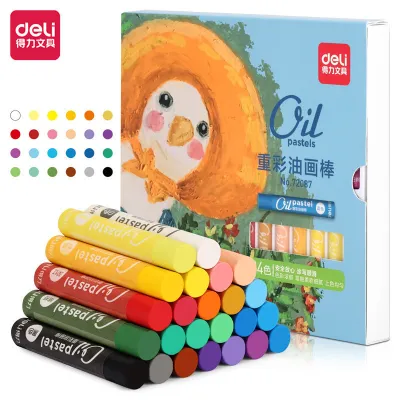
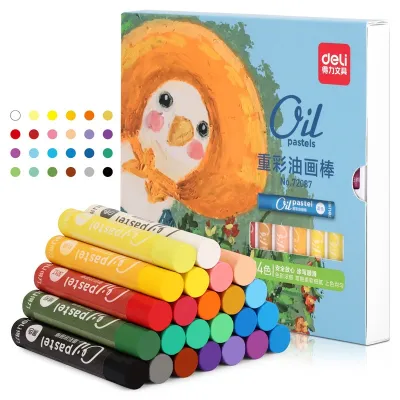
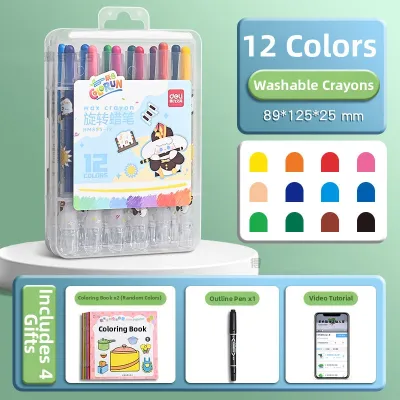
Prices are valid at publication and may change. Please refer to the product page for the latest price.
Finally, identify who will be the primary users of the oil pastels. If the set is intended for children’s school crafts or family DIY sessions, safety, ease of washability, and durability are the primary concerns. Children’s hands apply pressure differently, often leading to frequent breakage of softer, artist-grade pastels. For younger users, firmer, break-resistant pastels with clear non-toxic labels are the most practical choice. For adult crafters or older students focusing on detailed hobby work, the priority shifts toward pigment richness, softness, and blendability, which allow for more sophisticated artistic techniques.
Navigating Deli Oil Pastel Set Sizes and Color Counts
Deli categorizes its oil pastel offerings into several size tiers, each designed to match specific project complexities and user budgets. Understanding these divisions helps you select a set that provides adequate color variety without leaving half of the pastels unused.

Small sets, typically containing 12 to 24 colors, are excellent entry points for basic crafting, quick sketches, and beginners. These compact packages are highly portable and easy to store, making them ideal for quick DIY sessions at home or school. A 12-color set provides the primary and secondary colors, allowing you to practice basic color theory and simple blending. A 24-color set expands this selection to include essential earth tones, skin tones, and a wider range of blues and greens. If your DIY projects consist of simple color fills, stenciling, or basic card-making, a small set is a cost-effective choice that minimizes waste.
Medium sets, ranging from 36 to 48 colors, offer a versatile sweet spot for most intermediate DIY projects. These sets provide a much richer spectrum of intermediate shades, reducing the need for intensive manual blending to achieve specific hues. With a medium set, you gain access to multiple gradients of the same color family, which is incredibly useful for creating realistic shadows, highlights, and transitions in floral designs, landscapes, or patterned crafts. If you regularly engage in diverse DIY activities—such as decorating paper mache, customizing gift boxes, or creating mixed-media journal pages—a 36 or 48-color set offers the flexibility needed to match various color schemes without requiring a massive storage space.
Large sets, which include 60 or more colors, are tailored for advanced blending, complex color mixing, and extensive craft kits. These comprehensive collections often feature specialized shades, including pastel tones, metallic colors, and multiple shades of white and grey for highlighting and toning. Large sets are particularly beneficial for crafters who execute high-volume projects or those who prefer not to mix colors manually to maintain consistency across multiple pieces. While these sets require a larger physical storage footprint and a higher initial investment, they provide an unparalleled palette that supports professional-grade blending, heavy layering, and highly detailed artistic expressions.
Checking Material Quality, Pigment Load, and Safety Labels
When purchasing Deli oil pastels, evaluating the physical properties and safety indicators from the product packaging is vital to ensure a safe and satisfying crafting experience. Start by looking for pigment concentration indicators and binder quality descriptions. High-quality oil pastels typically feature a higher ratio of pigment to binder, resulting in vibrant, opaque colors that cover surfaces easily. On the packaging, look for terms like “high pigment load,” “artist-grade,” or “super soft.” The binder quality determines how smoothly the pastel glides across the surface; a high-quality wax and oil binder ensures a buttery consistency that blends effortlessly, whereas lower-quality binders can feel scratchy, stiff, or leave a crumbly residue that ruins fine details.
Safety is another critical factor, especially when crafting in shared household spaces or with children. Always verify non-toxic certifications on the product packaging. Look for internationally recognized safety standards such as the AP (Approved Product) seal from the Art and Creative Materials Institute (ACMI), or compliance with European safety standards like EN71 (specifically EN71-3 for chemical safety). These labels indicate that the product has been evaluated for toxicological hazards and is safe for consumer use. Additionally, check the manufacturer’s age-appropriateness recommendations, as some formulations may contain small parts or ingredients not suitable for toddlers.
Given the warm and humid climate of the Philippines, checking the physical condition of the pastels upon delivery is a crucial step. High temperatures during transit or storage can cause oil pastels to soften, melt, or experience oil separation (where the oil binder seeps out, leaving a greasy residue on the wrapping paper). When you receive your set, inspect each stick for structural integrity. Look for signs of breakage, excessive sweating (droplets of oil on the surface), or warping. If the pastels have softened due to heat, placing the entire set in a cool, air-conditioned room or a dry drawer for a few hours can help them regain their proper firmness before your first use.
Evaluating Paper Compatibility and Blending Tools
To get the best results from your Deli oil pastels, you must pair them with the correct supplementary materials and tools. Oil pastels do not behave like standard crayons; their heavy, oily application requires a surface that can support multiple layers without tearing or buckling. Standard printer paper is generally too thin and smooth, causing the oil to seep through and the pastel to slide around rather than adhere. Instead, look for heavy-weight paper with a noticeable “tooth” or texture. Mixed-media paper, watercolor paper, or dedicated pastel paper with a weight of at least 200 gsm (grams per square meter) is ideal. The texture of the paper catches and holds the pastel particles, allowing you to build up rich, vibrant layers.
Blending is a core technique in oil pastel crafting, and having the right tools on hand can dramatically elevate your work. While you can use your fingers to blend colors, the natural oils on your skin can sometimes interfere with the pastel binder, and prolonged blending can cause friction discomfort. Instead, consider using paper blending stumps (tortillons), which allow for precise blending in tight spaces. For larger areas, soft silicone color shapers, cotton swabs, or even a small piece of felt can create smooth transitions. If you want to achieve a painterly, fluid effect, you can use a compatible solvent. Applying a tiny amount of baby oil, mineral oil, or odorless mineral spirits with a brush can dissolve the binder slightly, allowing you to sweep the color across the page like oil paint. Always test solvents on a scrap piece of paper first to check for bleeding and paper degradation.
Because oil pastels never truly dry or cure completely, finished projects remain vulnerable to smudging, dust accumulation, and accidental damage. To protect your hard work, plan for proper storage and preservation. When storing completed drawings or decorated items, place a sheet of glassine paper, wax paper, or acid-free tracing paper directly over the artwork to prevent it from transferring onto other surfaces. For long-term display, applying a compatible oil pastel fixative spray is highly recommended. Ensure you apply the fixative in a well-ventilated outdoor area, holding the can at least 30 centimeters away from the surface, and apply multiple light coats rather than one heavy layer. Always perform a test spray on a sample piece to ensure the fixative does not alter the colors of your pastels.
Where to Buy and How to Verify Product Authenticity
With the popularity of Deli stationery products, counterfeit items and unauthorized listings can occasionally appear on various online platforms. To ensure you are purchasing genuine Deli oil pastels that meet safety and quality standards, you must be selective about where you shop. Prioritize official brand stores on major e-commerce platforms, authorized online retailers, and established local art supply shops. Purchasing from these verified channels guarantees that you receive authentic products backed by the manufacturer’s quality control.
When your package arrives, take a few minutes to inspect the product packaging thoroughly before opening it. Genuine Deli products feature high-quality printing on the box, with clear, legible text, sharp logos, and accurate color representations. Look for security seals, holographic stickers, or batch codes printed on the back or bottom of the box. Counterfeit products often exhibit blurry printing, misspelled words, or flimsy packaging materials that fail to protect the pastels during shipping.
Finally, compare the listed specifications on the box with the physical contents inside. Verify that the color count matches your purchase and that each pastel stick is individually wrapped with the color name and number clearly printed. If you notice any discrepancies—such as missing colors, unlabeled wrappers, or a strong, unpleasant chemical odor that differs from standard wax products—contact the seller immediately to request a replacement or refund. Taking these precautionary steps ensures that your DIY crafting sessions are supported by safe, high-performing, and genuine materials.
Frequently Asked Questions (FAQ)
Can I use Deli oil pastels on canvas or wood for DIY crafts?
Yes, Deli oil pastels can be used on alternative surfaces like canvas and wood, provided the surface is properly prepared. Because these materials are porous, they can absorb the oil binder from the pastels, which may cause the colors to look dull over time or lead to oil halos around your design. To prevent this, apply a coat of acrylic gesso or a suitable primer to the wood or canvas before you begin coloring. This creates a sealed, textured barrier that ensures excellent adhesion and keeps the pigments vibrant. If you are working on raw wood, a light sanding before priming will help the pastel glide smoothly without catching on splinters.
How do I prevent oil pastels from smudging in my finished projects?
Preventing smudging requires a combination of protective barriers and fixing agents. For immediate storage, place a sheet of glassine paper or wax paper over the finished artwork to prevent contact with other surfaces. For permanent protection, apply a specialized oil pastel fixative spray in a well-ventilated area, using light, even coats. Avoid using standard hairspray, as it can yellow the paper and degrade the pastel binder over time. If your DIY project is a flat piece of art, framing it behind glass with a mat board spacer is the most reliable way to protect it from dust, moisture, and physical contact.
Community discussion
Share your experience or ask a question. Comments are reviewed before publication.