
Finding the right art supplies for your child’s school term can feel like a balancing act between classroom guidelines and your child’s developmental stage. When a school syllabus specifies a deli oil pastel set, the choice is not just about grabbing the first box you see on the shelf. The ideal set must match your child’s hand strength, withstand the rough-and-tumble environment of a school backpack, and provide the correct color range for their classroom projects.
Deli offers a diverse lineup of oil pastels designed to cater to different age groups, from toddlers learning basic pencil grip to older students exploring advanced blending techniques. Selecting the best set involves evaluating the physical design of the sticks, the durability of the packaging, and the specific requirements of the school curriculum. By matching these factors to your child’s current artistic stage, you can ensure they have a tool that inspires creativity rather than causing frustration during art class.
Assessing Your Child's Art Class Requirements and Motor Skills
Before browsing online listings or visiting a local stationery store, your first step should be a careful review of the teacher’s art supply list. School guidelines in the Philippines often specify a precise color count, such as a mandatory 12-color or 24-color set, to ensure all students can follow along with the same lessons. Some teachers explicitly ban loose packaging or cardboard boxes because they deteriorate quickly in humid classrooms, instead requesting hard plastic cases that keep the desk organized. Additionally, classrooms with limited washing facilities may prompt teachers to recommend specific “clean-hands” or twistable designs to prevent pigment from transferring to school uniforms, desks, and other schoolbooks.
Products mentioned in this guide
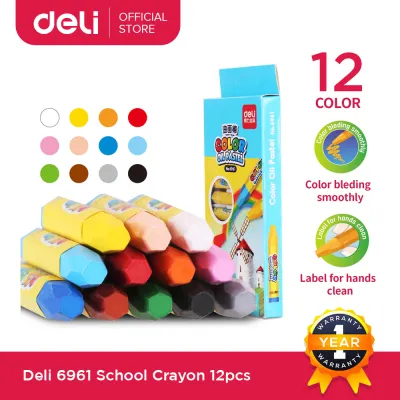
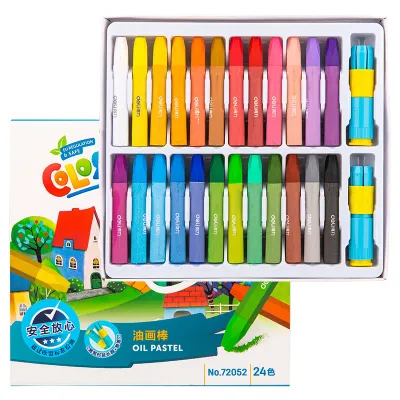
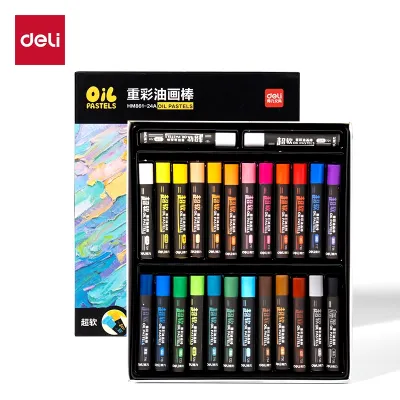
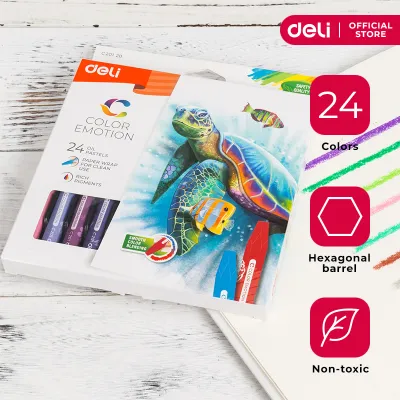
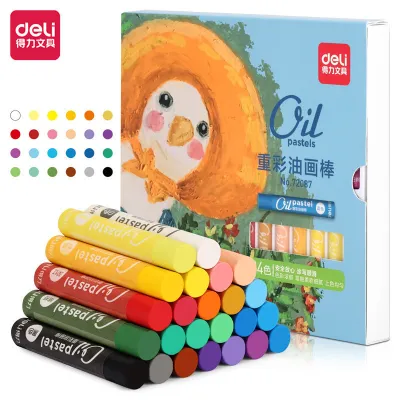
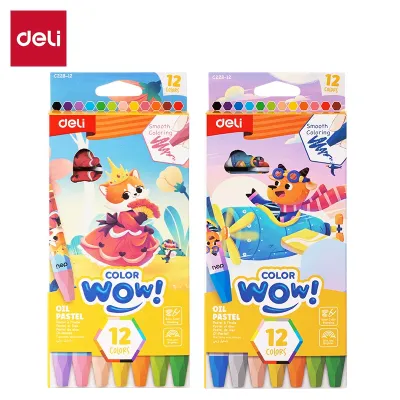
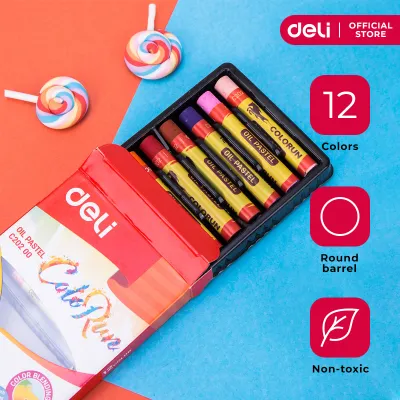
Prices are valid at publication and may change. Please refer to the product page for the latest price.
Beyond school rules, your child’s physical development plays a massive role in how comfortably they can use their art supplies. Toddlers and early elementary students are still developing their fine motor skills and hand-eye coordination. For these younger children, standard-sized oil pastels can be difficult to hold, often leading to hand fatigue or accidental breakage when they apply too much pressure. Jumbo or triangular-shaped barrels provide a larger surface area for small hands, helping them practice the proper tripod grip without straining their fingers. As children grow older and their dexterity improves, they can easily transition to thinner, standard-sized sticks that allow for more precise control and detailed linework.
It is also essential to distinguish between casual coloring at home and structured art class requirements. Home coloring often involves simple filling of pre-printed coloring books, where a basic wax crayon or a simple twistable pastel is perfectly adequate. In contrast, a structured school art class will likely introduce fundamental art techniques such as color blending, layering, and scratching (sgraffito). These techniques require pastels with a high pigment concentration and a creamy, buttery consistency that allows different colors to merge smoothly on the paper. Understanding this distinction prevents you from buying a low-pigment set that frustrates your child when they try to blend colors as demonstrated by their teacher.
Core Features to Compare Across Deli Oil Pastel Lines
To make an informed decision, you need to understand the structural differences across Deli’s product lines, starting with the barrel and wrapper design. Traditional paper-wrapped oil pastels are the industry standard for artistic expression because they expose the raw, creamy pigment directly to the paper. This design allows for rich color laydown, effortless blending with fingers or blending stumps, and the ability to use the side of the stick for broad strokes. However, they are inherently messy, transferring color to warm hands and easily staining clothing if not handled with care. On the other hand, twistable plastic-barrel designs house the pastel wax inside a protective casing, keeping fingers entirely clean. While highly portable and convenient for quick classroom setups, these twistables have a thinner wax core that can easily snap if extended too far, and their plastic tips limit the student’s ability to perform advanced side-stroke shading.

The physical shape and thickness of the pastels also dictate their usability and lifespan in a classroom setting. Standard cylindrical sticks are highly versatile but have a tendency to roll off slanted school desks, often resulting in shattered tips on hard classroom floors. Triangular barrels solve this rolling problem entirely while naturally guiding a child’s fingers into an ergonomic writing position. Jumbo-sized sticks offer extra durability, making them highly resistant to the heavy-handed pressure common among younger students. If your child tends to press down hard when coloring, choosing a thicker or triangular profile will save you from dealing with a box of broken fragments halfway through the school semester.
Color count progression is another critical decision point that directly affects both the weight of the school bag and the child’s learning curve. A basic 12-color set is highly portable and excellent for teaching primary and secondary color recognition to early learners. However, as students progress to middle elementary grades, a 24-color set becomes the sweet spot, offering intermediate shades like pink, light blue, and various earth tones that are necessary for realistic drawings. For advanced art classes or older students, 36-color or 48-color sets are highly beneficial. These larger assortments reduce the need for manual color mixing—which can sometimes muddy the artwork—allowing the student to focus on mastering complex shading and gradient techniques.
Finally, do not overlook the durability of the packaging, especially considering the daily commute to school. Standard cardboard boxes are inexpensive but offer very little protection; they easily rip, warp in high humidity, or crush under the weight of heavy textbooks inside a backpack. A sturdy plastic storage case with secure snap-locks or a dedicated metal tin is highly recommended for school use. These durable containers prevent the pastels from rolling around, protect them from impact, and keep any loose pigment contained so it does not ruin the interior of your child’s school bag.
Recommended Deli Configurations by Age and Skill Level
12 to 18-Color Jumbo or Triangular Sets for Early Learners
For toddlers, preschoolers, and kindergarteners, the primary goal of art class is to explore textures, recognize colors, and develop hand strength. For this age bracket, a 12 to 18-color Deli set featuring jumbo or triangular barrels is the absolute best configuration. The thicker diameter of these sticks is designed specifically for small hands that have not yet mastered the fine motor control required for standard pencils. The triangular shape is particularly effective, as it prevents the pastels from rolling off low nursery school tables, keeping the child focused on their drawing rather than chasing runaway supplies.
Keeping the color count to a maximum of 18 ensures that young children are not overwhelmed by too many choices, which can sometimes lead to decision fatigue and shorter attention spans. A smaller set is also incredibly lightweight, making it easy for a young child to carry in their own small backpack. When selecting these sets, parents must verify that the packaging features clear non-toxic certifications, such as EN71 or ASTM D-4236. Even with safe, non-toxic formulations, close adult supervision is always recommended during art sessions, as young children are naturally inclined to explore new textures with their mouths.
24-Color Twistable Sets for Everyday School Use
As children enter early elementary school, their art projects become more structured, requiring a wider palette of colors without adding unnecessary mess to their daily routine. For these students, a 24-color Deli twistable oil pastel set is the ideal daily companion. The plastic barrel acts as a protective shield, completely eliminating the messy pigment transfer that typical paper-wrapped pastels cause. This design keeps school uniforms, hands, and desks clean, which is highly appreciated by teachers managing busy classrooms.
A 24-color assortment provides the perfect balance for this developmental stage, offering enough variety to draw landscapes, portraits, and animals without the excessive weight of a professional-grade kit. The twistable mechanism allows students to advance only a small amount of the pastel tip at a time, protecting the delicate wax core from snapping under pressure. Parents should instruct their children to twist up only two to three millimeters of the tip during use. Extending the wax too far out of the plastic sleeve makes it highly vulnerable to breaking when vigorous coloring pressure is applied.
36-Color and Above Traditional Sets for Advanced Blending
For older elementary students, high schoolers, or children enrolled in dedicated weekend art programs, traditional paper-wrapped Deli oil pastels are indispensable. These advanced classes often teach sophisticated techniques such as sgraffito (scratching away a top layer of color to reveal a lighter layer underneath), impasto (applying thick, textured strokes), and blending using baby oil or blending stumps. Traditional pastels feature a softer, more buttery texture that responds beautifully to these techniques, allowing colors to merge seamlessly on heavy sketch paper.
A larger set of 36 to 48 colors is highly beneficial for these students because it provides a rich spectrum of gradients, including multiple shades of skin tones, foliage greens, and sky blues. This extensive range minimizes the need to constantly layer and mix colors manually, which can sometimes result in a dull, muddy appearance if the student is still mastering color theory. To protect these premium, unwrapped pastels from chipping or melting together inside a hot school bag, look for sets housed in heavy-duty plastic cases with individual molded slots for each color, or consider transferring them to a dedicated fabric art roll.
Essential Checks Before Buying Art Supplies Online
Shopping for school supplies on e-commerce platforms offers incredible convenience, but it requires a careful approach to ensure you receive authentic and safe products. Your first line of defense is seller verification. Always prioritize buying from official brand flagship stores or highly rated, authorized stationery distributors. Counterfeit art supplies are a real concern on online marketplaces; these fake products often look identical to genuine Deli packaging but may contain inferior, low-pigment wax that breaks easily, or worse, untested chemicals that do not meet strict safety standards.
When examining product listings, do not rely solely on the words “non-toxic” in the product title, as sellers often use keywords loosely to attract search traffic. Instead, zoom in on the product images to look for physical safety certifications printed directly on the box, such as the CE mark, EN71 compliance, or the AP (Approved Product) seal from the Art and Creative Materials Institute. These seals guarantee that the product has undergone rigorous laboratory testing to ensure it is safe for children’s prolonged skin contact.
Another practical step is to verify the physical dimensions of the pastel set before finalizing your purchase. Many parents are surprised to find that a 36-color plastic case is much larger than they anticipated, making it impossible to fit inside their child’s standard school pencil pouch or backpack side pocket. Check the product specifications for the exact length, width, and height of the case, and compare these measurements against your child’s existing art kit or school bag compartments to ensure a comfortable fit.
Finally, pay close attention to the climate challenges of shipping art supplies in a tropical country like the Philippines. High temperatures during transit in delivery trucks can cause oil pastels to soften, sweat, or even melt and fuse together before they reach your doorstep. To mitigate this risk, read the most recent buyer reviews on the product page, specifically looking for feedback regarding packaging quality and transit condition. If multiple recent buyers report receiving melted, broken, or heavily smudged pastels, it may be wiser to look for a seller that uses bubble wrap and sturdy cardboard boxes for shipping, or to purchase the items from a physical retail store during extremely hot months.
Frequently Asked Questions (FAQ)
Are oil pastels safe if my child accidentally puts them in their mouth?
Reputable brands like Deli formulate their school-grade oil pastels to be non-toxic, meaning they do not contain harmful heavy metals or toxic solvents that pose severe health risks. However, these pastels are made of wax, oils, and concentrated pigments, which are not food items and should never be ingested. If your child accidentally licks or bites a pastel, wipe their mouth with a clean, damp cloth and have them rinse with water. Always look for certified non-toxic labels on the packaging, and ensure that younger children are supervised closely by an adult during all art activities.
How should I store oil pastels in a tropical climate to prevent melting?
Oil pastels are formulated with a mixture of oils and wax, which naturally soften and become sticky when exposed to high temperatures and humidity. In the tropical climate of the Philippines, you should store your child’s pastel sets in a cool, dry room away from direct sunlight, such as a closet shelf or a desk drawer. Never leave the pastel case inside a parked car, near a window, or inside a hot metal school locker, as extreme heat will cause the sticks to melt, warp, or fuse to their paper wrappers.
Can I buy individual replacement colors for my child's set?
Yes, individual replacement sticks are often available for purchase, particularly for standard-sized, professional, or semi-professional Deli lines. When buying replacements, it is crucial to match the exact barrel diameter, length, and wrapper type of your child’s existing set to ensure the new stick fits securely into the molded slots of their plastic storage case. Keep in mind that twistable plastic-barrel pastels are rarely sold individually, so if your child frequently uses up specific colors like white or black in a twistable set, you may need to purchase a small supplementary set.
Community discussion
Share your experience or ask a question. Comments are reviewed before publication.