
Quick Selection Guide for Daily Writing Needs
Finding the ideal writing instrument for daily tasks requires looking beyond simple aesthetics. In the Philippines, where high relative humidity and varying paper qualities are standard parts of school and office life, your choice of pen directly impacts your writing comfort, speed, and document longevity. Deli offers a vast ecosystem of pen sets designed for diverse writing preferences, making it essential to understand how different models perform under daily pressure.
To make an immediate decision, you must evaluate three primary pillars: ink formulation, tip size, and set configuration. If your priority is producing dark, crisp, and highly legible lines for journaling, creative writing, or official documentation, a gel ink set is generally the most satisfying option. Conversely, if your daily routine involves writing quick notes, filling out multi-part carbon copy forms, or working on low-grade, highly absorbent paper, an oil-based ballpoint pen set will provide the reliability and bleed resistance you need.
The performance of any pen set is highly dependent on the paper medium. Standard school notebooks, intermediate pads, and budget copy papers common in local offices often have a lower basis weight (around 50 to 70 GSM), which can cause liquid inks to feather or bleed. By matching the correct Deli pen set to your specific paper types and writing speed, you can avoid common issues like smudging, skipping, and hand fatigue.
Products mentioned in this guide
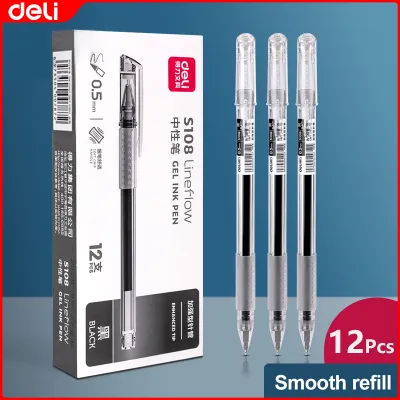
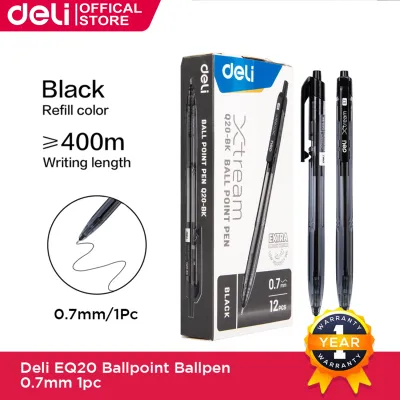
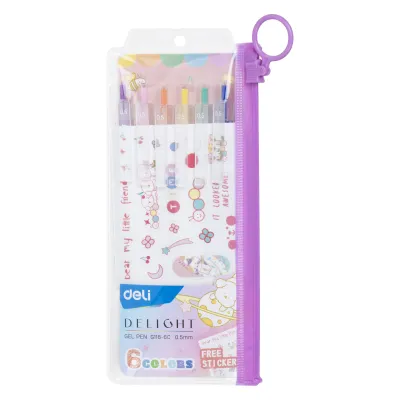
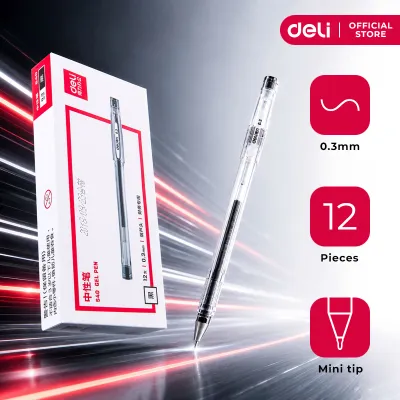
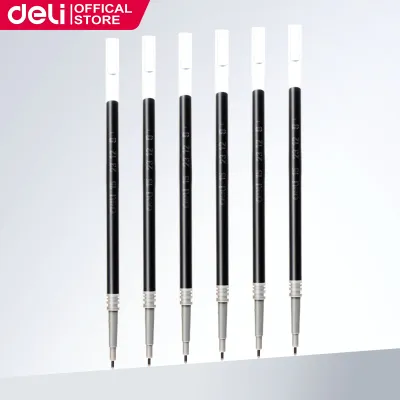
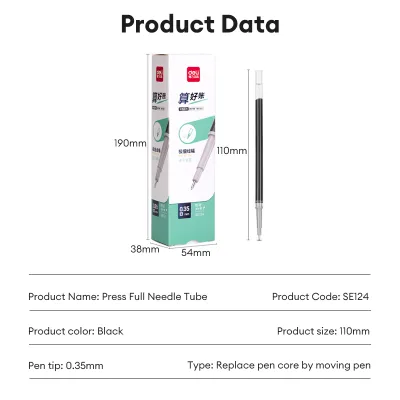
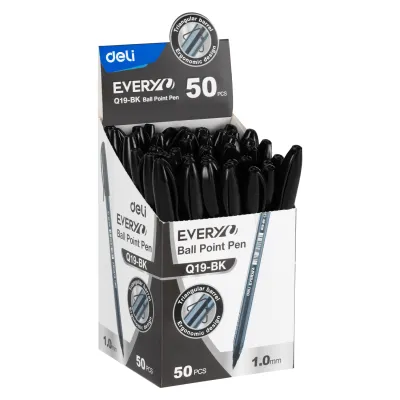
Prices are valid at publication and may change. Please refer to the product page for the latest price.
Choosing the Right Ink Type for Your Paper and Climate
The tropical climate of the Philippines introduces unique challenges for writing instruments. High humidity levels slow down the evaporation rate of water-based solvents, which directly affects how quickly ink dries on the page. Understanding the chemical behavior of Deli’s three primary ink formulations—gel, ballpoint, and rollerball—will help you select a set that remains reliable throughout the year.

Because smoothness, bleed resistance, drying speed, and water resistance depend entirely on the exact combination of your chosen ink and paper material, it is always best to perform a quick trial. Before starting a long writing session, make a few test strokes on a hidden corner of your notebook or pad to observe how the ink behaves and verify its drying time.
Gel Ink Sets
Gel ink consists of water-based pigments suspended in a water-soluble polymer gel. This formulation is highly valued for its smooth glide, minimal friction, and intense color payoff. Because the pigment sits on top of the paper fibers rather than sinking deep into them, gel ink produces exceptionally sharp and vibrant lines that are ideal for formal signatures, school notes, and bullet journaling.
However, the water-based nature of gel ink means it remains wet on the page longer than oil-based alternatives. In humid conditions, this drying delay is amplified, increasing the risk of smudging if your hand brushes against the fresh ink. Left-handed writers, in particular, should look for Deli gel sets specifically labeled as “quick-dry” or “fast-drying” to mitigate this issue. Additionally, gel ink can feather slightly on highly porous, low-GSM paper, so it is best paired with standard 80 GSM copy paper or premium notebooks.
Ballpoint (Oil-Based) Ink Sets
Deli’s oil-based ballpoint pens utilize a thick, paste-like ink that relies on oil solvents rather than water. This chemical structure makes ballpoint ink virtually immune to high humidity, allowing it to dry almost instantly upon contact with the paper. Because the ink is highly viscous, it does not bleed through thin paper sheets, making it the safest choice for cheap intermediate pads, newsprint, and double-sided notebook pages.
The quick-drying and water-resistant properties of oil-based ink make these sets indispensable for fast-paced environments. They are the ideal choice for warehouse logging, retail receipts, and multi-part carbon forms, as the firm pressure required to roll the ball translates perfectly through carbon layers. While ballpoint pens do not glide as effortlessly as gel pens, their sheer reliability and resistance to smearing make them a practical everyday staple.
Rollerball and Liquid Ink Sets
Rollerball pens bridge the gap between gel and fountain pens, utilizing a highly fluid, water-based liquid ink. This low-viscosity ink flows exceptionally fast, requiring virtually zero downward pressure from your hand. This makes rollerball sets incredibly comfortable for long-form writing, as they significantly reduce physical strain on your fingers and wrist.
The trade-off for this fluid flow is a high susceptibility to feathering and bleed-through on standard paper. On a typical 50 GSM school pad, liquid rollerball ink will quickly spread outward, distorting your handwriting and soaking through to the next page. If you choose a Deli liquid ink rollerball set, ensure you pair it with high-quality, high-density paper (80 GSM or higher) to keep your lines clean and sharp.
Identifying Ink Types on Deli Packaging
When browsing online marketplaces or physical stationery shelves, identifying the correct ink type is crucial. Deli typically marks gel pens with clear labels such as “Gel Pen,” “G-Ink,” or “Quick Dry.” Ballpoint sets are usually designated as “Ballpoint,” “BP,” or “Semi-Gel” (which offers a slightly smoother, lower-viscosity oil ink). Liquid ink rollerballs are often labeled as “Rollerball,” “Liquid Ink,” or “Free Ink.” Always verify these descriptions rather than relying solely on the visual design of the pen body.
Matching Tip Sizes to Your Handwriting and Note-Taking Style
The diameter of the metal ball at the tip of the pen determines the width of the line deposited on the page. Choosing the right tip size is not just a matter of aesthetic preference; it directly influences how much ink is consumed, how quickly the ink dries, and how well the writing fits within structured page layouts.
0.5mm Fine and Extra-Fine Tips
Deli’s 0.5mm (and occasionally 0.38mm) pen sets are designed for precision. These fine tips are highly popular among students and professionals who use compact planners, pocket diaries, or grid-lined notebooks where writing space is highly restricted. A finer tip deposits a very thin line of ink, which has the added benefit of drying almost instantly, even when using water-based gel formulas.
If you have small, compact handwriting, a 0.5mm tip ensures that letters like “e,” “a,” and “o” remain open and legible rather than filling in with ink. However, because the contact area with the paper is very small, fine tips can sometimes feel slightly scratchy on rough or low-quality paper. They require a gentle hand to prevent the tip from catching on loose paper fibers.
0.7mm Medium Tips
The 0.7mm tip is widely considered the universal standard for daily writing. It strikes an excellent balance between line visibility and writing smoothness. Because the larger ball rolls with less resistance, a 0.7mm pen glides more comfortably across various paper textures than its 0.5mm counterpart, making it highly suitable for rapid note-taking, meeting minutes, and general office tasks.
This size is versatile enough for standard ruled notebooks and official documents. The line is bold enough to be easily readable from a distance, yet fine enough to fit comfortably within standard 6mm or 8mm line spacings. Keep in mind that a 0.7mm gel pen will deposit more ink than a 0.5mm pen, meaning it will require slightly more drying time in humid conditions.
1.0mm and Bold Tips
For those who prefer a highly pronounced, expressive line, Deli offers bold pen sets featuring 1.0mm or larger tips. These pens are primarily used for signing official documents, creating clear headings in study notes, or grading papers. The large ball size provides an incredibly smooth, almost frictionless writing experience, as it floats on a thick layer of ink.
The primary consideration with bold tips is ink consumption and drying time. A 1.0mm tip lays down a substantial amount of ink, which can easily saturate standard paper. To avoid extensive smudging and bleed-through, bold pens should be used on thick, high-quality paper, and you must allow several seconds of drying time before closing your notebook or touching the written text.
Evaluating Long-Term Value and Set Configurations
When purchasing a Deli pen set, looking beyond the initial price tag is essential for finding true long-term value. A cheap set that runs out of ink quickly or becomes uncomfortable to hold can end up costing more over time than a slightly more expensive, well-engineered option.
Analyzing Set Configurations
Deli packages its writing instruments in several configurations, ranging from simple bulk boxes to premium individual pens bundled with replacement refills. For heavy writers, such as students preparing for board exams or administrative professionals, purchasing a set that includes one or two high-quality pen bodies along with a pack of 10 to 20 refills is highly economical. This approach minimizes plastic waste and ensures you always have a fresh supply of ink ready.
Conversely, bulk packs containing 12 to 24 disposable pens are highly convenient for shared environments like offices, classrooms, or household study desks. While the cost per pen in a bulk pack is exceptionally low, the plastic bodies are typically lightweight and lack advanced ergonomic features, making them less suitable for prolonged, continuous writing sessions.
Ergonomics and Build Quality
If you write for hours at a time, the physical design of the pen body is just as important as the ink inside. Premium Deli pen sets often feature soft, rubberized, or textured grip sections. In the warm and humid climate of the Philippines, fingers can easily become sweaty and slippery. A bare plastic barrel forces you to grip the pen tighter to maintain control, which rapidly leads to hand fatigue and writer’s cramp. A high-quality rubber grip absorbs pressure and provides a secure, non-slip surface.
Weight distribution and clip durability are also key indicators of build quality. A well-balanced pen that is slightly heavier near the tip reduces the amount of downward pressure you need to apply while writing. Furthermore, if you frequently carry your pen in a shirt pocket, notebook spine, or lanyard, look for sets with sturdy metal clips rather than fragile plastic ones that can easily snap.
Refill Compatibility and Sustainability
Before committing to a specific Deli pen set, verify whether the pen bodies accept standard-sized refills. Many popular Deli gel pens are designed to fit standard “G2” style gel refills, which are widely available from various stationery brands. Opting for a pen body with high compatibility ensures that you can easily find replacements in local bookstores or online marketplaces, extending the life of your favorite pen body indefinitely.
The Trade-Off of Bulk Purchases
While buying large bulk sets of 30 or 50 pens offers the lowest unit cost, it carries a distinct risk in tropical climates. If stored in warm, unconditioned spaces, unused pens can experience ink separation, drying, or leakage over time. For personal use, it is often wiser to invest in a smaller, premium set of 3 to 5 high-quality, comfortable pens with sealed refills, rather than a massive box of cheap disposables that may dry out before you can use them.
Pre-Purchase Checklist for E-Commerce and Retail Stores
To ensure your chosen Deli pen set meets your expectations and arrives in perfect working condition, it is wise to perform a few quick checks before finalizing your purchase, whether you are shopping online or visiting a local retail store.
Verify the Exact Specifications
Product images on e-commerce platforms can frequently be misleading, often showing a single generic pen body for multiple ink colors and tip sizes. Always read the written product title, specifications, and selected variation options carefully. Double-check that you have selected your desired ink color (such as black for official documents, or blue for school notes) and the correct tip size (0.5mm for fine writing or 0.7mm for medium lines) before adding the item to your cart.
Inspect the Packaging and Tip Seals
High-quality Deli gel and rollerball pens are manufactured with a tiny wax or plastic protective bead sealed over the metal tip. This bead prevents air from entering the ink chamber, protecting the ink from drying out or leaking during storage and transit. When buying in a physical store, visually inspect the pen tips to ensure these seals are intact. If shopping online, look for product descriptions or customer reviews confirming that the pens arrive with their factory seals in place.
Evaluate Seller Reliability and Return Policies
When purchasing from online marketplaces, always buy from official brand stores, authorized distributors, or highly rated local stationery sellers. Check the seller’s overall rating and read recent customer reviews. Pay close attention to feedback regarding shipping speed, packaging quality (such as bubble wrapping to prevent cracked pen barrels), and whether the pens arrived fully functional. Additionally, familiarize yourself with the platform’s return and refund policies in case you receive a defective or incorrect set.
Frequently Asked Questions (FAQ)
How do I prevent my Deli gel pen from skipping or drying out?
To keep your Deli gel pens writing smoothly, always store them either horizontally or vertically with the tip pointing downward. Storing gel pens tip-up can cause air pockets to form near the nib, leading to ink skipping. Always ensure the cap is clicked securely in place or the retractable mechanism is fully disengaged when the pen is not in use. Additionally, keep your stationery away from direct sunlight, hot vehicles, or areas of extreme heat, as high temperatures can dry out the water-based gel ink or cause the ink formula to separate.
Are Deli pen refills universal across all their pen bodies?
Deli pen refills are not universally interchangeable across all of their models. While Deli utilizes industry-standard dimensions for many of its highly popular gel and ballpoint pen lines, some model series feature proprietary shapes, lengths, or spring-stop positions. Before purchasing replacement refills, check the specific model number of your Deli pen body (usually printed on the barrel or packaging) and match it with the recommended refill code. Ensure the replacement refill matches the exact length, tip style, and ink formulation designed for your specific pen body.
Community discussion
Share your experience or ask a question. Comments are reviewed before publication.