
Finding the ideal writing instrument is about matching a tool to your physical habits, paper choices, and daily environments. A reliable retractable pen offers the convenience of one-handed deployment, eliminating the worry of losing a cap during a busy workday or a fast-paced lecture. By focusing on how you write, where you write, and what you write on, you can easily identify a Deli retractable pen that feels like a natural extension of your hand.
Identify Your Primary Writing Tasks and Environments
To find the right pen, start by analyzing your typical writing routine and the physical spaces where you work. Fast-paced environments, such as university lecture halls or busy hospital wards, demand a pen that deploys instantly and writes without hesitation. If you are constantly jotting down quick notes, filling out rapid forms, or signing documents on the go, a highly responsive retractable mechanism is essential. These situations require an ink that flows immediately upon contact with the paper, allowing you to keep up with spoken information without experiencing hand fatigue.
In contrast, detailed office documentation and professional bookkeeping require a different set of characteristics. When working on official logs, financial ledgers, or intricate charts, precision and neatness become your top priorities. You will want a pen that supports a controlled, deliberate writing speed and a lighter grip pressure. This ensures that every character remains legible within tight grid lines or small form fields, preventing overlapping letters and messy corrections.
Products mentioned in this guide
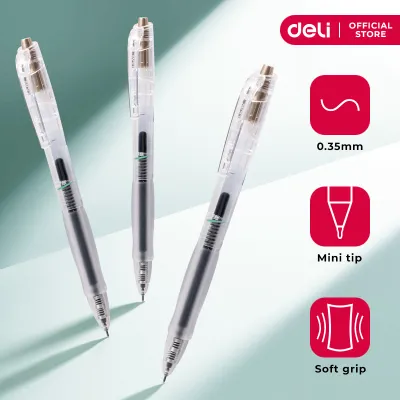
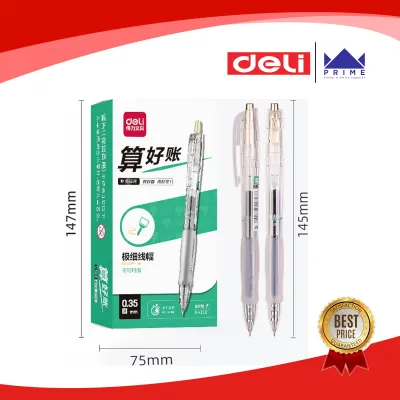
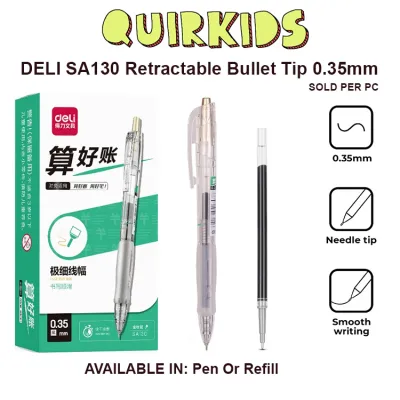
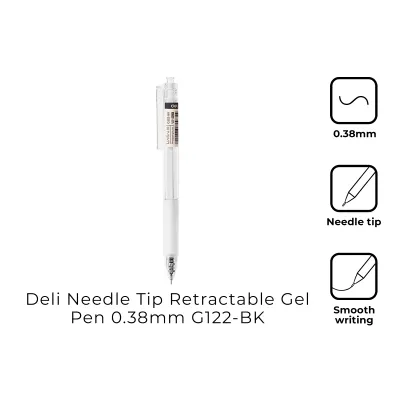
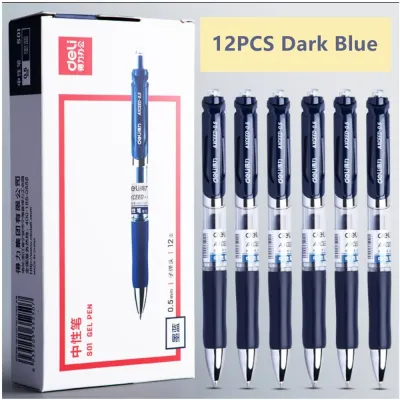
Prices are valid at publication and may change. Please refer to the product page for the latest price.
For relaxed, creative activities like personal journaling or sketching, your writing session length is typically much longer. During these extended periods, the tactile experience of writing becomes just as important as the visual output. You need a pen that accommodates a relaxed grip and a natural, flowing motion over the page. The pen should glide effortlessly, allowing your thoughts to transition to paper without the physical distraction of a scratchy tip or a heavy barrel.
Your physical environment also dictates the physical design of your writing tool. If you carry your pen in a shirt pocket, a lanyard, or a tight organizer slot in your bag, a slim profile and a durable, spring-loaded clip are vital features. A strong clip prevents the pen from slipping out when you bend down or move quickly. On the other hand, if your pen primarily lives on a flat desk or inside a spacious pencil case, you can opt for a wider barrel or a heavier design that provides more substantial hand feel.
Match Tip Size and Ink Type to Your Paper and Handwriting
The relationship between your pen’s tip size, its ink formulation, and the paper you use determines the overall quality of your writing. Tip sizes generally fall into distinct categories, each serving a specific style of handwriting. A fine tip, such as a 0.5mm nib, is excellent for individuals with small, compact handwriting or those who need to squeeze detailed notes into narrow margins. This size produces crisp, thin lines that remain highly legible even when characters are written closely together.

For general writing tasks, a medium tip like a 0.7mm or a bold 1.0mm nib offers a smoother, more substantial line. These larger sizes allow the ball to glide more freely across the paper fibers, reducing the friction you feel while writing. If you have large, sweeping handwriting, a bolder tip will match your natural stroke width and prevent your writing from looking faint or disjointed on the page. However, bolder tips lay down more ink, which requires careful consideration of your paper quality.
The ink type inside your retractable pen plays a massive role in how quickly your writing dries and how it interacts with different paper surfaces. Gel ink is celebrated for its vibrant, highly saturated colors and incredibly smooth flow, making it a favorite for journaling and creative notes. However, because gel ink is water-based, it typically takes longer to dry, especially in warm, humid tropical climates. This slower drying time can lead to smudging if you are left-handed or if you close your notebook too quickly.
Ballpoint ink, which is oil-based, offers a highly reliable and fast-drying alternative. It is exceptionally resistant to smudging and water, making it the traditional choice for signing official documents, filling out carbon-copy forms, and writing on low-grade paper. While it may require slightly more downward pressure to write compared to gel ink, its consistency remains unmatched across various temperatures and humidities. Rollerball ink, which uses liquid water-based ink, provides a fluid writing experience similar to a fountain pen, but it is highly prone to bleeding through thin paper.
To avoid messy pages, perform a simple observable check on the paper you use most frequently, whether it is standard copy paper, school intermediate pads, or thick journal pages. Write a few test strokes and observe the reverse side of the sheet. If you notice “bleed-through,” where the ink completely penetrates the paper, or “feathering,” where the ink spreads sideways along the paper fibers like a tiny spiderweb, you may need to adjust your combination. Switching to a finer tip size or moving from a liquid gel ink to a dry ballpoint formulation will instantly clean up your lines on absorbent paper.
Evaluate Grip Comfort and the Retractable Mechanism
Because a pen is a physical tool, its ergonomic design directly impacts how long you can write comfortably without experiencing hand strain. The grip section is your primary point of contact, and its material composition is highly important. Soft, rubberized cushions absorb the pressure of your fingers, making them ideal for writers who tend to hold their pens with a tight, tense grip. These elastomeric grips provide excellent traction, preventing your fingers from sliding down toward the tip during long writing sessions in warm weather.
Conversely, hard plastic or textured metallic grips offer a firmer, more direct feel that some writers prefer for precise drawing or short, controlled signatures. The thickness of the barrel also matters; a wider barrel can help reduce cramping for individuals with larger hands or joint sensitivity, as it prevents the hand from closing too tightly. A slimmer barrel is often preferred by those with smaller hands or those who prioritize a lightweight, compact tool for quick notes.
The retractable mechanism itself should be tested for reliability, smoothness, and tactile feedback. A high-quality click mechanism should operate seamlessly with a single hand, requiring minimal thumb pressure to deploy and retract the tip. Pay attention to the sound and feel of the click; a crisp, positive engagement indicates well-fitted internal components that are less likely to jam over time. If you work in quiet environments like libraries, study halls, or open-plan offices, you might want to look for a dampened, low-noise click mechanism to avoid distracting those around you.
Finally, consider the overall balance and weight distribution of the pen when held in your natural writing position. A well-balanced pen should not feel excessively top-heavy or bottom-heavy. If the weight is concentrated too far from the tip, you will have to exert extra effort to guide the pen, leading to premature fatigue in your wrist and forearm. Hold the pen comfortably and write a few continuous loops; the barrel should rest naturally in the cleft of your hand, allowing the weight of the pen to assist in pressing the tip against the paper.
Verify Refill Compatibility and Long-Term Usability
Choosing a retractable pen is not just a one-time purchase; it is an investment in a daily tool that you can maintain over time. Before committing to a specific model, it is highly practical to check the availability and standard sizing of compatible ink refills. Many high-quality retractable pens are designed to be reused multiple times, which is both environmentally friendly and cost-effective. Look for models that use standard refill formats, which are widely stocked in local stationery stores and online marketplaces.
Some retractable pens utilize proprietary refill shapes that are unique to the manufacturer, while others accept universal standard refills, such as the widely recognized ISO-format ballpoint or gel refills. Opting for a pen that accepts universal refills gives you the flexibility to experiment with different ink brands and tip sizes while keeping the same comfortable pen body. If you prefer to stick with the original manufacturer’s ink, ensure that the specific Deli refill model is easily accessible in your area so you do not end up with an unusable pen shell once the initial ink runs out.
Evaluating the cost-effectiveness of replacing refills versus purchasing entirely new pens is an important step for managing your stationery budget. In the Philippines, where school and office supplies are often bought in bulk or managed under tight budgets, calculating the cost per milliliter of ink can save you money over the school year or fiscal quarter. Compare the price of a pack of refills in ₱ against the cost of buying new individual pens. Often, purchasing a high-quality pen body once and refilling it multiple times yields a lower cost over the long term, while also reducing plastic waste in your household or office.
Finalize Your Choice With a Practical Testing Checklist
To ensure you make a satisfying purchase, compile your preferences into a simple, personalized specification checklist before you shop. Start by writing down your ideal tip size based on your handwriting, followed by your preferred ink type for your primary paper surfaces. Add your ergonomic preferences, such as a soft rubber grip or a specific barrel thickness, and note whether you require a quiet click mechanism or a heavy-duty pocket clip. Having this clear set of criteria prevents you from being overwhelmed by the vast array of options available on store shelves.
Once your checklist is ready, cross-reference your specifications with the available Deli models in your local stationery stores or preferred online marketplaces. Many retailers provide detailed product descriptions that list the exact tip size, ink type, and grip material of each model. If you are shopping online, read customer reviews to verify how the pen performs in real-world conditions, paying close attention to comments about ink flow consistency and grip durability.
Before committing to a bulk purchase for your office, school semester, or business, plan a low-risk physical test if possible. Buy a single unit of your top choice and put it through its paces on your actual daily notebook or office forms. Write a few sentences at varying speeds to check for skipping, scratching, or ink pooling. Test how quickly the ink dries by running a finger lightly across the text immediately after writing. This hands-on trial ensures that the pen performs beautifully under your specific writing pressure and environmental conditions, giving you complete confidence in your final choice.
Community discussion
Share your experience or ask a question. Comments are reviewed before publication.