
Starting your first diamond painting project in the Philippines is an exciting way to explore the world of DIY crafts, but the key to a successful start lies in selecting the right kit. For beginners, a highly suitable diamond painting kit is one that minimizes frustration by offering a manageable canvas size, forgiving round drills, clear symbol printing, and high-quality adhesive that can withstand tropical humidity. By focusing on these essential elements, you can avoid common pitfalls like hand fatigue, confusing patterns, or diamonds that slide off the canvas, ensuring your new hobby is both relaxing and rewarding.
Many first-time crafters are drawn to large, intricate designs they see online, only to find themselves overwhelmed by the sheer scale of the project. In the local market, where kits are widely available on various online marketplaces, understanding what makes a kit beginner-friendly will save you time, money, and effort. This guide provides a practical framework for evaluating canvas specifications, assessing tool quality, and selecting a design that matches your current skill level.
Key Features to Look for in a Beginner Diamond Painting Kit
When browsing online craft stores, the technical specifications of a diamond painting kit are your first line of defense against project abandonment. A critical factor for a beginner is the canvas size. While a massive 40×50 cm landscape looks impressive, it can take dozens of hours to complete, leading to physical fatigue and loss of interest. For your very first project, look for compact canvas sizes such as 20×20 cm, 25×25 cm, or a maximum of 30×30 cm. These smaller dimensions allow you to finish the piece within a few sessions, providing a quick sense of accomplishment.
Products mentioned in this guide
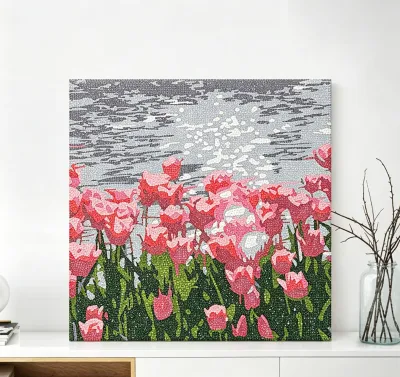


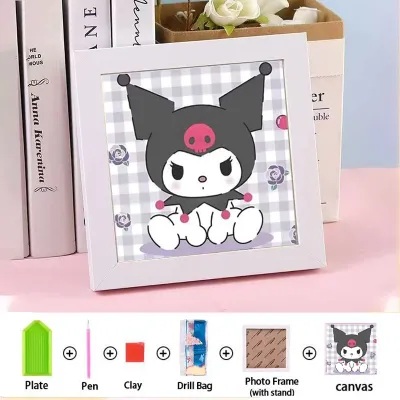

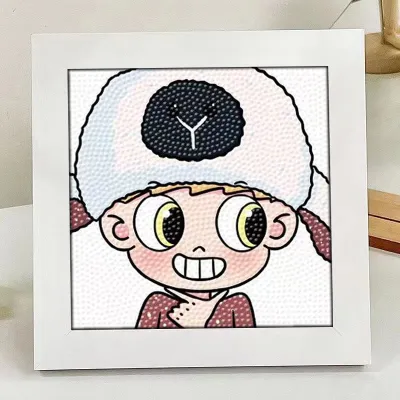
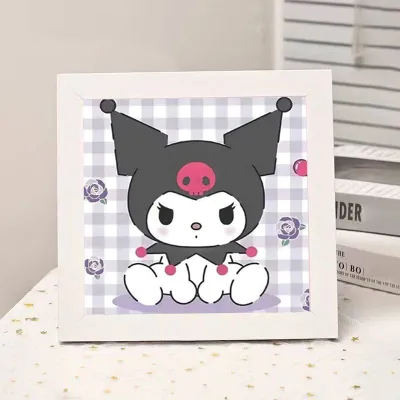

Prices are valid at publication and may change. Please refer to the product page for the latest price.
Another vital decision is choosing between round and square drills, which are the resin rhinestones used to create the image. Round drills are highly recommended for beginners because they are incredibly forgiving. Because they are circular, you do not need to place them perfectly straight on the canvas; they will still look neat and uniform from a distance. Square drills, on the other hand, require precise edge-to-edge alignment. If one square drill is slightly crooked, it creates a domino effect that makes subsequent rows difficult to place, leading to gaps or popping drills.
You must also distinguish between full drill and partial drill designs. A full drill kit requires you to cover the entire canvas with diamonds, which demands a high level of patience and time. A partial drill kit only requires you to place diamonds on specific focal points of the design—such as a flower or a character—while the background remains a pre-printed, non-sticky canvas. Partial drill kits are excellent for beginners because they drastically reduce the total time commitment while still delivering a beautiful, textured 3D effect.
Finally, pay attention to the color palette of the kit. Beginners should seek out designs that feature a limited number of colors, ideally between 10 and 15 shades. A restricted color palette makes organizing your drills much simpler and reduces the frequency with which you need to swap colors in your applicator pen. As you build your speed and confidence, you can gradually transition to more complex kits with wider color ranges and larger canvas dimensions.
Evaluating Design Complexity and Canvas Quality
The visual layout and material quality of the canvas directly impact your comfort during long crafting sessions. Before purchasing, look closely at the product images to evaluate the symbol clarity and print resolution. The canvas is printed with a grid of tiny symbols that correspond to specific diamond colors. If the print quality is poor, symbols like ‘8’, ‘B’, and ‘S’ can look nearly identical, leading to severe eye strain and placement mistakes. High-quality kits feature crisp, high-contrast symbols with distinct background colors for each character.

The adhesive layer on the canvas is what holds your diamonds in place permanently, and its quality is especially critical in the tropical climate of the Philippines. High relative humidity and warm temperatures can cause low-grade adhesives to lose their stickiness or slide around. There are two main types of canvas adhesives: poured glue and double-sided tape. Poured glue is generally more stable because it remains sticky even when exposed to minor moisture and comes with a clear plastic protective cover sheet. Double-sided tape, which usually has an opaque paper cover, is more prone to lifting, bubbling, and drying out in humid environments.
To ensure a frustration-free experience, you should also learn to identify and avoid overly intricate patterns. In the diamond painting community, designs are often categorized by whether they feature “confetti” or “color blocking.” Confetti refers to areas where many different colors are scattered close together, requiring you to constantly change drill colors. Color blocking refers to large sections of the canvas that use a single color. Beginners should prioritize designs with generous color blocks, as this allows you to establish a smooth, rhythmic placement habit without constant interruption.
Lastly, verify that the canvas has a reliable protective cover sheet. This cover sheet keeps dust, pet hair, and ambient moisture off the adhesive while you work. A clear plastic cover is highly advantageous because it allows you to see the entire design as you work on small sections. If your kit comes with an opaque paper cover, you must be careful to only peel back small sections at a time, as exposing the entire adhesive surface to the air will quickly ruin its stickiness.
Checking Tool Quality and Instruction Clarity
A complete diamond painting kit should contain all the necessary accessories to start your project immediately, saving you from having to buy extra tools. The primary tool is the applicator pen, which you use to pick up and place individual drills. Look for a kit that includes a basic single-placer pen with a soft foam grip sleeve. The foam sleeve prevents finger cramping and joint fatigue during extended crafting sessions. While some advanced kits include multi-placer tips that allow you to place three or more drills at once, beginners should focus on mastering the single-placer tip first to ensure accurate placement.
The adhesive wax or gel included in the kit is what allows the applicator pen to pick up the resin drills. This wax is typically packaged in small pink or blue squares. The wax must be pliable enough to press into the hollow tip of the pen, but firm enough to resist melting. In warm tropical climates, cheap or poorly formulated wax can become overly soft, leaving a messy residue on the top of your diamonds or failing to hold them securely. When starting, test the wax by pressing your pen tip into it; it should fill the tip cleanly without oozing out the sides.
Clear instructions and a well-organized legend map are also essential for a smooth start. The legend map, usually printed on the side of the canvas, acts as your decoder key, matching the printed symbols to their corresponding drill bag numbers and standard DMC color codes. A beginner-friendly kit should feature a highly legible legend map with large fonts. Additionally, look for kits that include step-by-step visual instructions on the packaging or provide a QR code linking to online video tutorials, which can be incredibly helpful for visual learners.
The sorting tray is another tool that deserves attention. A good tray has deep, defined ridges that help align the drills face-up when you give the tray a gentle side-to-side shake. This alignment makes it much faster to pick up the diamonds with your pen. Look for trays with a built-in funnel or spout, which makes pouring unused diamonds back into their storage bags simple and spill-free.
How to Build Your Beginner-Friendly Shortlist
Finding the right kit on local e-commerce platforms requires a strategic approach to filtering and searching. Instead of searching for generic terms like “diamond painting,” refine your search queries to target beginner-friendly specifications. Use precise search terms such as “30×30 round drill diamond painting,” “partial drill craft kit,” or “cartoon diamond painting for beginners.” These targeted terms will filter out massive, complex projects and highlight kits that are designed for quick, easy completion.
Once you have a selection of potential kits, the next step is to critically analyze user reviews. Do not rely solely on star ratings; instead, look for reviews that include real photos of the unboxed kits. Pay close attention to feedback regarding missing drills, dried-out canvas glue, or blurry symbol printing. If multiple buyers complain that the canvas arrived folded rather than rolled, this is a major red flag. Folded canvases develop deep creases that are difficult to flatten out, which can cause the diamonds to pop off later.
It is also important to verify the seller’s reputation and shipping practices. Look for local craft shops or highly-rated sellers who specialize in hobby supplies rather than general merchandise. Specialized sellers are more likely to store their inventory in temperature-controlled environments, protecting the canvas adhesive from heat damage. Additionally, check the shipping origin of the kit; choosing a local seller reduces transit time, minimizing the risk of the kit being exposed to extreme heat in cargo holds or delivery trucks.
Finally, review the seller’s customer service and return policies. Because diamond painting kits contain thousands of tiny pieces, there is always a small chance of a packing error. A reputable seller will have a clear policy for replacing missing drills or damaged canvases. Before making your final purchase, send a quick message to the seller to ask about their policy on missing components; a prompt, helpful response is a good indicator of reliable customer service.
Frequently Asked Questions (FAQ)
Is round or square diamond better for beginners?
Round diamonds are significantly better for beginners due to their ease of placement and high tolerance for minor errors. Because round drills do not have straight edges, you do not need to align them perfectly to make the design look cohesive. Any slight misalignment is masked by the tiny gaps between the circles, which are virtually invisible from a distance. Square diamonds require precise, edge-to-edge alignment to fit together like a mosaic, which can be highly frustrating for someone still developing their hand-eye coordination.
What should I do if my kit is missing diamonds?
If you discover that your kit is missing a specific color of diamonds, do not panic or discard the project. Most reputable kits are packed with a 20% to 30% surplus of drills to account for accidental spills, but shortages can still happen. First, check the packaging to see if the seller offers a free drill replacement guarantee. If they do, contact them with your order details and the specific color code. Alternatively, because most diamond painting kits use standard DMC color codes, you can easily purchase individual replacement drill packs online from local craft suppliers for a very low price.
Community discussion
Share your experience or ask a question. Comments are reviewed before publication.