
Starting a new craft project can be both exciting and overwhelming, especially when trying to recreate the delicate beauty of flowers. For beginners in the Philippines, finding a complete DIY flower materials set is the most practical way to dive into this hobby without the stress of sourcing individual components. A well-curated kit provides a structured introduction to floral crafting, ensuring you have the exact proportions of materials needed to complete your first project. However, not all kits labeled “beginner-friendly” are created equal. Some require specialized tools not included in the box, while others may feature materials that degrade quickly in tropical heat and high humidity. Understanding how to evaluate these kits before purchasing ensures a rewarding crafting experience that results in beautiful, long-lasting floral displays.
What Makes a DIY Flower Materials Set Truly Beginner-Friendly?
A genuine beginner-friendly DIY flower materials set must bridge the gap between raw materials and a finished, satisfying product. The primary indicator of a beginner-focused kit is the balance between pre-measured components and bulk materials. Advanced kits often supply raw sheets of paper or large blocks of clay, leaving the crafter to measure, cut, and shape every element from scratch. For a first-time crafter, this can lead to significant material waste and early frustration. Beginner kits, on the other hand, typically feature pre-cut or semi-stamped elements that allow you to focus on assembly, shaping, and learning the fundamental techniques of floral construction.
Another critical factor is the inclusion of specialized, hard-to-source tools. Crafting realistic flowers often requires items that are not found in a standard household toolkit. These include flexible floral wire of specific gauges, specialized floral tape that activates when stretched, precision cutters, and molding mats or ball styluses for shaping petals. When a kit omits these items, beginners are forced to halt their project to source them separately. A truly complete set clearly states that these specialized tools are included, saving you time and additional expenses.
Products mentioned in this guide
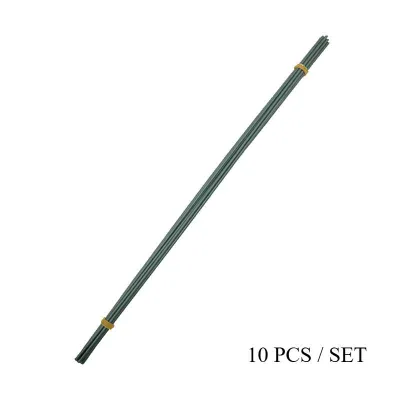
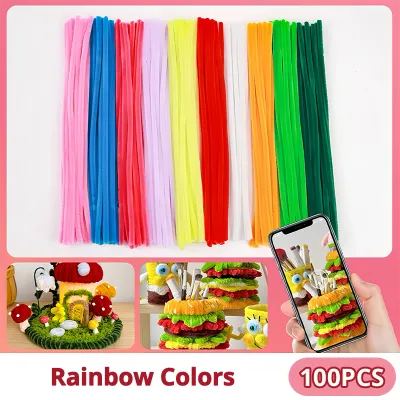
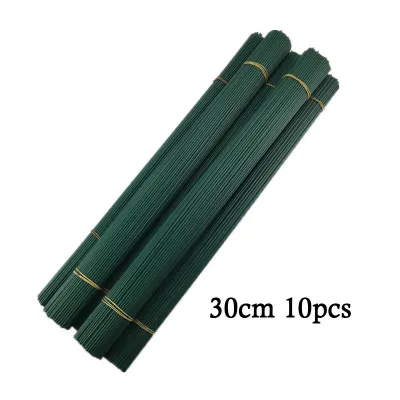
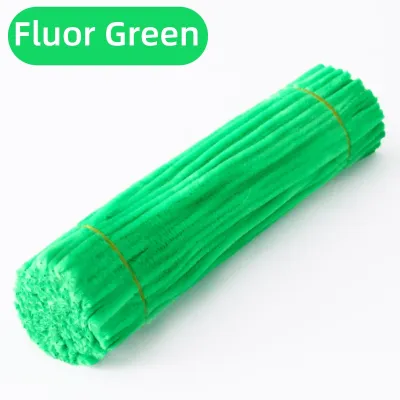
Prices are valid at publication and may change. Please refer to the product page for the latest price.
Finally, the quality and format of the instructions can make or break your crafting experience. Text-only manuals, especially those translated poorly, often lead to confusion during complex folding or molding steps. High-quality beginner kits prioritize visual learning. Look for sets that provide clear, step-by-step photographic diagrams or, ideally, a functional QR code linking to a comprehensive video tutorial. Video guides allow you to observe the exact hand movements, pressure, and angles required to shape petals and assemble stems, which is invaluable for mastering the craft.
Choosing Your Medium: Popular DIY Flower Types for First-Time Crafters
Before purchasing a DIY flower materials set, it is essential to understand the different mediums available, as each requires a distinct set of skills, tools, and workspace conditions. The most common mediums for beginners are paper, cardstock, air-dry clay, and foam. Your choice should depend on your personal preferences, the amount of space you have, and how you plan to display the finished flowers.

Each medium has unique handling characteristics and setting times. For instance, paper and cardstock offer immediate results with no drying time, but they require precise folding and cutting. Moldable materials like clay and foam offer incredible realism and tactile satisfaction but require drying or curing periods and a steady hand for shaping. Additionally, the tropical climate of the Philippines, characterized by high humidity, can affect how these materials behave during the crafting process, particularly when it comes to drying times and adhesive bonding.
Paper and Cardstock Flower Kits
Paper-based kits are highly popular among beginners due to their accessibility and the vibrant, clean designs they produce. When evaluating a paper DIY flower materials set, the first detail to check is whether the kit provides pre-cut petals or requires manual cutting. Pre-cut kits are excellent for absolute beginners or those with limited time, as they eliminate the tedious process of cutting dozens of identical shapes. If the kit uses templates instead, ensure that the templates are reusable and made of durable cardstock so you can recreate the flowers in the future.
The weight and texture of the paper are also crucial for achieving a realistic look. Standard printer paper is too thin and will wilt under the weight of adhesives or when shaped. Look for kits that specify the paper weight, typically ranging from 120 to 220 gsm (grams per square meter). Crepe paper kits should specify the stretch percentage or “bleed” resistance, as high-quality crepe paper relies on its elasticity to form realistic, cupped petals. Additionally, check if the kit instructions indicate the paper’s grain direction; shaping paper along the grain prevents tearing and allows for smoother, more natural curves.
Moldable Materials: Clay and Foam Kits
For crafters seeking a highly realistic, three-dimensional finish, moldable materials like clay and foam are excellent choices. Clay flower kits usually feature lightweight, air-dry polymer clay or resin clay. When choosing a clay kit, always verify that the materials carry non-toxic labels, especially if you are crafting in shared household spaces. Air-dry clays are highly convenient for beginners because they do not require a specialized oven or baking process; however, they are sensitive to ambient humidity. In the Philippines, high humidity can extend the drying time of air-dry clay, so you must plan for a clean, dust-free drying space where your creations can sit undisturbed for 24 to 48 hours.
Foam-based kits, often utilizing thin EVA foam sheets, require a heat source to make the material pliable. Beginners should check if the kit requires a specialized heating tool or if a standard household iron or hair dryer can be used safely to soften the foam. To achieve realistic textures, such as the delicate veins on a leaf or petal, verify that the kit includes essential shaping tools. These typically include double-sided vein molds, rolling pins, and ball styluses. Without these tools, shaping moldable materials can be incredibly difficult, resulting in flat, unnatural-looking flowers.
The Completeness Checklist: Verifying Tools and Instructions
To avoid the disappointment of opening a new kit only to find you cannot start because of missing components, it is vital to run through a completeness checklist before purchasing. A reliable DIY flower materials set should clearly list every item included in the box. Cross-reference this list with the tools required to complete the project. For example, many kits include floral wire but omit the wire cutters needed to trim them to size. Similarly, check if the kit includes the specific type of adhesive required for the medium, such as quick-drying paper glue, hot glue sticks, or specialized clay adhesive.
Instruction accessibility is another critical checkpoint. Many imported kits feature instructions written only in foreign languages. To ensure you can follow along, look for product descriptions that explicitly state the instructions are available in English or feature clear, universal step-by-step illustrations. If the kit advertises video tutorials, check recent customer reviews to verify that the QR codes or website links provided in the kit are active and accessible without requiring registration on restricted platforms.
Finally, be aware of potential hidden costs. Some kits provide the primary materials but require you to supply your own finishing sprays, acrylic paints for detailing, or floral tape. If you do not already own these items, purchasing them separately can significantly increase the overall cost of your project. Choosing a kit that is truly all-inclusive, even if it carries a slightly higher initial price tag, often provides better value and a much smoother crafting experience.
Sourcing and Verifying Authentic Craft Kits in the Philippines
Sourcing high-quality DIY flower material sets in the Philippines requires a careful approach, whether you prefer shopping at physical stores or online platforms. Physical art supply and stationery stores in major metropolitan areas allow you to inspect the packaging and materials firsthand. You can feel the weight of the paper, check the seal on clay packages, and ensure that no components have been damaged or crushed during storage. However, physical stores may have a limited selection of specialized floral kits.
Online marketplaces and ecommerce platforms offer an extensive variety of kits from both local and international sellers, but they require extra vigilance to avoid counterfeit or incomplete products. Before making a purchase, thoroughly examine the seller’s ratings and history. Look for listings with high volume sales and read the unboxing reviews carefully. Customer-uploaded photos and videos are incredibly valuable, as they show the actual contents of the kit rather than the stylized promotional images provided by the manufacturer. Pay close attention to the customer Q&A section, where buyers often ask about instruction languages and tool inclusions.
When ordering online, consider the shipping and storage conditions of the materials. The tropical climate of the Philippines means that packages can be exposed to high temperatures and humidity during transit, especially during long-distance shipping. Temperature-sensitive materials like liquid glues, air-dry clays, and certain adhesives can dry out, melt, or lose their effectiveness if exposed to extreme heat for prolonged periods. To minimize this risk, choose local sellers when purchasing clay or adhesive-heavy kits, and opt for express shipping options when available to reduce the time your materials spend in transit.
Frequently Asked Questions (FAQ)
How should I store leftover DIY flower materials?
Proper storage is essential to preserve the quality of your leftover materials for future projects, especially in a humid environment. For air-dry clays, wrap any unused portions tightly in plastic wrap, ensuring there are no air pockets, and store them in an airtight container with a damp paper towel to maintain moisture levels. Liquid glues and adhesives should have their nozzles thoroughly cleaned of residue before sealing the cap tightly; store them upright in a cool, dark cupboard away from direct sunlight. Paper, cardstock, and fabric components are highly susceptible to moisture damage and fading. Store these flat in resealable plastic bags with silica gel packets to absorb excess humidity, and keep them in a dark drawer or closet to prevent UV rays from fading their vibrant colors.
What are safe substitutes if my kit lacks specific tools?
If you discover that your kit is missing a specific tool, you can often find safe, effective substitutes around your home. For shaping paper or clay petals, a smooth-handled spoon, a clean marble, or the rounded end of a pen can serve as an excellent substitute for a metal ball stylus. If you lack a specialized vein mold, you can press the back of a real, clean leaf with prominent veins onto your clay or foam to transfer a natural texture. For cutting floral wire, standard household pliers with a cutting edge can work, but avoid using regular sewing or paper scissors, as wire will dull or nick the blades permanently. If your kit lacks a critical adhesive or a specialized chemical solvent, do not attempt to use incompatible household glues that could melt foam or fail to bond clay; instead, pause your project and consult the manufacturer’s guidelines or purchase the recommended adhesive from a local craft store to ensure a safe and successful result.
Community discussion
Share your experience or ask a question. Comments are reviewed before publication.