
Quick Overview of Document Holder Styles
To manage daily office paperwork efficiently, the best document holder is one that matches your specific workflow: tiered trays are ideal for active, step-by-step processing; vertical files excel at storing reference materials with visible labels; and pocket sorters are best for categorizing high volumes of loose documents. Choosing the wrong style can lead to cluttered desks, lost files, and disrupted productivity.
Understanding the core purpose of each design helps you narrow down your options immediately. Tiered trays stack horizontally, allowing you to see and grab active files easily, though they require a larger flat footprint on your desk. Vertical files stand upright, saving valuable desk surface by utilizing vertical space, making them perfect for binders, catalogs, and folders you need to pull out frequently. Pocket sorters feature multiple thin slots or accordion-style dividers, which are excellent for sorting incoming mail, invoices, or bills that need quick categorization before processing.
By matching the physical design of these organizers to your daily habits, you can transform a chaotic workspace into a streamlined station. Active processing requires low-friction access, whereas long-term reference storage benefits from compact, high-density vertical setups. Evaluating these basic styles is the first step toward reclaiming your desk space.
Products mentioned in this guide
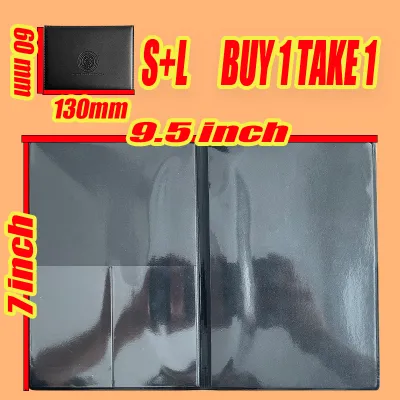
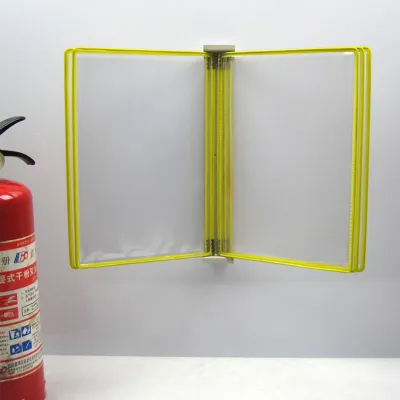
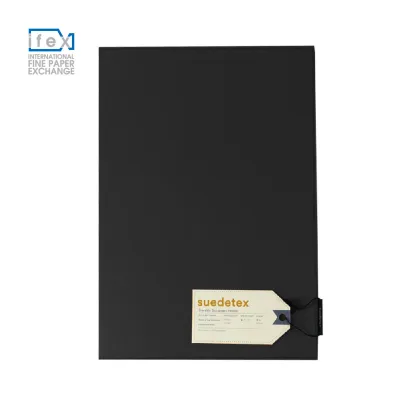
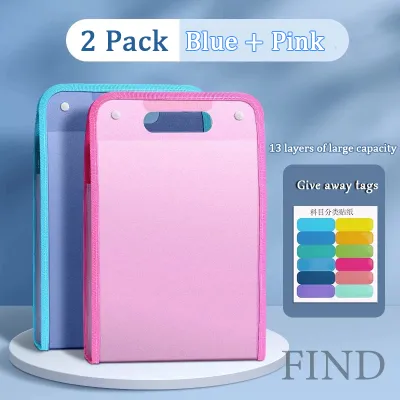
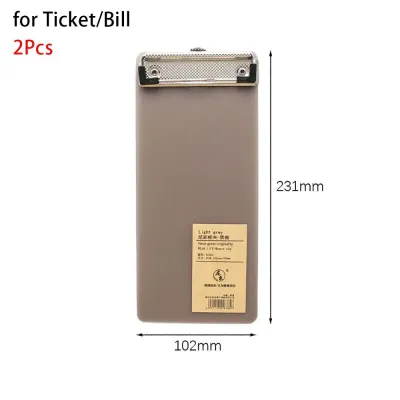
Prices are valid at publication and may change. Please refer to the product page for the latest price.
How to Evaluate Your Desk and Paperwork Needs
Before purchasing any organizer, you must assess the physical characteristics of your paperwork and the limitations of your workspace. In many offices, documents come in various sizes, from standard A4 and letter (short bond paper) to legal-size sheets (long bond paper) and thick manila folders. If your daily tasks involve handling long legal documents, a standard-sized tray might leave the edges hanging off, leading to bent corners and a messy appearance. Always check the physical dimensions of the holder to ensure it fully supports your largest documents.

Your desk’s physical footprint and vertical clearance are equally critical constraints. A large tiered tray system might consume too much flat surface on a compact desk, leaving little room for your keyboard, mouse, or writing space. Conversely, tall vertical files require sufficient overhead clearance, especially if your desk features overhanging shelves, hutch cabinets, or low-hanging monitors. Measure your available desk area and compare it against the product specifications before making a decision.
Material durability and structural stability are vital, particularly in humid tropical climates where moisture can affect both paper and storage materials. Heavy files, thick catalogs, and packed folders exert significant physical pressure on organizer walls. Look for sturdy materials with a solid base weight to prevent the holder from sliding or tipping over when fully loaded. If you plan to store heavy binders, lightweight plastic models may bow or crack under the weight, whereas reinforced metal mesh, thick acrylic, or solid wood offer better long-term durability.
Finally, consider how the new document holder will integrate with your existing office setup. If you already use deep desk drawers, filing cabinets, or wall-mounted rails, your desktop organizer should complement these systems rather than duplicate them. For instance, a desktop holder should only manage active, daily paperwork, while long-term archives are relegated to drawer inserts or filing cabinets. Ensuring compatibility between your desktop tools and your broader filing system prevents redundant storage and keeps your workspace cohesive.
Comparing the Main Document Holder Styles
Choosing between horizontal, vertical, and pocket-based designs comes down to how often you need to access, read, and update your documents throughout the workday. Each style serves a distinct functional purpose, offering unique advantages and specific limitations depending on your daily routine.
Tiered Trays and Horizontal Sorters
Tiered trays stack documents horizontally, making them the traditional choice for active, in-progress paperwork. This design is highly effective for sequential task processing, where documents move physically from one level to another as they progress through different stages of approval or completion. For example, you can designate the top tray for incoming mail, the middle tray for items requiring immediate action, and the bottom tray for completed documents waiting to be filed or scanned.
The primary trade-off with horizontal sorters is their physical footprint. Because they lay flat, they occupy a significant amount of desk surface area compared to vertical alternatives. However, they offer unmatched top-down visibility and ease of access, allowing you to drop papers in or slide them out with a single hand. This low-friction interaction makes them highly suitable for fast-paced environments where speed is essential.
However, horizontal trays have distinct limitations that you must watch out for. If papers are stacked too high, retrieving a document from the bottom of a tray can be frustrating and often leads to a messy pile. Additionally, without a front lip or textured surface, loose papers can easily slide out of the trays. It is also important to check the weight limits of the individual tiers, as cheap plastic or thin wire trays can sag under the weight of heavy paper reams.
Vertical Files and Stand-Up Holders
Vertical files and stand-up holders store documents upright, making them the most space-efficient option for crowded desks. By utilizing vertical height, these organizers keep your desk surface clear while keeping important reference materials within arm’s reach. They are particularly well-suited for storing thick binders, catalogs, magazines, and pre-sorted folders that can stand on their own without sagging.
One of the greatest advantages of vertical storage is the ability to read document spines, book titles, or file folder tabs at a glance. This high visibility eliminates the need to dig through stacks of paper to find what you need. Because you pull documents outward or upward rather than sliding them from underneath a stack, retrieving a single item does not disturb the surrounding files.
To ensure a vertical holder performs well, you must perform stability checks before loading it with heavy files. A top-heavy vertical file can easily tip over, potentially damaging your desk accessories or spilling your paperwork. Look for models with a wide, weighted base and non-slip rubber feet to prevent sliding. If you plan to store thin, loose sheets, keep in mind that they will sag or bend in a vertical holder unless they are placed inside rigid folders or binders first.
Pocket Sorters and Multi-Slot Organizers
Pocket sorters and multi-slot organizers feature narrow, divided compartments designed to categorize high volumes of loose papers, mail, or specific project files. These systems are highly effective for administrative roles that require sorting incoming documents into multiple categories, such as invoices, purchase orders, receipts, or student assignments. By providing dedicated slots for different categories, they prevent loose papers from scattering across your desk.
These organizers come in several configurations, including desktop accordion styles, multi-slot wooden sorters, and wall-mounted pocket charts. Desktop accordion files are highly portable and can be collapsed and stored away when not in use, making them excellent for flexible workspaces. Wooden or heavy-duty plastic multi-slot organizers offer a more permanent, sturdy solution for high-volume sorting, while wall-mounted options completely free up your desk surface.
Despite their organizational benefits, pocket sorters have physical limitations that can cause issues if ignored. Overstuffing narrow pockets can lead to torn dividers, bent paper corners, and difficulty retrieving documents. They are generally not designed to hold thick folders, heavy binders, or bulky catalogs. When choosing a pocket sorter, verify the width and depth of the individual slots to ensure they can comfortably accommodate your typical daily paper volume without forcing you to cram pages inside.
Matching the Organizer to Your Daily Workflow
To get the most out of your document holder, you should configure it to support your specific daily administrative tasks. A classic and highly effective setup is the “Inbox-Process-Outbox” workflow, which is best supported by a three-tiered horizontal tray system. The top tray acts as your inbox, where all incoming mail, forms, and unread documents are placed. The middle tray is your active processing zone, containing tasks you are currently working on. The bottom tray serves as your outbox for completed paperwork that is ready to be mailed, filed, or handed off to a colleague. This physical progression provides a clear visual indicator of your daily workload and prevents tasks from falling through the cracks.
For professionals working in shared desk spaces, hot-desking environments, or reception areas, portability and neatness are paramount. In these settings, a compact, multi-slot pocket sorter or a portable vertical file with a built-in handle is often the best choice. These styles allow you to pack up your active paperwork quickly at the end of the day and store it in a locker or drawer, leaving the desk completely clear for the next user. In reception areas, a neat vertical holder keeps sensitive client documents upright and facing away from public view, maintaining confidentiality while keeping files accessible.
Adapting your physical setup is also crucial for hybrid work environments where you split time between a home office and a corporate headquarters. To maintain productivity, keep only essential, highly actionable papers on your desktop organizer. Non-essential reference materials should be digitized or stored in long-term filing cabinets. By limiting your desktop holder to active files, you reduce visual clutter and make it easier to transition between physical paperwork and digital tasks, ensuring a seamless workflow regardless of where you are working.
Maintaining Your Desk Setup and Organizer
Even the best document holder can become a cluttered dumping ground if you do not establish regular maintenance routines. To prevent paperwork from piling up indefinitely, set a dedicated daily or weekly schedule to clear out your primary inbox tray or active slots. Spending just five minutes at the end of each day sorting through new papers, filing completed tasks, and discarding junk mail ensures that your organizer remains functional and ready for the next business day.
Establishing clear rules for archiving, shredding, or digitizing papers is essential for managing physical capacity. When a specific tray or pocket reaches its practical limit, resist the temptation to cram more papers inside. Instead, use this as a trigger to audit the contents. Ask yourself if the document is still active; if not, decide whether it should be scanned and saved digitally, moved to a long-term filing cabinet, or shredded if it contains sensitive information. Keeping a recycling bin and a paper shredder near your desk makes this process quick and convenient.
Finally, regular cleaning is necessary to keep your organizer looking professional and to protect your documents from dust and grime. In tropical environments, dust can accumulate rapidly, and high humidity can cause paper fibers to soften and stick to surfaces. The cleaning method should match the material of your holder:
- Wire Mesh: Use a dry microfiber cloth or a soft-bristled brush to remove dust from the small crevices. Avoid using wet cloths on non-coated metal to prevent rust.
- Acrylic: Wipe down with a damp microfiber cloth and a mild soap solution if needed. Avoid harsh chemical cleaners or paper towels, which can scratch the clear surface.
- Wood: Dust regularly with a dry cloth and occasionally use a wood-safe polish to maintain the finish. Keep wooden organizers away from direct sunlight and high-moisture areas to prevent warping or mold growth.
Frequently Asked Questions (FAQ)
Can I combine different document holder styles on one desk?
Yes, combining different styles is an excellent way to manage diverse paperwork needs, provided you zone your desk clearly to avoid visual clutter. You can designate one side of your desk as an active processing zone using a tiered horizontal tray for incoming and outgoing tasks. On the other side, place a vertical file holder to store reference manuals, binders, or project folders that you need to access throughout the week. To maintain a cohesive look, choose organizers made from matching materials or colors, such as all-black wire mesh or clear acrylic, which helps unify the workspace visually while serving different functional needs.
How do I stop paper from sliding out of tiered trays?
To prevent loose papers from sliding out of horizontal trays, pay close attention to the design features before purchasing. Look for trays that feature a raised front lip, a slight backward tilt angle, or a textured interior surface that naturally keeps papers in place. For existing trays that lack these features, you can apply simple, low-risk physical barriers. Placing a small strip of non-slip drawer liner at the bottom of the tray provides excellent grip for loose sheets. Alternatively, you can keep loose papers organized inside weighted file folders, or use binder clips and paperweights to secure lightweight documents against drafts from office fans or air conditioning vents.
Are acrylic or mesh document holders better for heavy folders?
Both materials can handle heavy folders, but their performance depends on specific structural designs rather than the material type alone. When evaluating acrylic, look for product specifications indicating a material thickness of at least three to four millimeters, along with reinforced joints, as thin acrylic can crack under sudden impacts or heavy loads. For metal mesh, check for thick wire frames, cross-bracing support, and a wide, solid base that prevents the holder from bowing or tipping. Ultimately, a well-engineered mesh holder with a wide base often provides better long-term stability for heavy, thick binders, while thick, high-quality acrylic offers a sleek, modern aesthetic suitable for standard folders and moderate paper volumes.
Community discussion
Share your experience or ask a question. Comments are reviewed before publication.