
Selecting the right drawing book is about more than just picking a favorite cartoon character or a colorful cover. A child’s fine motor skills, attention span, and cognitive development change rapidly in their early years, meaning a book that engages a six-year-old might only frustrate a toddler. By matching the paper weight, binding style, and illustration complexity to your child’s developmental stage, you can create an inviting space for artistic exploration.
In the Philippines, where rainy afternoons or humid days often keep children indoors, a high-quality drawing book serves as an excellent screen-free activity. However, finding the right fit requires looking past the cover design to evaluate how the book is constructed. Choosing an age-appropriate drawing book ensures your child remains engaged, builds confidence, and develops their creative skills at a comfortable, natural pace.
Why Age and Developmental Stage Matter in Drawing Books
Children develop fine motor control in a predictable sequence, moving from large, whole-arm movements to precise finger adjustments. Toddlers typically start with a palmar grasp, clutching crayons with their entire fist and drawing with sweeping shoulder movements. As they transition into preschool and early school ages, they adopt a transitional grip and eventually a refined pincer grasp, allowing them to control fine-tipped tools and navigate smaller spaces.
Products mentioned in this guide
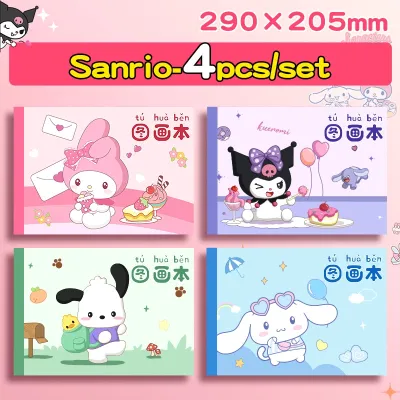
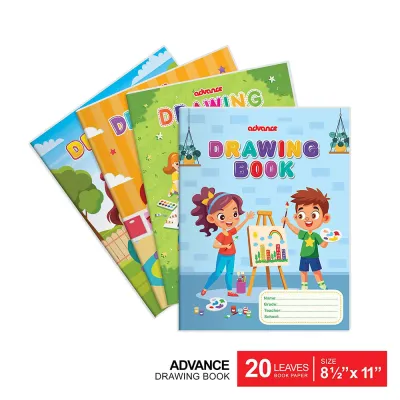
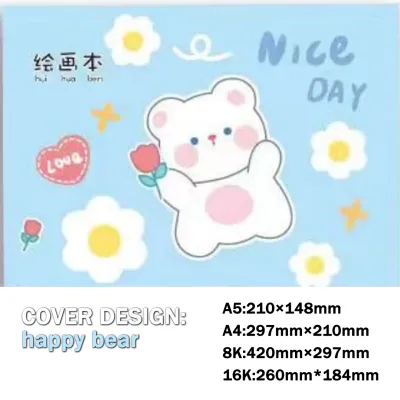
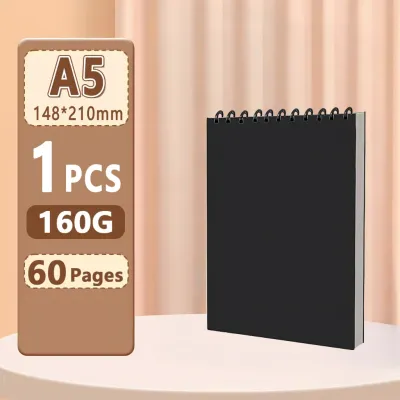

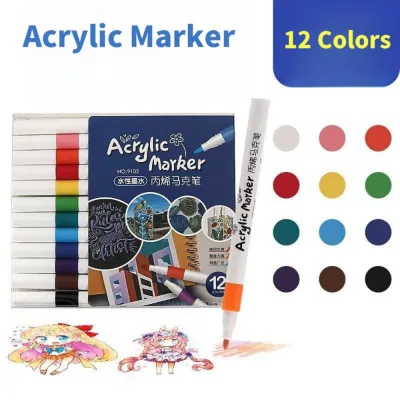
Prices are valid at publication and may change. Please refer to the product page for the latest price.
Attention spans also dictate how a drawing book should be structured. A very young child might only focus on a single page for a few minutes, enjoying the sensory feedback of making marks rather than trying to complete a picture. Older children, however, possess the cognitive stamina to follow multi-step drawing instructions or work on detailed scenes over multiple sessions.
Visual processing and spatial awareness undergo a similar evolution. Toddlers perceive shapes globally and require high-contrast, simple outlines to distinguish boundaries. As children grow, their ability to interpret overlapping figures, depth, and complex scenes matures. Introducing a book with intricate designs too early can overwhelm a child, while a book that is too simple for an older child will quickly lead to boredom.
Key Features to Look for in a Toddler Drawing Book (Ages 2–3)
At this early stage, drawing is primarily a sensory and physical experience. Toddlers tend to apply heavy, uneven pressure when using jumbo crayons or thick wax grips. To prevent tears and frustration, look for books featuring thick, heavy-duty paper, ideally with a weight that feels sturdy to the touch. In humid tropical climates, thin paper easily absorbs ambient moisture, making it even more susceptible to tearing under the enthusiastic scribbles of a toddler.

Binding is another critical factor for this age group. Toddlers lack the coordination to hold a book open with one hand while drawing with the other. Avoid tight, glued bindings that cause the book to pop shut. Instead, opt for top-bound pads or spiral-bound books that lay completely flat on a table or floor, giving your child unrestricted access to the entire drawing surface.
Look for books that feature simple, bold, and high-contrast outlines of single, recognizable objects. A large ball, a simple house, or a basic animal shape with thick black borders provides an excellent visual target. These thick lines offer immediate visual feedback, helping toddlers connect their hand movements with the marks they leave on the page without requiring precise boundary control.
Safety is also paramount for this age group. Ensure the drawing book has rounded corners to prevent accidental scratches to the face or eyes during play. Because toddlers still explore objects with their mouths, verify that the book uses non-toxic, soy-based inks and acid-free paper to ensure a safe creative environment.
What to Choose for Preschoolers (Ages 4–5)
Preschoolers are beginning to transition from random scribbling to intentional shape recognition and early storytelling. They are starting to practice staying within boundaries, though their control is still developing. Drawing books for this stage should feature medium-thick outlines. These lines provide a clear guide for coloring and drawing while still offering a forgiving margin for error as their hand-eye coordination refines.
Choose books that feature familiar, everyday subjects that connect directly to your child’s expanding vocabulary. Scenes depicting friendly animals, neighborhood houses, vehicles, or simple outdoor settings encourage preschoolers to narrate what they are drawing. This connection between visual art and language development helps foster early storytelling skills and cognitive growth.
Page layout becomes highly important at this stage because preschoolers love experimenting with vibrant, wet mediums like washable markers or dot dabbers. Standard paper will easily allow these inks to bleed through to the other side. To prevent a ruined drawing on the reverse page, select books with single-sided printing. This layout also makes it easy to cleanly tear out your child’s favorite creations to display on the wall or refrigerator.
Selecting Drawing Books for Early School-Age Children (Ages 6–8)
By the time children reach early school age, they have developed a functional pincer grip and can control fine-tipped tools like colored pencils, gel pens, and fine-line markers. Drawing books for this group should offer more intricate designs and smaller spaces to color. These detailed illustrations challenge their growing attention spans and encourage the development of precise hand control.
To keep older children engaged, look for books that integrate themed activities alongside blank spaces. Step-by-step drawing guides that teach children how to construct animals or vehicles using basic geometric shapes are highly popular. Connect-the-dots, simple mazes, and finish-the-drawing prompts help build spatial reasoning and technical drawing skills while keeping the activity fun and interactive.
Paper texture, or “tooth,” is a key specification to check for this age bracket. If your child prefers colored pencils, the paper needs a slight texture to grab and hold the pigment effectively. If they enjoy using gel pens or fine liners, the paper should be smooth enough to prevent skipping while remaining thick enough to resist ink feathering. If they plan to experiment with watercolor pencils, look for mixed-media paper specifically rated to handle light moisture without warping.
How to Build Your Child's Drawing Book Shortlist
When shopping for drawing books in local stationery shops or online marketplaces, start by checking the manufacturer specifications on the back cover or product description. Look for explicit details regarding paper weight and compatibility. A label indicating the paper is suitable for multiple mediums—such as crayons, colored pencils, and markers—is a good indicator of versatility and quality.
Examine the binding durability and overall construction of the book. If your child enjoys drawing while traveling, during car rides, or while waiting at restaurants, look for books with a thick, rigid cardboard backing that acts as a built-in clipboard. Check that the pages are perforated if you prefer to remove them easily, or ensure the spiral binding is made of durable, snag-free plastic or coated wire that won’t warp in a school bag.
Align the book’s theme with your child’s current personal interests. Whether they are fascinated by marine life, space exploration, dinosaurs, or fairy tales, choosing a matching theme dramatically increases their willingness to sit and draw. Avoid generic books in favor of those that spark your child’s specific curiosity and imagination.
Finally, do not rely solely on the age recommendation printed on the cover. A book labeled “for ages 3 and up” might actually feature highly intricate patterns that are better suited for an older child, or conversely, it might be too simplistic for an active five-year-old. Always flip through the physical pages or review online sample images to personally assess the line thickness, detail level, and layout before making your purchase.
Frequently Asked Questions (FAQ)
Can a younger child use a drawing book meant for an older age group?
Introducing a drawing book designed for older children too early can lead to frustration and discouragement. A toddler or young preschooler attempting to navigate tiny, intricate spaces with a thick crayon will struggle to stay within the lines, which can make them feel unsuccessful. It can also cause physical hand fatigue as they try to force a level of precision their muscles are not yet ready to support. It is generally best to stick to age-appropriate designs and introduce more complex books only when your child naturally begins seeking out smaller details in their freehand drawings.
Should I buy blank sketchbooks or guided drawing books?
Both formats offer distinct developmental benefits, and a healthy balance of both is ideal for a child’s artistic growth. Blank sketchbooks encourage open-ended creativity, visual expression, and imaginative play without the pressure of boundaries or pre-set rules. Guided drawing books, on the other hand, help build technical skills, hand-eye coordination, and confidence by providing structured steps and clear visual goals. Offering a mix of both—such as using guided books for structured quiet time and blank sketchbooks for free-form doodling—gives your child the tools to develop both technical ability and creative freedom.
Community discussion
Share your experience or ask a question. Comments are reviewed before publication.