
Selecting the right drawing light pad depends entirely on the thickness of your paper, the precision your project demands, and your workspace environment. Whether you are an animator layering multiple sheets of tracing paper, a calligrapher working with heavy cardstock, or a crafter aligning thousands of tiny resin beads for diamond painting, a generic light box may not deliver the exact performance you need. By matching the technical specifications of a light pad—such as illumination uniformity, power source, and surface texture—to your specific artistic medium, you can avoid eye strain, prevent hand fatigue, and elevate the quality of your finished work.
Identifying the Core Requirements of Your Art Project
To find your ideal drawing light pad, first analyze your primary creative medium and how its physical properties interact with an illuminated surface. If you work primarily with dry media like graphite or charcoal, you need a surface that can withstand the pressure of sketching without flexing or scratching. For wet media, such as watercolor or ink washes, the paper must be pre-stretched or heavy enough to resist warping when damp, which in turn requires a much stronger light source to penetrate the dense fibers.
Workspace limitations also dictate the physical form of the device you should choose. In many Philippine home studios or shared study areas, desk space is at a premium. An oversized light pad can crowd your workspace, while a pad that is too small will force you to constantly shift your paper, disrupting your drawing flow.
Products mentioned in this guide
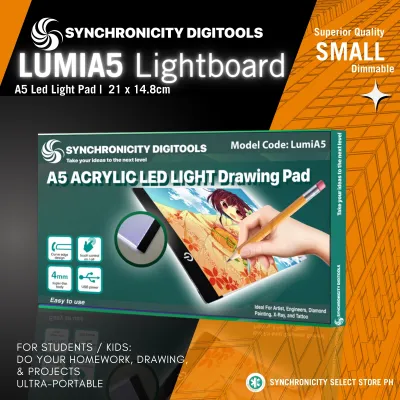
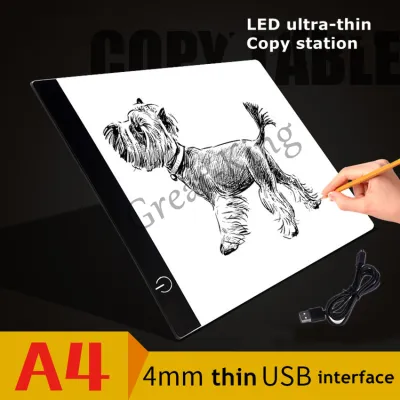
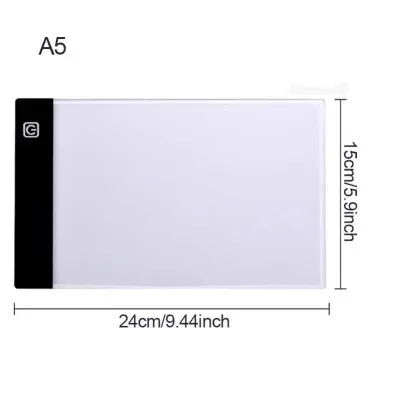
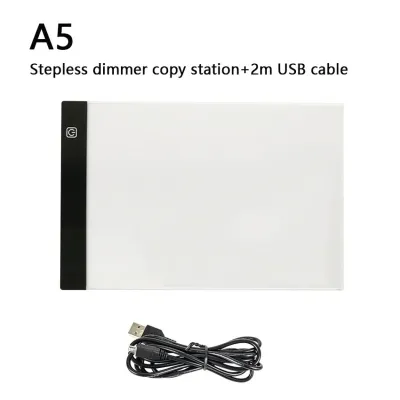
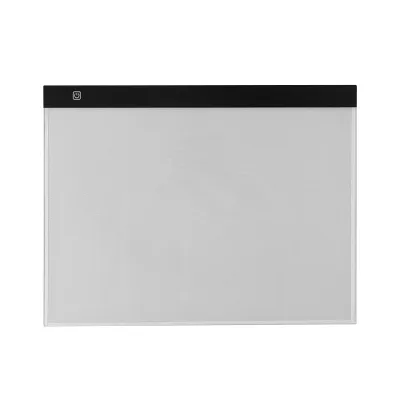
Prices are valid at publication and may change. Please refer to the product page for the latest price.
Additionally, consider your power access. USB-powered light pads offer excellent flexibility, allowing you to run the device off a laptop, a power bank, or a standard phone charger plug. This is particularly useful in areas prone to power fluctuations or when working away from a wall outlet. Standard wall plugs, on the other hand, often deliver more consistent, higher-voltage power, which is beneficial for larger, professional-grade light boxes.
Finally, evaluate the maximum paper weight or canvas thickness you typically use. Standard copy paper (around 70 to 80 gsm) requires very little light to trace through, whereas heavy watercolor paper (300 gsm or more) or thick canvas requires a high-intensity light source. If your light pad lacks the necessary brightness to penetrate your chosen medium, you will find yourself straining to see your reference lines, which can lead to inaccuracies and severe eye fatigue over long drawing sessions.
Matching Light Pad Features to Animation and Sequential Art
Animators and comic artists have unique workflow demands that require specific light pad features, particularly when it comes to layering and flipping pages.

Active Area vs. Overall Size
When working on sequential art, the active illuminated area must be larger than your drawing paper. If you use standard animation paper or 11×17-inch comic boards, a light pad with a small active area will cut off your margins. This forces you to work in sections, which can ruin the perspective and continuity of your drawings. Look for a pad where the illuminated area extends close to the edges, ensuring that your reference grids and peg bars remain fully visible.
Brightness and Dimming
Layering three or four sheets of paper to check animation frames requires exceptional brightness. However, blasting maximum light constantly will quickly strain your eyes. This is why stepless dimming is a critical feature. It allows you to gradually adjust the light intensity to the exact level needed to penetrate your specific stack of paper. A simple long-press on the power button should smoothly transition the brightness, giving you precise control over the illumination.
Surface Texture
The texture of the light pad’s surface directly impacts your control over the medium. A perfectly smooth, glassy surface can cause paper to slide around during rapid page flipping or quick sketching. A light pad with a slightly matte or anti-glare finish provides a subtle resistance, mimicking the natural feel of drawing on a stack of paper. This texture helps keep your sheets stable and reduces harsh reflections from overhead studio lights.
Frame and Bezel
For animators who frequently rotate their work or use peg bars, a thick, raised bezel can be a major obstacle. An ultra-slim bezel with a flush surface allows your hands to glide smoothly off the edge of the pad without catching. It also makes the device much easier to store in a standard portfolio bag or backpack when traveling between your home studio and art school.
Selecting Specs for Tracing, Calligraphy, and Detailed Sketching
Illustrators, tattoo artists, and calligraphers require a high level of precision, making the quality of light and the physical build of the pad paramount.
Light Uniformity
Low-quality light pads often suffer from uneven light distribution, resulting in bright hotspots in the center and dark shadows near the edges. This unevenness can distort your perception of fine lines and details when tracing intricate calligraphy or tattoo stencils. Before committing to a pad, perform an observable check: turn the pad to its lowest setting in a dimly lit room and look for any flickering, dark patches, or color banding. The light should be perfectly uniform across the entire active area.
Color Temperature
The color temperature of the LEDs, measured in Kelvin, affects how you perceive colors and details. Cool white light (around 6000K to 6500K) provides high contrast, making it excellent for tracing crisp black-and-white ink lines or pencil sketches. However, if you are tracing watercolor layouts or marker drawings, cool white light can wash out warm tones. Some advanced light pads offer adjustable color temperatures, allowing you to switch to a warm white light (around 3000K) to preserve accurate color perception during your creative process.
Thickness and Portability
If you frequently attend workshops, work on-site at tattoo conventions, or prefer sketching in local cafes, portability is essential. Modern light pads can be incredibly thin—often under 8 millimeters—and weigh less than a standard textbook. An ultra-thin profile also ensures that your wrist rests at a comfortable, natural angle, reducing the risk of strain during long sketching sessions.
Memory Function
A built-in memory function is a subtle but highly valuable feature for detailed work. When you turn the light pad off to rest your eyes or take a break, the memory function ensures that it returns to your exact previous brightness setting when turned back on. This saves you from having to recalibrate the light level repeatedly, maintaining a consistent working environment throughout your project.
Choosing a Light Pad for Diamond Painting and General Crafting
Craft projects, such as diamond painting, vinyl weeding, and sewing, place different demands on a light pad compared to traditional drawing.
Grid Lines and Rulers
For projects that require precise alignment, such as placing diamond drills, aligning vinyl decals, or transferring embroidery patterns, built-in rulers and grid lines are incredibly helpful. Many crafting light pads feature printed centimeter scales along the edges and a subtle internal grid. This helps you keep your work perfectly straight and symmetrical without needing to manually measure and mark your canvas.
Surface Durability
Crafting often involves sharp tools, including metal styluses, weeding hooks, and tweezers. A standard acrylic surface can easily scratch under these conditions, which can permanently diffuse the light and create distracting marks. When selecting a pad for crafts, look for models that specify a hardened, scratch-resistant acrylic or tempered glass surface. This ensures the pad remains clear and usable even after hours of contact with metal tools.
Size Considerations
Unlike sketchbooks, diamond painting canvases and fabric patterns are often large and cannot be easily folded. A small A4 light pad will require you to constantly shift your canvas, which can damage the adhesive layer or misalign your progress. For these projects, larger formats like A3 or even A2 are highly recommended. They provide a massive, stable surface that can accommodate full canvas rolls, allowing you to work on large sections at once.
Heat Dissipation
In the warm, humid climate of the Philippines, heat management is a critical factor for any electronic device. Poorly designed light pads can heat up significantly during extended use. This heat can soften the adhesive wax used in diamond painting, cause vinyl backing to warp, or dry out craft glues prematurely. Choose a light pad designed with efficient heat dissipation or low-heat LEDs to ensure the surface remains cool to the touch, protecting both your hands and your crafting materials.
Cross-Scenario Compatibility: Finding a Versatile All-in-One Pad
If your creative interests span multiple disciplines, you might wonder if a single light pad can handle all your projects, or if you need to invest in multiple specialized devices.
The Baseline for Versatility
For most hobbyists and multi-disciplinary artists, a mid-range A4-sized light pad serves as an excellent all-rounder. A typical A4 pad powered by a USB connection, featuring stepless dimming and a slim profile, can comfortably handle standard sketching, calligraphy practice, basic tracing, and small-scale crafting projects. This versatile setup is widely available in the Philippine market, with prices generally ranging from ₱500 to ₱1,500, making it an affordable entry point.
When to Compromise
If you are working within a budget or have limited storage space, you will need to make some practical compromises. You might choose to forego built-in rulers or advanced color temperature adjustment. A standard cool-white light pad without a grid can still be used for diamond painting if you place a physical grid sheet underneath your canvas, preserving the pad’s versatility for traditional drawing where built-in grids might otherwise obstruct your view.
When to Specialize
There are clear indicators that your hobby has outgrown a general-use pad. If you find yourself spending hours repositioning large diamond painting canvases on an A4 pad, or if your heavy 300 gsm watercolor paper remains opaque even at the pad’s maximum brightness, it is time to specialize. Investing in a dedicated, high-lux A3 pad for heavy paper, or a rugged, grid-lined pad specifically for crafting, will save you time and frustration in the long run.
Safe Setup, Usage, and Maintenance Guidelines
To maximize the lifespan of your drawing light pad and protect your physical well-being, follow these practical usage and maintenance steps.
Eye Protection
Working with a bright light source in a pitch-black room creates high contrast that rapidly fatigues your eyes. Always ensure your workspace has adequate ambient lighting. Adjust the light pad’s brightness so that it is just strong enough to see your reference lines clearly, and make it a habit to look away from the screen every 20 minutes to rest your eyes.
Surface Care
Dust, oil from your hands, and adhesive residue can accumulate on the acrylic surface over time. To clean it, first unplug the device. Gently wipe the surface with a soft, dry microfiber cloth. If there is stubborn residue, lightly dampen the cloth with water; never use harsh chemical solvents, alcohol, or abrasive cleaners, as these can permanently cloud or scratch the acrylic.
Power Management
Always use the manufacturer-recommended voltage adapter and cable. Inconsistent power delivery from low-quality USB blocks or overloaded extension cords can cause the LEDs to flicker, which not only strains your eyes but can also shorten the lifespan of the internal circuitry. Unplug the device when not in use to prevent unnecessary wear.
Storage
When your creative session is complete, store the light pad flat or vertically in a dedicated protective sleeve or its original box. Avoid placing heavy books or heavy art supplies on top of the pad, as constant pressure can warp the acrylic frame or damage the internal LED connection grid, leading to dead zones in the illumination.

Community discussion
Share your experience or ask a question. Comments are reviewed before publication.