
Selecting the right drawing pad requires matching the physical properties of the paper to the specific demands of your artistic medium. Whether you work with the delicate, precise lines of graphite, the rich, dusty layers of charcoal, or a combination of dry and wet mixed media, the paper you choose acts as the foundation of your work. Using the wrong paper can lead to frustrating issues like fiber tearing, poor pigment adhesion, or premature yellowing. In tropical climates where high relative humidity can soften paper fibers and accelerate degradation, understanding how to evaluate paper specifications is critical for preserving your artwork. By focusing on key characteristics such as surface texture, weight, binding, and color, you can find a drawing pad that supports your creative process and keeps your sketches looking vibrant for years to come.
Understand Paper Texture (Tooth) for Different Mediums
The surface texture of paper, commonly referred to as its “tooth,” describes the microscopic peaks and valleys on the sheet. This texture determines how much friction is created when you press a drawing tool against the page, directly influencing how much pigment is shaved off the pencil or charcoal stick and held in place. Matching this texture to your chosen medium is the first step toward achieving clean lines and rich gradients.
For graphite drawings, a smoother to medium-smooth surface is generally ideal. Fine details, intricate hatching, and smooth, gradual shading require a consistent surface where the pencil tip can glide without falling into deep pockets. If the paper is too rough, your fine lines will appear broken and jagged, and achieving a soft, even blend will become incredibly difficult. Look for papers labeled as smooth, medium, or hot-press, which provide a level surface that allows for precise control over your graphite grades, from hard H pencils to soft B pencils.
Products mentioned in this guide
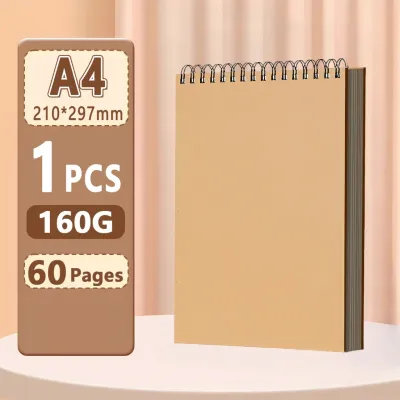
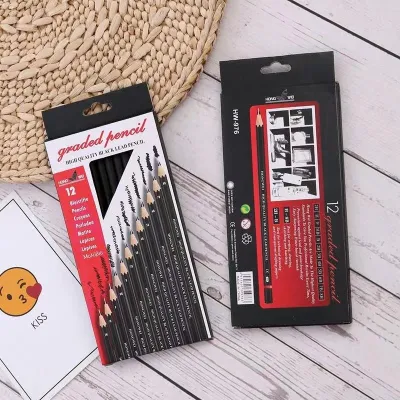
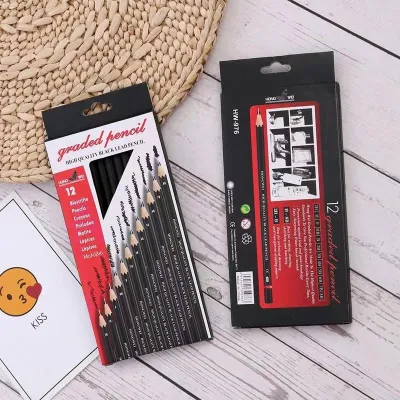
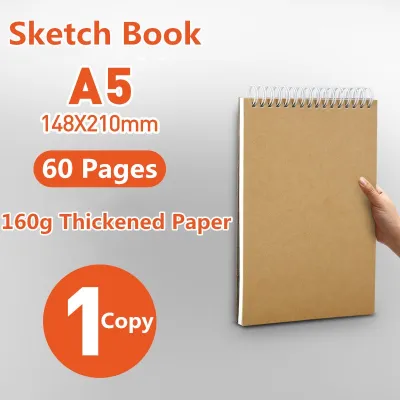
Prices are valid at publication and may change. Please refer to the product page for the latest price.
Charcoal, on the other hand, is a loose, powdery medium that requires a rough, pronounced tooth to cling to the paper. When you draw with willow, vine, or compressed charcoal, the rough texture of the paper acts like a grater, pulling the pigment off the stick and trapping it within the deep valleys of the sheet. Without enough tooth, the charcoal simply slides off or smudges into a muddy blur. Dedicated charcoal papers or cold-press drawing papers provide the necessary grip to build up deep, dark values and hold multiple layers of pigment.
Mixed media artists require a versatile middle ground. A mixed-media pad must feature a medium-to-rough texture that can grab dry pigments like colored pencils, graphite, and pastel, while also possessing a treated surface that can handle light wet applications. This treatment, known as sizing, prevents liquid mediums like ink, watercolor, or light gouache washes from immediately soaking into the paper and causing the fibers to swell or pill. Choosing a medium-textured mixed-media pad ensures you can transition seamlessly from dry sketching to wet washes without switching books.
Check Paper Weight and Thickness to Prevent Tearing
Paper weight is measured either in grams per square meter (gsm) or pounds (lb), indicating the thickness and density of the sheets. Selecting the correct weight is essential for ensuring your paper can withstand the physical demands of your drawing style, including heavy pressure, layering, and repeated erasing.

Standard sketching paper typically ranges from 74 gsm to 90 gsm (around 50 lb to 60 lb). This lightweight paper is highly economical and excellent for quick, low-pressure practice sketches, warm-up exercises, and initial concept layouts. However, it is not designed for heavy-duty work. If you attempt to apply multiple layers of dark graphite, blend heavily with a paper stump, or use a firm plastic eraser on lightweight sketch paper, the fibers will quickly weaken, leading to warping, pilling, or complete tears.
For finished drawings and intensive layering, you should upgrade to heavy-duty drawing paper, which generally ranges from 130 gsm to 200 gsm (around 80 lb to 100 lb) or higher. This thicker paper provides the structural integrity needed to handle aggressive erasing and deep blending without compromising the surface. If you plan to use mixed media, look for even heavier options, typically starting at 200 gsm up to 300 gsm, to ensure the paper does not warp or buckle when moisture is introduced.
When shopping for a drawing pad, you can perform simple visual and tactile checks to evaluate thickness. If you are browsing in a local stationery store, gently hold a single sheet between your fingers to feel its stiffness and density; high-quality drawing paper should feel substantial and resist bending easily. If you are purchasing online, always check the product specifications for the gsm or lb rating rather than relying solely on the product title. Avoid pads that only use the term “sketch” without listing a clear weight, as these are often on the lighter side and may not support heavy rendering.
Evaluate Binding and Format for Your Working Style
The way a drawing pad is bound affects how flat the pages lie, how easily you can remove sheets, and how portable the pad is for different drawing environments. Choosing the right format depends heavily on your physical drawing habits and where you prefer to work.
Spiral-bound pads feature a metal or plastic coil along the top or side edge, allowing the book to fold completely flat or even wrap around on itself. This format is incredibly convenient for artists who draw on their laps, in tight spaces, or while traveling, as it provides a stable, compact surface. Many spiral pads also include micro-perforated edges, allowing you to tear out finished drawings cleanly. However, the spiral binding can sometimes get in the way of your hand if you are left-handed or drawing close to the edge, and the pages can occasionally snag on the coil over time.
Glue-bound pads offer a clean, seamless alternative where sheets are held together by a strip of adhesive along one edge. This design allows you to peel sheets away effortlessly without leaving any ragged edges, making it the preferred choice if you intend to frame, scan, or sell your finished work. The main drawback is that glue-bound pads do not lay completely flat unless you remove the sheet, and the adhesive can dry out and crack over time, especially when exposed to the high humidity and warm temperatures common in tropical climates.
Hardbound sketchbooks and softcover pads offer distinct advantages for portability. A hardbound book features a rigid cover that acts as a built-in drawing board, allowing you to sketch comfortably in local parks, cafes, or public transit without needing a table. It also provides excellent protection for your drawings, preventing the corners of the pages from bending or creasing inside a bag. Softcover pads are lighter and more flexible, making them easier to pack, but they require a flat, supportive surface underneath to prevent the paper from flexing while you draw. Consider your typical subject matter and travel habits to determine whether a compact A5 pad, a versatile A4 size, or a large A3 studio pad best fits your workflow.
Assess Paper Color and Toning Options
The base color of your drawing paper plays a significant role in establishing the mood, contrast, and overall value range of your artwork. While standard white paper is the most common choice, exploring different toning options can open up new creative possibilities.
Bright white paper provides the highest possible contrast, allowing your darkest graphite lines and deepest charcoal shadows to stand out vividly against the page. This makes it excellent for high-contrast portraits and detailed technical drawings. However, working on a stark white surface under bright studio lights or direct tropical sunlight can cause noticeable eye strain over long periods. Off-white, cream, or natural white papers offer a softer, warmer alternative that reduces glare and gives your graphite drawings a classic, organic feel.
Toned papers, usually available in mid-tone gray, tan, or blue, completely alter your approach to shading. Instead of starting with a white canvas and working solely toward the dark values, toned paper provides your middle value from the very beginning. You use dark graphite or charcoal to render the shadows, and white charcoal, chalk, or colored pencils to pull out the highlights. This technique allows you to create highly realistic, three-dimensional drawings with incredible depth in a fraction of the time, as the paper itself does the work of representing the mid-tones.
When selecting a toned or colored drawing pad, it is important to check for color consistency across the entire pad. Lower-quality pads may have slight variations in shade from one page to the next, which can be problematic if you are working on a multi-page series. Look for pads that specify consistent dye lots or high-quality pulp coloring to ensure your background tone remains uniform throughout your project.
Create a Shortlist Based on Your Primary Medium
To finalize your drawing pad selection, it helps to match your primary medium to a specific set of paper characteristics. This practical framework will guide you through the options available at your local stationery shop or online marketplace, helping you balance performance and budget.
If your work is graphite-dominant, prioritize a medium-weight pad (110 gsm to 150 gsm) with a smooth or medium surface texture. This combination provides enough durability for erasing while ensuring your fine lines remain sharp and clean. For charcoal-dominant artists, look for a heavyweight pad (130 gsm to 200 gsm) with a rough, toothy surface or a laid finish that can grab and hold loose charcoal particles. If you enjoy mixed media, select a heavy-duty pad (200 gsm to 300 gsm) specifically labeled for mixed-media use, ensuring it has the necessary sizing to resist water absorption.
When reading product labels, look for key terms that indicate quality. Always check for the words “acid-free” or “archival.” Acid-free paper is treated to neutralize naturally occurring acids, preventing the paper from yellowing, becoming brittle, and degrading over time—a crucial feature in humid environments where chemical breakdown can happen more rapidly. Additionally, distinguish between “sketch” and “drawing” labels; sketch pads are typically lighter and intended for quick practice, while drawing pads feature heavier, higher-quality sheets designed for finished work.
Consider your budget by evaluating the cost per sheet in ₱. For daily practice, quick warm-ups, and experimentation, a budget-friendly student-grade pad costing around ₱150 to ₱300 for a large pack of sheets is highly practical, as it allows you to draw freely without worrying about wasting expensive paper. For finished, professional-grade pieces that you intend to display or sell, investing in a premium pad costing ₱600 to ₱1,200 is highly recommended, as the superior fiber quality and texture will significantly enhance your drawing experience and the longevity of your art.
Before committing to a bulk purchase or starting a major project on a new pad, always perform a few simple tests on the very last page. Draw a small gradient scale to see how smoothly the paper transitions from light to dark, apply heavy pressure to test the paper’s resistance to indenting, and use a plastic eraser to check if the surface fibers pill or tear. You can also leave a test sheet exposed to your local room environment for a few days to observe how well it handles the ambient humidity without curling.
Frequently Asked Questions (FAQ)
Can I use a standard sketch pad for heavy charcoal work?
Standard sketch pads are generally not recommended for heavy charcoal work due to their lightweight nature (usually under 90 gsm) and smooth surface texture. Charcoal requires a rough, toothy surface to grip the loose pigment particles; on smooth sketch paper, the charcoal will easily smudge, smear, and slide off the page, making it difficult to build deep, dark values. Additionally, the vigorous blending and erasing typical of charcoal drawing can easily tear or pill thin sketch paper. For optimal results, upgrade to a dedicated charcoal pad or a heavyweight drawing pad with a rough texture that can securely hold the pigment and withstand heavy manipulation.
How do I prevent my drawing pad pages from warping?
To prevent your drawing pad pages from warping, it is essential to protect them from moisture and high humidity, which can soften paper fibers and cause them to expand unevenly. Store your drawing pads flat in a cool, dry place rather than standing them upright, as vertical storage can cause the pages to sag and warp over time under their own weight. Keep your pads away from direct sunlight, open windows, and damp walls. If you live in a highly humid tropical climate, consider storing your drawing pads inside a sealed plastic container or a drawer alongside a few silica gel packets to absorb excess moisture and keep the paper completely flat.
Community discussion
Share your experience or ask a question. Comments are reviewed before publication.