
Finding the right drawing set with sketch pad for school art classes in the Philippines requires balancing curriculum requirements, durability, and local environmental factors. High humidity can warp thin paper, while daily commutes on public utility vehicles like jeepneys or tricycles can easily break delicate graphite cores. A well-chosen kit ensures that students have all the necessary tools—from varied pencil grades to the correct paper weight—without carrying unnecessary weight or overspending on professional-grade materials they do not yet need.
Aligning the Drawing Set with School Art Requirements
Before purchasing any drawing set with sketch pad, review the school art syllabus or consult the teacher’s supply list. Art curricula in the Philippines vary widely between general education classes in junior high school and specialized tracks like the Arts and Design track in Senior High School or fine arts courses in college. A basic class might only require standard graphite pencils and a simple sketch pad, while advanced classes often demand charcoal, blending stumps, and specialized paper.
Matching the complexity of the set to the student’s grade level prevents frustration and unnecessary expenses. For elementary and early high school students, a foundational set containing a few essential graphite grades (such as HB, 2B, and 4B) and a medium-weight sketch pad is usually sufficient. Introducing overly complex professional kits with dozens of charcoal sticks and specialized knives can overwhelm beginners and lead to lost or damaged tools.
Products mentioned in this guide
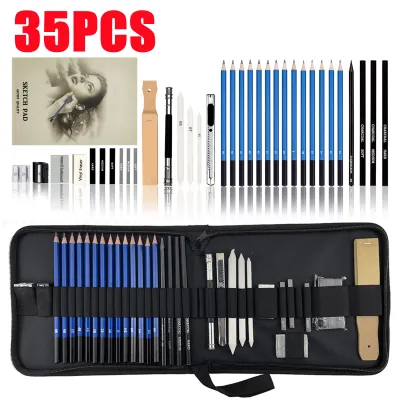
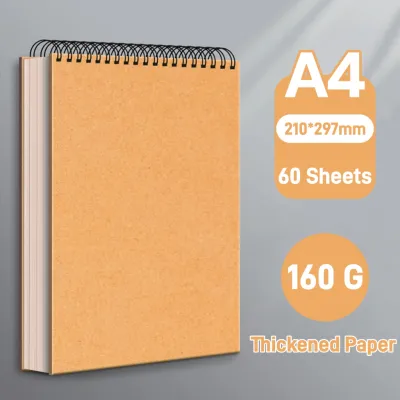
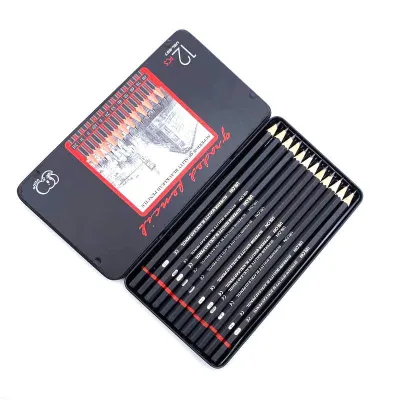
Prices are valid at publication and may change. Please refer to the product page for the latest price.
Additionally, pay close attention to teacher-specified restrictions on materials and formats. Some instructors strictly forbid spiral-bound pads because they prefer loose sheets for grading, while others mandate them to keep all coursework organized in one place. Be sure to check for restrictions on messy mediums like soft charcoal or powdered graphite, as well as safety guidelines regarding sharp utility knives or chemical fixatives in enclosed classroom spaces.
Evaluating the Essential Components of a Complete Drawing Set
A complete drawing set with sketch pad should provide a self-contained ecosystem for the student’s assignments. The baseline inventory for a reliable school kit includes a range of graphite pencils, at least one high-quality eraser, a sharpener that catches shavings, and a compatible sketch pad. Having these core items bundled together saves time and ensures that the paper texture is compatible with the drawing mediums provided.

It is important to distinguish between mandatory school supplies and nice-to-have accessories that inflate the price of a kit. While items like sandpaper blocks, dual-tip markers, and metal dual-head pencil extenders are useful, they are rarely required for introductory classes. Prioritize kits that focus on the quality of the core pencils and paper rather than those that pack dozens of low-grade accessories into a large, impressive-looking box.
Assessing Sketch Pad and Paper Specifications
The paper is the foundation of every drawing, and its specifications dictate which mediums can be used successfully. When evaluating a drawing set with sketch pad, check the paper weight, which is measured in grams per square meter (GSM). For dry mediums like graphite and colored pencils, a paper weight of 90 GSM to 120 GSM is standard and prevents tearing during heavy shading. If the curriculum includes light ink washes, watercolor, or heavy blending, look for a heavier mixed-media paper of at least 150 GSM to 200 GSM to prevent buckling and bleed-through.
Paper tooth, or texture, is another critical factor that determines how well mediums adhere to the surface. Smooth paper (hot-pressed) is excellent for fine detail work and clean pen lines, but it struggles to hold multiple layers of graphite or charcoal. Medium-textured paper (cold-pressed or vellum finish) has enough tooth to grab graphite particles, allowing for rich dark tones and smooth blending without the medium slipping off the page.
The binding style of the sketch pad affects both classroom usability and portability. Spiral-bound pads allow the cover and finished pages to fold completely flat, saving precious desk space in crowded school armchairs. Glue-bound pads allow for clean, tear-free removal of sheets when submitting assignments to the teacher, but they can fall apart if carried loose in a backpack. Hardbound sketchbooks offer the best protection for drawings but are heavier and more difficult to keep open on flat surfaces.
Checking Pencils, Erasers, and Blending Tools
The core of any drawing set is its selection of pencils, which must cover a functional range of hardness grades. Graphite pencils are graded on a scale from H (hard, light lines) to B (soft, dark lines), with HB sitting in the middle. A standard school curriculum typically requires at least one H pencil for initial light sketching, an HB or 2B for general drawing, and darker grades like 4B and 6B for deep shadows and contrast. Avoid sets that offer too many extreme H grades (like 5H or 6H), as these are rarely used in school art classes and can scratch the paper.
Erasers are not just for fixing mistakes; they are active drawing tools used for highlighting and subtractive drawing. A complete set should include both a standard vinyl or plastic eraser for clean, complete erasures and a kneaded eraser. Kneaded erasers can be molded into custom shapes to lift small amounts of graphite, create soft highlights, and clean up charcoal dust without damaging the delicate fibers of the paper.
Finally, verify the inclusion of essential blending and maintenance tools. Blending stumps (tortillons) made of tightly rolled paper are indispensable for creating smooth gradients in shading assignments, preventing students from using their fingers, which leaves skin oils on the paper. A reliable dual-hole sharpener designed for both standard graphite and softer charcoal pencils is also necessary to prevent core breakage during class.
Prioritizing Portability, Storage, and Durability for Daily Commutes
In the Philippines, school supplies must withstand demanding daily commutes, often involving exposure to high humidity, sudden tropical downpours, and crowded public transportation. The material of the drawing set’s carrying case plays a major role in protecting the contents. Canvas roll-up cases are highly durable, flexible, and easy to pack into tight spaces, while zippered nylon pouches offer excellent protection against dust and light moisture. Hard plastic cases provide the best impact resistance but can be bulky and prone to cracking if dropped on concrete floors.
Internal organization is crucial for preventing pencil leads from shattering internally during transit. Look for cases that feature individual elastic loops or molded slots for each item. When pencils are allowed to roll freely inside a box, their tips collide, causing the internal graphite cores to fracture; this leads to leads that repeatedly fall out during sharpening. Secure slots also make it easy for students to perform a quick visual inventory before leaving the classroom, ensuring no tools are left behind.
Weight and physical dimensions must be balanced against the student’s daily load. A massive, multi-tier wooden art box may look professional, but it is highly impractical for a student who must carry a heavy backpack filled with textbooks and notebooks. A compact, lightweight zippered portfolio or a roll-up wrap that fits easily alongside school books is much more practical for daily travel. To combat the high humidity of the tropical climate, placing a small silica gel packet inside the pencil case can help absorb excess moisture, preventing paper warping and keeping charcoal sticks dry.
Final Purchasing Checklist and Verification Steps
Before finalizing a purchase at a local department store, school supply shop, or online marketplace, perform a thorough quality check. If buying in person, inspect the packaging for any signs of impact, water damage, or tampering. Open the set if permitted to ensure all listed components—especially smaller accessories like sharpeners, eraser caps, and blending stumps—are present and undamaged.
Read the manufacturer labels carefully to verify product specifications rather than relying on generic online product titles. Look specifically for the term “acid-free” on the sketch pad label; acid-free paper resists yellowing and degradation over time, preserving the student’s artwork for grading and portfolios. Check that the pencil leads are centered within their wooden casings, as off-center leads are incredibly difficult to sharpen without breaking.
Lastly, familiarize yourself with the retailer’s return and exchange policies, particularly when purchasing online. Because drawing tools are fragile, transit damage can occur despite protective packaging. Ensure the seller offers a straightforward return process for defective items, such as split pencil shafts or bent sketch pad corners, so the student is fully prepared with functional tools before the first day of art class.
Frequently Asked Questions (FAQ)
How do I keep pencils from breaking inside the drawing set case?
To prevent internal graphite breakage, always store pencils securely in their designated elastic loops or slots within the case. Avoid letting pencils roll loose in a backpack or pencil box, as physical impacts cause the fragile cores to fracture. When traveling, place the drawing case horizontally or in a padded sleeve inside the school bag to absorb shocks from walking or riding public transport. Additionally, keep protective plastic caps on charcoal and soft graphite pencils to shield their delicate tips from direct pressure.
Can I replace the sketch pad once the original one is full?
Yes, sketch pads can be easily replaced once all the pages are used. When sourcing a replacement, match the dimensions, paper weight (GSM), and texture of the original pad to ensure consistency in school assignments. Many drawing set cases are designed with a back pocket or sleeve that accommodates standard-sized pads, allowing you to slide a new pad of the same size directly into the existing kit. You can find compatible replacement pads at local stationery stores or official brand outlets.
What should I do if the school requires materials not included in the set?
If your art curriculum requires specialized tools not found in your pre-packaged set, purchase them individually rather than buying an entirely new kit. Review the teacher’s syllabus to identify the exact specifications of the missing items, such as a specific soft charcoal grade or a particular blending tool. You can store these supplementary items in the existing case if it has extra elastic loops, or keep them organized in a small, separate zippered pouch attached to the main drawing set.
Community discussion
Share your experience or ask a question. Comments are reviewed before publication.