
Selecting the perfect textile for your sewing project at the Team Buenaventura store requires a balance of pattern compatibility, fabric weight, and fiber performance. Whether you are navigating their physical aisles in the Philippines or browsing their digital catalog, the key to success lies in matching the physical properties of the fabric to the functional demands of your final garment or home decor piece. By understanding how different weaves, weights, and fibers behave under local tropical conditions, you can confidently select materials that are easy to sew, comfortable to wear, and durable enough to withstand high humidity and frequent washing.
Define Your Project Requirements Before Shopping
Before you step into the bustling environment of the Team Buenaventura store or message their sales representatives, you must establish a clear blueprint of your sewing project. Walking into a fabric store without a plan often leads to impulse purchases of beautiful but unsuitable materials. Begin by identifying the exact type of item you intend to create. A tailored corporate blazer, a flowing summer maxi dress, heavy-duty tote bags, and structured living room curtains all require completely different structural foundations.
Next, determine the functional properties your finished item must possess. Ask yourself if the project requires a high degree of stretch for activewear, rigid structure for a structured collar, high breathability for daily wear in warm Philippine weather, or complete opacity to avoid the need for an inner lining. Write down these requirements as a non-negotiable checklist to guide your search.
Products mentioned in this guide
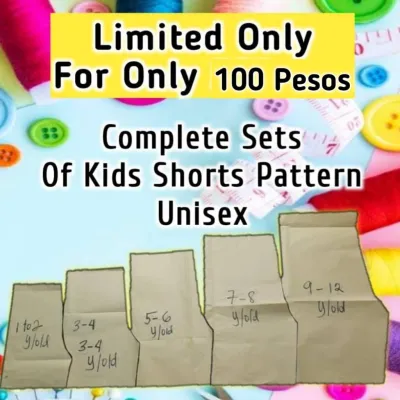
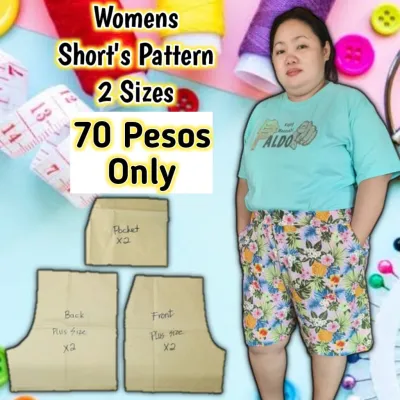
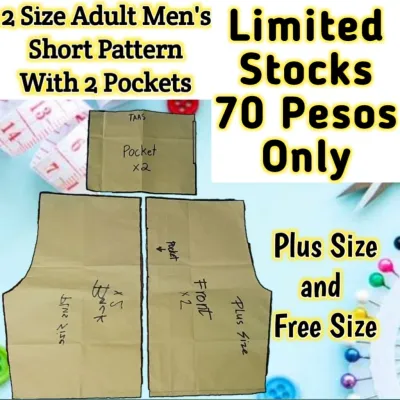
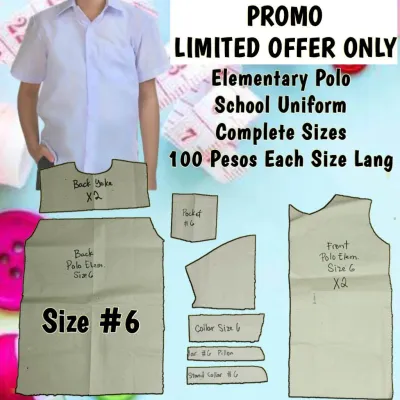
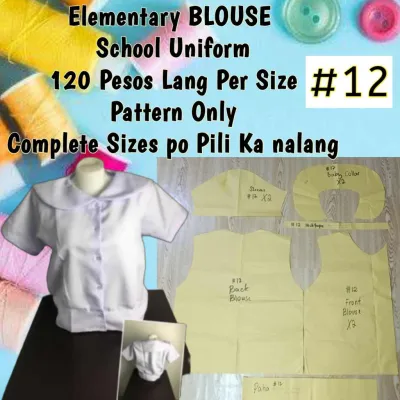
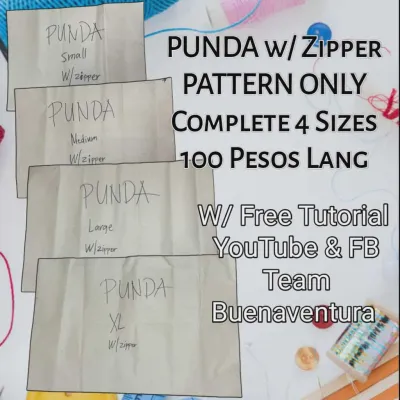
Prices are valid at publication and may change. Please refer to the product page for the latest price.
You should also carefully review your sewing pattern’s instruction envelope or tutorial sheet. Commercial sewing patterns explicitly list recommended fabric types, required notions like zippers or buttons, and suitable fabric weights. Purchasing a lightweight knit fabric when your pattern calls for a sturdy woven denim will result in a distorted, unwearable garment.
Finally, prepare a physical or digital checklist containing your project’s exact yardage requirements, preferred color palettes, and necessary sewing notions. Having this list ready prevents decision fatigue when you are faced with the vast assortment of textiles available at the Team Buenaventura store, keeping your shopping experience highly efficient and budget-friendly.
Match Fabric Weight and Drape to Your Project Type
Fabric weight and drape dictate how a finished garment moves with your body and holds its shape. Weight is typically measured in grams per square meter (GSM) or ounces per square yard, while drape refers to how the fabric folds and falls when hung.

Lightweight fabrics, such as chiffon, organza, and lightweight rayon (often referred to locally as chalice or soft linen blends), are excellent choices for flowing garments, delicate ruffles, and breathable summer wear. These fabrics offer a fluid drape that moves gracefully, making them ideal for the warm, humid climate of the Philippines. However, they can be slippery to cut and sew, often requiring fine sewing machine needles (such as size 70/10 or 65/9) and French seams to prevent fraying.
Medium-weight fabrics represent the most versatile category you will encounter at the Team Buenaventura store. Materials like cotton poplin, linen, and medium-weight cotton-polyester blends are excellent for everyday apparel, structured button-down shirts, school uniforms, and light casual skirts. These fabrics are exceptionally stable, making them the easiest to cut, pin, and sew for beginners. They offer a balanced drape that can hold moderate structure while remaining comfortable for daily wear.
Heavyweight fabrics, including canvas, denim, drill, and heavy upholstery textiles, are engineered for durability and structural integrity. Choose these materials when sewing structured jackets, utility bags, backpacks, heavy curtains, or home seat covers. These fabrics have very little to no drape, meaning they will stand away from the body and hold rigid shapes. When working with heavyweight fabrics, ensure your home sewing machine is compatible and equipped with heavy-duty needles (size 90/14 to 100/16) and strong polyester thread to penetrate the thick layers without skipping stitches.
To perform an in-store drape testing, do not rely solely on how the fabric looks folded on the shelf. Unroll a section of approximately one to two meters from the fabric bolt. Drape it over your arm or hold it up to your shoulder in front of a mirror. Observe how the fabric falls under natural lighting: does it form soft, fluid folds, or does it stick out stiffly? This simple, observable test ensures the fabric’s physical behavior aligns perfectly with the silhouette of your sewing pattern.
Evaluate Fabric Content for Your Intended Use
The fiber composition of a fabric determines its breathability, durability, ease of maintenance, and comfort against the skin. At the Team Buenaventura store, you will find a mix of natural fibers, synthetic alternatives, and blended textiles.
Natural fibers, such as cotton, linen, and silk, are highly prized in tropical regions for their exceptional breathability and moisture-wicking properties. Cotton and linen allow air to circulate freely, keeping the wearer cool during hot afternoon commutes in Manila. They are also highly absorbent and comfortable for sensitive skin. However, pure natural fibers are prone to heavy wrinkling and can shrink significantly during their first wash, requiring careful pre-treatment.
Synthetic fibers, including polyester, nylon, and acrylic, offer superior durability, excellent wrinkle resistance, and high color retention. Polyester fabrics dry incredibly fast after washing, which is a major advantage during the Philippine rainy season when outdoor drying can take days. These materials are perfect for activewear, travel clothing, and outdoor gear because they resist stretching, shrinking, and mildew. On the down side, pure synthetics do not breathe as well as natural fibers and can trap body heat and sweat.
Fabric blends, such as poly-cotton or rayon-polyester, combine the best characteristics of both worlds. A cotton-polyester blend offers the breathability of cotton alongside the wrinkle resistance and durability of polyester, making it an excellent, low-maintenance choice for school or office uniforms. These blends are often more affordable and easier to iron than pure natural fibers.
To verify the fiber content of your selected fabric, look for the manufacturer’s specification tags attached to the end of the fabric bolt. If the bolt lacks a clear label, do not hesitate to ask the store staff for a detailed breakdown of the fiber content. Knowing the exact composition helps you select the correct sewing machine needle, thread type, and iron temperature setting before you begin your project.
Inspect the Fabric Quality In-Store
Before the store staff cuts your chosen fabric, you must conduct a thorough physical inspection at the cutting counter to ensure you are paying for high-quality, defect-free material.
Begin with a close visual inspection of the fabric’s surface. Scan the material for weaving flaws, such as skipped threads, snags, or irregular slubs that are not part of the intentional design. Check printed fabrics for misprints, color bleeding, or uneven dyeing along the length of the bolt. If you notice any consistent defects, point them out to the staff so they can cut around the damaged areas or offer a different bolt.
Next, perform a grainline check. Woven fabrics are made of crosswise (weft) and lengthwise (warp) threads woven at perfect right angles. Look at the cut edge or the woven selvage to ensure the grain is straight and perpendicular. If the grain is badly skewed or distorted during the manufacturing or rolling process, your finished garment may twist, warp, or drape unevenly after its first wash, a structural defect that is nearly impossible to correct after cutting.
Conduct a tactile evaluation by rubbing a corner of the fabric between your fingers and holding it against the inside of your wrist or neck. This test helps you assess the hand of the fabric—its softness, stiffness, or potential itchiness. This is especially critical for unlined garments like summer dresses or children’s wear, where the fabric will have direct, prolonged contact with the skin.
Lastly, review any available care instructions or ask the staff about the fabric’s washing guidelines. Ensure the fabric’s required maintenance—such as hand washing, cold machine washing, or low-temperature ironing—aligns with your lifestyle. If a fabric requires delicate dry cleaning and you prefer low-maintenance, machine-washable clothes, it is best to choose an alternative material from the store’s inventory.
Calculate Yardage and Finalize Your Purchase
Accurate yardage calculation prevents the frustration of running out of fabric mid-project or wasting money on expensive excess material.
To calculate your yardage, refer directly to your sewing pattern envelope or a reliable project tutorial. Patterns usually provide a grid detailing how many yards or meters of fabric are required based on the size you are making and the width of the fabric you choose.
Fabric width is a critical variable that directly impacts your purchase. Fabrics at the Team Buenaventura store typically come in standard widths of 45 inches (approx. 114 cm) or 60 inches (approx. 152 cm). A pattern that requires 3 meters of a 45-inch wide fabric may only require 2.2 meters of a 60-inch wide fabric because the wider layout allows you to place pattern pieces side-by-side. Always check the width of the bolt before finalizing your cut length.
Always add a safety allowance for shrinkage and pattern matching. It is highly recommended to purchase an extra 10% to 15% of fabric beyond the pattern’s recommendation. This extra length accounts for natural fiber shrinkage during the mandatory pre-washing step, allows you to match patterns like stripes, plaids, or large floral motifs seamlessly, and provides a safety margin for minor cutting mistakes.
When you are ready to finalize your purchase at the cutting counter, verify the final cut length with the salesperson. Ensure they cut the fabric straight along the crossgrain rather than ripping it unevenly. Confirm the price per yard or meter in Philippine Pesos (‛) to ensure it matches the listed price, and double-check that you have gathered all matching notions, such as sewing threads, interfacing, and zippers, before heading to the cashier.
Frequently Asked Questions (FAQ)
What is the difference between woven and knit fabrics?
Woven fabrics are constructed by interlacing horizontal and vertical threads at right angles, resulting in a stable textile with little to no inherent stretch unless elastic fibers like spandex are added. They are ideal for structured garments like button-down shirts, trousers, and structured dresses. Knit fabrics are made by interlooping a single continuous yarn, giving them natural stretch and recovery. Knits are perfect for comfortable, form-fitting garments like t-shirts, activewear, and loungewear. When sewing wovens, use a standard universal needle and a straight stitch; for knits, use a ballpoint or stretch needle and a zigzag or stretch stitch to prevent skipped stitches and thread breakage.
How can I test if a fabric will shrink?
To test a fabric’s shrinkage potential, look at the care label or ask the store staff for the fiber content. Natural fibers like cotton, linen, and rayon have a high risk of shrinking when exposed to water and heat, whereas synthetic fibers like polyester are highly stable. A reliable way to test shrinkage is to purchase a small, measured swatch (such as a 10 cm by 10 cm square) or add an extra 15% to your total yardage. Wash and dry the fabric using the exact temperature and cycle settings you plan to use for the finished garment. Measure the dry fabric against your initial measurements to calculate the exact shrinkage percentage before cutting your pattern pieces.

Community discussion
Share your experience or ask a question. Comments are reviewed before publication.