
Choosing the right fabric paint depends entirely on matching the paint’s thickness and binder to the specific weave and weight of your textile. Whether you are customizing a breathable cotton t-shirt, painting a rugged denim jacket, or detailing a delicate silk scarf, the paint must bond with the fibers without ruining the fabric’s natural feel. In warm, humid tropical climates like the Philippines, selecting a paint that cures properly and resists frequent washing is essential for long-lasting wearable art.
Quick Guide: Matching Paint Viscosity to Fabric Weaves
The secret to successful fabric painting lies in balancing paint viscosity—the thickness of the liquid—with the density of the fabric weave. Tight, heavy weaves require highly pigmented, flexible formulas that sit on top of the fibers, while loose or delicate weaves demand fluid, dye-like paints that sink deep into the material.
Before purchasing, always check the manufacturer’s label for specific fiber compatibility and intended use. Some paints are formulated strictly for natural fibers, while others contain synthetic binders designed to grip polyester blends.
Products mentioned in this guide
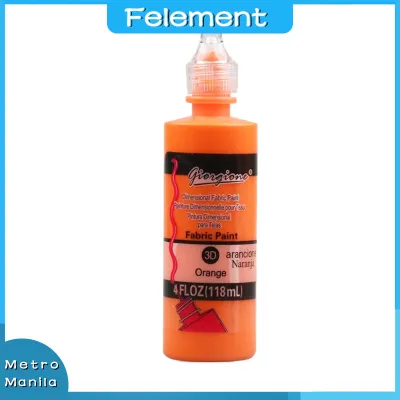
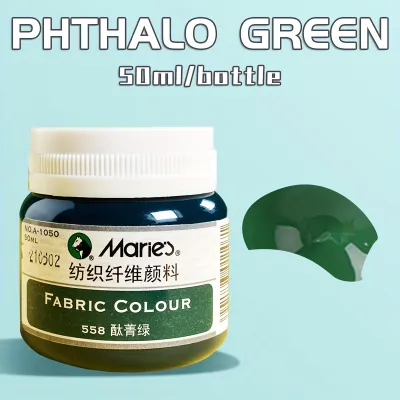
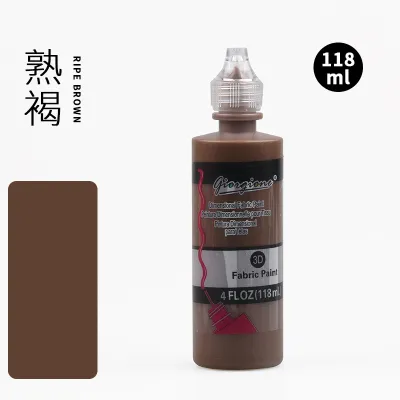
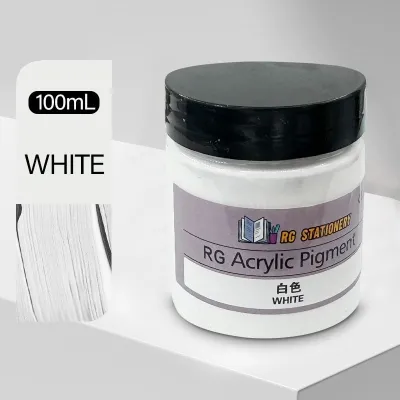
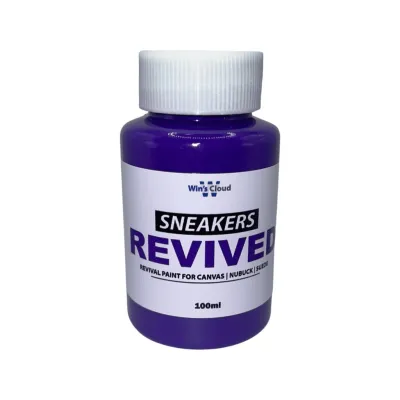
Prices are valid at publication and may change. Please refer to the product page for the latest price.
Keep in mind the fundamental trade-off between high opacity and fabric flexibility. Highly opaque paints contain more solids and binders, which can make thin fabrics feel stiff or rubbery, whereas sheer, fluid paints preserve a soft drape but will not show up clearly on dark backgrounds.
Best Paint Types for Cotton and Everyday Blends
For everyday cotton t-shirts, tote bags, and canvas sneakers, medium-viscosity acrylic-based fabric paints are the industry standard. These paints are thick enough to hold their shape during application but thin enough to absorb into porous cotton fibers without creating a heavy, plastic-like layer.

When working with cotton, verify the opacity levels of your chosen paint. Light-colored fabrics are highly forgiving and work beautifully with transparent or semi-opaque paints that leave a soft hand feel. If you are painting on dark cotton, you will need highly opaque paints or a solid white base layer, which requires careful layering to avoid a thick, heavy buildup that might crack over time.
Always check the paint label for binder flexibility. Cotton garments are subjected to frequent stretching, folding, and washing, especially in hot climates where clothes are laundered often. A high-quality fabric paint contains flexible acrylic polymers that stretch with the knit of the cotton, preventing the design from cracking or peeling after a few cycles in the washing machine.
High-Opacity and Flexible Paints for Denim
Denim is a heavy, tightly woven cotton twill that presents unique challenges for crafters. Because denim is heavily dyed—often with deep indigo—and features a pronounced texture, standard fabric paints can look dull or get lost in the dark weave.
To achieve vibrant designs on denim, prioritize high-opacity fabric paints or specialized denim paints. These formulas contain a higher concentration of pigments designed to sit on top of dark, heavy fibers rather than sinking in and disappearing.
Because denim garments like jackets and jeans experience significant creasing at the elbows, knees, and waist, the paint must possess exceptional flexibility. Look for paints labeled as highly flexible or elastomeric, which can withstand the constant friction, stretching, and folding of heavy daily wear without flaking off.
Proper fabric preparation is crucial before you apply a single brushstroke to denim. New denim often contains factory sizing—a starch-like chemical used to stiffen the fabric during manufacturing—which prevents paint from adhering. Always wash and dry your denim garment without fabric softener before painting to strip away these starches and ensure a strong bond.
Fluid Dyes and Paints for Silk and Delicates
Delicate fabrics like silk, chiffon, and fine linen require an entirely different approach. Heavy, opaque acrylic paints will ruin these materials, turning a flowing, elegant garment into a stiff, unwearable piece.
For these delicate fibers, choose fluid fabric dyes or specialized silk paints instead of standard acrylic-based mediums. These products have a water-like consistency that flows effortlessly into the fibers, coloring the fabric from within rather than coating the surface.
Verify that the selected medium does not alter the fabric’s natural drape or leave a rough, stiff residue. High-quality silk paints are formulated to preserve the luxurious sheen and soft hand feel of the silk, ensuring the fabric remains fluid and light.
Because fluid paints spread rapidly on smooth, non-porous fibers, you will need to use resist techniques to control your design. Applying a resist medium, such as gutta or water-soluble resist, creates physical barriers on the silk to contain the paint within specific outlines. Additionally, check if your chosen silk paint requires specific chemical fixatives or steam-setting to lock the colors permanently into the delicate fibers.
How to Test Paint Compatibility on Scrap Fabric
Never begin painting your final garment without conducting a thorough compatibility test. Even if a product label claims multi-surface or cross-fabric compatibility, different fiber blends and fabric treatments can yield unpredictable results.
Plan a test on a hidden area of the garment, such as an inside hem, or use a scrap piece of the exact same fabric. Apply a small patch of paint using your intended technique, let it dry completely, and observe how the paint behaves. Check for unwanted color bleeding, excessive stiffness, or changes in the fabric’s texture.
Define clear stop conditions during your test. If the paint bleeds uncontrollably past your outlines, peels off when gently scratched, or makes the fabric uncomfortably stiff, stop immediately. These signs indicate that the paint viscosity is incorrect for the weave, or the fabric still contains sizing that must be washed out.
Curing and Heat-Setting for Washable Results
To ensure your hand-painted designs survive the wash, proper curing and heat-setting are mandatory. Heat-setting fuses the paint binders directly to the textile fibers, making the design permanent and water-resistant.
Always follow the specific heat-setting temperature, method, and time limits printed on your paint label. Most fabric paints require dry heat from a household iron, applied to the reverse side of the painted fabric or through a protective pressing cloth to prevent scorching.
Adjust your application tools based on the paint’s viscosity and the fabric’s texture. Use stiff-bristled brushes to work thick paint into the deep grooves of denim, and soft, synthetic brushes or sponges to apply fluid paints smoothly onto cotton or silk.
In humid tropical environments, pay close attention to curing times. Allow the paint to air-dry completely—often for 24 to 48 hours—before applying any heat. Once heat-set, observe the manufacturer’s recommended waiting period, typically several days, before subjecting the garment to its first wash to prevent premature fading or peeling.
Frequently Asked Questions (FAQ)
Can I Use Regular Acrylic Paint on Fabric?
While you can apply regular craft acrylic paint to fabric, it is not recommended for wearable items. Standard acrylics lack the flexible fabric binders found in dedicated fabric paints, causing the paint to dry into a stiff, plastic-like layer. Over time, as the garment stretches and bends during wear, the dried acrylic will crack, peel, and eventually flake off in the wash. If you must use regular acrylic, you should mix it with a specialized fabric medium to add the necessary flexibility.
How Do I Prevent Paint from Bleeding on Thin Fabrics?
To prevent paint from bleeding on thin or highly absorbent fabrics, control the moisture level of your paint and tools. Avoid diluting your paint with excess water, and use a dry-brush technique by wiping excess paint onto a paper towel before touching the fabric. You can also apply a fabric primer or a clear resist medium to seal the fibers first. Always place a physical barrier, such as a piece of cardboard or wax paper, inside the garment to prevent the paint from bleeding through to the back layer.
Community discussion
Share your experience or ask a question. Comments are reviewed before publication.