
Selecting the right fabric paint for clothes depends entirely on matching the paint’s chemical formulation to the weight, weave, and stretch of your garment. A heavy-bodied paint that looks stunning on a rigid canvas tote bag will likely crack and peel if applied to a stretchy cotton-spandex t-shirt. Conversely, a sheer, lightweight fabric ink designed for white cotton will disappear entirely when brushed onto dark denim. To achieve a professional, wash-resistant finish that feels comfortable against your skin, you must evaluate how the paint interacts with different textile fibers and how it cures under local environmental conditions.
In tropical climates like the Philippines, high relative humidity can significantly influence how fabric paints dry and cure. Moisture in the air slows down the evaporation of water-based paint carriers, meaning your projects may require extended drying times before they are ready for heat-setting. By understanding the core characteristics of different paint formulations and checking product labels for specific compatibility, you can confidently customize everything from everyday streetwear to durable accessories without risking stiff designs or premature fading in the wash.
Understanding Fabric Paint Types and Formulations
Fabric paints are formulated differently from standard artistic mediums to ensure they remain flexible and adhere to moving fibers. The three most common categories you will encounter in art supply stores and online marketplaces are liquid acrylic-based fabric paints, fabric markers, and spray fabric paints. Each category serves a distinct design purpose and requires a specific application technique.
Products mentioned in this guide
![[30ml] Focus Textile Paint [ SOLD PER PIECE ]](https://img.lazcdn.com/g/p/77e13cc90eb7804a57bd9493878440dd.jpg_400x400q80.jpg_.webp)
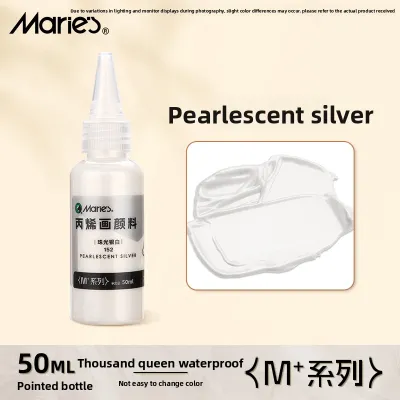
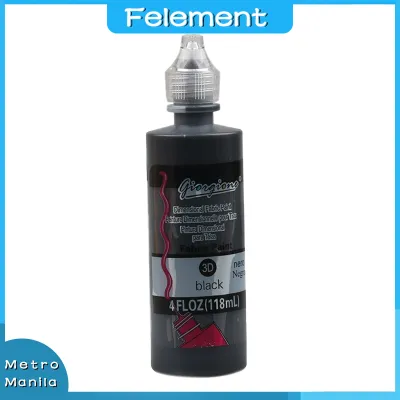
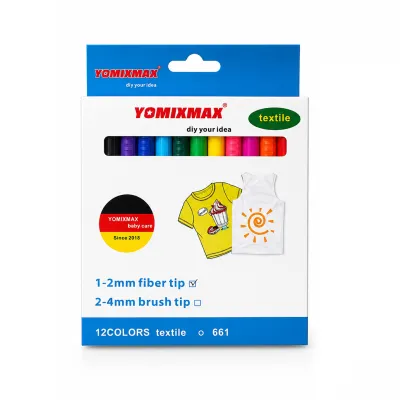
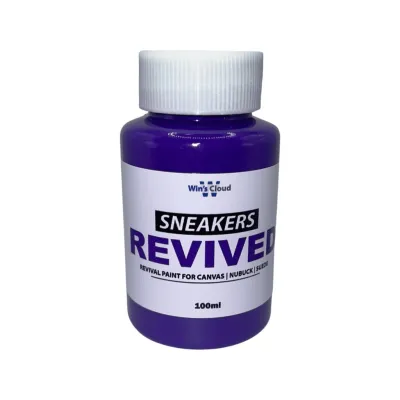
Prices are valid at publication and may change. Please refer to the product page for the latest price.
Liquid acrylic-based fabric paints are the most versatile option for detailed brushwork, stenciling, and block printing. These paints consist of pigment suspended in an acrylic polymer emulsion that has been modified with a textile medium to keep the dried film flexible. They are available in various viscosities, from thin, ink-like fluids to thick, heavy-body paints.
Fabric markers offer the highest level of control, making them excellent for fine lines, detailing, lettering, and sketching directly onto garments. They typically contain water-based or acid-free pigment inks that soak directly into the fibers rather than sitting on top of them. This results in an incredibly soft hand—meaning you can barely feel the design on the fabric—though they are generally best suited for light-colored, tightly woven fabrics.
Spray fabric paints are designed for broad coverage, stencil work, and tie-dye effects. They deliver a fine mist of color that covers large areas quickly without stiffening the fabric, provided they are applied in light, even coats. However, controlling overspray requires careful masking of the surrounding areas, and they are less suited for intricate, high-contrast designs.
Beyond the application method, you must consider the visual finish of the paint. Opaque fabric paints contain a high concentration of solid pigments or titanium white, allowing them to block out the underlying fabric color completely. This makes them essential for painting vibrant designs on dark fabrics like black cotton or indigo denim. Transparent or sheer fabric paints, on the other hand, allow the fabric’s natural color and texture to show through, making them ideal for blending and layering on white or pastel garments. Metallic, glitter, and dimensional (3D) paints contain specialized particles or puffing agents that create reflective or raised textures, though they often require gentler washing routines to preserve their unique visual properties.
Before purchasing any fabric paint, always check the manufacturer’s label for fiber compatibility. Most standard fabric paints are formulated to bind with natural fibers like cotton, linen, and silk, which have porous structures that easily absorb the paint binder. Synthetic fibers like polyester, nylon, and acrylic are highly non-porous and water-resistant, meaning standard fabric paints may slide off or peel after washing. If you are working with synthetic fabrics or synthetic-natural blends, look for specialized formulations explicitly labeled for synthetics, or prepare to mix your paint with a dedicated synthetic-compatible textile medium.
Matching Fabric Paint to Your Specific Clothing Project
Every clothing customization project presents a unique combination of fabric weight, weave density, and elasticity. These physical characteristics dictate how much the fabric will stretch during wear and how much friction it will experience during daily use and laundering. To ensure your design remains intact over time, you must match the paint’s flexibility and pigment density to the specific demands of the garment.

For instance, a highly elastic knit fabric requires a paint that can stretch and recover without tearing the paint film. A rigid, heavily textured woven fabric requires a paint with excellent adhesion and high pigment concentration to fill the gaps in the weave without requiring a thick, heavy layer. By analyzing your project’s material properties beforehand, you can select a paint formulation that preserves both the drape of the clothing and the clarity of your artwork.
T-Shirt and Lightweight Cotton Projects
T-shirts and lightweight cotton garments are prized for their softness, breathability, and comfortable drape. When customizing these items, your primary goal is to maintain a “soft hand”—meaning the painted area does not feel like a stiff, plastic patch against your skin. Heavy, thick paints can make lightweight cotton hang awkwardly and trap heat, which is particularly uncomfortable in warm, humid tropical weather.
To achieve a soft, wearable finish, prioritize liquid fabric paints or markers labeled specifically for soft or ultra-flexible finishes. If you are working on light-colored t-shirts, transparent fabric inks or markers are highly recommended because they dye the fibers directly rather than coating them. For dark-colored t-shirts, you will need opaque paints to ensure the colors pop; however, you can minimize stiffness by applying a thin, even base layer of white fabric paint first, followed by thin layers of your colored paints, rather than piling on multiple thick coats of color.
Denim and Heavy-Weave Customization
Denim jackets, jeans, and heavy cotton twill garments feature thick, tightly woven, and highly textured surfaces that present a different set of challenges. Because denim is heavily dyed—often with indigo—and subjected to rugged wear, it requires a paint formulation with exceptional pigment density and robust adhesion. Standard lightweight fabric paints can sink into the deep crevices of the denim weave, resulting in a dull, faded appearance.
To customize denim successfully, look for high-pigment acrylic fabric paints or heavy-body formulations designed to sit on top of thick fibers without cracking. Because denim is often treated with starches, sizing, or water-repellent finishes during manufacturing, it is crucial to wash the garment thoroughly before painting. If you are using standard acrylic paints, mixing them with a high-quality fabric medium is highly recommended to improve adhesion, enhance flexibility, and prevent the paint from bleeding uncontrollably into the coarse weave of the fabric.
Canvas Tote Bags and Accessories
Canvas tote bags, backpacks, and fabric shoes are high-friction accessories that must withstand constant handling, scraping, and exposure to the elements. Unlike t-shirts, these items are rigid and do not need to drape softly against the body, allowing you to use thicker, more durable paint formulations. However, unprimed canvas is highly absorbent, which can cause thin paints to spread unevenly and require excessive amounts of product to achieve solid coverage.
For these durable accessories, select heavy-body fabric paints or multi-surface acrylics mixed with a fabric medium. These formulations provide the necessary durability to resist abrasion and frequent washing. To prevent the canvas from drinking up all your paint, you can lightly mist the surface with water before painting, or apply a thin, clear layer of fabric medium as a primer to seal the pores of the weave before applying your colored pigments.
Key Selection Criteria and Label Checks
When shopping for fabric paint at local art stores or browsing online marketplaces, reading the product label carefully is your best defense against project failure. Do not rely solely on the front-of-package marketing claims; instead, turn the bottle over to verify the technical specifications and instructions.
First, verify the explicit fiber compatibility list. A high-quality label will state whether the paint is suitable for 100% cotton, cotton-poly blends, or pure synthetics. If your garment contains more than 20% synthetic fiber (such as polyester or spandex), ensure the paint specifically claims compatibility with blends, or look for instructions on adding a textile medium to adapt the paint for synthetic use.
Second, check for safety and non-toxic certifications, particularly if you are customizing children’s clothing, baby items, or garments that will have prolonged, direct contact with sensitive skin. Look for standard international safety seals, such as the “AP Non-Toxic” seal from the Art and Creative Materials Institute (ACMI) or compliance with EN71 standards. These certifications ensure the paint does not release harmful volatile organic compounds (VOCs) or contain heavy metals that could leach onto the skin when exposed to sweat and humidity.
Third, review the manufacturer’s stated curing and setting methods. Fabric paints generally fall into two categories: air-dry (which cure completely over several days without heat) and heat-set (which require the application of heat from an iron, heat gun, or clothes dryer to lock the pigment into the fibers). In humid environments like the Philippines, heat-set paints are often preferred because they do not rely solely on atmospheric evaporation to cure, ensuring a more reliable, wash-fast bond. Additionally, check the label for washing instructions; some specialty paints, such as those with glitter or dimensional finishes, may specify hand-washing only or require a minimum curing window (often 72 hours) before the first wash.
Application, Curing, and Care Requirements
Achieving a beautiful design is only half the battle; ensuring it survives the laundry cycle requires proper preparation, application, and post-care. Even the highest-quality fabric paint will peel or fade if the underlying fibers are not prepared correctly or if the curing process is rushed.
Before you touch a brush to your garment, you must pre-wash the fabric. New clothing is almost always treated with chemical sizing, starches, or fabric softeners during manufacturing to keep it looking crisp on store shelves. These additives create a barrier on the fibers that prevents fabric paint from adhering properly. Wash the garment in warm water using a standard detergent, but avoid adding fabric softeners or dryer sheets, which leave a silicone residue. Allow the garment to dry completely and iron out any wrinkles before you begin painting.
Once your design is complete, you must allow the paint to dry thoroughly before attempting to cure it. In tropical climates, this drying phase can take anywhere from 4 to 24 hours depending on the thickness of the paint and the ambient humidity. Do not rush this step with a hair dryer unless the paint manufacturer explicitly recommends it, as uneven drying can cause the top layer of paint to skin over while the bottom remains wet, leading to cracking later.
After the paint is completely dry to the touch, execute the required heat-setting process to lock the pigment into the fibers. If using a household iron, turn the garment inside out or place a clean pressing cloth (such as a scrap piece of cotton) over the design to protect your iron’s soleplate. Set the iron to the maximum temperature recommended for the fabric type—without steam—and press the design firmly, moving the iron constantly for 3 to 5 minutes. If the manufacturer’s label permits, you can also heat-set the design by placing the garment in a clothes dryer on high heat for 30 to 40 minutes.
To maximize the lifespan of your customized clothing, adopt a gentle laundering routine. Always turn the garment inside out before washing to protect the painted surface from friction against other clothes or the washing machine drum. Wash the item in cold water on a gentle cycle, or hand-wash it to minimize mechanical stress. Use mild, liquid laundry detergents and avoid harsh powder detergents, chlorine bleach, or fabric softeners, which can chemically degrade the acrylic binders over time. Hang the garment to air-dry in a shaded area rather than exposing it to direct, intense tropical sunlight, which can cause both the fabric and the painted design to fade prematurely.
Frequently Asked Questions (FAQ)
Can I use regular acrylic paint on clothes instead of fabric paint?
Yes, you can use regular acrylic paint on clothes, but it is highly recommended to mix it with a dedicated textile medium first. Regular acrylic paint dries into a rigid, plastic-like film that lacks the flexibility needed for wearable garments, which often leads to cracking, peeling, and a stiff, uncomfortable texture. Mixing a textile medium into your acrylic paint at the manufacturer’s recommended ratio (typically 1:1 or 1:2) thins the paint, improves its penetration into the fibers, and ensures the finished design remains flexible and machine-washable. While buying a dedicated textile medium to mix with existing acrylics can be a cost-effective option (often saving you several hundred ₱ compared to buying a full set of individual fabric paints), pre-mixed fabric paints offer the most consistent results. Always test your mixture on a scrap piece of similar fabric to verify its flexibility and wash-fastness before applying it to your final project.
How do I prevent fabric paint from bleeding through the material?
To prevent fabric paint from bleeding through to the back of your garment or spreading uncontrollably beyond your design lines, always place a physical barrier inside the clothing before you begin painting. A piece of thick cardboard wrapped in wax paper, a plastic cutting mat, or a dedicated shirt board works perfectly to isolate the front layer of fabric from the back. Additionally, avoid oversaturating the fabric with wet paint; instead, apply the paint in thin, controlled layers, allowing each layer to dry slightly before applying the next. If you are working with highly liquid paints or inks, you can outline your design with a clear fabric medium or a resist barrier to keep the colors contained.
What should I do if the painted design starts to crack after washing?
If your painted design begins to crack after washing, it is usually a sign of improper heat-setting, insufficient drying time before curing, or using a paint formulation that lacks the flexibility required for the fabric’s stretch. To salvage a slightly cracked design, you can try applying a very thin layer of fabric paint or textile medium over the cracked areas to fill the gaps, letting it dry completely, and then heat-setting it again thoroughly according to the label instructions. To prevent this issue on future projects, always ensure the paint is fully dry before applying heat, verify that you are using a flexible paint formulated for stretchy fabrics, and wash the customized garments inside out in cold water on a gentle cycle.
Community discussion
Share your experience or ask a question. Comments are reviewed before publication.