
Essential Features to Protect Documents During Your Daily Commute
When choosing a file organizer bag for documents, paper sizing compatibility is your first critical checkpoint. In local offices, you will primarily encounter three standard paper formats: A4 (210 mm by 297 mm), Letter (8.5 inches by 11 inches, or 215.9 mm by 279.4 mm), and Legal (8.5 inches by 14 inches, or 215.9 mm by 355.6 mm). While many imported organizer bags are designed strictly around the international A4 standard, Letter-sized documents are slightly wider, which can cause the edges to crumple if the bag’s interior width is too narrow. Legal-sized documents present an even greater challenge due to their length. Always verify the manufacturer’s exact interior dimensions rather than relying solely on generic descriptive labels like “multi-size compatible” to avoid damaging important papers.
The secure closure of your organizer bag is equally vital, especially when navigating crowded transit hubs or walking along busy streets. Zipper closures offer the highest level of security, keeping the bag completely sealed against dust, light rain, and accidental drops. Look for self-repairing nylon coil zippers with smooth pull tabs that do not catch on the fabric. Snap buttons provide quick access but leave open gaps along the sides, which can allow moisture or loose pens to slip inside. Velcro, or hook-and-loop fasteners, offer adjustable closure flexibility but can wear down over time, collect lint, and make a loud tearing noise that may not be suitable for quiet office environments.
Given the tropical climate and intense rainy seasons in the Philippines, material selection is a primary defense line. Do not assume that all synthetic fabrics like nylon or polyester are naturally waterproof. Instead, check the product specifications for explicit mentions of water-resistant coatings, such as a polyurethane (PU) backing or a durable water repellent (DWR) finish on the exterior fabric. These treatments cause water to bead up and roll off the surface rather than soaking through to your papers. Additionally, look for bags with reinforced corners and heavy-duty, double-stitched seams. These structural details prevent the sharp corners of plastic folders or heavy paper stacks from wearing holes through the bottom of your bag over months of daily use.
Products mentioned in this guide
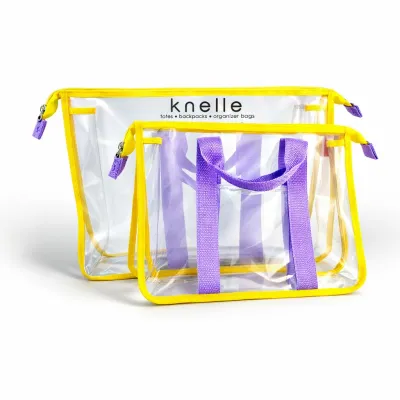
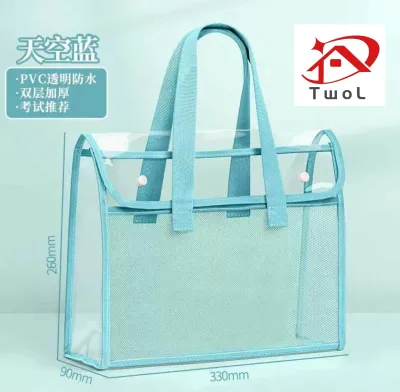
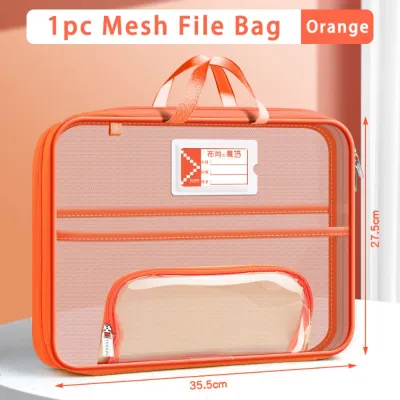
Prices are valid at publication and may change. Please refer to the product page for the latest price.
Top File Organizer Bag Styles for Different Workflows
Selecting the right style of file organizer bag for documents requires matching the bag’s physical structure to your daily document volume and organizational habits. Prices for these organizers generally span from budget-friendly options under ₱300 for simple zippered pouches to premium, structured briefcase-style carriers costing over ₱1,500 on local ecommerce platforms.

Expandable Accordion File Bags
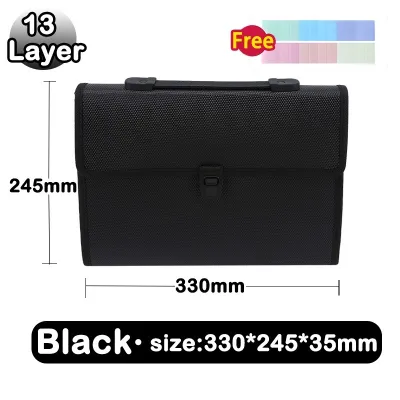
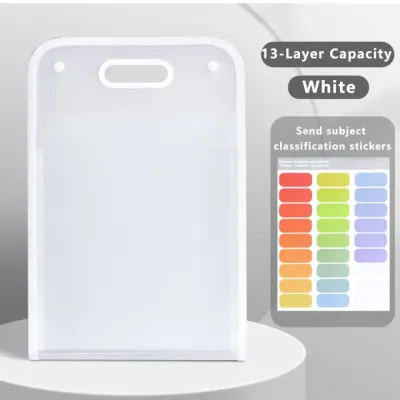
Expandable accordion file bags are designed for high-volume sorting and systematic archiving. These bags feature multiple interior pockets that expand outward, allowing you to categorize documents by project, client, department, or date using built-in tabbed dividers. They are highly efficient for professionals who need to carry a complete mobile filing system with them. However, when fully loaded with hundreds of sheets of paper, accordion files become exceptionally bulky and heavy. This weight can strain your shoulders during long walks. For this reason, accordion-style bags are best suited for professionals who drive to work, use ride-hailing services, or primarily keep their files organized at a single desk rather than carrying them through crowded public transit.
Zippered Document Pouches and Envelopes
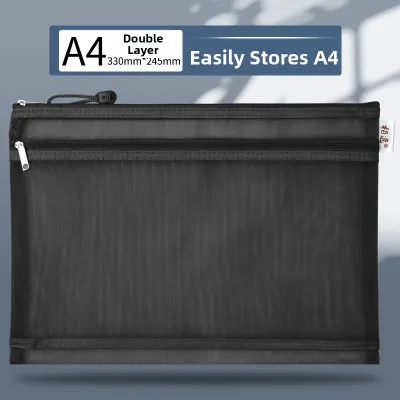
For minimalists who only need to transport a handful of papers, zippered document pouches and envelopes offer a lightweight and highly portable solution. These slim, single-compartment carriers are designed to hold a small stack of contracts, reports, or thin folders without adding unnecessary bulk. Their streamlined profile allows them to slide effortlessly into a larger everyday backpack, briefcase, or tote bag, acting as an extra layer of protection. When selecting a zippered pouch, focus closely on the seam construction and zipper quality. Because these pouches lack structured sides, overstuffing them can put immense pressure on the zipper teeth and side seams, leading to premature tearing.
Binder and Padfolio Carriers
Binder and padfolio carriers cater specifically to professionals who need to present documents, take physical notes, and carry essential writing instruments in a single, cohesive unit. These carriers typically feature built-in metal ring binders or slots to hold legal pads, alongside dedicated pockets for business cards, IDs, and tablets. When evaluating these carriers, check the binder ring capacity—usually ranging from 0.5 inches to 2 inches—to ensure it fits your standard paper refills. Additionally, verify the flexibility of the spine area; a rigid spine protects the contents but makes the carrier less adaptable to overstuffing, while a flexible spine allows for more cargo but offers less structural protection. Look for sturdy elastic loops that can securely hold pens of varying thicknesses without stretching out.
Multi-Compartment Briefcase-Style Organizers
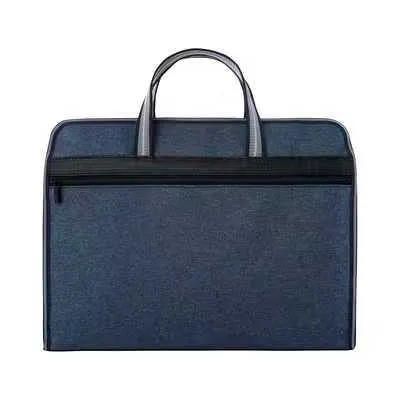
Multi-compartment briefcase-style organizers are the ultimate choice for hybrid workers who must carry a mix of physical documents and digital devices. These structured bags feature dedicated padded compartments for laptops or tablets, alongside rigid, separate sections designed to keep paper files flat and uncreased. The main benefit of this style is its comprehensive protection; the rigid outer shell and interior dividers prevent your documents from bending even when the bag is packed tight. However, this structure comes with a trade-off. Briefcase-style organizers are inherently heavier than soft pouches and can be cumbersome to carry on foot over long distances, making comfortable, padded shoulder straps a mandatory feature.
Aligning Your Bag Choice with Your Daily Commute
Your daily travel route in the Philippines should dictate the physical form and material limits of your document organizer. Commuters who rely on public transportation—such as jeepneys, buses, or the MRT and LRT rail lines—face distinct challenges. These environments are often crowded, requiring you to hold your bag tightly against your body or place it on your lap. For these scenarios, a compact, soft-sided zippered document pouch or a slim, water-resistant briefcase-style organizer is ideal. These options keep your files secure and dry without taking up excess space or bumping into fellow passengers. A bag with an adjustable crossbody strap or a top handle allows you to maintain a firm grip on your belongings while boarding and alighting.
Conversely, if you primarily commute by private car or ride-hailing services, you have the freedom to prioritize capacity and internal organization over compact portability. A large, multi-pocket expandable accordion file bag can sit securely on the passenger seat, keeping your entire client archive organized and accessible. You do not have to worry about the physical strain of carrying a heavy, fully loaded bag over long distances, allowing you to choose structured models with rigid plastic frames that offer maximum document protection.
For many professionals, a cross-scenario approach works best. You can combine different styles to adapt to changing daily requirements. For example, on days when you only need to transport a few signed contracts, you can place them inside a slim, zippered nylon pouch and slide it into your standard commuter backpack. On days requiring a heavy volume of files, you can deploy a dedicated briefcase-style organizer. Using rigid plastic folder inserts or lightweight clipboards inside a softer tote bag is another excellent way to maintain document structure without investing in a heavy, fully structured briefcase.
How to Pack and Maintain Your Document Organizer
Proper packing techniques and regular maintenance are essential to extend the lifespan of your file organizer bag and keep your documents in pristine condition. When packing, never place loose sheets of paper directly into a soft-sided bag. Without structural support, loose papers will slide around, leading to bent corners, dog-ears, and tears. Always place loose documents inside a rigid plastic folder, a manila folder, or onto a sturdy clipboard before sliding them into your organizer. Additionally, place heavier items, such as tablet devices or thick notebooks, toward the back or bottom of the bag to maintain a stable center of gravity and prevent the bag from collapsing or tipping over.
Maintaining your organizer bag in the humid Philippine climate requires active care to prevent mold, mildew, and musty odors. If your bag features a water-resistant synthetic exterior, wipe it down regularly with a soft, damp microfiber cloth to remove dust and sweat. If the bag gets caught in a sudden downpour, empty the contents immediately upon reaching your destination. Open all zippers and compartments, and allow the bag to air-dry completely in a well-ventilated indoor area away from direct sunlight, which can degrade water-resistant coatings over time. Always check the manufacturer’s care label before using any mild detergents or spot-cleaning solutions, and avoid submerging structured bags in water, as this can ruin the internal cardboard or plastic stiffeners that give the bag its shape.
Frequently Asked Questions (FAQ)
Can I fit both A4 and Letter-sized documents in the same organizer?
Yes, you can fit both sizes in the same organizer, but you must select a bag designed with a slightly larger footprint than standard A4. While A4 paper is taller (297 mm), Letter-sized paper is wider (215.9 mm). If an organizer bag is tailored exclusively to tight A4 dimensions, inserting a wider Letter-sized document can cause the edges of the paper to scrape against the zipper teeth or fold over. Always check the product’s interior width specifications to ensure it accommodates at least 220 mm of horizontal space for a stress-free fit.
How do I prevent my paper documents from getting damp during the rainy season?
To protect your papers from high humidity and heavy rain, place critical or irreplaceable documents inside individual plastic sheet protectors or resealable zip-lock bags before storing them in your organizer. This double-barrier system shields the paper even if water manages to seep through the bag’s main zipper. Additionally, avoid placing your organizer bag directly on wet floors during your commute, and verify that the bag’s exterior fabric features an active water-resistant coating rather than relying on standard nylon or polyester alone.
Community discussion
Share your experience or ask a question. Comments are reviewed before publication.