
Choosing the perfect fishtail ribbon—characterized by its classic, swallow-tailed split ends—requires balancing the ribbon’s material weight, width, and finish with the structural integrity of your gift box. The ideal choice depends on matching the physical drape of the fabric to your wrapping paper and ensuring the ribbon can withstand environmental factors like high humidity, which can cause limpness or dye transfer. By selecting the correct ribbon profile, you elevate a simple package into a highly tactile, memorable presentation.
To make the right selection, you must evaluate how different materials behave when tied, how their widths complement various box sizes, and how their finishes align with your overall wrapping aesthetic. Whether you are preparing an elegant gift for a formal event or wrapping multiple packages for a festive holiday, understanding these variables ensures your bows remain crisp, secure, and visually striking.
Understanding Fishtail Ribbon Materials and Finishes
The material of your fishtail ribbon dictates both its visual appeal and its physical performance. Satin, organza, and grosgrain are the three most common options, each offering distinct characteristics in terms of drape, sheen, and texture. Satin ribbon is highly prized for its luxurious, glossy surface and smooth, heavy drape. When using double-faced satin, both sides of the ribbon feature the same high-luster finish, which is essential for fishtail cuts where the underside of the ribbon tail may occasionally twist and show. However, satin is highly susceptible to snagging on rough skin or jewelry, and its smooth surface offers very little friction, making knots prone to slipping if not tied tightly.
Products mentioned in this guide
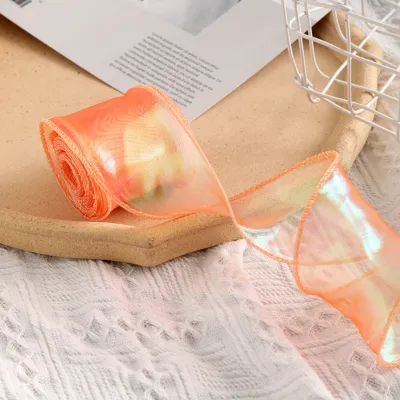
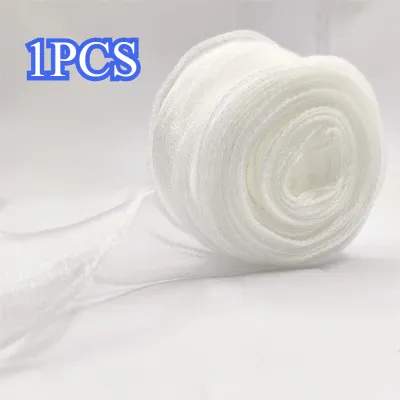
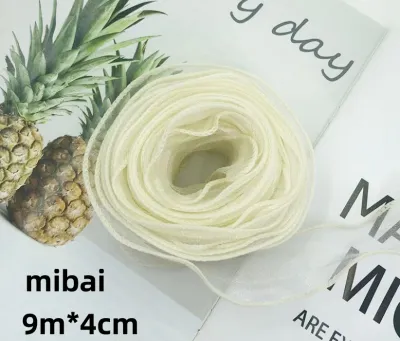
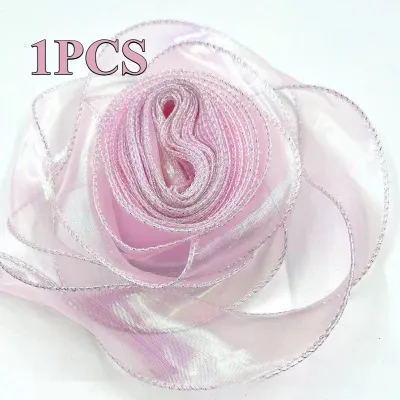
Prices are valid at publication and may change. Please refer to the product page for the latest price.
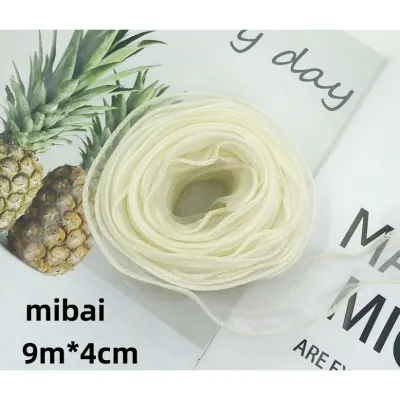
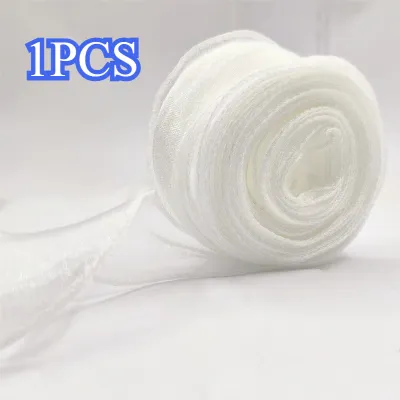
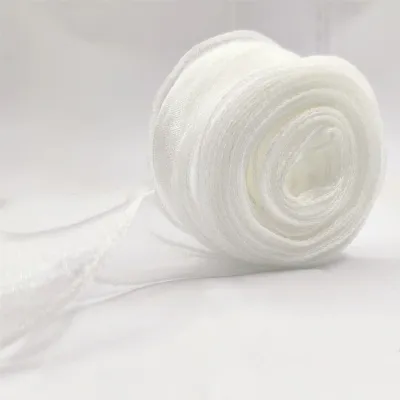
Organza ribbon provides a stark contrast with its sheer, lightweight, and semi-crisp texture. It catches light beautifully, creating an airy, delicate layer that works exceptionally well for layering over solid-colored wrapping papers. Because organza is so lightweight, it has very little natural drape and tends to hold a springy, voluminous shape. However, without structural reinforcement like a wired edge, large organza bows can easily collapse under their own weight or become distorted when handled.
Grosgrain ribbon is easily identified by its distinct ribbed texture and matte finish. This ribbed structure makes grosgrain incredibly durable and gives it excellent grip, meaning that once you tie a knot, it stays firmly in place without slipping. Grosgrain is highly resistant to crushing and creasing, making it the most practical choice for gifts that must travel or be stacked. The matte finish offers a modern, understated elegance that contrasts beautifully with glossy wrapping papers.
The finish of the ribbon—whether it is matte, glossy, metallic, or features wired edges—directly impacts its ability to hold a bow shape. Wired-edge ribbons contain thin, flexible wires embedded along the outer borders, allowing you to bend, shape, and fluff the loops of your bow with ease. This is particularly useful for larger bows that would otherwise sag. Metallic finishes add a festive, reflective quality but can sometimes make the ribbon stiffer and more difficult to tie into tight, neat knots.
Before purchasing your ribbon, performing a few simple, observable checks can save you from wrapping disasters. To check for fraying, inspect the cut edge of the spool; if the threads are already unraveling, the ribbon has a loose weave and will require extra sealing. In warm, humid climates, colorfastness is a major concern, as moisture can cause vibrant dyes to bleed onto light-colored wrapping paper. You can test this by rubbing a damp white cloth over a small section of the ribbon to see if any color transfers. Finally, test the ribbon’s stiffness by draping a short length over your hand; if it falls completely flat without any resistance, it will produce a soft, drooping bow rather than a structured, upright one.
Matching Ribbon Width to Your Gift Box Size
Selecting the correct ribbon width is crucial for maintaining visual balance and ensuring your gift looks professionally wrapped. As a general rule of thumb, the width of the ribbon should be proportional to the overall surface area of the gift box. Small packages, such as jewelry boxes or perfume cartons, pair best with narrow ribbons ranging from 6 mm to 12 mm in width. Using a wider ribbon on a small box will overwhelm the package, hiding the wrapping paper and making the bow look disproportionately large and clumsy.

Medium-sized standard gifts, such as books, clothing boxes, or shoe boxes, are highly versatile and look best with ribbon widths between 25 mm and 38 mm. This range provides enough surface area to showcase the texture and finish of the ribbon without dominating the entire package. It also allows you to tie a classic four-loop bow that sits comfortably on the top of the box without hanging over the edges.
For large, bulky packages like appliance boxes, large toy sets, or oversized gift baskets, wide ribbons of 50 mm or more are necessary. A wide ribbon provides the visual weight needed to anchor a large package, ensuring the wrapping looks cohesive and complete. Beyond aesthetics, wider ribbons offer essential structural support for heavy boxes. When wrapped tightly around a large box, a wide ribbon distributes the tension evenly across the cardboard edges, preventing the ribbon from cutting into the paper or causing the box to buckle.
Using a narrow ribbon on a large box presents several practical and visual trade-offs. Visually, a thin ribbon on a massive package looks lost and insignificant, failing to create the sense of anticipation that a beautifully wrapped gift should evoke. Practically, narrow ribbons lack the surface friction required to stay securely positioned on large boxes. They are highly prone to slipping off the corners during transport, losing tension, and failing to keep the wrapping paper tightly secured.
Selecting Fishtail Ribbon by Wrapping Aesthetic
The visual theme of your gift presentation sets the tone before the recipient even opens the package. Matching the ribbon’s texture, weight, and color profile to your wrapping paper creates a cohesive, intentional design. By aligning these elements, you can evoke specific emotions and suit different occasions, from formal celebrations to casual, everyday gatherings.
Elegant and Formal Gift Wrapping
For formal occasions such as weddings, milestone anniversaries, or premium corporate events, the wrapping should exude sophistication and luxury. High-sheen materials like double-faced satin or metallic-finish ribbons are the ideal choices for these settings. The smooth, reflective surface of satin catches the light elegantly, creating a sense of prestige and high quality that complements fine wrapping papers.
When wrapping for formal events, opt for wider ribbon widths, such as 38 mm or 50 mm, to create substantial, dramatic bows with long, cascading tails. The classic fishtail cut—a clean, inverted ‘V’ at the ends—looks exceptionally sharp on wide satin, showcasing the clean lines of the ribbon and adding a tailored, professional finish. These wide, luxurious bows serve as the focal point of the presentation, elevating even the simplest solid-colored wrapping paper.
However, these delicate, high-sheen finishes require careful handling to maintain their pristine appearance. Satin and metallic ribbons are highly susceptible to snagging on rough skin, hangnails, or jewelry, which can ruin the smooth surface of the fabric. Additionally, in warm or humid environments, sweat or moisture from your hands can leave permanent water spots on delicate silk-blend satins. To prevent this, always work on a clean, dry surface, wash and dry your hands thoroughly before handling the ribbon, and consider using a pair of lightweight cotton gloves if working with highly sensitive materials.
Rustic and Everyday Crafting
Casual gatherings, eco-friendly presentations, or handmade gifts call for a more relaxed, organic aesthetic. Textured, low-luster options like grosgrain, cotton-blend, or linen-style fishtail ribbons are perfect for achieving this look. These materials have a tactile, down-to-earth quality that feels personal, warm, and inviting.
Matte finishes and natural, earthy tones—such as olive green, terracotta, mustard yellow, or warm cream—pair beautifully with recycled kraft paper, corrugated cardboard, or simple twine accents. This combination evokes a rustic, artisanal feel that is highly popular for birthdays, housewarmings, and casual holidays. The contrast between the rough texture of the kraft paper and the structured ribbing of a grosgrain ribbon creates a visually interesting, multi-layered presentation.
In addition to their aesthetic appeal, these ribbons are incredibly durable and easy to work with. The ribbed texture of grosgrain provides natural friction, which helps hold knots securely in place without the need for adhesive reinforcement. This makes them highly practical for everyday crafting, as you can tie quick, neat bows that will not slip or unravel, even when handled frequently.
Festive and High-Volume Holiday Wrapping
During major seasonal holidays or large-scale events where you need to wrap dozens of gifts quickly, efficiency, durability, and vibrant visuals are your top priorities. Wired-edge organza or high-quality polyester-blend ribbons are the most effective choices for high-volume wrapping. These materials allow you to create eye-catching, festive presentations without spending excessive time on each individual package.
Wired-edge ribbons are particularly valuable for holiday wrapping because they allow you to shape large, voluminous bows in seconds. The thin wire along the edges holds the shape of the loops perfectly, and if the bows become flattened or crushed during transport or storage, they can be easily fluffed back to life with a quick tug. Polyester blends offer a cost-effective alternative to silk or nylon, providing vibrant colors and a festive sheen at a lower price point, which is ideal when purchasing large quantities.
When wrapping gifts that will be stacked under a tree or packed into delivery boxes, choose crush-resistant materials that can withstand pressure. Ensure the ribbons you select are colorfast to prevent vibrant red, green, or blue dyes from bleeding onto adjacent packages if they are exposed to humidity or temperature changes. When buying ribbon in bulk, always purchase full spools and check that the dye lot numbers match to ensure consistent color across all your wrapped gifts.
Practical Tips for Tying and Securing Fishtail Ribbons
Achieving a professional-looking gift wrap relies heavily on your execution when cutting, tying, and securing your fishtail ribbon. The defining feature of this style is the clean, swallow-tailed split at the ends of the ribbon, which must be cut precisely to prevent a messy, frayed appearance. To cut a perfect fishtail angle, start by folding the end of the ribbon in half lengthwise. Using a pair of extremely sharp fabric scissors, make a single diagonal cut starting from the folded edge and cutting upward toward the open outer edge at a 45-degree angle. When you unfold the ribbon, you will be left with a perfectly symmetrical, clean inverted ‘V’.
Using dull household scissors is one of the most common mistakes in ribbon crafting, as they chew through the fibers rather than cutting them cleanly, leading to immediate fraying. If you are working with delicate materials like satin or organza, dedicate a pair of scissors solely to fabric and ribbon to keep the blades razor-sharp.
Securing the ribbon to the gift box is essential for preventing it from sliding around, especially on slick, glossy wrapping papers. To keep the ribbon anchored firmly in place, apply a small piece of double-sided tape or a clear glue dot to the underside of the ribbon where it crosses at the bottom of the box. This keeps the ribbon centered and taut without leaving any visible residue or damaging the wrapping paper. Always test the adhesive on a scrap piece of wrapping paper first to ensure it can be removed or adjusted without tearing the paper’s surface.
If you encounter troubleshooting issues like slipping knots or crushed bows, there are several simple techniques to resolve them. For slippery materials like satin, tie a secure square knot as the base before forming your bow loops, or wrap a thin piece of florist wire around the center of the knot to lock it in place. If your bow loops have become flattened, gently insert your fingers into the loops and pull outward to restore their volume. For wired-edge ribbons, run your thumb and forefinger along the wire edges to smooth out any kinks or bends, restoring the bow to its original, pristine shape.
Frequently Asked Questions (FAQ)
Can I use fishtail ribbon for floral arrangements as well as gift wrapping?
Yes, you can use fishtail ribbon for floral arrangements, but you must select the material carefully to avoid damage. Standard satin or cotton ribbons absorb moisture quickly, which can cause them to sag, lose their shape, or bleed dye onto the flowers and wrapping paper when exposed to wet floral foam or condensation. For floral applications, look for polyester-based ribbons or those specifically labeled as water-resistant or waterproof. Organza is also an excellent choice for bouquets because it dries quickly and maintains its lightweight, airy structure even when damp.
How do I prevent the cut ends of my fishtail ribbon from fraying?
To prevent the cut ends of your fishtail ribbon from fraying, you can use a few simple sealing techniques depending on the ribbon’s material. For synthetic ribbons such as polyester satin, organza, or grosgrain, applying a small amount of clear fabric sealant or liquid fray-check solution to the cut edges will bind the fibers together. Alternatively, you can carefully pass the very edge of the cut ribbon near a heat source, such as a lighter or candle flame, for a fraction of a second; the heat will melt the synthetic fibers, sealing them permanently. Never hold the ribbon directly in the flame, as this can burn or discolor the fabric. For natural fibers like cotton or silk, always use liquid fabric sealants, as these materials do not melt and will catch fire if exposed to heat.
Community discussion
Share your experience or ask a question. Comments are reviewed before publication.