
Selecting the correct folder organizer for document storage requires balancing your actual paper volume with the physical limitations of your workspace. In the Philippines, where high relative humidity can quickly soften unprotected paper and cause sheets to curl, choosing the right storage system is not just about neatness—it is about preserving your important records. A mismatched organizer can lead to torn edges, damaged binding mechanisms, or folders that simply will not fit into your desk drawers.
To find the perfect match, you must first categorize your documents into clear volume tiers and measure your available storage zones. Whether you are handling a few active school worksheets, managing monthly utility bills, or archiving years of business tax records, there is a specific physical format designed to keep your papers secure, accessible, and flat.
Assess Your Document Volume and Available Space
Before browsing online marketplaces or visiting local office supply stores, you must evaluate the scale of your paperwork. Document volume is best assessed using descriptive categories rather than rigid sheet counts, as paper thickness varies depending on the paper weight (gsm).
Products mentioned in this guide
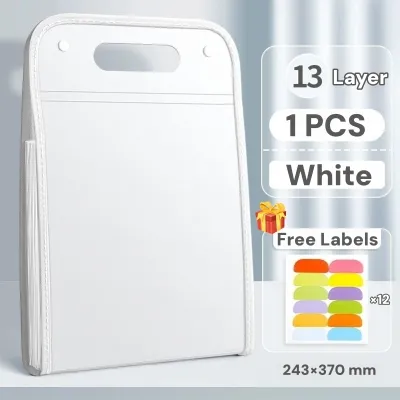

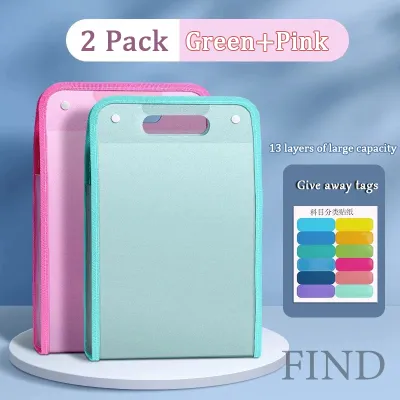
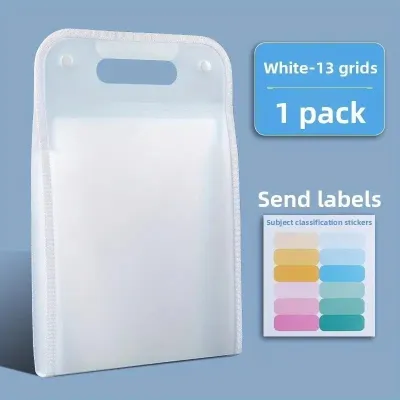
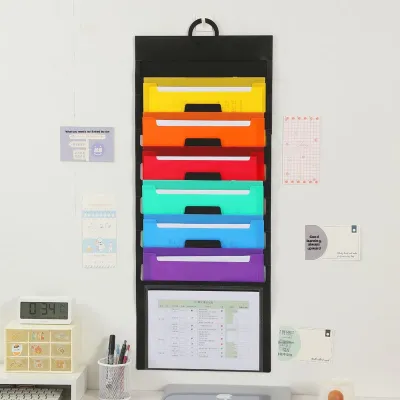
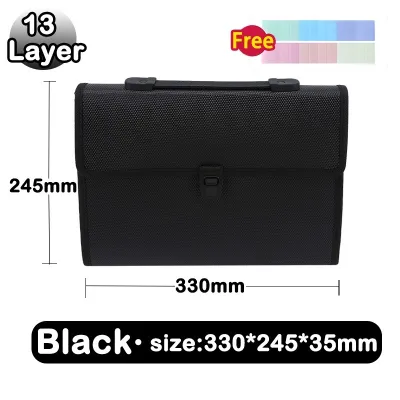
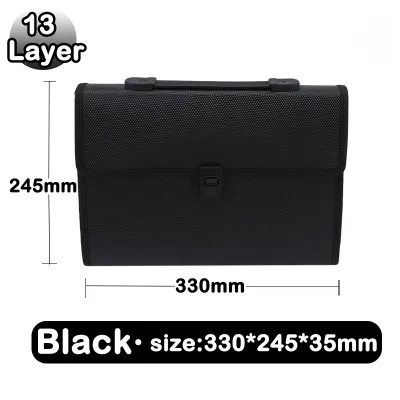
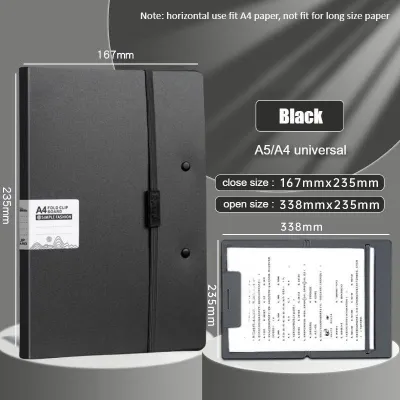
Prices are valid at publication and may change. Please refer to the product page for the latest price.
- Daily active papers represent the smallest tier, consisting of loose sheets, receipts, or ongoing project notes that you reference multiple times a day.
- Project archives constitute the medium tier, which includes moderate stacks of paper, monthly utility bills, or single-category records that must stay grouped together.
- Long-term bulk storage represents the heaviest tier, containing thick reference manuals, multi-year tax records, or highly structured corporate archives.
Equally important is identifying the physical storage zones where your organizer will live. A desktop surface offers immediate access but has limited real estate, making vertical footprint a primary concern. Inside drawers and filing cabinets provide dust-free, hidden storage but impose strict height and depth limits. Bookshelves accommodate taller binders but require structural stability so items do not tip over. Mobile bags, such as backpacks or messenger bags, demand lightweight, flexible, and highly secure organizers that can withstand daily transit.
Finally, always verify your standard paper sizes before committing to a folder style. In the Philippines, the three most common sizes are A4 (210 mm x 297 mm), Letter or “short bond paper” (8.5 inches x 11 inches), and Folio or “long bond paper” (8.5 inches x 13 inches). Note that standard US Legal paper (8.5 inches x 14 inches) is slightly longer than local long bond paper. If you try to store long bond paper or Legal sheets in an organizer designed strictly for A4 or Letter sizes, the edges of your documents will protrude, bend, and eventually tear.
Matching the Right Folder Organizer for Document Collections by Volume
Once you have a clear picture of your document volume, you can match your needs to the correct folder organizer style. Different mechanisms are engineered to handle specific paper weights and capacities without damaging the sheets or the organizer itself.

Light Volume (Daily Active Papers)
For minimal, everyday documents, your priority is rapid access and high portability. L-shaped folders, clear sleeve folders, and thin clip folders are the most efficient tools for this tier.
- L-shaped folders, typically made of flexible polypropylene, feature an open top and right side, allowing you to slide papers in and out instantly.
- Clear sleeve folders contain bound plastic pockets that let you slip pages back-to-back, which is ideal for viewing reference sheets or presentation materials without exposing them to dust.
- Thin clip folders or clipboards with built-in covers provide a rigid writing surface while keeping a small stack of papers clamped securely in place.
These designs keep the overall profile extremely thin, allowing you to slide them easily into tight spaces or carry them in a bag. They offer basic protection against dust, finger oil, and minor liquid spills, which is highly beneficial in humid environments where loose sheets easily absorb moisture from the air.
Medium Volume (Project Files and Monthly Records)
When your paperwork grows into moderate stacks that must be kept together securely, you need organizers that provide structural support without adding excessive, unnecessary bulk. Expandable accordion folders, standard ring binders, and lever arch files are excellent solutions for this volume.
- Expandable accordion folders feature multiple internal pockets with index tabs, allowing you to partition documents by month, client, or subject within a single, self-contained unit.
- Standard ring binders use two, three, or four metal rings to hold pre-punched papers, making it easy to rearrange sheets or add plastic pocket dividers.
- Lever arch files utilize a heavy-duty locking mechanism operated by a metal lever, allowing you to clamp larger stacks of paper tightly.
When selecting these options, always check the spine width, ring diameter, or pocket depth. A 1-inch ring binder comfortably holds a moderate stack, but attempting to force too many pages into a narrow ring will cause the paper holes to tear. Ensure the binding mechanism operates smoothly and that the internal width allows the pages to turn freely without catching on the rings.
Heavy Volume (Thick Archives and Bulk Categories)
For massive archives, thick instruction manuals, or extensive multi-category filing, you require heavy-duty storage solutions that can bear significant weight. Multi-tier desktop file boxes, heavy-duty magazine files, and large-capacity storage boxes with internal dividers are designed for this level of storage.
- Multi-tier desktop file boxes organize documents horizontally or diagonally, allowing you to separate massive stacks into manageable, labeled sections.
- Heavy-duty magazine files stand vertically on shelves, keeping thick booklets, catalogs, or heavy folders upright and organized.
- Large-capacity storage boxes, often reinforced with plastic or heavy-duty corrugated cardboard, allow you to store dozens of individual folders in a single, transportable container.
When dealing with heavy paper loads, structural rigidity is paramount. Look for organizers with reinforced corners, double-walled bases, and a substantial base weight. Flimsy organizers will bow, warp, or tip over under the weight of hundreds of sheets of paper, potentially damaging your documents and creating a safety hazard on high shelves.
Adapting to Your Physical Storage Environment
The physical space where your organizer will reside dictates its shape, orientation, and material. Choosing a folder that matches your storage environment ensures easy retrieval and prevents damage to your furniture and documents.
Desktop and Open Shelving
On open surfaces, your primary challenges are vertical space management, stability, and visual clutter. Upright magazine files, tiered desk trays, and step-file organizers are ideal for these environments.
- Upright magazine files utilize vertical space efficiently, keeping your desk clear while keeping documents within arm's reach.
- Tiered desk trays stack papers horizontally, making them perfect for sorting incoming and outgoing mail or active projects.
- Step-file organizers arrange folders diagonally, allowing you to see the labels of multiple folders at a single glance.
When placing organizers on open shelves or desks, verify that they feature a stable, non-slip base. This prevents the organizer from sliding when you pull a heavy file out. Additionally, ensure the height of the organizer does not block computer monitors, restrict your physical movement, or create a cramped, distracting visual environment.
Drawer and Cabinet Filing
Enclosed storage spaces protect documents from dust and light but require precise measurements to avoid purchasing unusable organizers. Flat file folders, suspension folders (hanging files), and low-profile expandable envelopes are designed specifically for drawers and cabinets.
- Flat file folders lie horizontally or stand vertically in shallow drawers, keeping documents organized without taking up vertical space.
- Suspension folders hang from metal rails inside deep drawers, allowing you to slide folders back and forth smoothly and read labels from above.
- Low-profile expandable envelopes keep grouped documents compressed so they do not expand and jam the drawer mechanism.
Before purchasing any drawer organizer, measure the internal clearance of your drawer—specifically the height, width, and depth. Many drawers have built-in metal rails for hanging folders; verify the distance between these rails to ensure compatibility. If your drawer lacks rails, you will need to purchase a freestanding hanging file frame that fits inside the drawer dimensions.
Mobile and On-the-Go Storage
If you regularly transport documents between your home, office, or school, your organizer must prioritize security and weather resistance. Zippered document bags, portfolio cases with handles, and rigid document boxes are built for transit.
- Zippered document bags seal completely, preventing loose sheets or small items like receipts from slipping out during travel.
- Portfolio cases feature sturdy handles and rigid outer shells, offering excellent protection against physical impact and bending.
- Rigid document boxes provide a hard, protective casing that keeps documents pristine even when packed inside a crowded suitcase or car trunk.
For mobile storage, pay close attention to the closure mechanisms and materials. Zippered closures, heavy-duty snap buttons, and thick elastic bands ensure the organizer remains closed under pressure. In tropical climates prone to sudden downpours, choose water-resistant materials such as heavy-duty polypropylene or treated nylon to shield your documents from moisture and accidental spills.
Common Sizing and Capacity Mistakes to Avoid
To avoid wasting money and damaging your records, be aware of the common pitfalls consumers face when selecting folder organizers.
First, ignoring paper size compatibility is a frequent error. Many buyers purchase standard A4 organizers without realizing their documents are printed on long bond paper (Folio size). This mismatch leaves the top edges of the documents exposed, making them highly vulnerable to tearing, folding, and dust accumulation. Always check the exact dimensions of both your paper and the internal compartment of the organizer.
Second, overestimating the capacity of expandable accordion folders can quickly ruin the organizer. While these folders are designed to expand, stuffing too many sheets into a single pocket puts immense stress on the side gussets. Over time, the plastic or paper seams will split, and the outer flap or elastic band will fail to close, leaving your documents unsecured and prone to falling out.
Third, many people forget to account for the external hardware and thickness of the organizer itself. A 2-inch ring binder has an external spine width that is wider than the rings inside. If you only measure the paper stack and fail to account for the extra space required by the binder’s spine, rings, or external latches, you may find that the organizer does not fit inside your shallow drawers or narrow bookshelves.
Finally, choosing flimsy, unreinforced materials for heavy loads is a recipe for premature wear. Cheap, thin plastic or unlaminated paperboard folders may seem cost-effective initially, but they quickly warp, bow, or collapse when filled with heavy paper. Broken plastic clips, torn spines, and bent rings not only render the organizer useless but can also crease or rip the very documents you are trying to protect.
Frequently Asked Questions (FAQ)
How do I prevent papers from slipping out of an L-shaped folder?
To keep documents secure inside an L-shaped folder, look for designs that feature a corner lock slit. This small slit allows you to tuck the top corner of the folder cover over the papers, holding them in place. Alternatively, choose L-shaped folders equipped with a snap button, a corner elastic band, or a zippered closure along the open edges to ensure complete security during transport.
Can I use a standard round-ring binder for heavy, frequently referenced documents?
Using a standard round-ring binder for heavy or frequently accessed documents is not recommended. Round rings cause pages to ride up on the curve, which often leads to torn punch holes and misaligned sheets when the binder is laid flat or overfilled. For heavier volumes, choose D-ring binders or lever arch files. D-rings keep the paper stack flat against the straight side of the ring, distributing weight evenly and allowing for smoother, tear-free page turning.
Community discussion
Share your experience or ask a question. Comments are reviewed before publication.