
Choosing the right fountain pen gift set for a teacher requires balancing professional utility, writing comfort, and ease of maintenance. An educator’s daily routine involves a mix of rapid grading, detailed lesson planning, and administrative signatures, often performed on standard school paper that is prone to ink feathering. By selecting a pen with a reliable, fine-tipped nib, a comfortable grip, and a straightforward filling system, you can present a highly functional tool that elevates their daily writing experience. A thoughtful gift set should also feature elegant, durable packaging and practical accessories like a converter or starter cartridges to ensure they can begin writing immediately.
Assess the Teacher's Daily Writing Tasks and Paper Types
To select the most appropriate pen, you must first examine how the teacher will use it throughout the school day. A teacher’s writing tasks generally fall into two distinct categories: rapid, intermittent tasks like grading quizzes and signing forms, and sustained, continuous writing sessions like lesson planning and drafting curriculum outlines.
Rapid tasks require a pen that can write instantly without skipping, even after sitting uncapped for a minute or two. Conversely, longer planning sessions require ergonomic comfort and a reliable ink capacity to prevent hand fatigue and frequent refills.
Products mentioned in this guide
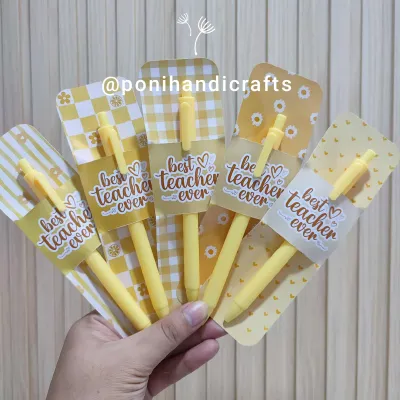
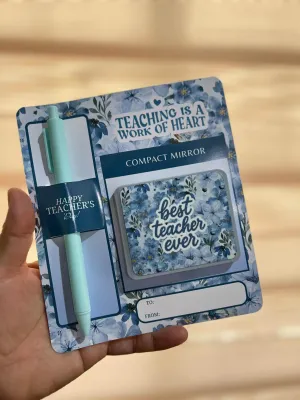
Prices are valid at publication and may change. Please refer to the product page for the latest price.
The quality of the paper used in the school environment is another decisive factor. Most educational institutions rely on standard, low-grade copy paper or inexpensive newsprint for worksheets and exams, which is highly absorbent and lacks the specialized sizing of premium stationery.
When wet fountain pen ink hits this fibrous surface, it tends to spread out (feathering) or bleed through to the other side. In tropical climates where high humidity naturally softens paper fibers, this issue is often magnified, making a controlled ink flow essential.
Finally, consider where the pen will spend most of its time. If the teacher moves between classrooms, a pen with a sturdy, spring-loaded metal clip is highly advantageous to prevent it from slipping out of a pocket or bag, whereas a desk-bound pen might benefit from a roll-stop mechanism to prevent it from rolling off flat surfaces.
Match the Nib Size to Handwriting and School Paper
The nib is the heart of the fountain pen, and its width determines both the line thickness and the volume of ink deposited onto the page. For everyday school paperwork, Fine (F) and Extra Fine (EF) nibs are generally the most versatile and practical choices.

These narrower nibs lay down a thin, controlled line of ink that dries quickly, making them ideal for writing small, legible comments in the tight margins of student essays. They also perform significantly better on low-grade school paper, as the limited ink flow reduces the likelihood of feathering and bleed-through.
Medium (M) nibs offer a smoother writing experience because they have a larger contact point with the paper, but they deposit more ink. A Medium nib is excellent for teachers who write with larger, more cursive handwriting or those who primarily use the pen for signing certificates and official documents.
However, broader nibs (B) or flexible nibs, which vary in line width based on writing pressure, are generally impractical for rapid grading. These specialty nibs require premium, fountain-pen-friendly paper and a slower, more deliberate writing speed to prevent smudging, which rarely aligns with the fast-paced demands of a busy classroom.
When shopping for a gift set, it is crucial to understand that nib sizing standards are not universal. Japanese manufacturers typically produce nibs that are one full size finer than their European counterparts, meaning a Japanese Medium nib often writes a line similar in width to a European Fine nib.
This difference stems from the intricate characters used in Japanese writing, which require finer lines to remain legible. When selecting a pen, always consult the specific manufacturer’s sizing guidelines and user reviews rather than assuming an “Extra Fine” or “Fine” will perform identically across all brands.
Balance Weight, Material, and Ergonomics for Long Sessions
Grading dozens of exam papers or drafting lesson plans can take hours, making the physical design and ergonomics of the pen a primary consideration. The body material of the pen largely dictates its weight and durability.
Acrylic and resin pens are lightweight, highly durable, and come in a wide array of vibrant colors and classic patterns. These materials are excellent for long writing sessions because they do not fatigue the hand, making them highly practical for daily classroom use.
Metal pens, often made of brass, aluminum, or stainless steel, offer a reassuring heft and a premium, professional feel. However, they can become tiring to hold during extended grading sessions if they are too heavy or poorly balanced.
The grip section, where the fingers rest, is the most critical ergonomic component. Look for a grip section with a comfortable diameter—typically between 9mm and 11mm—and a texture that prevents the fingers from slipping, especially in warm, humid environments.
A triangular grip can be particularly helpful for beginners as it naturally guides the fingers into the correct writing posture, though some experienced writers prefer a traditional round grip for greater flexibility.
Another factor to evaluate is how the pen balances when the cap is “posted”—meaning pushed onto the back of the pen barrel while writing. Some caps are heavy and shift the pen’s center of gravity backward when posted, causing back-weighting that strains the wrist.
Checking the physical dimensions and weight distribution of the pen helps ensure it will feel natural in the recipient’s hand, whether they prefer to write with the cap posted or unposted.
Align the Filling System with Maintenance Preferences
Fountain pens utilize several different methods to draw and store ink, and the right choice depends on how much time the teacher is willing to dedicate to pen maintenance. The most user-friendly option for beginners is a cartridge/converter system.
This system allows the writer to use convenient, disposable plastic ink cartridges for quick, mess-free refills on the go. Most cartridge pens also accept a removable converter, which allows them to draw ink from a bottle, offering access to hundreds of unique ink colors at a lower long-term cost.
In contrast, built-in filling systems like piston fillers or vacuum fillers draw ink directly into the pen’s barrel. These systems are highly prized by fountain pen enthusiasts because they hold a significantly larger volume of ink than standard cartridges or converters.
A teacher using a piston filler can write for days or even weeks without needing a refill, which is incredibly convenient during busy exam periods. However, these integrated systems are more complex to clean, requiring the user to flush the mechanism multiple times with water.
Regardless of the filling system, all fountain pens require occasional maintenance to keep them writing smoothly. A frequently used pen should be flushed with clean, room-temperature water every few weeks, or whenever changing ink colors, to prevent dried ink from clogging the feed.
If the teacher is a busy professional who prefers a low-maintenance tool, a cartridge-compatible pen is the safest choice. If they enjoy the ritual of pen care and appreciate high ink capacity, a piston filler makes an exceptional, sophisticated gift.
Select Packaging and Personalization for a Professional Gift
A fountain pen is more than just a writing instrument; it is a symbol of respect and appreciation. A complete and practical gift set should include everything the teacher needs to start writing immediately, such as a compatible converter, starter ink cartridges, and a bottle of high-quality ink.
Including a protective single-pen leather pouch or a fabric sleeve is also a wonderful touch, as it allows the teacher to transport their new pen safely in a bag without scratching the finish.
The presentation box itself should reflect the professional nature of the occasion. Gift sets housed in elegant wooden boxes, stitched leatherette cases, or heavy, textured rigid cardboard boxes create a memorable unboxing experience.
These boxes not only look impressive during a presentation ceremony, such as on Teacher’s Day or at a retirement party, but they also serve as a safe storage space on the teacher’s desk. Avoid flimsy plastic packaging, which can cheapen the appearance of an otherwise high-quality writing instrument.
Personalization adds a deeply meaningful layer to the gift. Many specialty retailers offer engraving services, allowing you to engrave the teacher’s name, initials, or subject area onto the pen’s cap or barrel.
Keep the engraving subtle and professional, adhering to the retailer’s character limits and choosing classic, legible fonts. Be sure to check whether the pen’s material is suitable for engraving, as some resin or lacquered finishes require specific engraving techniques.
Verify Retailer Policies and Set Completeness Before Buying
Before finalizing your purchase, take a moment to verify the logistics and policies of the retailer. One of the most important policies to check is the return or exchange window, specifically regarding the nib.
Even with careful planning, the recipient might find that the nib size you selected does not suit their handwriting style or the specific paper they use at school. Many reputable stationery retailers offer a nib exchange program, allowing the user to swap an unused nib for a different size within a certain timeframe.
Additionally, ensure that the gift set is fully complete and includes all official documentation. A genuine, high-quality fountain pen should come with a manufacturer’s warranty card, a user manual detailing filling and cleaning instructions, and, for premium brands, a certificate of authenticity.
These documents not only reassure the recipient of the pen’s quality but also provide them with clear instructions on how to care for their new writing tool, which is especially helpful if they are new to the hobby.
Finally, inspect the packaging thoroughly upon delivery. If you are ordering online, ensure the retailer packages the gift box securely to prevent dented corners or torn sleeves during transit. Presenting a pristine, beautifully wrapped gift set shows a high level of care and respect, making the gesture truly special for the educator.
Frequently Asked Questions (FAQ)
Can a beginner use a fountain pen for grading papers?
Yes, beginners can easily use a fountain pen for grading, though there is a brief adjustment period. Unlike ballpoint pens, fountain pens require virtually no downward pressure to write; the weight of the pen itself is enough to draw ink onto the page.
Beginners should focus on maintaining a consistent writing angle—usually around 45 degrees—and avoiding excessive pressure, which can misalign the nib tines. To minimize smudging during fast-paced grading, it is highly recommended to start with a Fine or Extra Fine nib paired with a quick-drying ink.
What is the most appropriate ink color for a teacher to use?
The most appropriate ink color depends on the specific task at hand. For official administrative work, signing report cards, or communicating with parents, classic dark colors like deep blue or black are standard and professional.
For grading and student feedback, vibrant, high-visibility colors are preferred because they stand out clearly against pencil or black ink. While traditional red is a classic choice, many modern educators prefer softer yet highly visible alternatives like green, purple, or turquoise, which provide clear corrections while maintaining an encouraging and constructive tone.
Community discussion
Share your experience or ask a question. Comments are reviewed before publication.