
Finding the perfect fountain pen is more than just selecting an attractive barrel or a prestigious brand; the true magic of the writing experience lies in the nib. Choosing the right fountain pen nib size depends primarily on your physical handwriting size, your writing speed, and the paper you use daily. Finer nibs like Extra Fine (EF) and Fine (F) excel at small, precise writing on standard paper, while broader options like Medium (M) and Broad (B) elevate larger, expressive handwriting and showcase the rich colors and shading of your ink. By matching your unique grip and writing environment to the correct nib width, you can avoid common frustrations like scratchiness, ink bleeding, and slow drying times.
Decoding Standard Nib Sizes: What EF, F, M, and B Mean for Your Writing
Fountain pen nibs are classified using a standard lettering scale that ranges from ultra-precise to bold and expressive. The most common sizes you will encounter are Extra Fine (EF), Fine (F), Medium (M), and Broad (B). However, because there is no universal industry standard for physical line widths, these designations represent a relative spectrum rather than exact millimeter measurements. A Fine nib from one manufacturer might produce a line that looks identical to a Medium nib from another, making it essential to understand how each size behaves before making your choice.
The physical size of the nib tip directly dictates the volume of ink delivered to the page. Finer nibs have narrower ink channels and smaller tipping material, which restricts the flow to lay down a thinner, drier line of ink. This makes them highly efficient and quick to dry. On the other hand, broader nibs feature wider ink channels and larger tipping spheres, allowing a generous volume of ink to flow onto the page. This creates a wetter, highly saturated stroke that brings out the true character, color variation, and sheen of specialty fountain pen inks.
Products mentioned in this guide
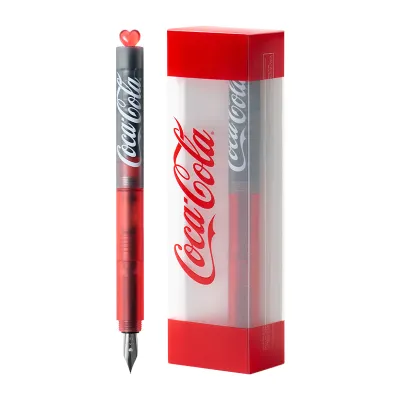
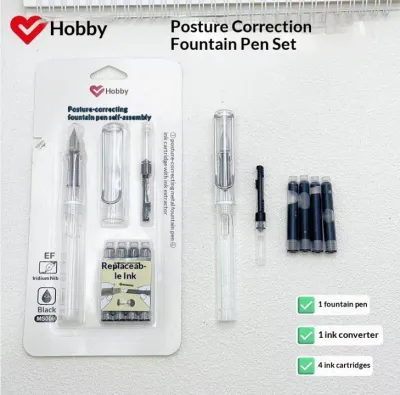
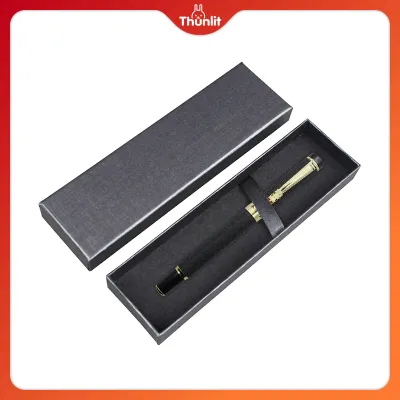
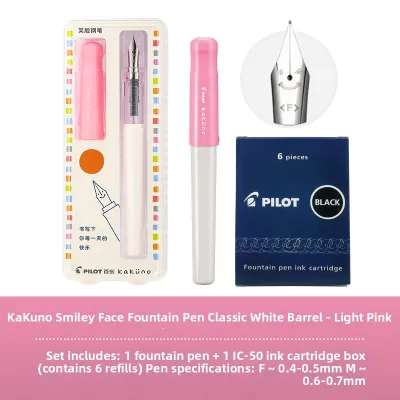
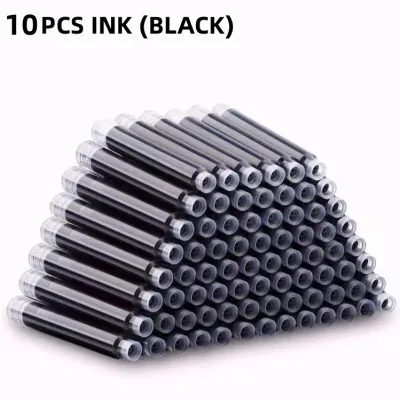
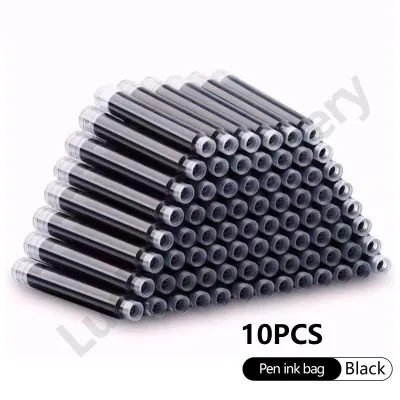
Prices are valid at publication and may change. Please refer to the product page for the latest price.
While you may eventually encounter specialty grinds—such as stub, italic, or architect nibs that create distinct line variations—beginners should focus on standard round nibs. Round nibs are ground to a smooth, spherical shape, allowing them to write consistently at almost any angle. This makes them the most forgiving and practical starting point for establishing your personal writing preferences.
How to Match Nib Size to Your Handwriting Style and Grip
Letter Size and Spacing
Your natural handwriting size is the most critical factor when selecting a nib. If you write with small, compact letters or frequently use narrow 5mm grid planners, an Extra Fine (EF) or Fine (F) nib is indispensable. These narrow tips keep the loops of letters like “e,” “a,” and “o” open and legible, preventing the ink from pooling and turning your words into illegible blots.

If you have large, sweeping handwriting or use your pens primarily for expansive journaling and letter writing, a Medium (M) or Broad (B) nib will feel much more natural. These broader sizes fill up the page beautifully and prevent your writing from looking faint or spindly. Furthermore, the wider ink tracks laid down by Medium and Broad nibs allow you to appreciate the subtle shading and sheen of premium fountain pen inks.
Writing Speed and Pen Pressure
Your physical writing pace and the amount of force you apply to the page also dictate the ideal nib size. Fast writers who take rapid meeting notes or lecture shorthand generally benefit from finer, drier nibs. Because these nibs lay down less ink, the line dries almost instantly, drastically reducing the risk of smearing as your hand glides across the page.
Pen pressure is another vital consideration. Many writers transitioning from ballpoint pens tend to press down heavily on the paper. Fountain pens, however, are designed to write under their own weight using capillary action. If you have a heavy hand, pressing down on a delicate Extra Fine or Fine nib can bend the metal tines out of alignment, causing the pen to feel incredibly scratchy or stop writing altogether. For those with a heavier grip, a sturdier Medium nib is much more forgiving and can withstand slight downward pressure without compromising the ink flow.
Pen Holding Angle
The angle at which you hold your pen relative to the paper changes how the polished tipping material contacts the page. If you hold your pen at a steep, upright angle—almost perpendicular to the table—a very fine nib can feel like a needle. This scratchy sensation occurs because you are writing on the outer edge of the tipping material rather than its smooth center.
A shallower, relaxed grip of around 45 degrees allows the nib’s “sweet spot” to make optimal contact with the paper. This position is particularly important when using finer nib sizes, as it ensures the metal glides smoothly even across textured paper. If you prefer an upright writing style, opting for a slightly broader or more rounded Fine or Medium nib will provide a much smoother, more consistent writing experience.
Preventing Scratchiness and Bleeding: The Role of Paper and Ink
A fountain pen does not write in isolation; its performance is entirely dependent on the paper and ink you pair with it. Finer nibs (EF and F) have a smaller surface area in contact with the page, which means they can easily catch on the loose fibers of rough, low-quality, or highly textured paper. If your daily tasks require you to write on standard copy paper or cheap school notebooks, it is wise to test your pens on a small, unobtrusive corner of the page first to check for scratchiness.
Broader nibs (M and B) present a different set of challenges because they deposit a high volume of ink. On standard, absorbent paper, this excess ink quickly spreads sideways through the paper fibers—a frustrating phenomenon known as feathering. It can also bleed straight through to the back of the page, rendering the reverse side unusable.
In humid tropical climates like the Philippines, ambient moisture in the air causes paper fibers to absorb water, making them act like blotting paper. This high humidity also slows down ink evaporation. Consequently, a wet, broad nib can take an exceptionally long time to dry on the page, posing a high smudge risk for left-handed writers or fast note-takers. To mitigate these issues, pair broader nibs with quick-drying inks, or invest in fountain-pen-friendly, coated papers that are specifically designed to resist bleeding and feathering.
Quick Guide: Which Nib Size Fits Your Daily Tasks?
Selecting the perfect nib size does not need to be complicated. To simplify your decision, use this practical checklist to map your daily writing tasks to the ideal nib width:
- Daily note-taking and planners: A Fine (F) nib offers the ultimate balance of line legibility, moderate ink flow, and fast drying times on standard office paper.
- Margin notes and small grids: An Extra Fine (EF) nib provides the precision needed for ultra-small handwriting, pocket diaries, and detailed mathematical formulas.
- Journaling, letters, and signatures: A Medium (M) nib delivers a smooth, gliding feel across the page and allows multi-toned inks to show off their unique characteristics.
- Bold headings and artistic flourishes: A Broad (B) nib makes a strong statement, laying down rich, highly saturated lines that are perfect for titles, calligraphy, or ink swatching.
For your first purchase, do not get distracted by exotic tipping alloys, gold content, or complex custom grinds. Focus entirely on finding a standard round steel nib in a size that matches your handwriting scale and works well with your everyday paper. Many excellent starter pens are available for under ₱1,000, allowing you to test different sizes without a heavy financial commitment.
Frequently Asked Questions (FAQ)
Are Japanese fountain pen nibs finer than Western nibs?
Yes, Japanese fountain pen nibs are generally finer than Western nibs of the same letter designation. Japanese brands (such as Pilot, Sailor, and Platinum) design their nibs to accommodate the intricate, multi-stroke characters of kanji and kana, which require extreme precision. As a result, a Japanese Fine (F) nib typically produces a line width similar to a Western Extra Fine (EF) from European or American brands like Lamy or Kaweco. When purchasing imported pens, it is always best to check brand-specific writing samples to ensure you get the line width you expect.
Can I change the nib size on my current fountain pen?
Whether you can swap the nib on your fountain pen depends entirely on the specific make and model of the pen. Some pens are designed with friction-fit nibs or threaded nib units that can be easily pulled out and replaced with a different size. Other pens feature integrated feeds where the nib is permanently glued or stamped in place, meaning any attempt to remove it will cause permanent damage. Before attempting a nib swap, always consult the manufacturer’s care instructions or speak with a specialty stationery retailer, as cross-brand compatibility is extremely rare.

Community discussion
Share your experience or ask a question. Comments are reviewed before publication.