
Hands-on crafting plays a vital role in developing fine motor skills, spatial awareness, and creative thinking in school art classes. Among the most popular and versatile materials used today are chenille stems, commonly known as fuzzy wires. When preparing for these creative sessions, choosing a comprehensive fuzzy wire complete set box ensures that students have all the necessary materials at their fingertips without requiring multiple separate purchases.
To truly support classroom learning, a high-quality set must offer more than just a random assortment of colorful stems. It needs to combine structural integrity, safe materials, a balanced color palette, and practical accessories within a durable, reusable container. Understanding what components to look for will help parents and educators select a set that minimizes waste, prevents classroom messes, and maximizes creative possibilities.
Essential Components of a Quality Fuzzy Wire Set
A truly complete crafting kit must begin with a strong foundation of high-quality fuzzy wires. The usefulness of a set is directly tied to the variety, dimensions, and physical build of the wires included. When evaluating a potential purchase, pay close attention to how these core components are distributed and manufactured.
Products mentioned in this guide
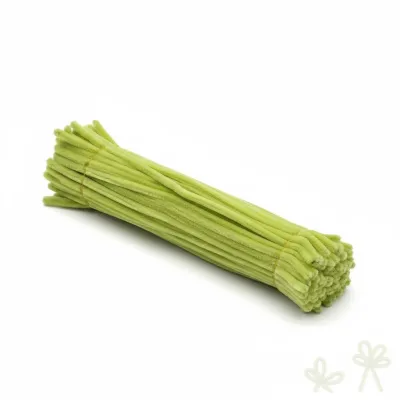
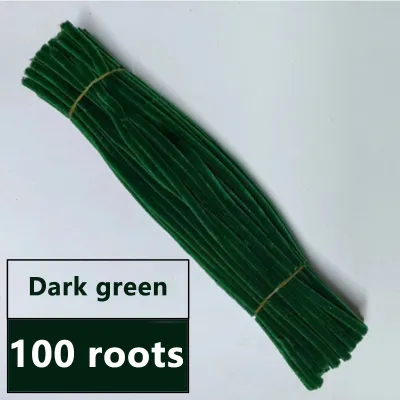
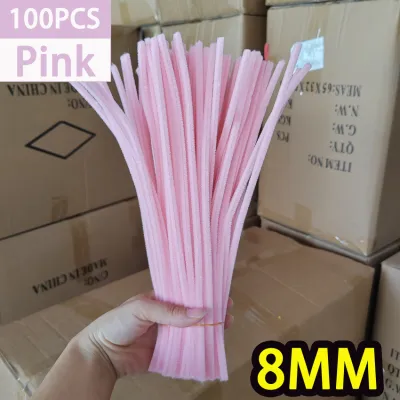
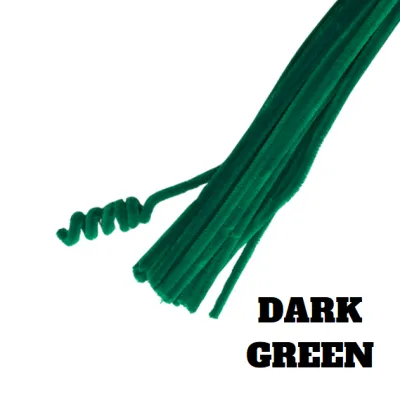
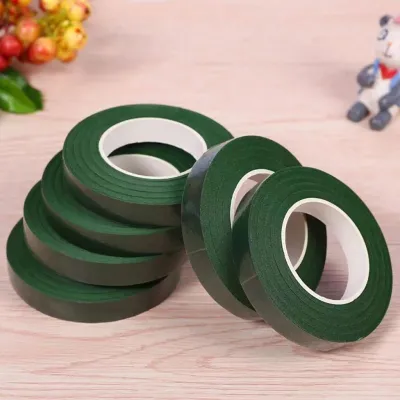
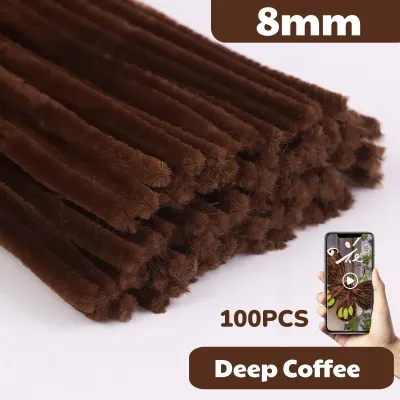
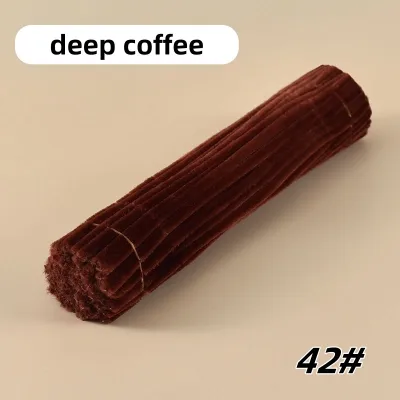
Prices are valid at publication and may change. Please refer to the product page for the latest price.
Color Variety and Distribution
Color choice is the primary driver of student imagination. A high-quality set should feature a broad spectrum of colors, including primary shades (red, blue, yellow), secondary shades (green, orange, purple), vibrant neons, and metallic glitters.
However, variety alone is not enough; the distribution of these colors must be balanced. Low-quality sets often contain a high percentage of neutral colors like black, white, or brown, with only a few pieces of bright colors. This uneven distribution leads to frustration in a classroom setting, where multiple students might need the same popular colors for their projects. Ensure the packaging or product specifications detail a relatively equal distribution across all included shades.
Standard vs. Specialty Lengths
The standard length for fuzzy wires is approximately 12 inches (around 30 centimeters). This length is widely considered the sweet spot for school art projects, as it provides enough material for wrapping, twisting, and building without becoming unwieldy for smaller hands.
A complete set should primarily consist of these standard-length wires, but the inclusion of specialty lengths adds significant value. Extra-long wires (15 to 18 inches) are highly useful for larger structural armatures or collaborative group projects. Conversely, pre-cut shorter pieces save preparation time for younger students who may struggle to cut the wires themselves, allowing them to focus entirely on assembly and design.
Thickness and Structural Integrity
Fuzzy wires are categorized by their diameter, which typically ranges from standard thin wires (around 6 millimeters) to extra-thick, high-pile varieties (up to 15 millimeters or more). Standard thin wires are excellent for delicate twisting, writing out spelling words, or creating flat, two-dimensional shapes.
For three-dimensional sculptures, thicker high-pile wires are necessary to provide the required structural support. When choosing a set, assess the density of the outer fuzz. High-density pile not only makes the finished artwork look more vibrant and complete, but it also increases the friction between wires when they are twisted together. This friction is what allows a bent wire to hold its shape. Sparse, low-density fuzz exposes the inner metal core, making the wire slippery, difficult to secure, and visually unappealing.
Safety and Material Checks for Classroom Use
Classroom art supplies must meet strict safety and durability standards. Because fuzzy wires are handled extensively, bent, and sometimes cut by students, verifying their material composition and construction is essential for preventing minor injuries and classroom clean-up headaches.

Wire Core and End Safety
The structural core of a fuzzy wire is made of thin, flexible iron wire. When these stems are manufactured and cut to length, the ends are left as raw, exposed metal points. These sharp tips can easily scratch sensitive skin, poke fingers, or cause eye injuries during active classroom crafting.
To mitigate this risk, look for sets that feature safety-finished ends. High-quality manufacturers often fold the sharp metal tips back into the pile, cap them with a tiny protective droplet, or ensure the fuzz is dense enough at the tips to fully enclose the metal. If you purchase a set with raw ends, instruct students to use a small pair of pliers to fold the sharp tips backward, or apply a small dab of craft glue over the exposed metal before they begin working.
Shedding and Color Transfer
Most fuzzy wires are made by spinning synthetic fibers, such as polyester or nylon, around the central wire core. Low-quality wires suffer from poor fiber retention, leading to excessive shedding. This shedding creates a persistent mess on classroom desks, carpets, and student clothing, and the loose microfibers can be easily inhaled or get into students’ eyes.
Another common issue with budget-grade art supplies is color bleeding. In warm, humid environments, such as typical tropical classrooms, the sweat from a student’s hands can react with cheap, water-soluble dyes. This causes the color to transfer from the wire fibers onto the student’s hands, school uniforms, or adjacent paper elements of their artwork. Look for product descriptions that explicitly guarantee colorfastness and low-shedding fibers to keep the classroom clean and protect students’ clothing.
Non-Toxic and Age-Appropriate Labels
Always verify that the fuzzy wire set carries clear safety certifications, such as the EN71 standard or ASTM D-4236 certification, indicating that the materials are non-toxic and safe for children. While the wires themselves are generally low-risk, a complete set box often contains small decorative accessories.
Items like loose plastic beads, small pom-poms, and tiny googly eyes present a serious choking hazard for younger children. Ensure the packaging clearly states the recommended age group. For early elementary classrooms, sets should either exclude these tiny parts or be used under strict, continuous adult supervision.
Accessories That Justify a "Complete" Set Box
A basic bundle of chenille stems is useful, but a true “complete set box” should function as a self-contained crafting station. The inclusion of well-chosen accessories and a functional storage solution is what justifies the higher price point of a complete box over bulk wire packs.
Cutting and Shaping Tools
Cutting through the metal core of a fuzzy wire requires a surprisingly durable blade. Standard plastic-handled school scissors often struggle to cut through the wire, leading to dull, damaged blades and frustrated students who cannot complete their designs.
A quality set box should include child-safe craft snips or small, blunt-nosed wire cutters designed specifically for soft metal. These tools allow students to make clean cuts through both the thick fiber pile and the metal core without damaging the tool or leaving jagged, dangerous wire edges behind.
Adhesives and Connectors
While twisting is the primary method of joining fuzzy wires, complex three-dimensional projects often require additional reinforcement. Standard white school glue has a high water content and dries very slowly, especially in high-humidity climates, which can cause the wire core to rust before the glue fully sets.
To solve this, a complete set box should include alternative adhesive options. Look for sets that provide double-sided adhesive foam dots, low-temperature glue sticks (for classrooms equipped with glue guns), or specialized quick-drying craft glue. Some advanced sets also include pre-made plastic connectors—such as small joints, T-junctions, or clips—that allow students to snap wires together securely without relying solely on glue or complex twists.
Decorative Add-ons
To expand the creative scope of school projects, a complete set should feature a curated selection of complementary decorative items. These add-ons allow students to transform simple bent wires into expressive characters, animals, and mixed-media sculptures.
- Googly Eyes: Self-adhesive backings are highly preferred, as they eliminate the need for messy liquid glue. A variety of sizes helps students scale their characters appropriately.
- Wooden or Plastic Beads: Beads with large center holes are excellent for sliding onto the fuzzy wires, allowing students to create jointed limbs, colorful patterns, or structural weight.
- Pom-Poms: Multi-sized, color-coordinated pom-poms are perfect for creating heads, bodies, or decorative accents on wire sculptures.
Storage and Organization Solutions
The “box” portion of a complete set is just as important as the contents inside. Fuzzy wires have a natural tendency to hook into one another. If stored loosely in a flimsy plastic bag, they will quickly tangle into a massive, inseparable knot, shedding fibers and bending out of shape every time a student tries to pull one out.
A premium set box features a sturdy, compartmentalized plastic container. These compartments keep different colors, lengths, and accessories separated. A clear lid allows teachers to perform rapid visual inventory checks at the end of a class session, ensuring all tools are returned and the classroom remains organized for the next activity.
Selecting a Fuzzy Wire Complete Set Box for Different Grade Levels
Not all art classes have the same requirements. A kindergarten class focusing on basic motor skills needs a very different set configuration than a middle school class working on complex three-dimensional modeling. Matching the set’s specifications to the students’ developmental stage ensures a successful, frustration-free crafting experience.
Comparing Configurations
To help you choose the right scale and complexity, the table below compares the three primary configurations of fuzzy wire sets available on the market:
| Configuration Type | Total Wire Count | Wire Thickness | Included Accessories | Ideal For |
|---|---|---|---|---|
| Basic Starter | 100 – 200 pieces | Standard / Thin | None or basic storage bag | Early elementary, simple 2D shapes, occasional use |
| Standard Classroom | 300 – 500 pieces | Mixed (Standard & Thick) | Scissors, googly eyes, divided box | Mid-elementary, character crafts, regular art classes |
| Heavy-Duty Sculpting | 200 – 300 pieces | Extra Thick / High Pile | Craft snips, connectors, sturdy bin | Upper elementary/middle school, 3D structural projects |
Quantity vs. Quality Trade-offs
When purchasing supplies, it is tempting to simply buy the set with the highest piece count for the lowest price. However, this bulk-first approach often results in a collection of thin, easily bent wires that shed excessively and fail to hold their shape during construction.
For large group activities, collaborative school murals, or occasional free-play sessions, prioritizing a high quantity of standard wires is highly practical. However, for individual, graded art projects where structural strength and visual appeal are evaluated, investing in a smaller, premium set with thicker, high-pile wires and robust accessories is the better choice. Premium wires hold up to repeated bending and adjusting, reducing student frustration when they make mistakes.
Project-Specific Recommendations
Matching the wire type to the specific curriculum project prevents material waste and ensures better final results:
- Spelling and Letter Formation: Standard thin wires are highly flexible and easy to bend into sharp angles, making them perfect for younger students practicing letter shapes or spelling words on their desks.
- Holiday Ornaments and Cultural Crafts: Metallic, glitter-infused wires are ideal for festive projects, such as crafting traditional star lanterns or holiday decorations. Ensure the set includes a generous portion of these specialty metallic stems if your curriculum includes holiday-themed lessons.
- Animal and Character Sculptures: These projects require a mix of thick high-pile wires for the body and limbs, combined with self-adhesive googly eyes and pom-poms. A standard classroom set with a divided organizer box is highly recommended for these multi-material crafts.
Pre-Purchase Checklist for Art Supply Boxes
Before finalizing your purchase of a fuzzy wire set, take a moment to verify the product’s actual specifications. Online listings and packaging designs can sometimes be misleading, resulting in unexpected disappointments when the box arrives in the classroom.
Verifying the "Piece Count"
One of the most common marketing tactics is to advertise a massive piece count—such as a “500-Piece Craft Kit”—when only a small fraction of that total consists of actual fuzzy wires. Manufacturers often count every single tiny plastic bead, googly eye, and pom-pom as an individual piece to inflate the number.
Always read the detailed product description to find the exact count of the fuzzy wires themselves. A set advertised as 500 pieces might only contain 100 fuzzy wires and 400 microscopic plastic beads. Ensure the wire count alone is sufficient to meet the needs of your class size and project scope.
Assessing Packaging Durability
Classroom storage areas are often prone to humidity, dust, and frequent handling. Flimsy cardboard boxes or thin plastic bags with cheap ziplock closures will quickly tear, degrade, or fail to seal properly. This leads to spilled accessories, bent wires, and lost components.
Prioritize sets that come in rigid, heavy-duty plastic storage bins with secure latching lids. If a plastic bin is not available within your budget, look for thick, zippered canvas or PVC organizer bags. These durable options protect the wires from bending during storage and keep moisture out, preventing the inner iron cores from rusting over time.
Reviewing User Feedback on Tangling and Shedding
When shopping online, customer reviews are an invaluable resource for identifying potential quality issues that are not visible in product photos. Scan the reviews specifically for the following warning signs:
- "Tangled" or "Matted": Indicates that the wires arrived compressed together or lacked proper compartmentalization, making them difficult to separate without damage.
- "Sheds constantly" or "Messy": Suggests poor fiber-to-wire adhesion, which will result in a messy classroom and bald spots on the finished crafts.
- "Sharp ends" or "Scratched fingers": Warns you that the wire cores are not safely finished, requiring extra precaution or manual adjustment before allowing children to handle them.
- "Color bleeding" or "Stained hands": Points to low-quality dyes that will run when exposed to moisture or sweat, risking damage to school uniforms and desks.
Final Decision Matrix
Ultimately, a great craft set should save you time and provide a safe, engaging experience for students. If a set lacks safely finished wire ends, sheds fibers excessively, or comes in a flimsy container that will tear immediately, it is not worth the classroom budget—regardless of how low the price is or how high the claimed piece count might be. By focusing on fiber density, safety certifications, and a highly organized, durable storage box, you will ensure your students have the reliable tools they need to bring their creative visions to life.
Community discussion
Share your experience or ask a question. Comments are reviewed before publication.