
Fuzzy wire flower bouquet sets—often referred to locally as chenille stem craft kits—have become incredibly popular for school art projects across the Philippines. These versatile materials allow students to transform simple, bendable wires into vibrant, long-lasting floral arrangements, teaching them valuable lessons in three-dimensional design, color coordination, and fine motor control. However, finding the most suitable set for a student requires looking beyond basic aesthetics to evaluate material durability, safety, and completeness.
When selecting a kit for school assignments, the most practical choice depends heavily on the student’s grade level and the specific requirements of the art curriculum. Elementary school projects demand thicker, safer wires with dense coatings that protect small fingers from sharp metal ends, while high school assignments require highly malleable, thin-gauge wires capable of forming intricate, realistic petals and leaves. Additionally, the high humidity in tropical climates can affect how adhesives and floral tapes perform, making it essential to choose kits with high-quality components that will not unravel or lose their grip before grading day.
By focusing on the structural integrity of the wire, the density of the fuzzy coating, and the inclusion of essential assembly tools, parents and educators can ensure students have everything they need to complete their projects successfully. A well-chosen kit not only minimizes frustration during the crafting process but also ensures that the finished bouquet remains intact during transport to school and display in the classroom.
Products mentioned in this guide

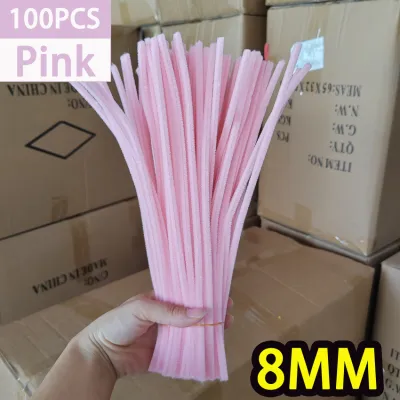
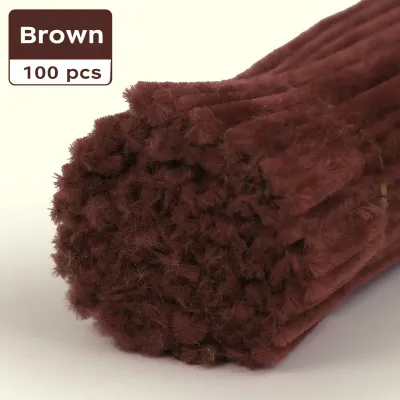
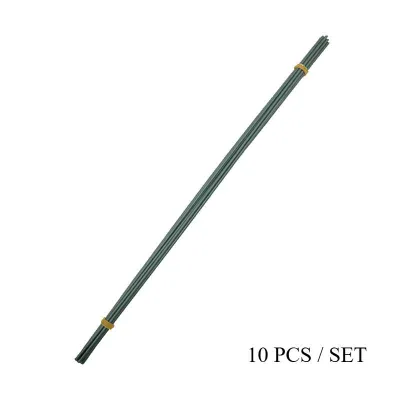
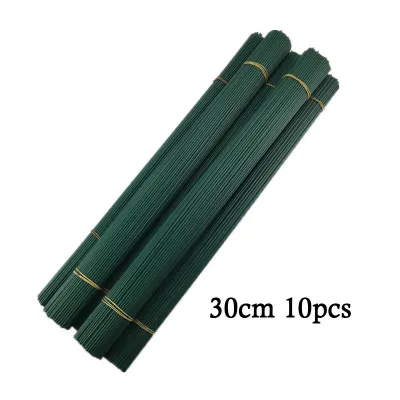
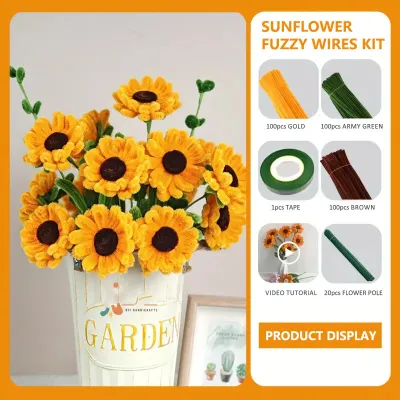
Prices are valid at publication and may change. Please refer to the product page for the latest price.
Key Features to Evaluate in a Fuzzy Wire Craft Kit
When browsing through craft supplies, it is easy to be overwhelmed by the sheer variety of colorful options available. To select a kit that will perform well under classroom conditions, you must first examine the physical characteristics of the fuzzy wires themselves. The core of each stem is a thin metal wire, which must be flexible enough to bend repeatedly without snapping, yet stiff enough to support the weight of completed flower heads. If the inner wire is too thin or brittle, the stems will sag, causing the finished bouquet to droop.
Equally important is the density and security of the fuzzy coating, which is typically made of polyester or nylon fibers. High-quality chenille stems feature a dense, tightly woven pile that completely covers the metal core, providing a plush texture and vibrant color. Lower-quality alternatives often suffer from excessive shedding, leaving bald spots on the wire and a mess of loose fibers on the student’s desk. You can test the quality of a kit by gently pulling on the fibers of a sample stem; if they slide off easily, the material will likely struggle to hold up during complex shaping.
Color variety and consistency within the pack are also critical for creating visually appealing floral arrangements. A good bouquet set should offer a balanced palette, including realistic flower tones like deep reds, soft pinks, and bright yellows, alongside essential foliage colors like forest green and light green. Some specialized kits also include gradient or multi-colored stems, which can add depth and realism to petals. Ensure that the colors provided match the specific flower types required by the school assignment, as some projects may demand uniform colors while others encourage creative experimentation.
Finally, a truly comprehensive bouquet set must include the necessary structural components that go beyond the fuzzy wires themselves. Look for kits that supply sturdy floral stems—often made of thicker, paper-wrapped wire—to act as the main support for the bouquet. The inclusion of green binding tapes, pre-cut fabric leaves, and wrapping paper or mesh is a major advantage, as purchasing these items separately can quickly drive up the total cost of the project.
Matching the Kit to Grade Level and Project Complexity
Selecting the right craft kit is not a one-size-fits-all decision; the most appropriate set must align with the student’s developmental stage and the complexity of their art curriculum. Younger children and older teenagers have vastly different motor skills, attention spans, and safety needs, which should dictate the specifications of the materials you buy. Matching the kit to the student’s grade level ensures a frustration-free crafting experience that encourages creativity rather than causing stress.

For younger students, simplicity and safety are the primary concerns, meaning kits should feature user-friendly, pre-sorted materials that require minimal preparation. In contrast, high school students are often tasked with creating highly detailed, realistic botanical models that demand a wider variety of wire gauges and advanced assembly techniques. The volume of materials required also scales with project complexity, as a simple single-stem flower project requires far fewer resources than a multi-layered, fully wrapped bouquet designed for a high school exhibition.
Elementary School Art Assignments
In elementary school art classes, the primary goal of craft projects is to develop fine motor skills, spatial awareness, and color recognition in a safe environment. For these younger students, you should prioritize fuzzy wire sets that feature thicker, blunt-ended stems. Standard chenille stems can sometimes have sharp, exposed metal tips at the ends, which pose a minor puncture risk for small hands. Choosing kits with folded or protected ends, or teaching children to fold the sharp tips inward before shaping, is an essential safety step.
Additionally, elementary-level kits should focus on larger, more manageable accessories and simplified assembly instructions. Look for sets that include pre-formed petal templates or larger-diameter wires, which are much easier for young fingers to grip and manipulate. These kits often utilize simple twisting techniques rather than intricate folding patterns, allowing children to see quick, encouraging results. The inclusion of large, colorful beads or pre-cut felt pieces can also help younger students add details to their flowers without needing to handle complex tools or messy adhesives.
High School Advanced Craft Projects
High school art assignments demand a much higher level of detail, realism, and structural complexity, requiring materials that offer maximum flexibility and precision. For these advanced projects, students need highly malleable, thinner-gauge wires that can be bent into tight curves, crimped, or layered to mimic the delicate textures of real flower petals. These thinner wires allow for intricate techniques, such as creating realistic rose petals, detailed lavender sprigs, or complex orchid structures that would be impossible to achieve with thick, stiff stems.
To support these advanced designs, the kit should also feature a sophisticated color palette with subtle shading options, such as multiple shades of a single color to create realistic depth. Furthermore, high school students require professional-grade auxiliary materials to finish their work to a high standard. This includes high-quality, self-sealing floral tape that adheres smoothly to the stems when stretched, as well as sturdy backing papers and ribbons that allow them to present their finished bouquet in a polished, exhibition-ready manner.
Essential Tools and Accessories to Check Before Buying
A successful crafting session relies as much on the supporting tools as it does on the fuzzy wire itself. Before purchasing a bouquet set, it is vital to check which tools are included in the package and which ones you will need to source separately. Many budget-friendly kits only contain the raw materials, leaving students stranded mid-project if they do not have the necessary cutting and bonding tools on hand.
First, consider the tools required for cutting the wires to the correct lengths. While standard school scissors can cut through very thin chenille stems, doing so repeatedly will quickly dull the blades and can damage the scissors. For thicker wire gauges or the heavy-duty paper-wrapped stems used for bouquet bases, a small pair of wire cutters or heavy-duty craft shears is highly recommended. If the student is in elementary school, any wire-cutting tasks should be performed by an adult or under close supervision to prevent accidents.
Adhesives are another critical component that can make or break a fuzzy wire bouquet. While simple twisting is often enough to hold the wires together, securing leaves, wrapping paper, and delicate details usually requires glue. For high school students, a low-temperature hot glue gun is often the preferred tool because it bonds almost instantly, which is incredibly helpful when assembling complex, multi-layered bouquets. However, for younger students, safe, non-toxic liquid craft glue or double-sided adhesive tape is a much safer alternative, even though these options require longer drying times.
Finally, do not overlook the importance of floral tape and binding wires. Floral tape is unique because it is not sticky to the touch until it is stretched, which activates the adhesive. A high-quality kit should include tape that stretches easily without snapping and adheres firmly to itself, ensuring that the wrapped stems do not unravel over time. In the humid climate of the Philippines, low-quality tapes can lose their stickiness quickly, so verifying the quality of these accessories is key to ensuring the bouquet remains intact.
How to Build Your Shortlist When Shopping Online
Shopping for school supplies on online marketplaces offers incredible convenience and variety, but it also requires a discerning eye to avoid low-quality products. To build a reliable shortlist of fuzzy wire flower bouquet sets, you must look beyond the attractive cover photos and dive deep into the product specifications. Start by carefully reading the product description to confirm the exact dimensions of the items included, paying close attention to the length and quantity of the fuzzy wires.
A common pitfall when buying craft kits online is relying solely on the advertised piece count, which can sometimes be misleading. For example, a “100-piece set” might include 80 tiny plastic beads and only 20 actual fuzzy wires, which would not be enough to build a complete bouquet. Look for listings that clearly break down the contents, specifying the number of chenille stems, floral wires, wrapping sheets, and ribbons. Comparing the total number of actual wires against the price—for instance, evaluating whether a ₱150 kit offers better value than a ₱300 set with more accessories—will help you determine the true value of the kit and ensure the student has enough material for trial and error.
Next, make use of the customer review section, focusing specifically on user-uploaded photos and videos. These real-life images are invaluable for verifying the true colors of the wires, as studio lighting in promotional photos can often make colors appear brighter or more saturated than they are in reality. The customer review section is also the most reliable place to check for common quality issues, such as excessive fiber shedding, bent or damaged stems during shipping, or dried-out floral tape that has lost its adhesive properties.
Lastly, consider the packaging and shipping methods of the seller. Fuzzy wires can easily become permanently kinked, crushed, or flattened if they are packed tightly into small plastic bags for transit. Look for sellers who ship their kits in sturdy cardboard boxes or flat packaging that preserves the shape and fluffiness of the stems. Taking these extra steps to verify the product details and seller reputation will ensure that the kit arrives undamaged and ready for use in the classroom.
Frequently Asked Questions (FAQ)
Can fuzzy wire be reused if a student makes a mistake?
Yes, fuzzy wire is highly forgiving and can generally be unbent and reshaped if a student makes a mistake during the crafting process. However, there are physical limits to how many times a single stem can be reused. Each time the inner metal wire is bent and straightened, it undergoes material fatigue, making it weaker and more prone to snapping. Additionally, repeated twisting can loosen the grip of the core wire on the fuzzy fibers, causing the coating to shed and expose the bare metal underneath.
If the student has already applied adhesive to the wire, reuse becomes much more difficult. Liquid craft glues and hot glue bond tightly to the polyester or nylon fibers of the chenille stem. Attempting to pull glued sections apart will almost certainly tear the fuzzy coating away from the wire core, leaving unsightly bald patches. For this reason, it is always best to practice the folding and twisting shapes without glue first, applying the adhesive only once the final design is achieved.
How should leftover fuzzy wire be stored to prevent damage?
Proper storage is essential for preserving the quality of leftover fuzzy wires, especially in the warm and humid climate of the Philippines. High humidity can cause the inner metal core of low-quality chenille stems to rust over time, which can discolor the fuzzy coating and weaken the wire. To prevent this, store unused wires in a dry, cool place inside an airtight plastic container or a resealable zip-top bag. Adding a small packet of silica gel desiccant to the container can help absorb any trapped moisture.
It is also important to store the wires flat or in loose, gentle coils rather than bending or folding them to fit into a small drawer. Permanent kinks are very difficult to straighten out completely and can ruin the clean lines of future flower designs. Finally, keep the storage container away from direct sunlight, as prolonged exposure to ultraviolet rays can cause the vibrant dyes of the fuzzy coating to fade, leaving you with dull, washed-out colors for your next art project.
Community discussion
Share your experience or ask a question. Comments are reviewed before publication.