
Choosing the right garterized sewing thread—commonly known as elastic thread—depends on matching its thickness and elasticity to your fabric weight, project goals, and sewing machine capabilities. Selecting the correct thread ensures that gathered details like shirring, smocking, and elasticated waistbands remain flexible, durable, and comfortable against the skin.
By evaluating the stretch recovery of the thread alongside the weight of your fabric, you can achieve professional, puckering-free results that withstand daily wear and tropical humidity. Taking the time to understand how these specialty threads interact with your sewing machine hardware will save you from skipped stitches and broken threads.
Understanding Garterized Sewing Thread and Its Core Applications
Garterized sewing thread consists of a highly elastic core wrapped in a fine polyester or cotton casing. This construction allows the thread to stretch significantly and snap back to its original length, creating natural gathers or allowing seams to expand without snapping.
Products mentioned in this guide
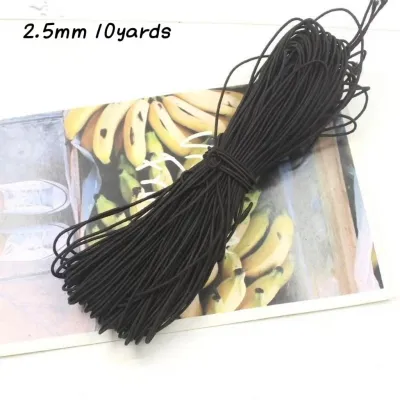
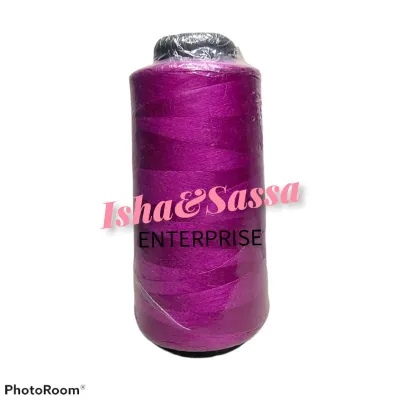
Prices are valid at publication and may change. Please refer to the product page for the latest price.
When browsing options, check the product label for the fiber composition of the wrapping and the thickness of the elastic core, as these details dictate how the thread behaves under tension. A cotton-wrapped elastic thread offers a matte finish and is highly dyeable, while a polyester-wrapped option typically provides greater resistance to friction and moisture.
In most domestic sewing machine setups, garterized thread is wound onto the bobbin, while regular sewing thread is used in the needle. The machine’s needle thread secures the elastic bobbin thread from the top, allowing the fabric to gather evenly as it passes through the feed dogs.
However, some heavy-duty or industrial applications might utilize specialized elastic threads in both positions; always verify the manufacturer’s instructions for your specific thread type. Common applications include waistbands, cuffs, shirring, and stretchable garment construction, which are particularly popular for lightweight summer dresses and breathable clothing.
Matching Thread to Fabric Type and Weight
Pairing thread weight with lightweight, medium, and heavyweight fabrics is essential to avoid puckering or weak seams. Lightweight fabrics like cotton lawn, voile, or rayon challis require a finer elastic thread to prevent bulky, stiff gathers that ruin the drape of the garment.

Medium-weight fabrics like linen or quilting cotton can handle standard garterized threads, while heavy fabrics like denim or canvas may require multiple rows of thicker elastic cord channeled through casings rather than direct sewing thread. Using a thread that is too heavy for a delicate fabric will cause the material to bunch unnaturally and may damage the weave.
The fabric’s inherent stretch percentage also influences the required thread elasticity and recovery. If you are working with knit fabrics that already possess a high stretch percentage, the garterized thread must match or exceed that stretch capacity to prevent the seams from popping when the garment is pulled over the body.
Always review the care instructions of both the fabric and the thread. In hot and humid environments like the Philippines, fabrics are washed frequently, meaning the elastic thread must be compatible with the fabric’s washing temperature and drying requirements to prevent premature degradation of the rubber or spandex core. Checking manufacturer specifications on the thread spool will help you verify if the elastic can withstand regular laundering.
Aligning Thread Choice with Project Requirements and Desired Finish
Choosing thread for invisible internal gathering versus visible decorative shirring or topstitching requires different aesthetic and structural considerations. For internal waistbands or hidden cuffs, the color and texture of the garterized thread are secondary to its strength and recovery.
For visible decorative shirring or smocking, choose a thread color that blends seamlessly with the fabric or provides a clean, intentional contrast. Because the bobbin thread is what creates the gathers on the underside, ensure your needle thread matches the right side of the fabric perfectly to keep the construction looking clean.
Evaluating colorfastness, washability, and heat resistance is critical for garments that will undergo frequent laundering. Frequent laundering in warm water or exposure to direct sunlight during line drying can weaken elastic fibers over time. Verify that the thread packaging specifies high colorfastness and resistance to chlorine or salt water if you are constructing swimwear or activewear.
Consider the durability and stress tolerance needed for high-tension areas like waistbands compared to delicate sleeve cuffs. High-tension areas require a robust thread that can handle constant stretching and pulling. In contrast, delicate sleeve cuffs or neckline gathers experience less stress and can utilize lighter, more flexible threads that prioritize comfort and drape over sheer holding power.
Ensuring Machine and Needle Compatibility
Selecting the appropriate needle type, eye size, and point style for elastic or specialty threads is crucial to prevent fraying and skipped stitches. A stretch needle or a ballpoint needle is generally recommended for knit fabrics, while a sharp microtex needle works best for fine woven fabrics.
Ensure the needle eye is large enough to allow the top thread to pass through smoothly without creating friction against the elastic bobbin thread. If the needle is too small, it can shred the top thread or fail to catch the bobbin thread, leading to uneven gathers or structural failure.
Adjusting bobbin tension and machine settings must be done strictly according to the thread manufacturer’s instructions. Garterized thread is typically wound onto the bobbin by hand with slight, consistent tension rather than using the machine’s automatic bobbin winder. If your machine struggles to feed the elastic thread, you may need to adjust the bobbin case tension screw slightly or bypass certain tension guides as recommended by the manufacturer.
If tension or feeding issues persist, stop the process immediately. Do not force the fabric through the machine, as this can damage the needle bar or the bobbin race. Consult your sewing machine manual or a qualified technician to ensure your machine’s tension assembly and feed dogs are properly calibrated for elastic threads.
Testing and Adjusting for the Best Results
Creating a test swatch using scrap fabric of the same weight and composition as the main project is a safe, reversible workflow for testing thread performance. Cut a scrap piece with identical grainline orientation and dimensions to verify how the fabric gathers and how the stitches hold under tension.
Key elements to observe during the test include stitch formation, stretch recovery, thread breakage, and fabric distortion. Examine the test swatch to see if the gathers are uniform and if the fabric stretches comfortably without the top thread snapping. If the fabric puckers excessively or the gathers are too loose, the tension or stitch length needs adjustment.
Safely adjust stitch length and tension based on the visual and physical results of the swatch test. A longer stitch length (typically 3.0mm to 4.0mm) is often ideal for shirring, as it allows the elastic thread room to contract and pull the fabric together. Make incremental adjustments to your machine’s upper tension dial and test again on a fresh scrap until you achieve the desired gather ratio and stretch recovery.
Frequently Asked Questions (FAQ)
Can I use regular sewing thread instead of garterized thread for stretch projects?
Regular polyester or cotton thread lacks the elasticity required for high-stretch applications, meaning seams sewn with standard thread will likely snap when stretched. While you can use regular thread with specific stretch stitch patterns (like a zigzag or triple-stretch stitch) on knit fabrics, projects requiring active gathering or shirring strictly require garterized thread to function properly.
Do I need to pre-stretch the thread before sewing?
You should not aggressively pre-stretch the garterized thread, but winding it onto the bobbin requires a light, consistent tension. Winding the thread too tightly will result in overly tight gathers that may distort the fabric, while winding it too loosely will prevent the fabric from gathering at all. Always check the thread manufacturer’s packaging for specific winding instructions.
How should I care for garments sewn with elastic or gathering thread?
Garments constructed with garterized thread require gentle care to preserve the elasticity of the rubber or spandex core. Avoid exposing the garment to high heat from dryers or direct, intense ironing, as extreme heat can melt or degrade the elastic fibers. Check the care labels of both your fabric and thread, and opt for air drying in a shaded area when possible.

Community discussion
Share your experience or ask a question. Comments are reviewed before publication.